I still remember the night this recipe was born like it was yesterday. There I was, standing in my kitchen at 9:47 PM, still in my work clothes, stomach growling louder than my neighbor's ancient beagle, and absolutely zero energy to cook anything that required more effort than boiling water. My original plan was to order takeout, but then I remembered I'd already blown my food budget on that fancy coffee maker I'd convinced myself I needed. So there I was, staring at a sad bag of store-bought gnocchi, some canned tomatoes, and a container of burrata I'd bought on impulse because, let's face it, burrata makes everything better.
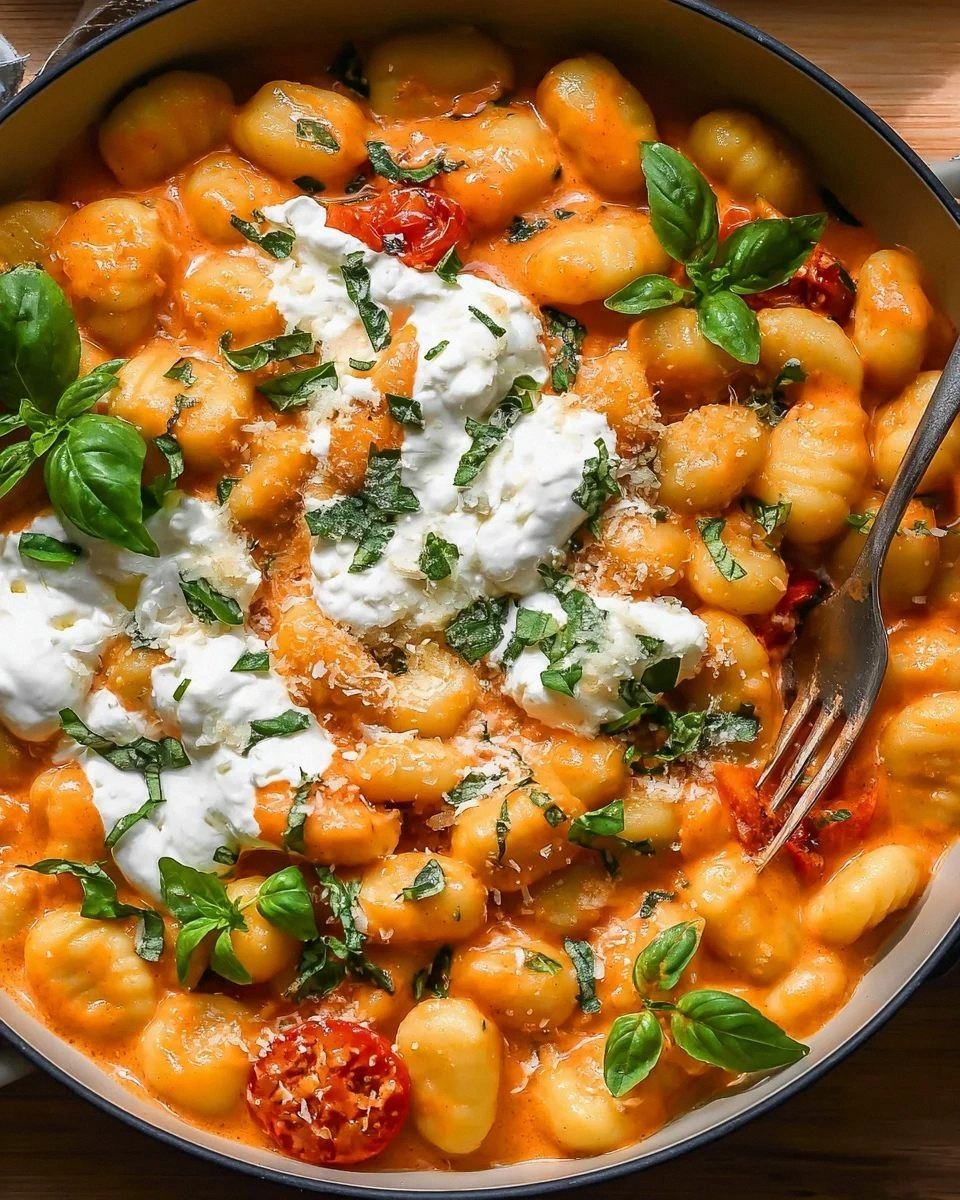
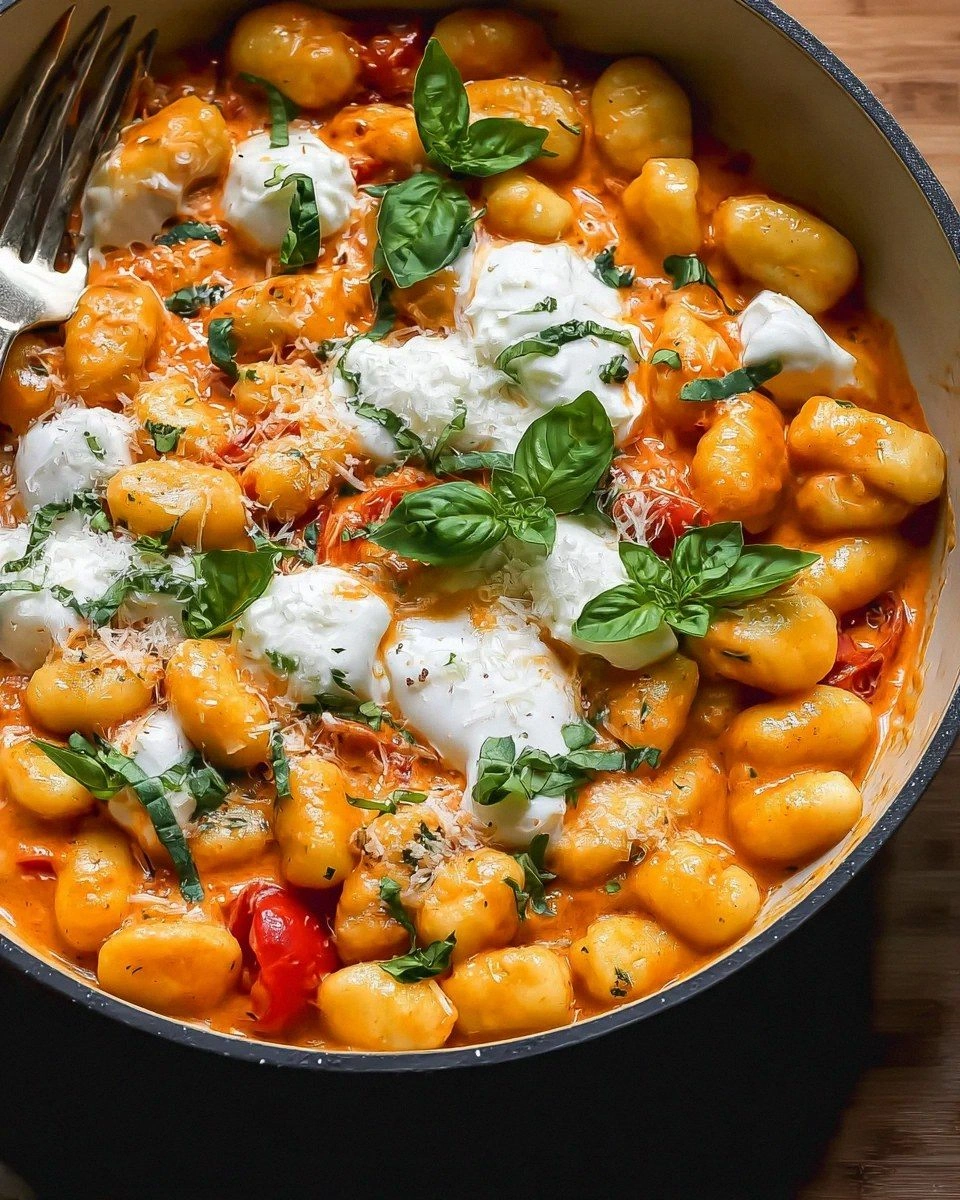
What happened next was nothing short of kitchen alchemy. Thirty minutes later, I was sitting on my couch with a bowl of something so ridiculously good that I actually did a little happy dance — the kind of dance you only do when nobody's watching and your taste buds are having their own private party. The sauce was this velvety, tomato-cream dream that coated each little gnocchi like they were wearing silk pajamas, and the burrata? Oh, the burrata. It melted into these gorgeous pools of creamy goodness that made every bite feel like you're eating at some fancy Italian restaurant where the waiter calls you "signora" and the bread basket gets refilled without asking.
Listen, I've tried dozens of quick pasta recipes in my day, and most of them taste exactly like what they are — rushed, slightly desperate attempts to get food in your face hole before you pass out from hunger. But this? This tastes like you spent hours slow-simmering a sauce that someone's nonna would approve of, when secretly you were just throwing things in a pan while mentally composing tomorrow's work emails. The secret lies in a technique I stumbled upon completely by accident, involving the way you treat those canned tomatoes and a very specific order of operations that I'm about to share with you.
If you've ever thought that good food requires hours of effort and a pantry full of ingredients you can't pronounce, prepare to have your mind blown. This dish is about to become your new best friend on busy weeknights, your go-to impress-the-date meal, your "I need comfort food NOW" solution. Let me walk you through every single step — by the end, you'll wonder how you ever made it any other way.
What Makes This Version Stand Out
Before we dive into the nitty-gritty, let me tell you why this isn't just another tomato-cream sauce recipe that you've seen floating around the internet. This version has some serious advantages that'll make you ditch all those other recipes you've bookmarked.
- Ultra-velvety texture: The sauce coats every gnocchi like liquid velvet, thanks to a specific technique of blending the tomatoes with cream that creates an emulsion so stable it won't separate even when reheated the next day. Most recipes just dump cream into acidic tomatoes and wonder why their sauce breaks into an oily mess.
- 30-minute magic: From zero to hero in half an hour, including prep time. The trick is using the same pan for everything, building flavors in layers that would normally take hours to develop. You'll spend more time waiting for water to boil than actually cooking.
- Burrata that actually melts properly: Instead of just plopping cold burrata on top like most recipes, you'll learn how to warm it gently so it releases its creamy center at the perfect moment, creating those Instagram-worthy cheese pulls without the disappointment of cold, rubbery cheese.
- Restaurant-level depth: By caramelizing the tomato paste before adding the canned tomatoes, you unlock a deep, almost smoky sweetness that makes people swear there's wine in the sauce (there isn't — but you could add some if you want to be fancy).
- One-pot wonder: Everything happens in a single skillet, including cooking the gnocchi right in the sauce. Less dishes, more flavor, and the gnocchi absorbs all that tomato-cream goodness instead of just plain salted water.
- Make-ahead friendly: The sauce actually improves overnight as the flavors meld together, and it reheats beautifully without that grainy texture that cream sauces usually get. Make a double batch on Sunday, thank yourself all week.
- Pantry staples elevated: Canned tomatoes, dried herbs, basic cream — nothing fancy required. But the way they're combined creates something that tastes far more expensive than it costs to make.
- Customizable crowd-pleaser: Vegetarian? Check. Easy to make gluten-free? Absolutely. Want to add protein? Go for it. Kids love it, adults love it, that one friend who claims they "don't do carbs" will ask for seconds.
Alright, let's break down exactly what goes into this masterpiece, because understanding your ingredients is what separates good cooks from great ones. And trust me, once you know why each component matters, you'll never look at a recipe the same way again.
Inside the Ingredient List
Every ingredient in this recipe has a job to do, and understanding their roles will transform you from someone who follows recipes to someone who creates them. Let's break down this culinary cast of characters and see what makes each one essential to the final performance.
The Flavor Foundation
Your olive oil isn't just there to keep things from sticking — it's the flavor carrier that spreads the taste of garlic and shallots throughout every bite. I use a good extra-virgin oil here because the fruity, peppery notes actually survive the cooking process and add complexity to the final dish. The shallots are my secret weapon; they're like onions that went to finishing school, providing that sweet, gentle allium flavor without the harsh bite that can overpower the delicate cream and tomatoes. When you mince them fine and let them melt into the oil, they create a flavor base that's so good you'll want to bottle it and use it as perfume (please don't, though your significant other might appreciate the effort).
Garlic is the obvious choice here, but here's where most people mess up — they add it too early and it turns bitter and acrid. We're going to add it after the shallots have softened, just for thirty seconds until it becomes fragrant. That's it. Any longer and you've basically created garlic-flavored bitterness that will haunt your sauce like a culinary ghost. Trust me on this one; I've made that mistake enough times for all of us.
The Texture Crew
Now, let's talk about those little potato dumplings we call gnocchi. Store-bought gnocchi gets a bad rap, but here's the thing — unless you're making fresh pasta every week, the packaged stuff is actually pretty fantastic when treated right. The key is knowing how to cook it properly. We're not boiling these little pillows separately; instead, we're going to cook them right in the sauce where they'll absorb all that tomato-cream goodness and release just enough starch to thicken everything to the perfect consistency. It's like they're doing us a favor while they cook.
The heavy cream isn't just there for richness — it's the emulsifier that transforms acidic tomatoes into a sauce that won't curdle when it hits the heat. The fat content is crucial here; anything less than 35% and you're asking for a broken, grainy mess. Yes, you could use half-and-half if you're watching calories, but honestly, if you're making a creamy pasta dish, just commit to the decadence. Life's too short for watery cream sauce.
The Unexpected Star
Here's where things get interesting — we're using both tomato paste and canned tomatoes, but not in the way you think. The tomato paste gets caramelized in the oil until it turns a deep, brick-red color and develops these slightly sweet, almost smoky notes that add incredible depth to what could otherwise be a one-note sauce. It's like the difference between raw onions and caramelized onions — same ingredient, completely different personality.
The canned tomatoes are your sauce's backbone, and quality matters here. I always splurge on San Marzano tomatoes when I can find them, but any good-quality whole tomatoes will work. Here's the trick — don't buy pre-crushed or diced tomatoes. Whole tomatoes packed in juice retain their fresh flavor better, and when you crush them by hand, you control the texture. Some chunks, some smoothness, all delicious. And please, for the love of all that is holy, don't use fresh tomatoes unless it's August and you picked them yourself. Canned tomatoes are picked and packed at peak ripeness, while most supermarket fresh tomatoes were bred for transport, not taste.
The Final Flourish
Now we come to the diva of our ingredient list — burrata. This isn't just fancy mozzarella, despite what your grocery store label might claim. Burrata is mozzarella's sophisticated cousin who studied abroad and came back with stories and a mysterious accent. Inside that tender mozzarella shell is a mixture of cream and cheese curds that creates this luscious, molten center that transforms our sauce into something truly magical.
But here's the thing about burrata — timing is everything. Add it too early and it becomes rubbery and sad. Add it too late and it stays cold in the center, which is about as disappointing as getting socks for Christmas. We'll tear it into generous pieces and nestle it into the hot sauce just before serving, so it warms gently and releases its creamy treasure at the perfect moment. The result is those gorgeous cheese pulls that make everyone at the table stop mid-conversation and reach for their phones.
Everything's prepped? Good. Let's get into the real action, because this is where the magic happens and we're about to create something that'll ruin all other pasta dishes for you forever.
The Method — Step by Step
- Start by heating your largest skillet over medium heat — and here's where most people go wrong. They crank the heat too high, thinking faster is better, but patience is your friend here. Add two tablespoons of olive oil and let it heat until it shimmers like a mirage on a summer highway. That shimmer tells you the oil is hot enough to do its job but not so hot that it'll burn your aromatics before they have a chance to develop flavor. Swirl the pan to coat it evenly, creating a non-stick surface that'll make cleanup a breeze later.
- Now add your minced shallots, and listen for that gentle sizzle — it should sound like applause from a polite crowd, not like fireworks on the Fourth of July. If it's sputtering violently, your heat is too high; pull the pan off the heat for thirty seconds and adjust. Cook the shallots for about three minutes, stirring occasionally, until they turn translucent and start to look like they're melting into the oil. They should smell sweet and slightly nutty, not sharp or acrid. This is the foundation of your flavor, so don't rush it. Those three minutes of patience will pay dividends in the final dish.
- Clear a little space in the center of your pan and add the tomato paste directly to the hot oil. Here's the game-changer — let it cook, undisturbed, for about ninety seconds. Watch as it darkens from bright red to a deep brick color, developing those complex, almost smoky notes that'll make people swear you added bacon to the sauce. Stir it into the shallots after it's caramelized, creating a mahogany paste that smells like concentrated sunshine and summer memories. This step is what separates restaurant-quality sauces from sad, acidic tomato sauces that taste like cafeteria food.
- Time for the garlic — add it now and stir constantly for thirty seconds, no more. You want it fragrant but not browned; browned garlic turns bitter faster than a bad breakup. The aroma should hit you immediately, like someone opened a window in an Italian grandmother's kitchen. If you see even a hint of golden color, you're thirty seconds away from bitter town, so keep things moving. The garlic should just disappear into the tomato paste, spreading its pungent perfume throughout the base.
- Pour in your canned tomatoes with all their juice, but here's the technique that'll change everything — use your wooden spoon to crush them against the sides of the pan while they're still cold from the can. The temperature difference makes them easier to break down, and you control the texture this way. Some chunks, some smoothness, all of it swimming in that gorgeous brick-red sauce that already smells like you spent hours cooking. Add your dried oregano, red pepper flakes, salt, and a few grinds of black pepper. The oregano should be the dried stuff, not fresh — dried oregano has a more concentrated, almost minty flavor that holds up to cooking better than the fresh version.
- Bring everything to a gentle simmer and let it bubble away for five minutes. Not a rolling boil — just enough activity to make the surface dance and pop occasionally. During this time, the tomatoes will sweeten, the flavors will marry, and your kitchen will start smelling like you should charge admission. The sauce will thicken slightly as moisture evaporates, concentrating all those gorgeous tomato flavors. Stir occasionally, scraping the bottom to prevent sticking, and taste a spoonful (careful, it's hot) to check the seasoning.
- Now comes the moment of truth — reduce the heat to low and slowly pour in the cream while stirring constantly. Watch as the sauce transforms from bright red to this gorgeous coral color that looks like sunset in a pan. The cream should incorporate smoothly without curdling, creating a sauce that coats the back of a spoon like liquid velvet. If it looks like it's separating, don't panic — just keep stirring gently and it'll come back together. This is the alchemy moment where simple ingredients become something greater than their parts.
- Here's where we get a little unconventional — instead of boiling gnocchi separately, we're going to cook it right in the sauce. Add the gnocchi directly to the pan, stirring gently to coat each piece. They'll absorb the flavors of the sauce as they cook, becoming little flavor bombs instead of bland potato pillows. Cover the pan and let them simmer for three to four minutes, until they float to the top and look plump and tender. The sauce will thicken as the gnocchi release their starch, creating this gorgeous, glossy coating that clings to every bite.
- Remove the lid and give everything a gentle stir. The sauce should coat the gnocchi luxuriously, like they're wearing silk evening gowns. If it seems too thick, add a splash of pasta water or cream to loosen it; too thin, let it simmer uncovered for a minute. Taste and adjust seasoning — you might need more salt, a crack of pepper, or a pinch more red pepper if you like heat. This is your moment to make it perfect for your palate. The sauce should taste balanced — rich from the cream, bright from the tomatoes, with a gentle warmth from the pepper flakes.
- Turn off the heat and let the pan sit for exactly two minutes. This brief rest allows the sauce to settle and the gnocchi to finish cooking in the residual heat. During this time, tear your burrata into generous, rustic pieces — don't be dainty about it. Nestle the pieces into the warm sauce, where they'll start to melt slightly from the heat but retain their shape. The contrast of warm sauce and cool, creamy burrata is what makes this dish sing. Finish with a shower of fresh basil and an extra drizzle of olive oil, because you've earned it.
That's it — you did it. But hold on, I've got a few more tricks that'll take this to another level, secrets that'll make you look like you've been cooking Italian food your entire life.
Insider Tricks for Flawless Results
Look, I'm going to be honest with you — the first time I made this, it was good. Really good. But it wasn't until I started experimenting with these techniques that it went from "hey, this is tasty" to "why are you not opening a restaurant right now?" These are the little details that separate home cooks from the people who make you close your eyes when you take the first bite.
The Temperature Rule Nobody Follows
Here's something that'll blow your mind — the temperature of your cream matters more than you think. Cold cream hits hot, acidic tomatoes and immediately wants to separate like an awkward middle school dance. But if you let your cream come to room temperature for twenty minutes before adding it, it incorporates smoothly and stays emulsified. It's like the difference between jumping into a cold pool versus easing in slowly — the shock factor is gone, and everything just plays nicely together. I learned this the hard way when I rushed one night and ended up with a sauce that looked like it was having an identity crisis.
Why Your Nose Knows Best
Don't trust the clock — trust your nose. When those shallots are properly caramelized, they'll smell sweet and nutty, almost like they're melting into sugar. If they still smell sharp or oniony, keep going. Same with the tomato paste — when it's properly caramelized, it changes from smelling like raw tomatoes to something deeper, almost like sun-dried tomatoes mixed with a hint of smoke. Your nose is your most underutilized kitchen tool, and once you start cooking with it, you'll never burn garlic or undercook onions again.
The 5-Minute Rest That Changes Everything
After you turn off the heat, let the pan sit undisturbed for exactly five minutes before adding the burrata. This isn't just about temperature — it's about allowing the sauce to settle and the flavors to meld. During this time, something magical happens as the starch from the gnocchi continues to thicken the sauce slightly, and the intense heat distributes evenly. A friend tried skipping this step once and ended up with burrata that seized up into rubbery little balls. Don't be that friend.
The Basil Timing Secret
Add half your basil during the last minute of cooking and save the rest for garnish. The heat releases the essential oils and distributes that fresh, slightly sweet flavor throughout the sauce, while the garnish adds that bright, just-picked note that makes the whole dish sing. It's like having backup singers and a lead vocalist — each has their role, and together they create harmony. Dried basil has no place here; it's like using a plastic plant instead of fresh flowers — technically green, but missing all the good stuff.
The Salt Layering Technique
Instead of adding all your salt at the end, season in layers. A pinch when you start the shallots, another when you add the tomatoes, and a final adjustment at the end. Each layer draws out moisture and concentrates flavors, building complexity rather than just making things salty. It's the difference between a flat, one-dimensional sauce and something that tastes like it's been simmering all day. I learned this from watching old Italian nonnas who never measure anything but somehow create magic every time.
Creative Twists and Variations
This recipe is a playground. Here are some of my favorite ways to switch things up, each one tested and approved by my very willing (and very hungry) group of taste-testers who have become experts at showing up unannounced whenever I mention testing new recipes.
The Protein Powerhouse
Add some Italian sausage for a heartier version — remove the casings and crumble it into the pan after the shallots soften. The fennel in the sausage plays beautifully with the tomatoes, and the fat adds even more richness to the sauce. Use mild or spicy depending on your crowd, but either way, brown it well before proceeding with the recipe. The caramelized bits that stick to the pan dissolve into the sauce and add incredible depth. I've served this version to my carnivore friends who claimed they could never be satisfied by "just pasta" and watched them lick their bowls clean.
The Green Goddess Edition
Stir in a big handful of baby spinach during the last two minutes of cooking — it'll wilt down to almost nothing but add color, nutrients, and a slightly sweet flavor that balances the richness. You could also use kale if you want something heartier, just make sure to remove the tough stems and chop it finely. For an even greener version, swap the basil for fresh oregano and add some zucchini ribbons. This variation makes you feel virtuous while still being indulgent, like eating salad but way more fun.
The Seafood Sensation
Add some shrimp during the last three minutes of cooking — they turn pink and curl up when done, and their sweet, briny flavor is incredible with the creamy tomato sauce. Use large shrimp, peeled and deveined, and don't overcook them or they'll turn rubbery. For an even more luxurious version, add some lump crab meat right at the end, just to warm it through. This turns a humble weeknight dinner into something you'd pay thirty dollars for at a restaurant, and it takes literally three extra minutes.
The Vegan Velvet
Replace the heavy cream with full-fat coconut milk — not the light stuff, we're not monsters here — and use cashew cream for even more richness. Soak raw cashews in hot water for twenty minutes, then blend with water until smooth. The coconut milk adds a subtle sweetness that works surprisingly well with tomatoes, and the cashew cream gives you that luxurious mouthfeel without any dairy. For the burrata, try dollops of vegan ricotta or even just extra olive oil for richness. I made this for my vegan friend who hadn't had creamy pasta in years, and she actually cried a little.
The Spice Market Version
Add a pinch of smoked paprika and a bay leaf when you add the tomatoes — it gives the sauce this incredible depth and subtle smokiness that makes people swear you used bacon. A cinnamon stick adds warmth and complexity, just remember to remove it before serving. You could also add some Calabrian chilies for heat and a fruity note that regular red pepper flakes just can't match. This version pairs beautifully with a bold red wine and some crusty bread to soak up every drop of that gorgeous sauce.
The Luxury Upgrade
Add some truffle oil right at the end — just a few drops, because too much truffle oil makes everything taste like a gas station bathroom. For special occasions, I add some fresh lobster meat or even some seared scallops on top. Use white truffle oil for a more subtle flavor, or black truffle oil if you want to make a statement. This is the version I make when I want to impress someone without looking like I'm trying too hard, and it works every single time.
Storing and Bringing It Back to Life
Here's the thing about leftovers — most creamy pasta dishes turn into a sad, congealed mess that even microwaves can't save properly. But this one? This one actually gets better overnight as the flavors have time to meld and develop into something even more incredible. The key is knowing how to store and reheat it properly so you're not eating grainy, separated sauce that tastes like disappointment.
Fridge Storage
Let the gnocchi cool completely before storing — I know it's tempting to just shove the whole pan in the fridge, but the residual heat will create condensation that waters down your sauce. Store in an airtight container for up to four days, though honestly, it never lasts that long in my house. Press plastic wrap directly against the surface to prevent that weird skin from forming, or if you're feeling fancy, drizzle a thin layer of olive oil over the top. The sauce will thicken considerably as it cools, but don't panic — we'll fix that during reheating.
Freezer Friendly
You can freeze this, but here's the trick — freeze the sauce and gnocchi separately if possible. The sauce freezes beautifully for up to three months, but the gnocchi can get a little mushy. If you must freeze them together, undercook the gnocchi slightly so they don't turn to complete mush during reheating. Use freezer bags laid flat for easy stacking, and squeeze out as much air as possible to prevent freezer burn. Thaw overnight in the fridge, never on the counter — cream-based sauces are delicate and can separate if they warm too quickly.
Best Reheating Method
Forget the microwave — it creates hot spots that break the emulsion and leave you with an oily mess. Instead, reheat gently in a pan over low heat with a splash of cream or milk. Start cold and heat slowly, stirring constantly, until it comes back together into that gorgeous, glossy sauce you remember. If it's too thick, add liquid a tablespoon at a time — cream for richness, milk for lightness, or even some vegetable broth if you want to thin it without adding more dairy. Add fresh burrata when serving, because reheated burrata is a crime against humanity and we don't do that here.