Remember that night when the kitchen turned into a chaotic dance floor and you thought you’d lost the rhythm of cooking? The stove was smoking, the sauce was splattering, and I was shouting, “We need a plan!” That disaster sparked a craving that could only be satisfied by a dish that marries the umami depth of Asian sauces with the comforting familiarity of noodles. I set my sights on ground beef because it’s quick, budget‑friendly, and a perfect canvas for bold flavors.
Picture this: a sizzling pan, the aroma of garlic and ginger instantly turning the air into a fragrant promise. The beef browning to a caramelized crust, the sauce thickening like a glossy ribbon around the noodles. Every bite feels like a warm hug that’s also a spicy kick—think silky sauce coating noodles like velvet, with a subtle snap from fresh vegetables. I couldn’t resist sharing the exact blend that turns a simple plate into a culinary masterpiece.
What makes this version stand out is that it’s not just a recipe; it’s a recipe that’s been tested, tweaked, and perfected in the real world. I’ve spent nights refining the balance of sweet, salty, and umami, and I’ve discovered that a little extra heat can elevate the dish from good to unforgettable. If you’ve ever struggled to get noodles that feel neither soggy nor dry, you’ll find the secret sauce here.
And here’s a teaser: a small ingredient you’ll never see in other ground beef noodle recipes—brown rice vinegar. It’s the secret to that bright, slightly tangy lift that keeps the flavors from clinging together. Ready to dive into the steps that will make you wonder how you ever cooked this dish any other way?
What Makes This Version Stand Out
- Flavor: The sauce is a complex tapestry of soy, hoisin, and a splash of rice vinegar, creating a depth that lingers on the palate.
- Texture: The noodles are tossed just enough to coat them in sauce, yet they retain a satisfying bite that doesn’t turn mushy.
- Speed: From start to finish, you’re in the kitchen for less than an hour—perfect for a weekday dinner.
- Balance: Sweet, salty, savory, and a hint of heat coexist in harmony, so no single flavor overwhelms the others.
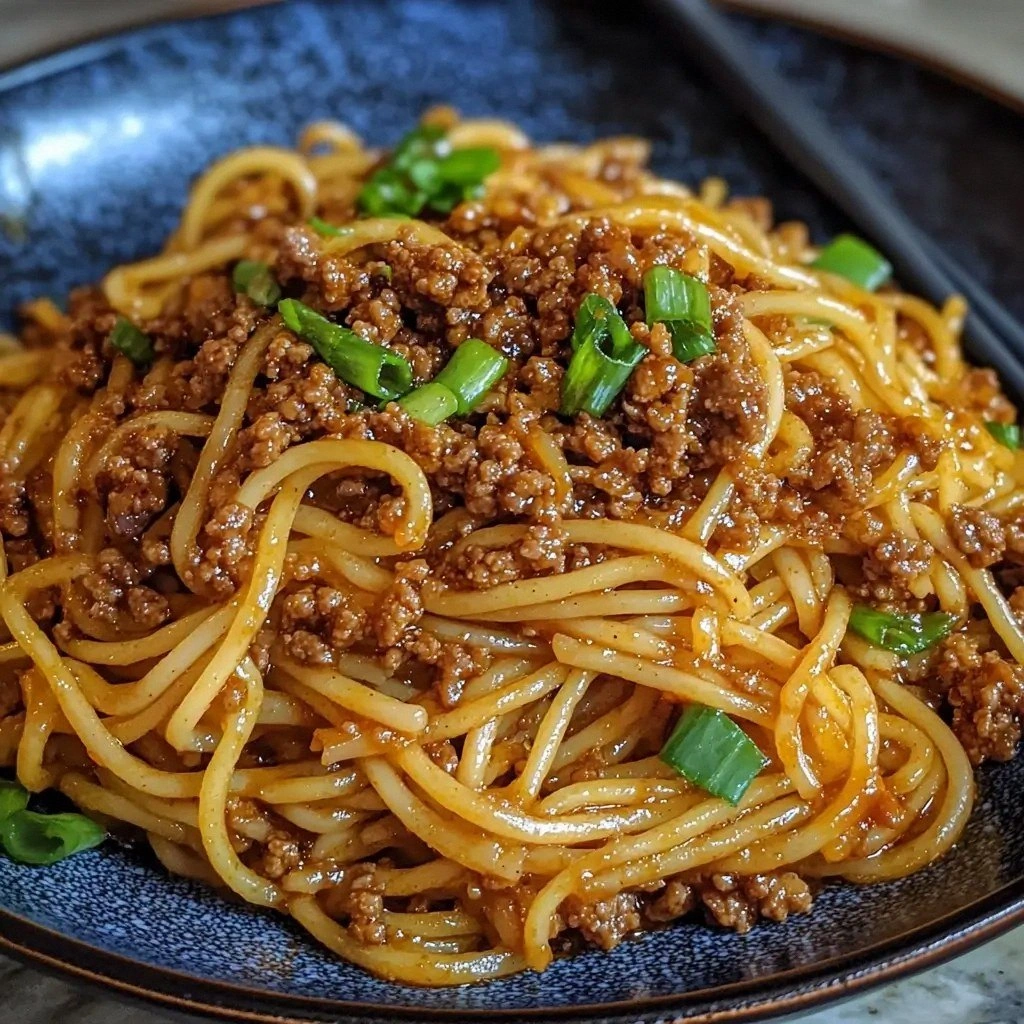
- Visual Appeal: The dish is a riot of colors—red from the chili flakes, green from scallions, and a glossy sheen from the sauce.
- Versatility: Swap ground beef for ground pork or tofu, and the dish still shines.
- Crowd‑pleaser: Even the pickiest eaters can’t resist the savory crunch of the sauce.
- Make‑ahead Friendly: The flavors deepen when left to rest, making it ideal for meal prep.
Alright, let's break down exactly what goes into this masterpiece…
Inside the Ingredient List
The Flavor Base
Ground beef is the star, providing a hearty, meaty foundation that absorbs every splash of sauce. Choose a ratio of 80/20 lean to fat for the richest flavor. Skipping the beef entirely will leave the dish feeling hollow; it’s the heart that keeps the sauce from being just a liquid.
Soy sauce is the backbone of the umami profile. It lends depth and a salty punch that balances the sweetness of hoisin. If you’re on a sodium watch, swap for low‑sodium soy or tamari, but keep the quantity the same.
Hoisin sauce brings a velvety sweetness and a hint of spice. It’s a thick, dark condiment that thickens the sauce and adds a caramelized finish. A pinch of brown sugar can replace it for a lighter version, though the richness will change.
Rice vinegar provides bright acidity, cutting through the heaviness of the beef. Its subtle sharpness lifts the entire dish, preventing it from feeling flat. If you don’t have rice vinegar, a splash of white wine vinegar works as a close substitute.
The Texture Crew
Rice noodles are the traditional choice—soft, slightly chewy, and quick to cook. Their neutral taste lets the sauce shine. If you prefer a heartier bite, try egg noodles or even soba for a nutty undertone.
Fresh scallions add a crisp, green pop and a mild onion flavor that brightens each mouthful. Chop them finely so they distribute evenly throughout the dish. A few slices of fresh ginger give a zesty warmth that cuts through the richness.
Garlic is the aromatic foundation that underpins the entire flavor. Mince it finely to release its oils and ensure it melds seamlessly with the beef.
The Unexpected Star
Sesame oil is the final flourish that elevates the dish from ordinary to extraordinary. A drizzle of toasted sesame oil after cooking releases nutty aromas and adds a glossy sheen. It’s a small amount that makes a huge difference.
Chili flakes or fresh sliced red pepper add a subtle heat that keeps the dish lively. The heat is adjustable—add more for a fiery kick or keep it mild for a balanced bite.
Everything's prepped? Good. Let's get into the real action...
The Method — Step by Step
- Heat a large skillet over medium‑high heat. Add a splash of vegetable oil and let it shimmer. Once the oil is hot, toss in the ground beef, breaking it apart with a wooden spoon. Cook until it turns a deep brown and releases its juices—about 5 minutes. Watch the color shift; the beef should have a caramelized crust, not a raw gray center. This is the moment of truth where flavor begins to develop.
- Add minced garlic, grated ginger, and a handful of chopped scallions to the pan. Sauté for 30 seconds until the aromatics are fragrant, but be careful not to burn them. The garlic should just begin to turn golden; this releases its sweet undertones. The ginger gives a fresh zing that balances the richness.
- Stir in the soy sauce, hoisin sauce, rice vinegar, and a tablespoon of brown sugar. Mix until the beef is coated in a glossy, thick sauce. The sauce should cling to the meat, not pool at the bottom. Let it simmer for 2 minutes, allowing the flavors to meld.
- Meanwhile, cook the noodles according to package instructions. Drain and rinse under cold water to stop the cooking process. Toss the noodles with a little sesame oil to keep them from sticking together. This step ensures the noodles stay silky and separate.
- Return the drained noodles to the skillet with the beef and sauce. Toss everything together until the noodles are evenly coated. The heat should be low enough to keep the sauce warm but not so hot that it boils away. The noodles should feel tender yet firm—just the right bite.
- Add the remaining scallions, a sprinkle of chili flakes, and a drizzle of toasted sesame oil. Stir gently, allowing the sesame oil to coat the dish. The sesame oil should give a nutty aroma that envelops the entire plate. This final touch transforms the dish from good to unforgettable.
- Serve immediately, garnishing with a few fresh cilantro leaves if desired. The dish is best enjoyed hot, with the sauce still glossy and the noodles steaming. This is the moment when all the layers of flavor converge into a single, satisfying bite.
That's it — you did it. But hold on, I've got a few more tricks that'll take this to another level…
Insider Tricks for Flawless Results
The Temperature Rule Nobody Follows
Many cooks keep the heat high throughout, which can cause the sauce to evaporate and the noodles to stick. Keep the heat low after adding the noodles to preserve the sauce’s integrity. This small change keeps the dish silky and prevents a dry finish.
Why Your Nose Knows Best
Smell is your best judge of doneness. When the beef is cooked, it should emit a deep, caramelized aroma. If it still smells raw, give it a few more minutes. Trust your nose; it’s a reliable indicator of flavor development.
The 5-Minute Rest That Changes Everything
Let the dish sit for five minutes off the heat before serving. This brief rest allows the flavors to settle and the sauce to thicken slightly. A friend tried skipping this step once, and the noodles felt soggy—lesson learned.
Balance the Sweetness
Hoisin sauce can be sweet, but you can adjust the sweetness by adding a splash of lime juice at the end. The acidity cuts through the sugar and adds a fresh brightness. Experiment with a few drops until you find the sweet‑tang balance you love.
Keep It Fresh
Use fresh scallions and ginger for the best flavor. Stale ingredients will diminish the dish’s vibrancy. If you’re short on fresh produce, frozen chopped scallions can work, but they may release extra moisture.
Storage Tip for Leftovers
Store leftovers in an airtight container in the fridge for up to 3 days. When reheating, add a splash of water or broth to rehydrate the noodles. This keeps the dish from drying out.
Creative Twists and Variations
This recipe is a playground. Here are some of my favorite ways to switch things up:
Veggie‑Rich Powerhouse
Add sliced bell peppers, shredded carrots, and snow peas for a colorful crunch. The vegetables add vitamins and a satisfying bite that pairs well with the savory sauce. This variation is perfect for a quick weeknight meal that feels like a salad on a plate.
Spicy Sriracha Kick
Stir in a tablespoon of sriracha during the sauce stage for a bold, fiery flavor. The heat will dance with the sweetness of hoisin, creating a complex profile. Great for those who love a spicy bite.
Thai Peanut Fusion
Swap soy sauce for fish sauce and add a tablespoon of creamy peanut butter to the sauce. The nutty richness pairs beautifully with the ground beef. Top with crushed peanuts and fresh cilantro for a Thai-inspired twist.
Gluten‑Free Option
Use rice noodles and a gluten‑free soy sauce. The dish remains hearty and flavorful, and it’s safe for those with gluten sensitivities. The texture stays the same, just a little lighter.
Breakfast Bowl
Serve the noodles in a bowl with a fried egg on top, a drizzle of sriracha, and a sprinkle of scallions. The protein boost turns it into a satisfying breakfast that feels like dinner. It’s a great way to use leftovers in a new way.
Cheese‑Lover’s Delight
Sprinkle shredded mozzarella or cheddar over the hot noodles just before serving. The cheese melts into the sauce, creating a creamy, indulgent layer. This variation adds a comfort‑food element that kids love.
Storing and Bringing It Back to Life
Fridge Storage
Store the dish in an airtight container for up to 3 days. Keep the noodles and sauce separate if possible to prevent the noodles from becoming soggy. When ready to eat, combine and gently warm on the stove.
Freezer Friendly
Freeze in portioned containers for up to 2 months. Thaw overnight in the refrigerator, then reheat in a skillet with a splash of water or broth. This method keeps the noodles from clumping together.
Best Reheating Method
Reheat on low heat, adding a small amount of water to restore moisture. A quick stir in a hot pan will bring the sauce back to its glossy state. A tiny splash of water before reheating is a quality‑saving trick that keeps the dish from drying out.