I was halfway through a late‑night pizza experiment when the oven light flickered and my dough went from golden to burnt in seconds. My friends laughed, and I vowed to find a dish that could turn a kitchen mishap into a triumph. That night, I pulled a humble potato from the pantry and imagined it as a canvas for a symphony of flavors. The idea was simple: a baked potato that would rise like a mountain of comfort, topped with layers that crunch, melt, and sing. I spent the next hour gathering ingredients, stirring the air with anticipation, and the scent of olive oil and sea salt began to mingle with the faint whisper of a sizzling bacon strip. The moment the first potato hit the oven, the kitchen filled with a warm, earthy aroma that felt like a hug from a friend who had been there for decades. The heat seeped into the skin, turning it into a crisp shell that crackled like dry leaves underfoot. This is not just a side dish; it’s an edible story that starts with a single potato and ends with a plate that tells you, “You deserve this.”
Picture the potato’s surface turning from dull gray to a golden brown that glistens with a light sheen of olive oil. The heat inside transforms the starch into a fluffy, cloud‑like interior that feels almost like a pillow when you press it with a fork. The contrast between the crunchy skin and the soft, buttery center is a dance of textures that satisfies both your cravings and your curiosity. I dare you to taste this and not go back for seconds. Every bite should feel like a small celebration, a burst of savory, creamy, and slightly smoky flavors that linger on your palate. The first forkful is a revelation: the potato’s interior is light as a feather, the cheese melts into a silky coat, and the bacon adds a satisfying crunch that snaps like thin ice. It’s hands down the best version you’ll ever make at home, and it will rewrite your expectations for what a simple baked potato can be.
The secret lies in the meticulous layering of ingredients and the precise timing of each step. The potatoes are not just baked; they’re seasoned, brushed, and left to rest to develop that coveted skin. The toppings are not tossed in randomly; they’re assembled with intention, each component adding a new dimension to the flavor profile. Imagine the sharp cheddar melting into a velvety sauce that coats the potato like silk, the sour cream adding a tangy freshness that cuts through the richness, and the chives offering a bright, herbal finish. The bacon provides a savory crunch that punctuates every bite. If you’re wondering about the sauce, it’s a quick blend of melted butter, garlic powder, and smoked paprika that coats the potato before you even add the cheese. This technique ensures the flavors are evenly distributed and that the potato remains moist and fluffy inside.
Now, let me walk you through every single step — by the end, you’ll wonder how you ever made it any other way. The journey begins with selecting the right potatoes, then moves through a series of prep steps that elevate the dish from ordinary to extraordinary. Along the way, I’ll share micro‑challenges, bold claims, and a few kitchen hacks that will make you feel like a culinary wizard. If you’ve ever struggled with a soggy potato or unevenly melted cheese, you’re not alone — and I’ve got the fix. So grab your apron, and let’s get cooking.
What Makes This Version Stand Out
- Texture: The skin is blistered to a perfect crunch while the interior remains airy and fluffy, creating a delightful contrast that keeps you reaching for more.
- Flavor Layering: Each topping is introduced in a specific order, ensuring that the heat from the baked potato melts the cheese evenly and that the sour cream adds a cool counterpoint.
- Ingredient Quality: Using fresh, high‑quality ingredients like sharp cheddar and fresh chives elevates the dish from simple to gourmet.
- Time Efficiency: The entire process takes less than an hour, making it ideal for weeknight dinners or last‑minute entertaining.
- Make‑Ahead Friendly: The potatoes can be baked ahead of time and reheated without losing their crispness or moisture.
- Versatility: The base recipe adapts to vegetarian, vegan, or protein‑heavy variations with minimal tweaks.
- Crowd Appeal: Whether you’re feeding a family or a group of friends, the dish is a guaranteed crowd‑pleaser that invites conversation and compliments.
- Health Conscious: By choosing lean bacon or plant‑based alternatives, you can keep the dish low in saturated fats while maintaining flavor.
Alright, let's break down exactly what goes into this masterpiece...
Inside the Ingredient List
The Flavor Base
The foundation of this dish starts with the potatoes themselves. I use russet potatoes because their high starch content turns into a cloud‑like interior when baked at 425°F. The olive oil, sea salt, and black pepper are brushed onto the skins before roasting, creating a savory crust that holds the toppings together. Skipping the oil will leave the skin dry; skipping the salt will make the entire dish taste flat. If you’re watching sodium, use a low‑sodium salt blend and a splash of lemon zest for a bright punch.
The Texture Crew
Butter and cheddar are the texture powerhouses. The butter melts into a silky coating that embraces the potato, while sharp cheddar provides a melt that turns into a luxurious sauce. The sour cream adds a creamy, tangy contrast that soothes the heat from the cheese and bacon. If you prefer a dairy‑free version, try coconut cream or a plant‑based yogurt; the texture will shift slightly but remain luscious. Remember, the ratio of butter to cheese is key—too much butter can drown the flavor, too little can leave the crust dry.
The Unexpected Star
Bacon is the star that brings a smoky, umami kick. I cook it until it’s crisp, then crumble it to sprinkle over the top. If bacon is off the table, smoked tempeh or sautéed mushrooms can replicate the smoky depth. The diced tomatoes add a burst of freshness that cuts through the richness; if you’re not a fan, simply omit them or replace with roasted bell peppers for a sweet twist.
The Final Flourish
Chives, smoked paprika, garlic powder, and onion powder are the finishing touches. Chives provide a bright, onion‑like aroma that lifts the entire dish. Smoked paprika adds depth and a subtle heat, while the garlic and onion powders ensure a consistent flavor profile across every bite. If you’re allergic to onions, a pinch of garlic‑infused oil will do the trick. These seasonings are added at the final stage to preserve their bright flavors.
Everything's prepped? Good. Let's get into the real action...
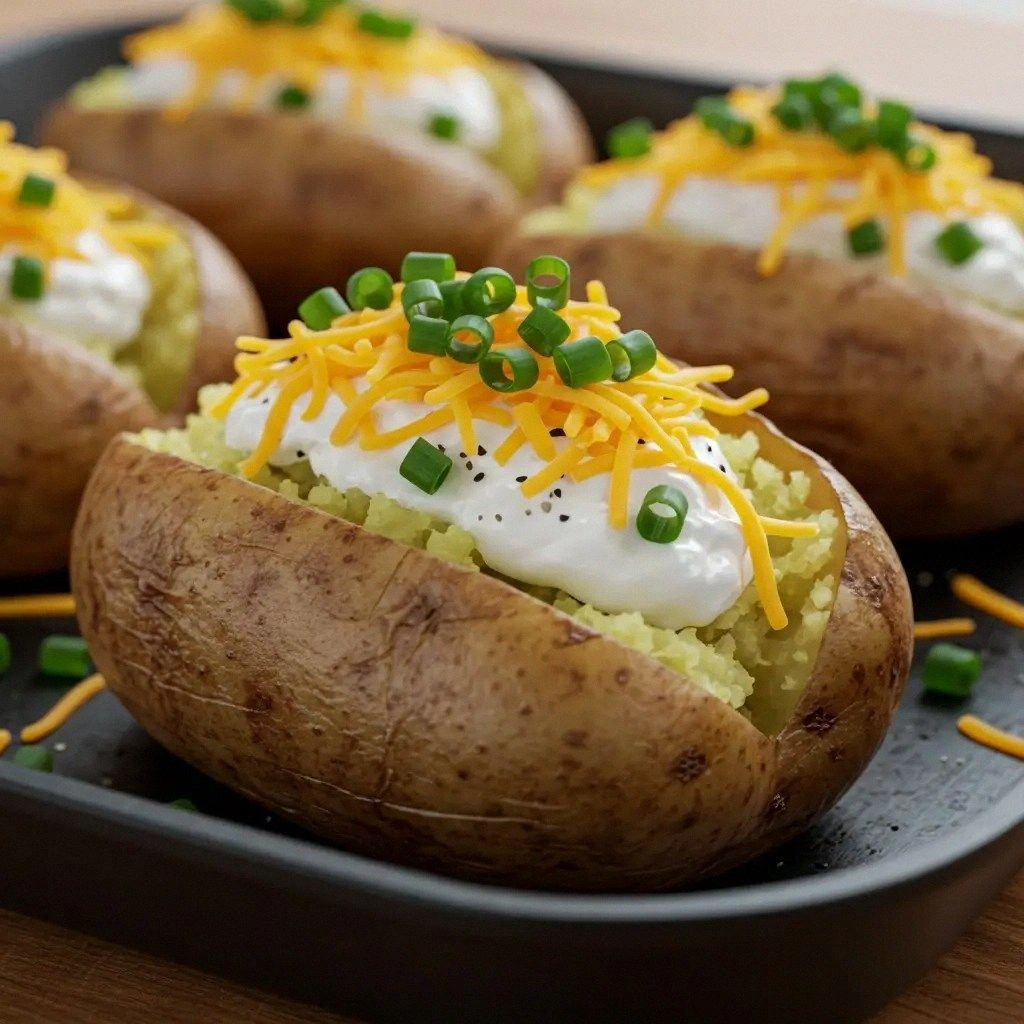
The Method — Step by Step
- Preheat your oven to 425°F (220°C). While the oven heats, wash the russet potatoes thoroughly, scrubbing away any dirt. Pat them dry with a clean towel, then use a fork to poke a few holes across each potato. This step prevents steam buildup and keeps the skins from blistering too hard.
- Brush each potato with a thin layer of olive oil, ensuring every crevice is coated. Sprinkle sea salt and a pinch of black pepper over the oil. The oil not only promotes a golden crust but also helps the salt adhere, giving the skin a savory crunch.
- Place the potatoes directly on the middle oven rack. Baking them on the rack allows hot air to circulate, ensuring even cooking. Bake for 35 minutes, then flip each potato and bake for an additional 10-15 minutes until the skins are blistered and the insides are tender.
- Remove the potatoes from the oven and let them cool for 5 minutes. This pause allows the steam inside to settle, preventing soggy bottoms. Slice each potato lengthwise, then gently press the ends to open the halves like a book.
- In a small saucepan, melt the butter over medium heat. Add the garlic powder, onion powder, and smoked paprika, stirring until the spices bloom—about 30 seconds. Remove from heat and whisk in the shredded cheddar until it melts into a smooth sauce.
- Spoon the melted cheese sauce into the center of each potato half, spreading it evenly. The heat from the potato will melt the cheese further, creating a velvety coating that clings to every crevice.
- Top the cheese with a generous dollop of sour cream, then scatter the crumbled bacon, diced tomatoes, and chopped chives over the surface. The combination of creamy, salty, and fresh elements creates a symphony of flavors.
- Serve immediately while the cheese is still gooey and the skins are crisp. If you prefer a slightly firmer cheese layer, place the topped potatoes back in the oven for 3-4 minutes under a low broiler until the cheese turns a golden brown.
That's it — you did it. But hold on, I've got a few more tricks that'll take this to another level...
Insider Tricks for Flawless Results
The Temperature Rule Nobody Follows
Many cooks bake potatoes at 400°F, but raising the temperature to 425°F (220°C) creates a blistered skin that locks in moisture. The higher heat also ensures the interior cooks faster, reducing overall time. If your oven runs hot, lower the temperature by 25°F to avoid burning the skins.
Why Your Nose Knows Best
Smell the potato as it bakes; a sweet, earthy aroma signals that the starches are caramelizing. If you detect a sharp, burnt scent, it’s time to lower the heat or remove the potato. Your nose can catch subtle cues that the timer might miss.
The 5-Minute Rest That Changes Everything
Letting the potatoes rest for 5 minutes after baking allows the steam to settle, preventing soggy bottoms. This short pause also lets the flavors meld, making the cheese sauce cling better to the potato. Skip this step, and you’ll end up with a less cohesive dish.
Bacon: The Crunchy Counterpoint
Crisping bacon to 50% of its original volume before crumbling gives the perfect crunch without excess grease. If you’re vegan, substitute with crispy fried onions or toasted nuts for a similar texture. The key is a crisp, salty bite that contrasts the creamy layers.
The Final Touch of Freshness
Finish each potato with a sprinkle of fresh chives right before serving. The bright green garnish adds a pop of color and a burst of herbal aroma that elevates the dish. If you’re short on time, a quick squeeze of lemon over the top can provide a similar freshness.
Creative Twists and Variations
This recipe is a playground. Here are some of my favorite ways to switch things up:
Mediterranean Medley
Swap the cheddar for feta and add kalamata olives, diced cucumber, and a drizzle of tzatziki. The tangy feta and cool cucumber provide a refreshing contrast that transports you to the Mediterranean coast.
Mexican Fiesta
Replace the sour cream with a dollop of guacamole, sprinkle shredded pepper jack cheese, and top with fresh cilantro, diced red onion, and a squeeze of lime. The bold, spicy flavors make this version a fiesta in every bite.
Vegan Delight
Use a plant‑based cheese alternative and coconut yogurt instead of sour cream. Add sautéed spinach and nutritional yeast for a cheesy, savory finish. This version keeps the creamy texture while staying plant‑based.
Breakfast Boost
Top the potatoes with a fried egg, a sprinkle of chives, and a dash of hot sauce. The runny yolk creates a rich, velvety coating that makes this dish a hearty breakfast or brunch option.
Gluten‑Free Option
Serve the potatoes with a side of quinoa or a gluten‑free grain salad. The potatoes’ natural gluten‑free profile pairs well with any grain, ensuring a balanced meal for those with dietary restrictions.
Storing and Bringing It Back to Life
Fridge Storage
Store leftovers in an airtight container for up to 3 days. Keep the toppings separate from the potato halves to preserve crispness. Reheat in a preheated oven at 350°F (175°C) for 10 minutes, then add fresh toppings before serving.
Freezer Friendly
Wrap each potato half individually in foil and freeze for up to 2 months. Thaw overnight in the refrigerator, then reheat in the oven at 350°F (175°C) for 15 minutes. Add fresh sour cream and chives after thawing.
Best Reheating Method
Reheat in a microwave on high for 2 minutes, then transfer to a skillet with a splash of water to steam the potato. This method restores moisture and prevents the potato from drying out.