I was halfway through a Sunday roast, the kitchen smelling like a smoky dream, when my phone buzzed with a friend’s dare: “Make the most unforgettable steak tonight.” I laughed, rolled up my sleeves, and pulled out a ribeye that had been sitting in the fridge for a week, its marbling like a promise. That night, I discovered a sauce that turned the steak into a velvet‑smooth, tangy masterpiece that made my taste buds do a little cha‑cha. I’m still convinced that the moment the steak hit the grill was the beginning of a culinary revolution, and I’ve been raving about it ever since. If you’re ready for a dish that will have your friends asking for seconds, keep reading.
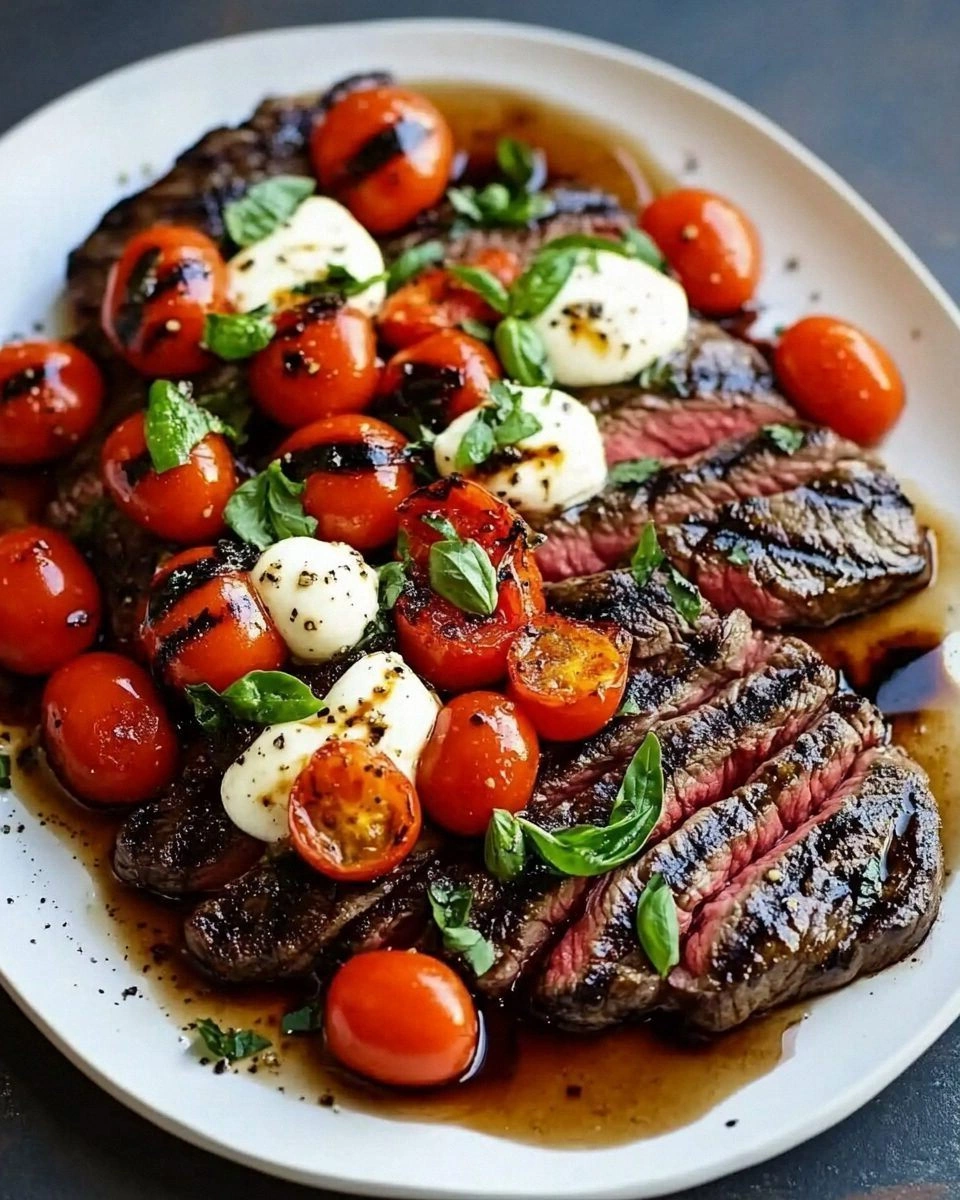
Picture this: the grill sizzles, the steak’s surface caramelizes into a glossy crust, and the air fills with the aroma of roasted garlic and balsamic vinegar. The first bite is a symphony—juicy beef, creamy mozzarella, fresh tomato, and basil that bursts like a green confetti. The balsamic glaze coats each slice like a glossy, slightly sweet lacquer, while the peppercorns add a subtle kick that keeps the flavors dancing. This isn’t just a meal; it’s a conversation starter that will leave everyone begging for a plate. I dare you to taste this and not go back for seconds.
Most steak recipes are either plain or over‑marinated, but this version balances boldness with elegance. The key lies in the quick glaze that infuses the steak with depth without overpowering its natural flavor. The mozzarella doesn’t melt into the meat; it stays distinct, creating a contrast that’s both creamy and airy. The basil adds a fresh lift, while the tomato’s acidity cuts through the richness, leaving a clean finish on the palate. This dish is hands down the best version you’ll ever make at home, and I’m here to show you how to achieve it.
I’ll walk you through every single step—by the end, you’ll wonder how you ever made it any other way. From selecting the right cut of steak to mastering the glaze, every detail matters. And the best part? It’s surprisingly quick, so you can impress guests without a lot of prep time. Let’s dive into the ingredients first, then we’ll move on to the magic that happens on the grill. And trust me, you’ll want to keep the kitchen hacks handy; they’ll save you time and prevent the most common pitfalls.
What Makes This Version Stand Out
- Taste: The balsamic glaze adds a sweet, tangy depth that complements the beef’s natural umami, turning each bite into a flavor explosion.
- Texture: A perfect crust meets a melt‑in‑your‑mouth interior, while the mozzarella adds a creamy layer that balances the steak’s chewiness.
- Simple Technique: No complicated marinades or multi‑step processes—just a quick glaze and a few minutes on the grill.
- Unique Twist: The Caprese elements (mozzarella, basil, tomato) transform a classic steak into a dish that feels both indulgent and fresh.
- Crowd‑pleaser: The dish is visually stunning and universally loved, making it a hit at family dinners or dinner parties.
- Ingredient Quality: Using high‑quality balsamic vinegar and fresh mozzarella elevates the dish from good to unforgettable.
- Cooking Method: The grill’s char and the glaze’s caramelization create a flavor profile that’s impossible to replicate on a stovetop.
- Make‑Ahead Potential: The glaze can be prepared in advance, and the steak can be rested ahead, saving you time when you’re ready to serve.
Alright, let's break down exactly what goes into this masterpiece. And while you're at it, grab a kitchen hack or two to make the process even smoother.
Inside the Ingredient List
The Flavor Base
Balsamic vinegar is the star of the show, providing a sweet acidity that cuts through the richness of the steak. It also caramelizes during grilling, creating a glossy sheen that’s both beautiful and mouth‑watering. Skipping it would leave the dish flat and lacking that signature tang. If you’re short on balsamic, try a good quality red wine vinegar, but the flavor will be noticeably lighter.
The Texture Crew
Fresh mozzarella is essential for that creamy, slightly chewy contrast. It stays distinct on the plate, so you can taste the cheese separately from the steak. If mozzarella is unavailable, provolone or a mild cheddar can work, but the melt will be different. The tomato adds juiciness and a subtle sweetness that balances the savory notes.
The Unexpected Star
Basil isn’t just a garnish; it’s a flavor enhancer that adds brightness. The fresh leaves release essential oils when they’re torn, giving the dish a fragrant aroma that’s impossible to resist. If you’re out of basil, try fresh oregano or a pinch of dried thyme, though the freshness will be less pronounced.
The Final Flourish
Grated Parmesan adds a nutty, salty finish that ties everything together. It melts slightly on the hot steak, creating a subtle crust that’s both crunchy and flavorful. A splash of extra virgin olive oil before serving adds a silky sheen and rounds off the dish. If you’re watching calories, you can skip the Parmesan and still enjoy a delicious result.
Everything’s prepped? Good. Let’s get into the real action.
The Method — Step by Step
- Step 1: Prep the Steak – Pat the ribeye steaks dry with paper towels; this helps create a better sear. Season generously with salt and pepper on both sides, letting the seasoning penetrate for at least 15 minutes. If you’re in a hurry, sprinkle a pinch of salt right before grilling, but the flavor will be less robust.
- Step 2: Make the Glaze – In a small bowl, whisk together balsamic vinegar, olive oil, and minced garlic until the mixture is smooth. This step is crucial; a lumpy glaze will result in uneven flavor distribution. Keep the glaze on the side for later.
- Step 3: Preheat the Grill – Heat your grill to high (about 450°F). Let it burn off any flare‑up and bring the temperature to a steady, hot surface. The grill should be clean and lightly oiled to prevent sticking.
- Step 4: Grill the Steak – Place the steaks on the grill and sear for 3 minutes on each side for medium‑rare. Watch for the sizzling sound; that’s your cue that the crust is forming. For a medium finish, add an extra minute per side.
- Step 5: Brush the Glaze – After the first side, brush a generous amount of the balsamic glaze onto the steak. The glaze will caramelize, forming a shiny coating that adds flavor and visual appeal. Keep an eye on the glaze; it can burn quickly if the heat is too high.
- Step 6: Finish Grilling – Flip the steak, brush more glaze, and continue grilling for another 3–4 minutes until the internal temperature reaches 130°F for medium‑rare. Use a meat thermometer for precision; this guarantees a juicy, perfectly cooked steak.
- Step 7: Rest the Steak – Remove the steak from the grill and let it rest on a cutting board for 5 minutes. Resting allows the juices to redistribute, ensuring each bite is moist and tender. Cover loosely with foil to keep it warm.
- Step 8: Assemble the Plate – Slice the steak into thick medallions, then arrange tomato slices, mozzarella, and basil leaves around it. Drizzle the remaining glaze over the entire plate, and finish with a sprinkle of grated Parmesan. The final touch is a light drizzle of extra virgin olive oil to add shine.
- Step 9: Serve Immediately – Plate the steak on a warm platter and serve with crusty bread or a light salad. The dish is best enjoyed fresh, while the steak is still juicy and the basil aromatic.
That's it — you did it. But hold on, I've got a few more tricks that'll take this to another level. Let’s dive into some insider tips that will make your steak shine like never before.
Insider Tricks for Flawless Results
The Temperature Rule Nobody Follows
Most cooks guess the grill temperature, but a precise heat range of 450°F ensures a perfect crust without overcooking the interior. Use a grill thermometer to monitor the temperature accurately. If the grill runs hot, move the steak to a cooler zone for the final minutes.
Why Your Nose Knows Best
The aroma of sizzling steak is a reliable indicator of doneness. When the scent is rich, buttery, and slightly sweet, the steak is close to done. Trust your nose; it’s a seasoned chef’s secret weapon.
The 5-Minute Rest That Changes Everything
Resting the steak for exactly five minutes is a game‑changer. It lets the juices redistribute and the flavors meld. Skipping this step leaves the steak dry and less flavorful.
Use a Meat Thermometer, Not a Timer
Relying on time alone can lead to overcooking. A digital thermometer gives you real-time data, ensuring the steak hits the perfect 130°F for medium‑rare. If you’re a fan of medium, aim for 140°F.
Glaze Timing Is Key
Brushing the glaze too early can cause it to burn; too late and it won’t stick. The sweet moment is right after the first sear, when the steak’s surface is slightly moist. This timing locks in the flavor and creates a glossy finish.
Creative Twists and Variations
This recipe is a playground. Here are some of my favorite ways to switch things up:
Mediterranean Marinade
Swap the balsamic glaze for a mixture of olive oil, lemon zest, and oregano. This gives the steak a bright, citrusy kick that pairs well with feta cheese and olives.
Spicy Sriracha Glaze
Add a tablespoon of sriracha to the glaze for heat. The spice balances the sweetness of the balsamic and adds a smoky depth to the dish.
Cheddar & Caramelized Onions
Replace mozzarella with sharp cheddar and top the steak with caramelized onions. The sweetness of the onions and the sharpness of the cheddar create a bold, comforting flavor.
Smoked Paprika & Pine Nuts
Dust the steak with smoked paprika before grilling and sprinkle toasted pine nuts on top after serving. The smoky flavor and crunchy nuts add an unexpected textural contrast.
Herb‑Infused Butter
Instead of olive oil, melt butter with fresh thyme and parsley. Brush this on the steak for a luxurious, aromatic finish that rivals a fine dining experience.
Roasted Red Pepper Sauce
Blend roasted red peppers with garlic and a splash of balsamic to create a vibrant sauce. Drizzle it over the steak for a sweet, smoky flavor that’s surprisingly light.
Storing and Bringing It Back to Life
Fridge Storage
Store any leftovers in an airtight container in the refrigerator for up to 3 days. Wrap the steak tightly in foil before refrigerating to preserve moisture. When you’re ready to reheat, let it sit at room temperature for 15 minutes to avoid overcooking.
Freezer Friendly
Freeze the steak in a freezer‑safe bag for up to 2 months. Thaw overnight in the refrigerator. Reheat gently in a skillet over low heat, adding a splash of water to keep it juicy.
Best Reheating Method
Reheat the steak in a preheated oven at 250°F, covering with foil to retain moisture. Add a tiny splash of water or broth before reheating; it steams the steak back to its original succulence. Serve immediately for the best flavor.