I was standing in my kitchen on a Tuesday night, staring at a half‑cooked bag of frozen shrimp and a sad, lonely steak that had been sitting in the fridge for three days. My roommate dared me to make something that would make our taste buds do a back‑flip, and I thought, “Why not combine the two into a single, unstoppable feast?” The result? A Cajun‑kissed shrimp‑and‑steak extravaganza that turned a simple weekday dinner into a celebration worthy of Mardi Mardi. I’ll be honest — I ate half the batch before anyone else got a chance to try it, and the only thing that stopped me was the faint hope that you’d get a bite.
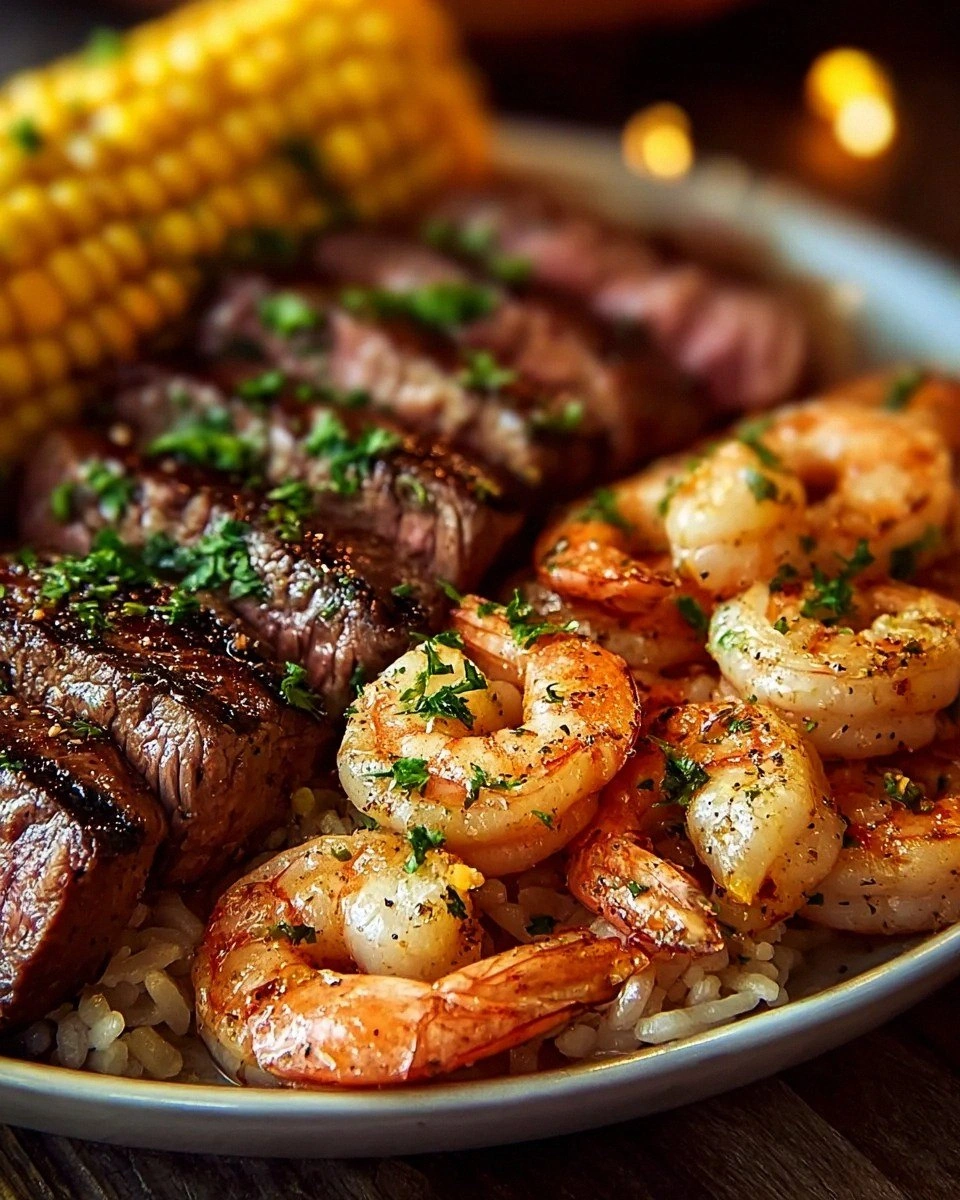
Picture this: the sizzle of hot oil hitting the pan, a cloud of smoky paprika and garlic swirling around like a culinary tornado, and the bright colors of bell pepper, celery, and green onions popping against the deep, caramelized crust of steak cubes. The aroma alone is enough to make the whole apartment feel like a New Orleans jazz club at midnight, with the low‑key hum of a bass line you can almost taste. When you finally pull the skillet away from the heat, the steam rises, carrying a promise of buttery, slightly crunchy shrimp that snap open with a pop, and steak that’s still juicy in the center. It’s a sensory overload that makes you want to hug the pot and then devour everything in it.
What makes this version truly stand out is a tiny, seemingly insignificant step: I toss the steak and shrimp in a light coating of oil and Cajun seasoning **before** they hit the pan, letting the spices cling like a second skin. Most recipes dump everything in a hot skillet and hope for the best, but that leads to uneven seasoning and a soggy texture. By pre‑seasoning, you get a crust that’s crisp on the outside and still tender inside, and the flavors stay locked in, not lost to the pan. I also add a splash of fresh green onions at the end, which injects a burst of brightness that cuts through the heat, making each bite feel balanced rather than just hot and heavy.
I dare you to taste this and not go back for seconds. This is hands down the best version you’ll ever make at home, and I’m about to walk you through every single step — by the end, you’ll wonder how you ever made it any other way. Okay, ready for the game‑changer? Let’s dive in.
What Makes This Version Stand Out
- Flavor Explosion: The blend of Cajun seasoning, garlic powder, and onion powder creates layers that build with each bite, delivering a smoky heat that never overwhelms.
- Texture Harmony: Tender shrimp paired with perfectly seared steak cubes give you a satisfying snap followed by a melt‑in‑your‑mouth chew.
- Simplicity: Only a handful of pantry staples are needed, and the entire dish comes together in under an hour.
- Unique Twist: Pre‑coating the proteins in oil and seasoning locks in flavor and prevents the dreaded “steak‑sog” that ruins many stovetop recipes.
- Crowd‑Pleaser: The bright vegetables add color and crunch, making it Instagram‑ready and irresistible at any dinner party.
- Ingredient Quality: Using fresh, high‑quality shrimp and a well‑marbled sirloin ensures each bite is juicy and flavorful.
- Cooking Method: A single‑pan skillet technique saves cleanup while still delivering that coveted restaurant‑style sear.
- Make‑Ahead Potential: You can prep the veggies and seasoning mix ahead of time, then finish the dish in minutes when hunger strikes.
Inside the Ingredient List
The Flavor Base
Cajun seasoning is the heart of this dish, delivering that signature smoky, peppery heat. It’s a blend of paprika, cayenne, garlic, and herbs that, when combined with garlic powder and onion powder, creates a depth that feels both rustic and refined. If you skip the Cajun blend, you’ll end up with a bland, one‑dimensional dish that lacks the signature Southern kick. For a milder version, start with half the Cajun amount and add a pinch of smoked paprika later to keep the flavor profile intact.
The Texture Crew
Sirloin steak, cut into 1‑inch cubes, offers a perfect balance of tenderness and chew. The key is to pick a piece with a good amount of marbling; the fat renders during cooking, keeping the meat juicy. Large shrimp, peeled and deveined, provide a quick‑cooking protein that stays firm when not overcooked. The combination of the two creates a delightful contrast: the steak’s robust bite against the shrimp’s delicate snap.
The Unexpected Star
A tablespoon of olive oil, divided, does more than prevent sticking. The first half coats the proteins before they hit the pan, ensuring the seasoning adheres like a second skin. The second half is added to the skillet, creating a thin, shimmering layer that helps achieve that coveted caramelized crust. If you run low on olive oil, a neutral oil with a high smoke point (like grapeseed) works just as well.
The Final Flourish
Chopped bell pepper, celery, and green onions add crunch, sweetness, and a fresh bite that cuts through the richness of the meat. They also bring a splash of color that makes the dish look as good as it tastes. If you’re missing any of these, you can substitute with sliced carrots, zucchini, or even a handful of frozen peas—just remember to adjust cooking time so they stay crisp.
Everything's prepped? Good. Let's get into the real action...
The Method — Step by Step
First, pat the shrimp and steak cubes dry with paper towels. Moisture is the enemy of a good sear, and you’ll hear that satisfying sizzle the moment the meat meets the pan. Toss the steak cubes in a bowl with half the olive oil, half the Cajun seasoning, garlic powder, and onion powder. Coat them thoroughly, then set aside while you do the same with the shrimp using the remaining oil and seasoning. This pre‑seasoning step is pure magic; it creates a flavor crust that locks in juices.
Kitchen Hack: Use a large zip‑lock bag for the seasoning step – it distributes the spices evenly and saves you from a messy bowl.Heat a large cast‑iron skillet over medium‑high heat until it’s hot enough that a drop of water sizzles and evaporates instantly. Add a splash of oil (about a teaspoon) to the pan; it should shimmer but not smoke. When the oil is ready, add the steak cubes in a single layer, making sure not to crowd the pan. Let them sear undisturbed for about 2‑3 minutes; you’ll see the edges start to brown and pull away from the pan – that’s the sign of a perfect crust forming.
Watch Out: If you keep moving the steak, you’ll steam it instead of searing it, resulting in a gray, flavorless piece.Once the steak has a deep, caramelized color on one side, flip the cubes and add the shrimp to the same pan. The shrimp should hit the pan and immediately start to pop and curl. Cook for about 1‑2 minutes per side, just until they turn pink and opaque. The shrimp cooks fast; overcooking makes them rubbery, which is a fate we’ll avoid at all costs.
Now, stir in the chopped bell pepper, celery, and green onions. These vegetables need only a brief sauté—about 2 minutes—so they stay crisp and vibrant. As they soften, they’ll release a sweet aroma that balances the heat from the Cajun spices. Taste the mixture; this is the moment to adjust salt and pepper, remembering that the seasoning on the meat already adds a good amount of salt.
If you’re serving this over rice or another grain, this is the perfect time to add a splash of broth or a drizzle of melted butter to the pan. It creates a light sauce that clings to every piece, turning the skillet into a flavor‑laden reservoir. Let everything simmer together for another minute, allowing the sauce to thicken just enough to coat the ingredients without becoming gloopy.
Turn off the heat and sprinkle a final handful of fresh green onions on top. Their bright, slightly oniony bite lifts the whole dish, giving it that fresh finish that makes the palate sing. Cover the skillet with a lid for about two minutes; the residual heat will finish cooking the shrimp and keep everything warm.
Serve the Cajun shrimp & steak feast over a bed of fluffy rice, quinoa, or even cauliflower rice if you’re watching carbs. Spoon the pan sauce over the top, making sure each bite gets a generous amount of that smoky, buttery glaze. Pair with a crisp white wine or a cold beer, and you’ve got a dinner that feels both comforting and celebratory.
And now the fun part: dig in. I dare you to try one bite and not think about seconds. The combination of textures, the heat that lingers just enough, and the fresh crunch of the veggies will have you reaching for the skillet again and again.
Insider Tricks for Flawless Results
The Temperature Rule Nobody Follows
Never start with a cold pan. Let your skillet heat up for at least 3 minutes on medium‑high before adding any oil. This ensures a quick sear and prevents the proteins from releasing too much moisture, which would steam them instead of browning. A hot pan also helps the Cajun spices bloom, releasing their aromatic oils for that irresistible fragrance.
Why Your Nose Knows Best
When the steak starts to turn a deep mahogany, that’s your cue that the crust is forming. Trust the scent; the aroma of toasted paprika and garlic is a reliable indicator that the seasoning has caramelized. If you rely solely on a timer, you might miss the perfect moment, and the meat could become overcooked.
The 5‑Minute Rest That Changes Everything
After you finish cooking, let the steak and shrimp rest for five minutes under a loose foil tent. This short pause allows the juices to redistribute, preventing them from spilling out onto the plate the moment you cut into a steak cube. The shrimp benefit too, staying plump and juicy instead of drying out.
Seasoning Layer Strategy
Instead of dumping all the Cajun seasoning at once, split it: half in the pre‑coat, half added with the vegetables. This creates a two‑stage flavor build‑up, giving the meat a deep base note while the veggies get a fresh, bright lift. A friend once tried skipping the second addition and reported a “flat” taste; don’t make that mistake.
The “Sauce Rescue” Trick
If the pan looks dry before you’re ready to serve, add a splash of low‑sodium chicken broth or a knob of butter. Stir quickly, and the sauce will emulsify, coating every piece with a glossy sheen. This is especially useful if you’re cooking for a crowd and need to keep the dish warm for a while.
Creative Twists and Variations
This recipe is a playground. Here are some of my favorite ways to switch things up:
Cajun‑Lemon Fusion
Add the zest and juice of one lemon during the final minute of cooking. The citrus brightens the heat, creating a tangy‑spicy balance that’s perfect for summer evenings.
Smoky Chipotle Version
Swap half of the Cajun seasoning for chipotle powder and a dash of liquid smoke. This gives the dish a deeper, smoky profile that pairs well with black beans and corn.
Garlic‑Butter Finish
Stir in two tablespoons of melted garlic‑infused butter right before serving. The butter adds richness and a silky mouthfeel that makes the dish feel indulgent.
Veggie‑Heavy Swap
Replace the steak with cubed firm tofu or tempeh for a vegetarian-friendly version. The tofu absorbs the Cajun flavors beautifully, and you’ll still get that satisfying bite.
Asian‑Inspired Twist
Add a splash of soy sauce, a drizzle of sesame oil, and a sprinkle of toasted sesame seeds during the final stir. This gives the dish an umami kick while retaining the original Cajun heat.
Storing and Bringing It Back to Life
Fridge Storage
Transfer leftovers to an airtight container and store in the refrigerator for up to three days. Keep the sauce separate if possible; this prevents the steak from becoming soggy.
Freezer Friendly
Cool the cooked mixture completely, then portion into freezer‑safe bags or containers. It will freeze well for up to two months. When ready to eat, thaw overnight in the fridge and reheat using the “sauce rescue” trick.
Best Reheating Method
Place the thawed or refrigerated leftovers in a skillet over medium heat, add a splash of water or broth, and cover for two minutes. The added moisture creates steam that revives the texture, making the shrimp and steak taste as fresh as the day you made them.