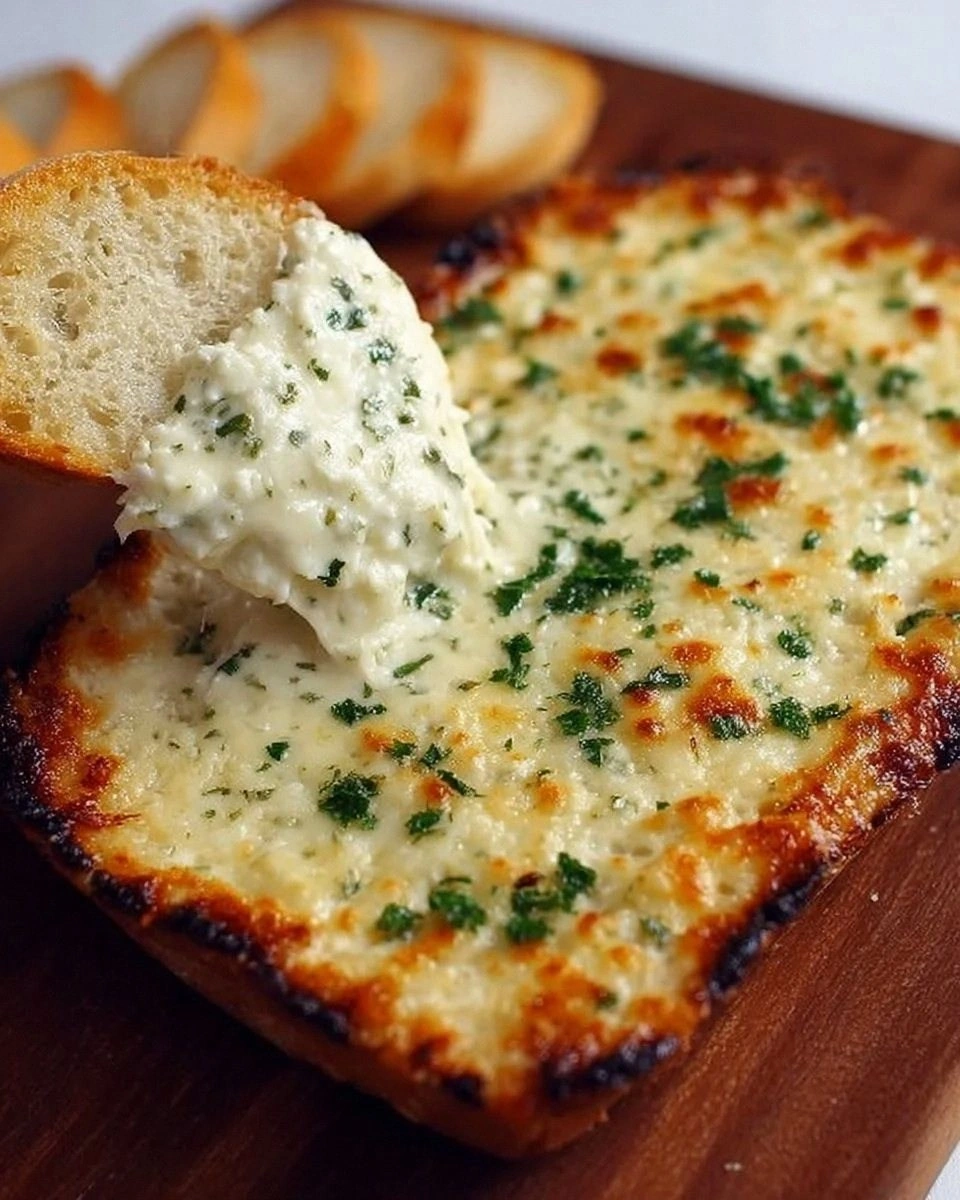
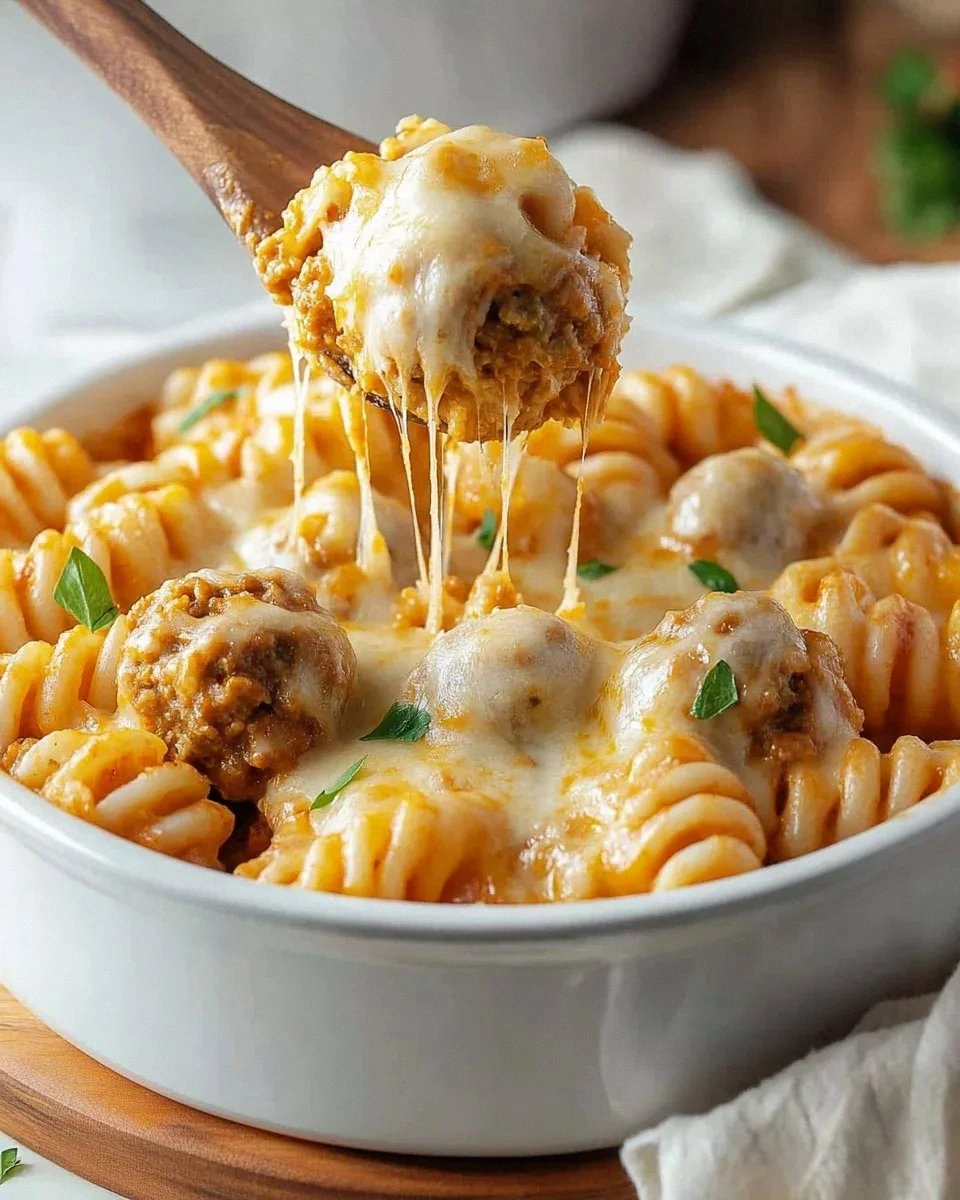
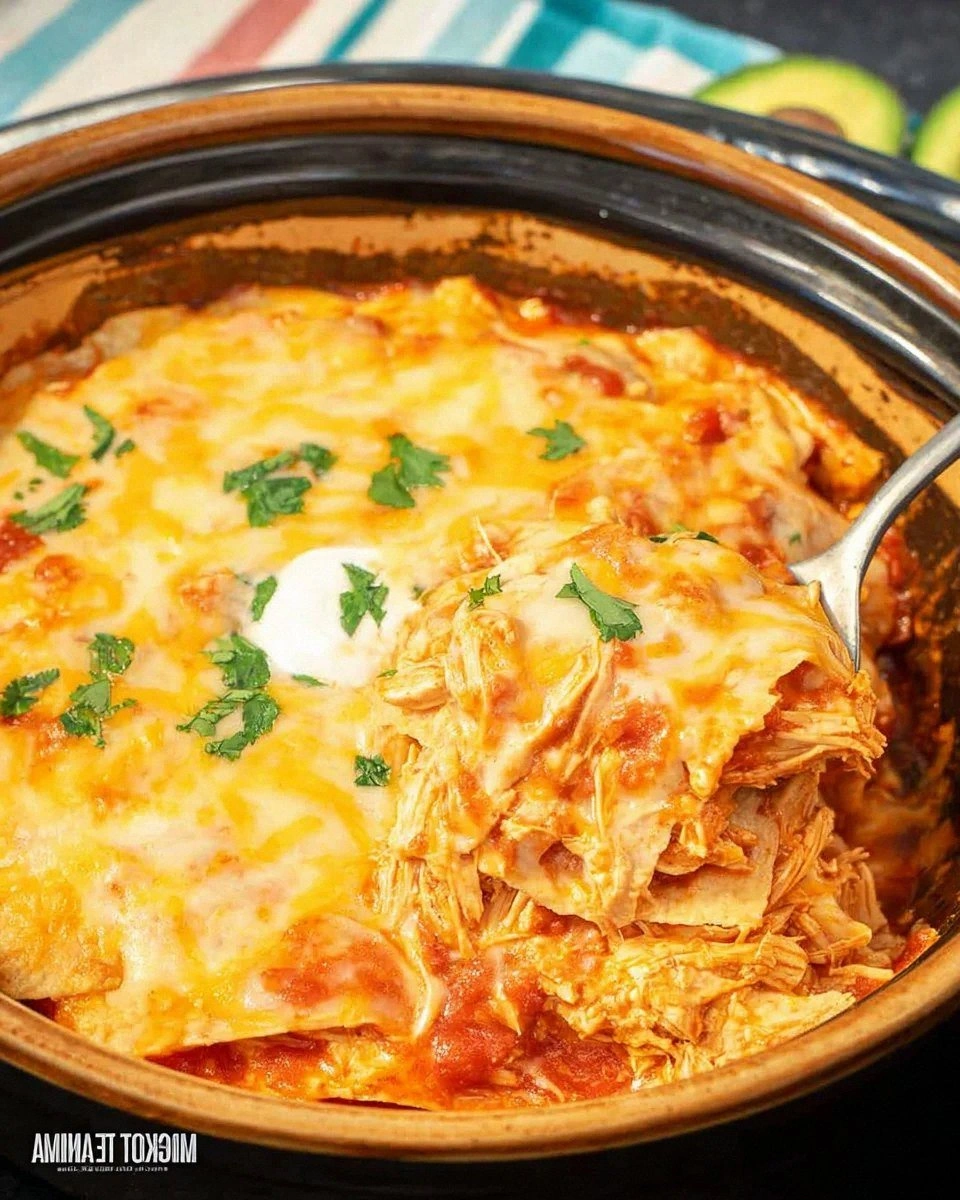
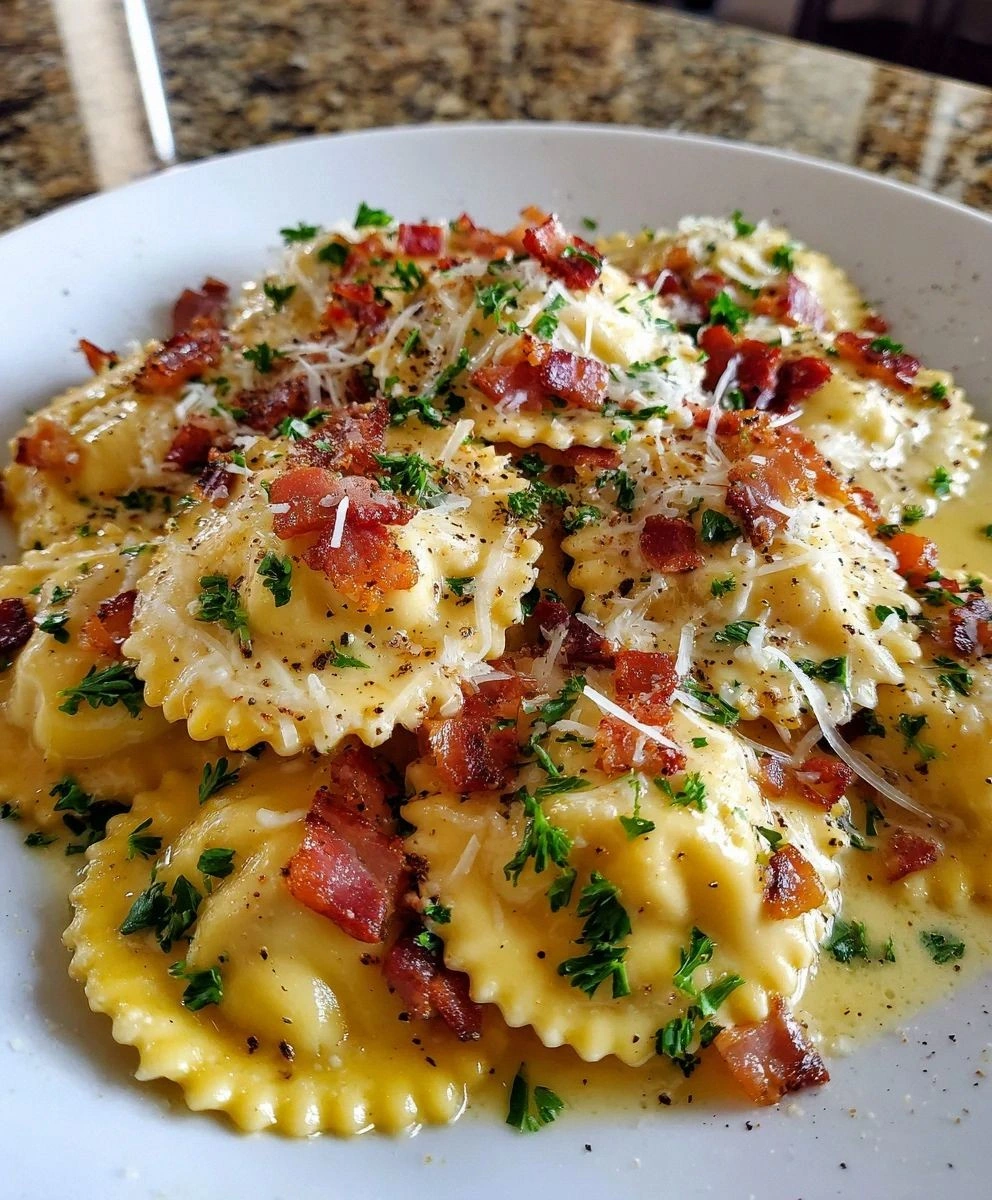
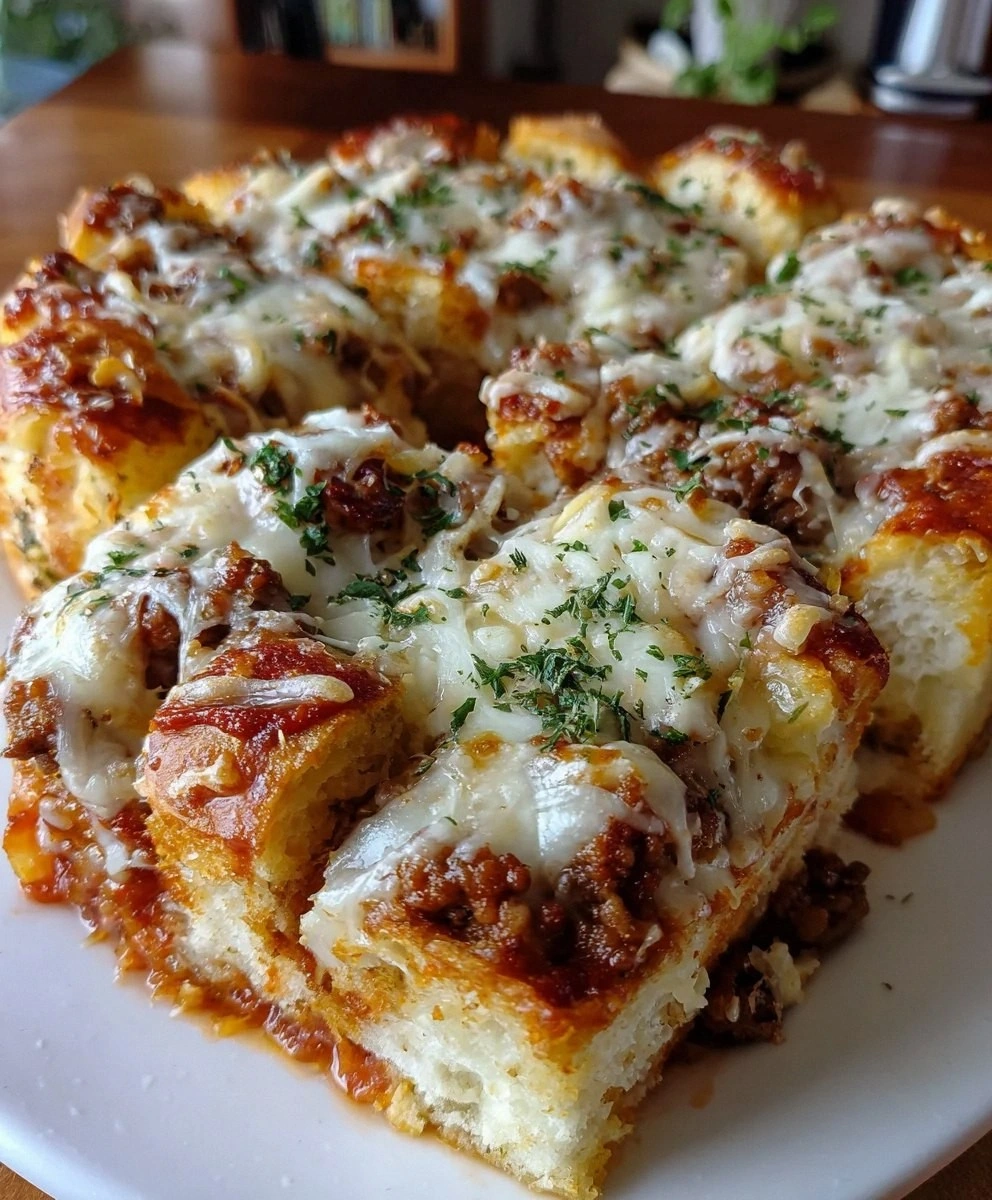
I burned dinner so badly last week that the smoke alarm started singing opera. True story. But that culinary catastrophe led me to create something so outrageously delicious that I'm almost grateful for my moment of kitchen shame. Picture this: all the glorious layers of lasagna, but instead of floppy noodles that always clump together like awkward teenagers at a school dance, we've got crispy-edged garlic bread cubes that act like tiny flavor sponges. And instead of waiting an hour for a massive casserole to bake, everything happens in one skillet in under thirty minutes. The first time I made this, I stood at the stove eating it straight from the pan with a wooden spoon because I physically could not wait to find a proper plate. My neighbor knocked on the door mid-bite, drawn by the smell wafting through the hallway, and I may have growled like a territorial raccoon. This Cheesy Garlic Bread Lasagna Skillet isn't just dinner — it's a full-contact sport for your taste buds.
Here's what makes this dish completely addictive: those bread cubes start off crisp and golden, then slowly soften in spots where they meet the marinara, creating this incredible textural contrast. You've got pockets of molten mozzarella that stretch like edible rubber bands, little nuggets of seasoned meat nestled in every bite, and the ricotta mixture that turns into these dreamy clouds of cheese. The garlic butter seeps into every crevice, so each forkful tastes like someone took the best part of garlic bread and married it to lasagna. I dare you to taste this and not go back for seconds. Actually, I dare you to taste this and not eat the entire skillet while standing over the stove pretending to "check if it needs more seasoning" for the fifth time.
Most recipes for skillet lasagna get this completely wrong. They either turn into a soupy mess that looks like pasta soup had an identity crisis, or they dry out into something resembling savory granola. The secret lies in the timing and the ratio of sauce to bread — too much and you've got garlic bread pudding (though honestly, I'd probably still eat that), too little and the bottom burns while the top stays cold. After seven attempts and one very patient family who agreed to be my taste testers, I cracked the code. The result? A dish that tastes like someone spent hours layering and baking, but actually comes together faster than ordering takeout. Picture yourself pulling this out of the oven, the whole kitchen smelling like an Italian grandmother's house, cheese bubbling like a miniature lava lake, and that first bite where the mozzarella stretches from pan to plate like you're filming a commercial.
Let me walk you through every single step — by the end, you'll wonder how you ever made it any other way. We'll start by transforming ordinary bread into garlic butter flavor bombs, move through building layers of meaty, cheesy goodness, and finish with techniques that ensure every bite delivers that perfect ratio of crispy, creamy, and gooey. Stay with me here — this is worth it.
What Makes This Version Stand Out
Speed Demon: Traditional lasagna is a commitment — like, "cancel your afternoon plans and maybe your evening too" level commitment. This skillet version goes from fridge to face-hole in 45 minutes flat, making it perfect for those "I want comfort food but also want to watch three episodes of my show tonight" situations. The magic happens because everything cooks together in one pan, so while your meat is browning, your garlic bread cubes are getting toasty, and your cheese is melting into that perfect gooey blanket.
Texture Paradise: Most lasagnas suffer from textural monotony — soft noodles, soft cheese, soft everything. Not here. You get crispy edges on the bread cubes that shatter like thin ice, giving way to soft, sauce-soaked centers. The top layer of mozzarella forms these golden bubbles that crack when you poke them, revealing the molten cheese underneath. It's like someone took everything good about the corner pieces of baked pasta and made the whole dish taste like that.
Garlic Bread Alchemy: Using garlic bread cubes instead of noodles isn't just a gimmick — it's a revelation. The butter and garlic from the bread infuse the entire dish, while the bread itself acts like little edible sponges that soak up the marinara and meat juices. Every bite tastes like someone stuffed garlic bread into lasagna, which honestly should be illegal in several states due to its addictive properties.
One-Pan Wonder: I don't know about you, but my dishwasher and I are in a toxic relationship where it never loads itself and I passive-aggressively leave dirty dishes in the sink. This recipe saves that relationship by using exactly one skillet. Everything happens in the same pan, which means fewer dishes and more time for important activities like eating this straight from the stove while it's too hot and burns your tongue in the best way.
Customizable Canvas: Vegetarian? Swap the meat for mushrooms and zucchini. Feeding growing teenagers? Double the meat and add extra cheese. Watching your dairy intake? Use plant-based cheese and coconut cream in the ricotta mixture. The base recipe is bulletproof, so you can play mad scientist without fear of creating something inedible. I've tried seven variations and never created anything that didn't disappear within minutes.
Leftover Legend: Here's what nobody tells you about this dish — it's actually better the next day. The flavors meld together like they've been attending team-building retreats, and the bread cubes absorb just enough sauce to become these incredible flavor packets. I make double batches just so I can eat cold leftovers for breakfast standing in front of the fridge like a sophisticated cave person.
Inside the Ingredient List
The Flavor Foundation
The bread you choose here matters more than you think. A crusty baguette gives you maximum crunch-to-soft ratio, while a softer Italian loaf creates more pillowy pockets. Either way, go for bread that's a day or two old — stale bread soaks up flavors like a sponge without turning to mush. The garlic butter isn't just there for flavor (though it absolutely delivers on that front); it creates a barrier that prevents the bread from getting soggy too quickly. Fresh garlic is non-negotiable — the jarred stuff tastes like disappointment and wet socks. Mince it fine so it distributes evenly and doesn't create any overpowering garlic bombs in individual bites.
The Texture Crew
Ground meat brings the protein and creates those little savory nuggets that make this feel like real food instead of just cheese and bread. I use a mix of beef and Italian sausage because the sausage already has seasonings built in, like nature's flavor packet. If you're using all beef, add a pinch of fennel seeds and some red pepper flakes to fake that sausage vibe. The onion isn't just filler — it melts down and creates these sweet pockets that balance the richness of all the dairy. Dice it small so it disappears into the sauce but still contributes its magic. Marinara sauce is your wildcard — use the good stuff and this dish tastes restaurant-quality, use the dollar store brand and it tastes like, well, dollar store lasagna. That sizzle when it hits the pan? Absolute perfection.
The Unexpected Star
Ricotta cheese is usually the boring part of lasagna — it's just there because tradition says we need it. But here, mixed with an egg and Parmesan, it becomes these creamy clouds that contrast beautifully with the crispy bread. The egg acts like culinary glue, keeping the ricotta from turning into watery white soup. Fresh parsley seems optional but trust me — it adds this bright, grassy note that cuts through all the richness like a flavor palette cleanser. Without it, the dish can feel heavy and one-note, like eating a cheese comforter.
The Final Flourish
Mozzarella is the drama queen of this dish — it melts into those Instagram-worthy cheese pulls that make people stop scrolling and start drooling. Buy the good stuff that comes in a ball, not the pre-shredded plastic bag variety that contains cellulose to prevent clumping. That cellulose also prevents smooth melting, leaving you with cheese that looks like it has dandruff. Parmesan adds that nutty, salty punch that makes everything taste more complex than it actually is. Grate it fresh — the powdered stuff in the green can has the flavor intensity of cardboard that's been left in a damp basement.
Everything's prepped? Good. Let's get into the real action...
The Method — Step by Step
- Start with your largest skillet — I'm talking the one you usually reserve for pancakes or when you're making bacon for a crowd. Melt the butter over medium heat and watch it like a hawk. When it stops foaming and starts to smell nutty, that's your cue to add the garlic. It should sizzle immediately but not brown — brown garlic turns bitter faster than your ex's attitude. Stir constantly for about thirty seconds, just until the garlic becomes fragrant and your kitchen smells like an Italian grandmother's hug. This is the moment of truth where you build the flavor foundation that will permeate every bite.
- Toss in your torn bread cubes and prepare for magic. They should immediately start soaking up that garlic butter like little flavor vampires. Keep them moving every thirty seconds or so — not constantly stirring, but giving them time to develop golden-brown spots before you flip them. You're looking for cubes that are crispy on the outside but still have a little give when you press them. This takes about 6-8 minutes, and don't walk away from the stove here. Burned garlic bread cubes taste like disappointment and regret, and there's no coming back from that.
- Push those golden garlic bread cubes to the edges of the pan and add your ground meat to the center. Break it up with a wooden spoon into bite-sized pieces — not too small, you want little nuggets, not gravel. Let it sit undisturbed for a full two minutes so it develops that beautiful brown crust. That's where the flavor lives. Flip and repeat until it's mostly cooked through with some crispy edges. If you're using sausage, watch for the moment it stops looking raw and starts looking like little meat jewels. Drain any excess fat, but leave about a teaspoon — it carries flavor and prevents sticking.
- Add your diced onion to the meat and cook until it turns translucent and starts to sweeten, about 4 minutes. The onion should soften but not brown — you're building a sweet foundation, not making caramelized onions. When the onion looks like it's crying (you'll see little droplets of moisture), it's time for the marinara. Pour it in slowly and watch how it immediately transforms from red sauce into something that smells like Sunday dinner. Add your oregano, salt, and pepper, then stir to combine everything into a glorious meaty sauce that coats the back of a spoon like velvet.
- While the sauce simmers, mix your ricotta with the egg, half the Parmesan, and the parsley in a bowl. The mixture should be thick but spreadable — like Greek yogurt that's been hitting the gym. Drop spoonfuls of this mixture across the surface of your meat sauce, then use the back of your spoon to gently spread it into an even layer. Don't mix it in — you want distinct layers that create different experiences in every bite. Some bites will be mostly ricotta, others mostly meat, and that's exactly what makes this exciting.
- Now for the cheese avalanche. Sprinkle the mozzarella evenly across the top — it should completely cover the ricotta like a delicious snowstorm. Add the remaining Parmesan over the mozzarella for that nutty, salty finish that makes the top layer complex and interesting. Cover the skillet with a lid and reduce heat to low. Let it cook for 8-10 minutes until the cheese melts into a gooey blanket and the edges start bubbling like a miniature cheese volcano. Resist the urge to lift the lid every thirty seconds — you're letting the cheese steam and melt evenly.
- Remove the lid and prepare for the reveal. The cheese should be completely melted with golden spots where it touched the hot skillet edges. If you want more browning, pop it under the broiler for 2-3 minutes, but watch it like a hawk — cheese goes from perfect to charcoal faster than you can say "domino's." Let it rest for 5 minutes before serving. I know, I know, you're starving and it smells like heaven, but those 5 minutes let the cheese set so you don't end up with a molten lava situation that burns off all your taste buds.
That's it — you did it. But hold on, I've got a few more tricks that'll take this to another level...
Insider Tricks for Flawless Results
The Temperature Rule Nobody Follows
Here's what separates good cooks from great ones: understanding that temperature is everything. If your pan is too hot when you add the garlic, it burns and turns bitter faster than you can say "I'll just scrape off the black parts." Too cold, and the bread cubes just sit there soaking up butter like sad little oil sponges. Medium heat is your sweet spot — hot enough to create those gorgeous golden edges on the bread, but gentle enough to let flavors develop without burning. Test your pan by dropping a single bread cube in — it should sizzle gently, not frantically. If it sounds like it's auditioning for a horror movie, turn down the heat and wait thirty seconds before continuing.
Why Your Nose Knows Best
I'll be honest — I ate half the batch before anyone else got to try it because I trusted my nose over my brain. When the garlic hits the butter, it should smell fragrant and slightly sweet, not sharp or acrid. When the meat browns, it should smell like the best burger joint in town, not like old pennies. And when everything comes together, it should smell like someone opened a little Italian restaurant in your kitchen. If at any point something smells off or too strong, trust that instinct and adjust. Add a pinch of sugar to combat bitterness, or splash in some water if things smell like they're burning. Your nose is smarter than you give it credit for — it's been evolutionarily perfected over millions of years to detect when food is delicious versus disastrous.
The 5-Minute Rest That Changes Everything
I know you're going to want to dig in immediately — I do every single time. But here's what happens during those excruciating 5 minutes of waiting: the cheese firms up just enough to create those Instagram-worthy cheese pulls, the sauce thickens and clings to the bread cubes instead of running all over your plate, and the temperature drops from "molten lava that will destroy your mouth" to "perfectly hot and comforting." A friend tried skipping this step once — let's just say it didn't end well. She burned her tongue so badly she couldn't taste anything for three days, which is basically a crime against food. Set a timer, walk away, and come back to a dish that's transformed from good to legendary.
The Cheese Pull Secret
You know those photos where cheese stretches from pan to plate like edible mozzarella taffy? That's not just luck — it's science and technique. Use low-moisture mozzarella (the kind that comes in a ball, not packed in water) and grate it yourself. Pre-shredded cheese contains cellulose that prevents clumping, which also prevents those epic cheese pulls. When you're ready to serve, use a spatula to lift from the bottom of the pan, not the top. The cheese on top is just the tip of the iceberg — the real stretchy action happens underneath where it's been melting into the sauce. And now the fun part: lift slowly and steadily, not quickly. Think of it like fishing — jerky movements break the line, smooth movements bring home the trophy.
Creative Twists and Variations
This recipe is a playground. Here are some of my favorite ways to switch things up:
The Spicy Southern Italian
Add a teaspoon of Calabrian chili paste to the garlic butter and swap the ground beef for hot Italian sausage. The chili paste brings this smoky, fruity heat that builds slowly instead of hitting you over the head. Top with fresh basil instead of parsley for an extra layer of Italian herbs. This version pairs perfectly with a cold beer and a sense of adventure. If you can't find Calabrian chilis, use crushed red pepper but add it to the oil before the garlic — toasting the flakes brings out their flavor instead of just their heat.
The Green Goddess Version
Stir a cup of chopped spinach and a handful of fresh basil into the ricotta mixture. The spinach wilts down to nothing but adds nutrients and a beautiful green marbling throughout the white cheese. Use half mozzarella and half fontina for a more sophisticated, nuttier flavor profile. This variation tastes like springtime in Italy and makes you feel slightly less guilty about eating what is essentially cheese and bread for dinner. My vegetarian friends go crazy for this version — it's hearty enough that even meat-lovers don't miss the beef.
The Breakfast Lasagna Skillet
Add six beaten eggs to the ricotta mixture and swap the marinara for salsa. Use chorizo instead of ground beef and pepper jack instead of mozzarella. Serve with avocado on top and you've got what I like to call "hangover medicine." The eggs set into this custardy layer that makes the whole thing taste like the world's most indulgent breakfast casserole. It's perfect for brunch when you want to impress people but also want something that will stick to their ribs until dinner.
The Truffle Shuffle
Drizzle a teaspoon of white truffle oil over the top right before serving and mix a tablespoon of truffle paste into the ricotta. Use a mix of mozzarella and fontina for maximum meltiness. This version tastes like you paid thirty dollars for it at a fancy restaurant, but you made it in your pajamas while watching Netflix. A little truffle oil goes a long way — too much and it tastes like you're eating a forest floor, but just enough and it's like dining in a Italian castle.
The Mediterranean Vacation
Use ground lamb instead of beef and add a teaspoon each of cinnamon and allspice to the meat. Swap the marinara for crushed tomatoes with a tablespoon of honey. Use feta mixed with the mozzarella and add chopped fresh mint and dill to the ricotta. This version tastes like you're eating lasagna on a Greek island while wearing a white linen shirt and not worrying about anything except whether you want another glass of wine. The sweet spices with the lamb create this incredible depth that makes regular lasagna seem one-dimensional.
The Kid-Friendly Classic
Use ground chicken or turkey (they won't notice, I promise) and add a cup of finely chopped carrots and zucchini to the sauce. The vegetables disappear into the sauce but add sweetness and nutrition. Use mild cheese only and serve with garlic bread on the side for dipping. This is how I got my nephew to eat vegetables for an entire year before he figured out my scheme. The key is grating the vegetables so fine that they're undetectable — think vegetable ninja level of stealth.
Storing and Bringing It Back to Life
Fridge Storage
Leftovers (if you have any, which means you have more willpower than I do) will keep in an airtight container in the refrigerator for up to 4 days. The key is to let it cool completely before refrigerating — hot food in cold fridges creates condensation that makes everything soggy and sad. Store individual portions in separate containers so you're not reheating the whole batch every time you want a serving. The bread cubes will continue to absorb moisture, so each day it becomes more like a creamy, cheesy bread pudding. Day 3 leftovers are actually my favorite — they've reached peak flavor melding and the texture becomes this incredible spoonable comfort food.
Freezer Friendly
This dish freezes beautifully for up to 3 months, but there's a trick to keeping it from turning into a cheese iceberg. Undercook it by about 5 minutes — the cheese should be melted but not fully set. Let it cool completely, then portion into freezer-safe containers. When you reheat it, it will finish cooking instead of overcooking. Label everything with the date and what it is — future you will thank present you when you're digging through the freezer at midnight looking for something delicious. Thaw overnight in the refrigerator for best results, though I've been known to microwave-from-frozen in desperate times. It won't be quite as perfect, but it's still better than most takeout.
Best Reheating Method
Forget the microwave unless you enjoy rubbery cheese and bread with the texture of edible cardboard. Instead, add a splash of water to a skillet, add your portion, cover with a lid, and heat over medium-low for 5-7 minutes. The water creates steam that gently warms everything without drying it out, while the direct heat from the pan re-crisps the bottom. If you're reheating from frozen, double the water and cooking time. For oven reheating, wrap portions in foil with a tablespoon of water and bake at 350°F for 15-20 minutes. Add a tiny splash of water before reheating — it steams back to perfection and tastes almost as good as fresh. Almost. Let's be real — this is never going to taste as good as when you first made it, but it's still going to be better than 90% of meals you've eaten this week.