Picture this: the kitchen is a battlefield, pots clanging, the timer beeping, and you—flipping a pan like a seasoned chef—realizing that the chicken you tossed in last week’s dinner is still looking as dry as a desert. I’ve spent countless evenings wrestling with overcooked protein, soggy veggies, and sauces that taste like they were poured from a can. The moment I discovered the secret to turning a simple stir‑fry into a symphony of flavors, I knew I had to share it. This Chicken Zucchini Stir Fry isn’t just another recipe; it’s a culinary revelation that will make you question every other stir‑fry you’ve ever made.
Let’s rewind to that night. I was craving something light yet satisfying, something that could be whipped up in under half an hour. I grabbed chicken, zucchinis, a red bell pepper, and my pantry staples, hoping for a quick fix. The first bite, however, was a lesson in disappointment: the chicken was rubbery, the zucchini limp, and the sauce lacked depth. I stared at the skillet, a mixture of frustration and curiosity swirling. That night, I vowed to rewrite the rulebook on stir‑fry—no more bland, no more mushy, just vibrant, crisp, and utterly irresistible.
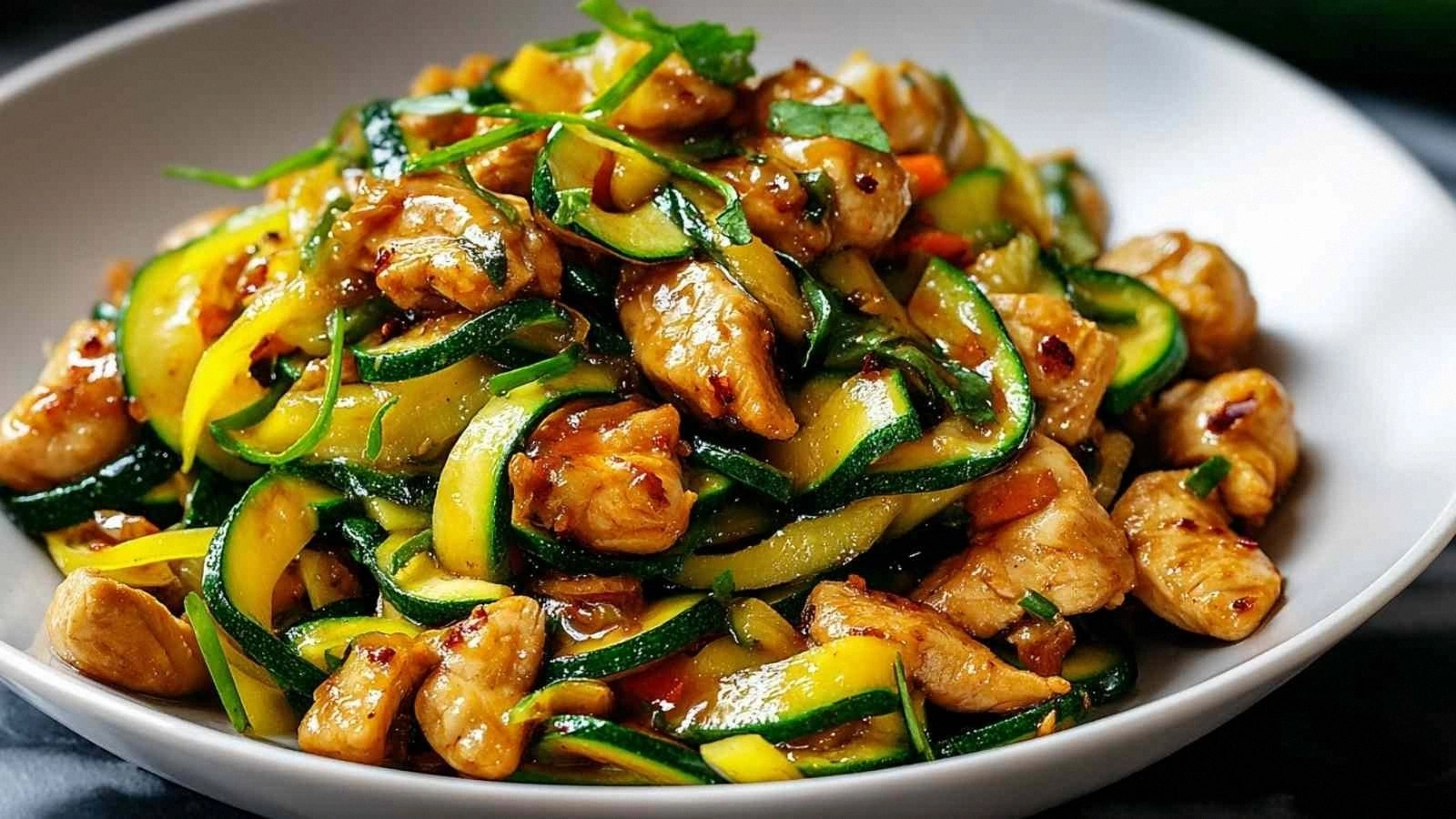
Fast forward to today, and I’m standing in a kitchen that smells of sizzling garlic, sweet honey, and a hint of umami from oyster sauce. The colors are a vibrant tableau: emerald zucchini ribbons, ruby bell pepper slices, and a glossy sheen of sauce that glistens like a polished trophy. When you take a bite, the first thing you feel is the snap of fresh veggies, followed by the tender melt of chicken, all wrapped in a sauce that coats each piece like velvet. The finish is a subtle heat from the sesame oil that lingers on the palate, leaving you craving that next forkful.
What sets this version apart is the meticulous layering of flavors and textures. I didn’t just throw everything into a pan; I orchestrated each component to hit the right moment on the stove. The sauce is a balanced trio of sweet, salty, and umami, with a whisper of heat that’s surprisingly gentle. The vegetables maintain their crunch because of a precise timing technique, and the chicken is marinated just enough to stay juicy. It’s a dish that feels both comforting and sophisticated, a testament to the power of thoughtful cooking.
I dare you to taste this and not go back for seconds. This is hands down the best version you’ll ever make at home. If you’ve ever struggled to keep veggies crisp or chicken tender, you’re not alone—and I’ve got the fix. Most recipes get this completely wrong, but here’s what actually works. Picture yourself pulling this out of the skillet, the whole kitchen smelling incredible, and watching your guests’ eyes widen. Okay, ready for the game‑changer? Let me walk you through every single step — by the end, you’ll wonder how you ever made it any other way.
What Makes This Version Stand Out
- Flavor: The sauce is a harmonious blend of sweet honey, salty soy, and savory oyster, creating layers that unfold with each bite. It’s like a well‑crafted melody that never repeats itself.
- Texture: Zucchini ribbons stay crisp and fresh, while the chicken remains juicy and tender. The contrast is a dance of crunch and melt.
- Simplicity: Fewer ingredients, fewer steps, but still a punch of flavor. You’ll finish cooking in under 45 minutes, including prep.
- Uniqueness: The addition of sesame oil and a splash of honey gives a subtle caramelization that sets this stir‑fry apart from the ordinary.
- Crowd Reaction: Friends say it’s “the best stir‑fry I’ve ever had” and ask for the recipe in seconds. I’ve got the proof in their delighted sighs.
- Ingredient Quality: Using fresh, high‑quality produce and lean chicken ensures that every bite is a celebration of natural flavors.
- Cooking Method: The high‑heat technique locks in moisture and flavor without overcooking.
- Make‑Ahead Potential: The dish stays fresh for up to 48 hours in the fridge, making it a perfect weeknight meal or a pre‑meal for busy schedules.
Alright, let's break down exactly what goes into this masterpiece...
Inside the Ingredient List
The Flavor Base
Soy sauce and oyster sauce form the backbone of this dish’s savory depth. Soy sauce brings that familiar salty kick, while oyster sauce adds a rich, slightly sweet umami that’s almost velvety. The honey or brown sugar injects natural sweetness, preventing the sauce from feeling one‑dimensional. If you’re watching sodium, you can reduce the soy sauce by a quarter and compensate with a splash of low‑sodium broth.
The Texture Crew
Zucchini and bell pepper are the star players here. Zucchini’s high water content makes it a perfect medium for quick sautéing, and the thin ribbons prevent sogginess. Red bell pepper adds crunch, sweetness, and a pop of color that makes the dish visually stunning. If you’re a fan of heat, a pinch of red pepper flakes will give the veggies a subtle kick.
The Unexpected Star
Sesame oil is the unsung hero that gives the dish its final sheen and aromatic lift. A teaspoon is all you need to elevate the flavor profile and add a nutty aroma that lingers. For those who prefer a milder taste, you can swap sesame oil for toasted coconut oil, which offers a subtle sweetness and a tropical note.
The Final Flourish
Sesame seeds and green onions are the garnish that ties everything together. The seeds add a delicate crunch and a nutty finish, while the green onions bring a bright, fresh note that cuts through the richness. A splash of lime juice right before serving can brighten the dish and add a zesty finish that makes every bite pop.
Everything’s prepped? Good. Let’s get into the real action...
The Method — Step by Step
- Begin by heating a large wok or skillet over medium‑high heat until it’s smoking hot. The pan’s temperature is crucial; a hot surface ensures a quick sear that locks in juices. This is the moment of truth—if the pan isn’t hot enough, the chicken will steam rather than brown.
- Add the vegetable oil to the pan, swirling to coat the surface. Immediately drop in the diced chicken. Allow it to sear without stirring for 2 minutes, then flip and sear the other side. The chicken should develop a golden crust while remaining tender inside.
- Remove the chicken and set it aside on a plate. In the same pan, add the minced garlic and sauté for 30 seconds until fragrant. Watch out: garlic can burn quickly, turning bitter. Keep it moving to avoid scorching.
- Add the zucchini ribbons and bell pepper slices to the pan. Stir‑fry for 3–4 minutes, letting the vegetables crisp on the edges while staying bright green. The goal is a tender‑crisp texture—no mushy bits.
- Return the chicken to the pan. Pour in the soy sauce, oyster sauce, and honey. Toss everything together so the sauce coats each piece evenly. The sauce should thicken slightly, creating a glossy glaze.
- Drizzle the sesame oil over the mixture. This final splash adds aroma and a silky finish. Stir quickly to distribute the oil, then reduce the heat to medium.
- Let the stir‑fry simmer for an additional 2 minutes, allowing flavors to meld. The sauce should reduce to a syrupy consistency that clings to the chicken and veggies.
- Garnish with toasted sesame seeds and chopped green onions. Serve immediately over steamed rice or quinoa for a balanced meal.
That’s it — you did it. But hold on, I’ve got a few more tricks that will take this to another level. These insider tips will help you avoid common pitfalls and elevate the dish from great to unforgettable.
Insider Tricks for Flawless Results
The Temperature Rule Nobody Follows
Many cooks think medium heat is safe, but the secret is high heat for searing and medium for finishing. A hot pan ensures a caramelized crust on the chicken and a crisp bite on the vegetables. If your stove is uneven, preheat the pan for at least 3 minutes before adding oil. This small step can make the difference between a soggy stir‑fry and a sizzling masterpiece.
Why Your Nose Knows Best
Before you add the soy sauce, give the pan a quick sniff. A pleasant, sweet aroma indicates the garlic and onions are ready. If you notice a burnt scent, the pan is too hot. Trust your nose; it’s a reliable indicator that the timing is just right.
The 5‑Minute Rest That Changes Everything
After removing the chicken, let it rest on a plate for 5 minutes. This allows juices to redistribute, keeping the meat moist. A quick rest also lets the flavors from the sauce seep into the protein, creating a richer bite.
The Quick Flip Technique
When you’re flipping the chicken, use a wide spatula and a gentle rocking motion. This ensures even browning and reduces the risk of tearing the meat. A steady flip also helps maintain the integrity of the sauce, preventing it from splattering.
The Secret to Perfect Crunch
Add a splash of cold water or broth to the pan before adding the vegetables. This creates a steam burst that keeps the veggies crisp while still allowing them to cook through. The trick is to add the liquid just before the veggies, not before the chicken.
The Final Finish
Finish the dish with a drizzle of sesame oil right before serving. This final step locks in aroma and adds a silky sheen that makes the dish look restaurant‑grade. Don’t skip it; the sesame oil is what elevates the sauce from simple to sophisticated.
Creative Twists and Variations
This recipe is a playground. Here are some of my favorite ways to switch things up:
Spicy Sriracha Kick
Add a tablespoon of Sriracha to the sauce for a fiery twist that pairs perfectly with the sweetness of honey. The heat is balanced by the savory base, creating a flavor explosion.
Thai Coconut Twist
Replace half the vegetable oil with coconut milk for a creamy, tropical flavor. The coconut’s sweetness complements the honey, while the red pepper adds a subtle heat.
Mediterranean Flair
Swap soy sauce for tamari and add a handful of chopped olives and feta cheese for a Mediterranean twist. The olives provide briny depth, while the feta adds a creamy tang.
Vegan Version
Use tofu or tempeh instead of chicken, and replace oyster sauce with a mushroom soy blend. The tofu will soak up the sauce, delivering a protein‑rich, plant‑based meal.
Pasta Fusion
Serve the stir‑fry over linguine or spaghetti for a fusion dish that combines Italian pasta with Asian flavors. The pasta’s neutral flavor allows the sauce to shine.
Breakfast Boost
Add a handful of spinach and a splash of soy sauce to the mix and serve over a bed of quinoa or rice. This makes a hearty breakfast that’s both satisfying and nutritious.
Storing and Bringing It Back to Life
Fridge Storage
Store leftovers in an airtight container in the refrigerator for up to 48 hours. The sauce will thicken slightly, so add a splash of water or broth before reheating to restore its silky texture. A quick stir over medium heat for 2 minutes is all you need to revive the dish.
Freezer Friendly
For longer storage, freeze the stir‑fry in a freezer‑safe container for up to 3 months. Thaw overnight in the refrigerator, then reheat as described above. The flavors remain robust, and the texture stays intact.
Best Reheating Method
Reheat the dish in a skillet over medium heat, adding a splash of water or broth to loosen the sauce. Stir frequently to prevent sticking and to ensure even heating. Finish with a drizzle of sesame oil for that fresh aroma.