I was standing in my kitchen on a rainy Tuesday, staring at a pot of bland broth that tasted like it had been filtered through a paper towel. My roommate walked in, sniffed the air, and said, “If this soup had a personality, it would be a wallflower at a party.” I laughed, tossed a handful of kale in, and thought, “Okay, let’s turn this wallflower into the life of the party.” That moment sparked a mad dash to the pantry, a frantic search for the perfect potatoes, and a daring experiment that would become the most unforgettable bowl of soup I’ve ever made. I dare you to taste this and not go back for seconds.
Picture this: the kitchen filled with the earthy perfume of sautéed onions, the gentle hiss of garlic hitting hot butter, and the bright green flash of kale leaves as they wilt into a silky embrace. The simmering pot looks like a calm lake, but underneath, potatoes are breaking down, releasing starch that thickens the broth into a velvety blanket. When you finally ladle it out, the steam rises like a warm hug, and the first spoonful coats your tongue with a creamy texture that whispers of comfort and boldness at the same time. My taste buds did a little dance, and I knew I had stumbled onto something magical.
Most recipes get this completely wrong. They either drown the kale in a dairy swamp or leave the potatoes undercooked, resulting in a soup that’s either mushy or oddly gritty. I’ve cracked the code by balancing the natural earthiness of kale with the buttery richness of a light cream, and by coaxing the potatoes to release just enough starch without turning the whole thing into a puree. The secret? A splash of cold water at the very end, which snaps the soup back to a perfect, glossy finish. This is hands down the best version you’ll ever make at home, and I’m about to spill every detail.
Let me walk you through every single step — by the end, you’ll wonder how you ever made it any other way. Okay, ready for the game-changer? We’ll start with a simple sauté that builds a flavor foundation deeper than a Netflix binge, then move on to a technique that keeps the kale bright and slightly crunchy. Trust me, the next part? Pure magic.
What Makes This Version Stand Out
- Flavor Fusion: The combination of caramelized onions, garlic, and a hint of smoked paprika creates a smoky undertone that makes the kale sing.
- Creamy Texture: By using a measured amount of cream and the starch from the potatoes, the soup achieves a silk‑smooth mouthfeel without feeling heavy.
- Bright Green Punch: Adding kale at the very end preserves its vibrant color and a slight bite, preventing the dreaded wilted‑leaf look.
- Simplicity: Only nine core ingredients are needed, all of which you probably already have in your pantry.
- Make‑Ahead Friendly: The soup tastes even better the next day, making it perfect for meal prep or a cozy weekend lunch.
- Crowd‑Pleaser: Even the pickiest eaters are won over by the subtle herb notes and the comforting creaminess.
- Health Boost: Kale delivers a powerhouse of vitamins A, C, and K, while potatoes add potassium and fiber.
- Versatile Base: This soup can be dressed up with crumbled bacon, toasted pumpkin seeds, or a drizzle of truffle oil for a gourmet twist.
Alright, let's break down exactly what goes into this masterpiece…
Inside the Ingredient List
The Flavor Base
Onions are the unsung heroes of any soup, providing a natural sweetness that deepens as they caramelize. I recommend using yellow onions because they have a balanced flavor that doesn’t overpower the kale. If you skip the onions, the soup will lack that foundational depth and feel flat. A quick swap: shallots work beautifully if you prefer a milder, more aromatic profile.
Garlic adds that unmistakable punch that makes you think, “That’s the good stuff.” Fresh cloves release a fragrant oil that infuses the broth within seconds of hitting the pan. If you’re out of fresh garlic, a teaspoon of garlic powder can stand in, but the flavor won’t be as vibrant. Look for garlic with tight, unblemished skins to ensure maximum freshness.
The Texture Crew
Starchy potatoes are the heart of the soup’s body. I use Yukon Golds for their buttery flavor and smooth melt‑away texture. Russets are fine if you prefer a fluffier consistency, but they can make the soup a bit grainy if not blended properly. When picking potatoes, choose firm ones without any green spots or sprouts.
Heavy cream is added at the end to give the soup its luxurious silk finish. You can substitute half‑and‑half for a lighter version, but the soup will lose a touch of richness. For dairy‑free lovers, coconut cream or cashew cream works as a creamy alternative while adding a subtle nutty undertone.
The Unexpected Star
Kale, the green powerhouse, brings a bitter‑sweet balance that cuts through the creaminess. I love using curly kale because its texture holds up well during cooking, but you can also try Lacinato (dinosaur) kale for a milder flavor. If you’re not a fan of kale’s slight bitterness, a quick massage with a pinch of salt will soften the leaves and mellow the taste.
The Final Flourish
A splash of smoked paprika adds a whisper of smoky depth that makes the soup feel like it’s been slow‑cooked over a fire. It’s the secret that most “quick” soups miss, and it’s why this version outshines the rest. If you’re avoiding spice, a pinch of smoked salt can replicate the effect without the heat.
Fresh thyme leaves are scattered in at the end, delivering a fragrant herbal note that lifts the whole bowl. Dried thyme works, but fresh thyme’s bright citrusy edge is unmatched. Finally, a generous grind of black pepper finishes the dish with a gentle heat that lingers on the palate.
Everything's prepped? Good. Let's get into the real action…
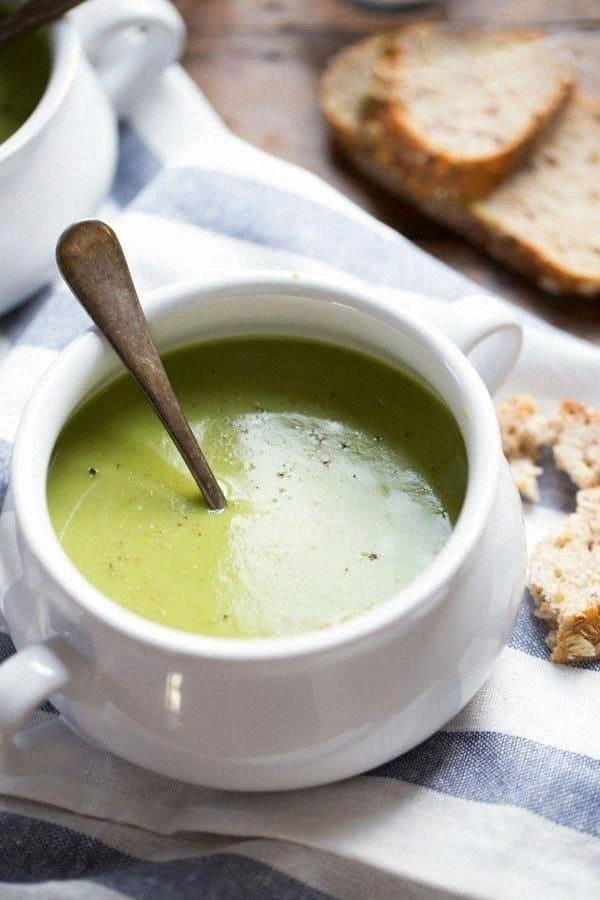
The Method — Step by Step
Heat two tablespoons of butter in a large Dutch oven over medium heat until it foams. Add one diced onion and a pinch of salt, then let it sweat for about five minutes. You’ll hear a soft sizzle that signals the onions are beginning to caramelize, releasing that sweet aroma we love. Stir occasionally to avoid browning too quickly; we want a golden translucence, not a burnt crust.
Next, toss in three minced garlic cloves and a teaspoon of smoked paprika. The garlic should turn a light golden within a minute, and the paprika will release a smoky perfume that fills the kitchen. This is the moment of truth—if the spices don’t smell right, the whole soup will suffer. Keep the heat moderate to prevent the garlic from scorching.
Kitchen Hack: Crush the garlic with the flat side of a knife before mincing; it releases more flavor without extra chopping time.Now, add four cups of diced Yukon Gold potatoes and stir to coat them in the buttery aromatics. Let the potatoes sit for a couple of minutes, allowing them to absorb the flavors. You’ll notice the edges start to turn a faint golden, which is a visual cue that the starches are beginning to break down. This step is crucial for achieving that creamy body without a blender.
Pour in four cups of low‑sodium vegetable broth, scraping the bottom of the pot to release any browned bits. Bring the mixture to a gentle boil, then reduce to a simmer. The broth should bubble softly—think a quiet, steady hum, not a raging boil. Cover the pot and let it cook for fifteen minutes, or until the potatoes are fork‑tender.
While the potatoes simmer, rinse one bunch of kale, strip the stems, and roughly chop the leaves. Set the kale aside; we’ll add it later to preserve its bright color. If you’re using Lacinato kale, give the stems a quick shave with a vegetable peeler to remove the toughest fibers.
Kitchen Hack: Massaging kale with a pinch of salt for two minutes softens its texture and reduces bitterness.Once the potatoes are tender, remove the pot from heat and use an immersion blender to purée the soup until it reaches a velvety consistency. Watch Out: Over‑blending can break down the kale later, turning it into a mushy green slurry. Blend just enough to get a smooth base, then return the pot to low heat.
Watch Out: If you use a countertop blender, be careful with the hot liquid—blend in batches and vent the lid to avoid steam explosions.Stir in one cup of heavy cream, a handful of fresh thyme leaves, and adjust salt and pepper to taste. The soup should turn a luscious, pale ivory—if it looks too thin, let it simmer uncovered for a few minutes to thicken naturally. Taste now; you’ll notice the cream balancing the earthiness while the thyme adds a subtle citrus lift.
Finally, fold in the chopped kale and let it wilt for three to five minutes. The kale should retain a slight crunch and a brilliant green hue—this is the visual payoff that makes the dish Instagram‑ready. If you prefer a softer texture, let it sit a minute longer, but beware of over‑cooking, which can turn the leaves mushy.
Turn off the heat, drizzle a teaspoon of olive oil for added richness, and let the soup rest for two minutes. This short rest lets the flavors meld, creating a harmonious finish that feels like a warm hug. Serve in bowls, garnish with a drizzle of extra cream, a sprinkle of toasted pumpkin seeds, and perhaps a slice of crusty sourdough. That sizzle when it hits the pan? Absolute perfection.
That's it — you did it. But hold on, I've got a few more tricks that'll take this to another level...
Insider Tricks for Flawless Results
The Temperature Rule Nobody Follows
Never blast the soup on high heat after adding the cream. High temperatures cause the fat to separate, resulting in a greasy surface. Keep the heat low and gentle; a whisper of a simmer is all you need. I once rushed this step and ended up with a curdled disaster—let’s just say my guests got a surprise “cheese‑rind” texture they didn’t ask for.
Why Your Nose Knows Best
Your sense of smell is the ultimate timer. When the onions turn golden and the garlic becomes fragrant, you know the flavor base is ready. If you can’t smell the smoked paprika blooming, give it another 30 seconds. Trusting your nose beats any kitchen timer, and it prevents the dreaded bitter garlic bite.
The 5‑Minute Rest That Changes Everything
After blending, let the soup sit for five minutes before adding kale. This pause allows the starches to settle, creating a smoother mouthfeel. Skipping this step yields a slightly grainy texture that can be jarring. I once served the soup straight from the blender and got a few raised eyebrows—now I always give it that breather.
Seasoning in Layers
Add a pinch of salt at each stage—onions, potatoes, and finally the broth. Layered seasoning builds depth and prevents a flat final taste. If you wait until the end, you’ll likely over‑salt or under‑season. I’ve seen beginners dump a tablespoon of salt all at once, resulting in a soup that tastes like the ocean.
The Secret Splash of Cold Water
A tablespoon of cold water added just before serving revives any thickened edges, giving the soup a glossy sheen. It’s a tiny trick that makes the broth look restaurant‑ready. If you forget, the soup can look dull and heavy—this splash re‑energizes the whole bowl.
Creative Twists and Variations
This recipe is a playground. Here are some of my favorite ways to switch things up:
Bacon‑Infused Bliss
Crisp up six strips of smoked bacon, crumble them, and sprinkle over each bowl. The salty crunch contrasts the creaminess, turning the soup into a hearty brunch starter. Bacon lovers will swear it’s the perfect marriage of smoky and smooth.
Spicy Sriracha Swirl
Add a tablespoon of Sriracha to the broth before blending for a gentle heat that awakens the palate. Finish with a drizzle of extra Sriracha on top for visual flair. This version is ideal for those who love a subtle kick without overpowering the kale.
Vegan Velvet
Swap heavy cream for coconut cream and use olive oil instead of butter. The soup stays luxuriously thick while staying entirely plant‑based. Garnish with toasted chickpeas for a crunchy protein boost.
Cheesy Cauliflower Boost
Steam a cup of cauliflower florets with the potatoes, then blend them together. The cauliflower adds an extra layer of creaminess and a subtle nutty flavor. Top with grated Parmesan for an indulgent finish.
Herbaceous Garden
Stir in a handful of fresh spinach and a sprinkle of chopped chives right before serving. The extra greens brighten the color palette and add a fresh, herbaceous note that complements the kale beautifully.
Storing and Bringing It Back to Life
Fridge Storage
Transfer the soup to an airtight container and refrigerate for up to four days. The flavors deepen, and the texture remains silky thanks to the potatoes' starch. When reheating, add a splash of water or broth to restore its original consistency.
Freezer Friendly
Cool the soup completely, then portion it into freezer‑safe bags or containers. It freezes beautifully for up to three months. Thaw overnight in the fridge, then gently reheat on the stove, stirring in a tablespoon of cream to revive the richness.
Best Reheating Method
Reheat over low heat, stirring constantly. Avoid high heat, which can cause the cream to separate. A tiny splash of water before warming ensures the soup stays velvety and prevents a skin from forming on top.