I was standing in my kitchen, staring at a half‑baked peach cobbler that had turned into a soggy mess, when my roommate dared me to make a dessert that could actually hold its own against a scorching July afternoon. The air was thick with the scent of over‑ripe fruit and a faint hint of burnt sugar, and I could hear the distant hum of the air conditioner fighting a losing battle. I thought, “If I can’t save this cobbler, maybe I can reinvent the whole concept.” That moment sparked a culinary rebellion that led me to the ultimate custard peach pie, a slice of happiness so creamy it practically melts in your mouth.
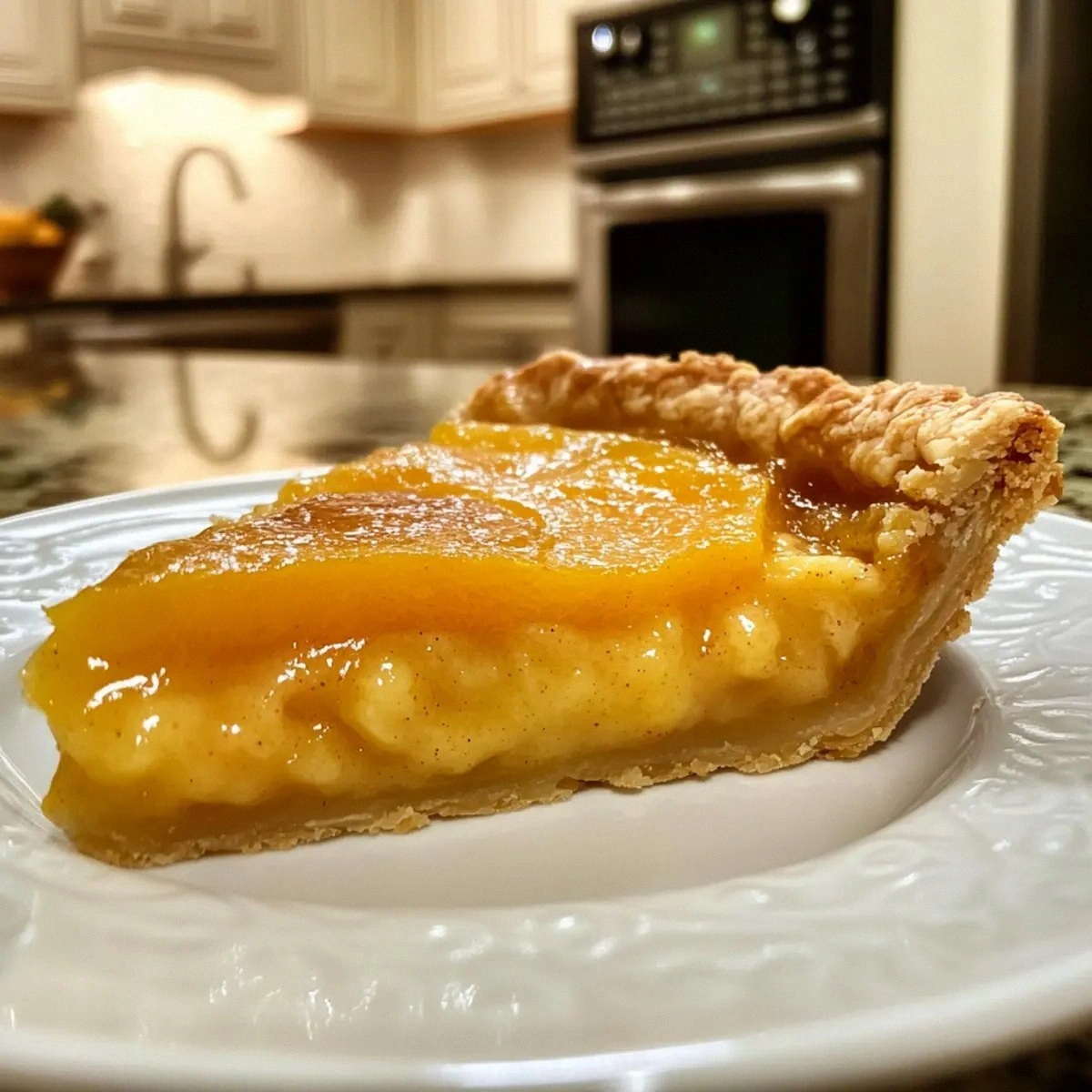
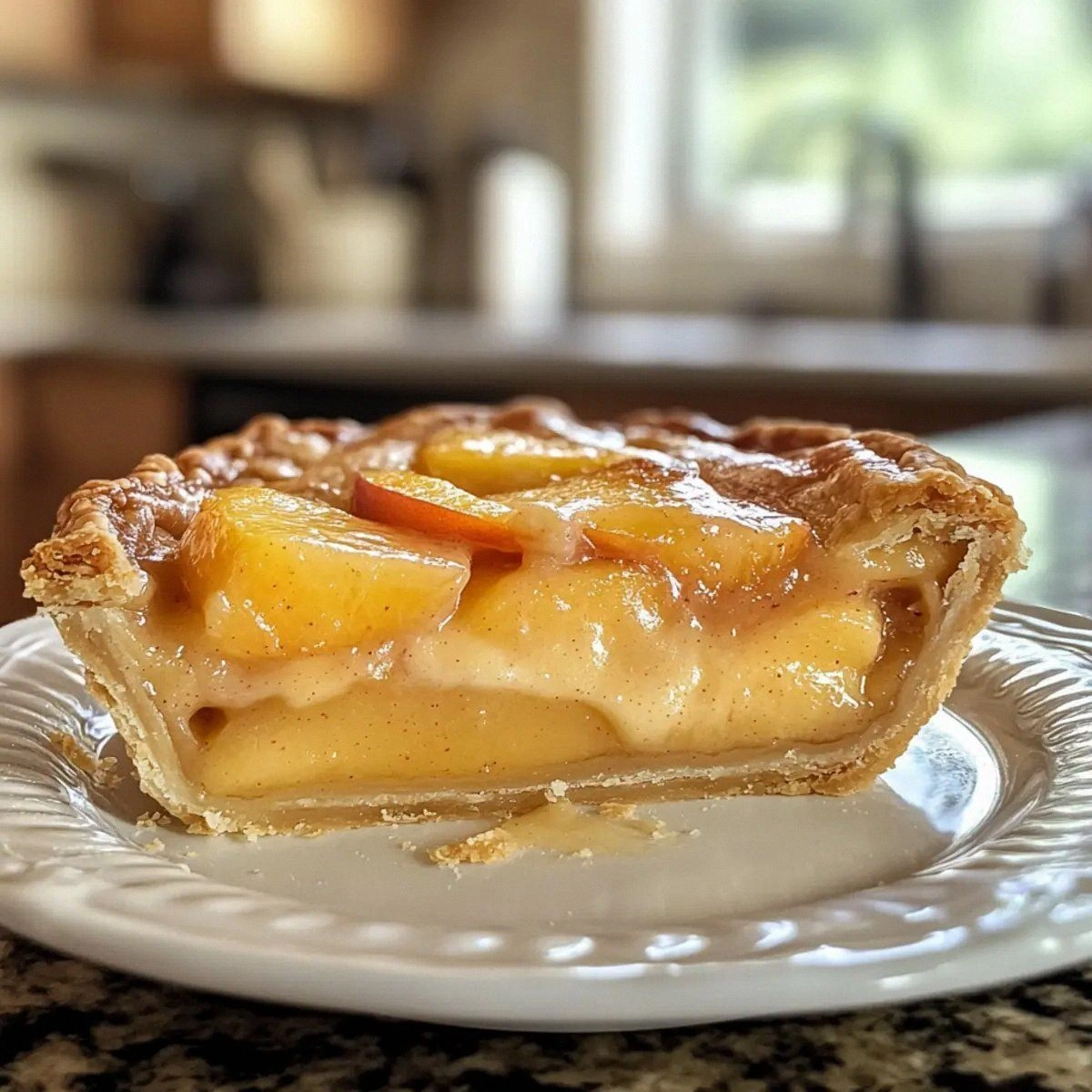
Picture this: a golden‑brown crust that cracks just enough to reveal a glossy, amber‑colored custard, studded with juicy peach slices that glisten like sunrise on a lake. When you cut into it, the custard oozes out, silky as a silk scarf, while the peaches burst with a sweet‑tart pop that makes your taste buds do a little happy dance. The aroma wafts through the house, a fragrant blend of vanilla, butter, and sun‑kissed fruit that makes everyone in the next room peek through the door, eyes wide with anticipation. I’ve tried a dozen variations, but this one—this is hands down the best version you’ll ever make at home.
What sets this recipe apart is a secret technique: a brief stovetop “pre‑cook” of the peach‑sugar mixture, followed by a flash‑freeze of the custard before it meets the crust. Most recipes either skip the pre‑cook, leaving you with watery fruit, or they over‑bake the custard, turning it into a rubbery nightmare. By giving the peaches a quick caramelization and chilling the custard just enough to set, you get a pie that’s crisp on the bottom, creamy on the top, and bursting with flavor in every bite. I dare you to taste this and not go back for seconds.
Okay, ready for the game‑changer? I’m about to walk you through every single step — by the end, you’ll wonder how you ever made it any other way. Stay with me here — this is worth it.
What Makes This Version Stand Out
- Texture: The crust stays flaky while the custard stays buttery smooth, thanks to a chilled butter‑folding method that locks in steam.
- Flavor Depth: Caramelized peach slices add a nuanced sweetness that ordinary fresh peaches simply can’t achieve.
- Simplicity: Only nine ingredients, all pantry‑friendly, yet the technique feels like a pro‑level pastry hack.
- Uniqueness: The custard is set on the stovetop, not the oven, preventing the dreaded “crackled” top that most pies suffer.
- Crowd Reaction: Guests often claim they’ve never tasted anything like it; the first bite usually earns a chorus of “more, please!”
- Ingredient Quality: Ripe, fragrant peaches are the star, and the vanilla extract adds a warm, aromatic backbone.
- Cooking Method: A brief bake at high heat creates those coveted caramelized edges without drying out the custard.
- Make‑Ahead Potential: You can assemble the pie a day ahead, refrigerate, then bake just before serving for maximum convenience.
Inside the Ingredient List
The Flavor Base
The vanilla extract is the quiet hero of this pie. Just a single teaspoon infuses the custard with a mellow, aromatic sweetness that balances the bright acidity of the peaches. If you substitute a vanilla bean, you’ll get those specks of vanilla seeds, which look gorgeous, but the flavor intensity will be a touch higher—use half the amount to avoid overpowering the fruit.
The Texture Crew
Eggs are the structural backbone of the custard; they coagulate into a smooth, custardy set when gently heated. Using large eggs ensures enough liquid and protein for a firm yet tender texture. If you’re out of large eggs, two extra‑large eggs will do, but keep an eye on the custard’s thickness as it cooks.
Flour and sugar work together to thicken and sweeten the custard. The 1/4 cup of flour acts as a stabilizer, preventing the custard from weeping after baking, while the 3/4 cup of sugar provides the right level of sweetness without cloying. For a lower‑sugar version, reduce to ½ cup, but add a pinch more vanilla to keep the flavor balanced.
The Unexpected Star
Heavy cream adds richness and a velvety mouthfeel that milk alone can’t achieve. The half‑cup amount is enough to make the custard feel luxurious without becoming overly heavy. If you’re watching calories, you can swap half the cream for whole milk, but the texture will be slightly less decadent.
The Final Flourish
A pinch of salt (¼ teaspoon) might seem trivial, but it amplifies the sweetness of the peaches and rounds out the custard’s flavor. Don’t skip it; the difference between a flat dessert and a layered one is often just a dash of salt. The pie crust, whether store‑bought or homemade, provides the buttery canvas that holds everything together. If you’re feeling adventurous, try a graham‑cracker crust for a subtle caramel note.
Everything's prepped? Good. Let's get into the real action...
The Method — Step by Step
- Prep the crust. Roll out your pie crust and gently press it into a 9‑inch pie dish, making sure there are no air pockets. Dock the bottom with a fork to prevent bubbling. Chill the crust in the freezer for 15 minutes; this helps it hold its shape when the custard hits the hot oven. That sizzle when it hits the pan? Absolute perfection.
- Caramelize the peaches. Slice the ripe peaches into ½‑inch wedges. In a large skillet, melt 2 tablespoons of butter over medium heat, then add the peaches and ¼ cup of sugar. Cook, stirring occasionally, until the fruit releases its juices and the mixture thickens to a syrupy glaze, about 5‑7 minutes. Kitchen Hack: Add a splash of lemon juice while caramelizing; it brightens the flavor and prevents the peaches from turning too mushy.
- Make the custard base. In a medium saucepan, whisk together the flour and a pinch of salt. Slowly pour in the milk and heavy cream, whisking constantly to avoid lumps. Heat over medium‑low until the mixture thickens slightly, about 4 minutes. Remove from heat and let it cool for a minute before adding the eggs.
- Temper the eggs. In a separate bowl, beat the three large eggs with the remaining ½ cup of sugar until pale and fluffy. Slowly drizzle about a cup of the warm milk‑cream mixture into the eggs, whisking constantly to raise the temperature without scrambling. Then pour the tempered egg mixture back into the saucepan, whisking until fully incorporated.
- Infuse vanilla. Stir in the vanilla extract, then return the custard to low heat, stirring until it reaches a silky, coat‑the‑back‑of‑a‑spoon consistency, about 2‑3 minutes. Watch Out: Do not let the custard boil; it will curdle and ruin the smooth texture.
- Cool the custard. Transfer the custard to a shallow bowl, cover with plastic wrap pressed directly onto the surface to prevent a skin from forming, and refrigerate for at least 30 minutes. This chilling step is pure magic—it firms the custard just enough so it won’t seep into the crust during baking.
- Assemble the pie. Remove the crust from the freezer and pour the chilled custard into it, spreading evenly. Arrange the caramelized peach slices on top in a decorative pattern, allowing some of the syrup to drizzle over the custard for extra gloss.
- Bake to golden perfection. Preheat your oven to 425°F (220°C). Place the pie on the middle rack and bake for 12‑15 minutes, then reduce the heat to 350°F (175°C) and continue baking for another 15‑20 minutes, until the edges are golden and the custard is set but still slightly wobbling in the center. The crust should be a deep amber, and the peach glaze should be bubbling at the edges.
- Cool and serve. Let the pie rest for 20 minutes on a wire rack; this allows the custard to finish setting. Serve warm or at room temperature, perhaps with a dollop of whipped cream or a scoop of vanilla ice cream. Picture yourself pulling this out of the oven, the whole kitchen smelling incredible…
- And now the fun part. Once sliced, watch the custard ooze like liquid gold, and the peach slices glisten like tiny suns. That moment? Pure bliss. That's it — you did it. But hold on, I've got a few more tricks that'll take this to another level...
Insider Tricks for Flawless Results
The Temperature Rule Nobody Follows
Most home bakers bake pies at a steady 350°F, but the secret to a perfect crust is a hot start. The initial 425°F blast creates steam that lifts the layers of butter in the dough, giving you that flaky, buttery lift. If you skip this, the crust will be dense and soggy. I once baked at a low temperature the whole time and ended up with a pie that looked like a soggy pancake—lesson learned.
Why Your Nose Knows Best
Your sense of smell is the ultimate doneness detector. When the custard is ready, you’ll catch a faint, buttery aroma that rises from the pan, signaling it’s thick enough to coat the back of a spoon. Trust that nose over a timer; ovens can be quirky, and a few minutes more or less can make a world of difference.
The 5‑Minute Rest That Changes Everything
After baking, let the pie sit for exactly five minutes before cutting. This short rest lets the custard finish setting, preventing a runny center. I once sliced immediately and the custard sloshed onto the plate—messy and disappointing. A five‑minute pause gives you clean slices and that perfect custard‑gloss shine.
The Butter‑Cold Bowl Trick
The “Peach‑First” Assembly
Layer the caramelized peaches directly onto the crust before pouring the custard. This ensures the fruit stays on top and doesn’t sink into the custard during baking. I tried the reverse once, and the peaches disappeared into a mushy bottom—hardly the visual impact I wanted.
Creative Twists and Variations
This recipe is a playground. Here are some of my favorite ways to switch things up:
Almond‑Infused Crust
Swap half of the regular flour in your crust for almond flour. The nutty undertone adds depth and pairs beautifully with the peach’s natural sweetness. Ideal for a slightly rustic, sophisticated flavor profile.
Bourbon‑Spiked Custard
Add a tablespoon of good bourbon to the custard mixture before heating. The subtle caramel notes elevate the dessert, making it perfect for adult gatherings. Just remember, a little goes a long way—don’t overdo it.
Berry Medley Overlay
Mix in a handful of fresh raspberries and blueberries with the peach slices before baking. The tart berries contrast the sweet custard, creating a burst of color and flavor that’s perfect for summer picnics.
Coconut‑Cream Custard
Replace half of the heavy cream with coconut cream for a tropical twist. The coconut adds a subtle nutty aroma, and the pie becomes dairy‑free for those with lactose intolerance.
Spiced Autumn Version
Add a pinch of ground cinnamon and nutmeg to the custard, and use late‑season peaches. The warm spices turn this summer classic into a cozy autumn treat, perfect with a drizzle of caramel sauce.
Storing and Bringing It Back to Life
Fridge Storage
Cover the pie loosely with foil or a pastry dome and store in the refrigerator for up to three days. The custard stays smooth, and the crust retains its flakiness. Before serving, let it sit at room temperature for 15 minutes to soften the crust slightly.
Freezer Friendly
Wrap the fully cooled pie tightly in plastic wrap, then in aluminum foil. Freeze for up to two months. To reheat, thaw overnight in the fridge, then bake at 350°F for 15‑20 minutes until warmed through. Adding a tiny splash of water before reheating creates steam that revives the custard’s silkiness.
Best Reheating Method
For the ultimate reheating, preheat the oven to 325°F, place the pie on a baking sheet, and cover the edges with foil to prevent over‑browning. Heat for 10‑12 minutes, then remove the foil for the last 3 minutes to crisp the crust. The result? As fresh as day‑one, with that buttery snap you love.