Picture this: I’m halfway through a frantic week, the fridge is a barren wasteland, and my craving for something bright, tangy, and utterly satisfying is louder than a drum solo. I flip through a battered cookbook, stare at a page that looks like a foreign language, and then, like a culinary superhero, I realize I have a can of chickpeas, a handful of tomatoes, and a jar of olive oil in my pantry. I’m not going to let that can go to waste. I’m about to turn it into a bowl of Middle Eastern magic that will have everyone begging for seconds. Trust me, I dare you to taste this and not go back for a second serving.
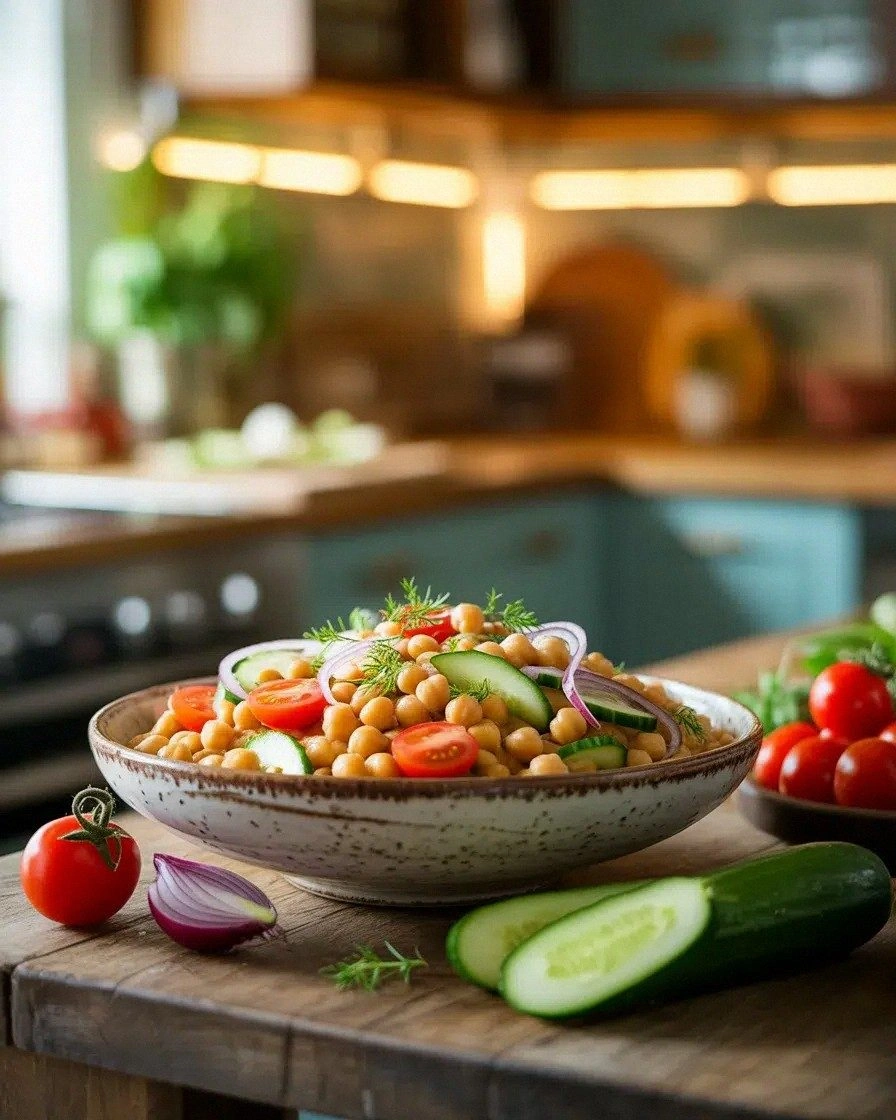
The first thing you notice is the aroma—a warm, earthy cumin that greets you like an old friend, the smoky whisper of paprika, and a bright citrus zing from the lemon juice that dances on the air. The colors are a vibrant medley: ruby cherry tomatoes, crisp green cucumber, the deep red of onions, and a splash of golden feta that looks like sunshine trapped in a crumbly cloud. The texture is a delightful contrast: the creamy chickpeas mingle with crunchy veggies, and every bite delivers a burst of flavor that’s both comforting and adventurous. My taste buds are already doing a little salsa, and I can’t wait to share every step with you.
What sets this version apart from the countless “chickpea salad” recipes you’ll find online is the meticulous balance of seasonings and the playful use of sumac for a tangy twist that’s not often seen. I’ve stripped the recipe down to essentials, eliminating any unnecessary steps that make you feel like you’re doing a science experiment. The result is a dish that feels like a passport to the Middle East, yet you can whip it up in your kitchen with ingredients you probably already have. The secret? A dash of sumac that gives it that unmistakable citrusy bite, and the perfect blend of cumin and smoked paprika that makes each chickpea pop with flavor. And if you’re worried about the feta being too salty, just remember that it’s the final flourish that ties everything together. Picture yourself pulling this out of the fridge, the whole kitchen smelling incredible, and watching your friends’ eyes widen in anticipation.
I’ve spent countless hours testing variations, tweaking ratios, and even swapping out ingredients to see what works best. The result is a bowl that is not only delicious but also incredibly versatile—you can serve it as a light lunch, a side dish for a hearty dinner, or even a party platter that keeps people coming back for more. And if you’re a busy person, you’ll love that this dish is quick, healthy, and can be made in advance. By the end of this post, you’ll have all the tools you need to create a salad that’s hands down the best version you’ll ever make at home. Let me walk you through every single step — by the end, you’ll wonder how you ever made it any other way.
What Makes This Version Stand Out
- Flavor: The combination of cumin, smoked paprika, and sumac creates a layered taste that feels both earthy and citrusy. It’s a flavor profile that’s true to Middle Eastern cuisine but still fresh enough for modern palates.
- Texture: The chickpeas stay firm while the veggies remain crisp, giving each bite a satisfying contrast that keeps you engaged.
- Ease: No fancy techniques or hard-to-find ingredients—everything you need is pantry-friendly and ready to use.
- Nutrition: Packed with protein, fiber, and healthy fats, this salad is a balanced meal that can satisfy a hungry crowd.
- Make‑ahead: It holds up beautifully in the fridge for up to three days, making it perfect for meal prep or entertaining.
- Visual Appeal: The bright colors and vibrant textures make it Instagram-worthy, so you can brag about your culinary skills without even trying.
Inside the Ingredient List
The Flavor Base
Cumin and smoked paprika are the heart of this dish. Cumin brings an earthy warmth that grounds the salad, while smoked paprika adds a subtle smokiness that mimics the subtle char of outdoor grilling. If you don’t have smoked paprika, regular paprika will work, but you’ll miss that smoky depth. A pinch of ground coriander can add another layer of citrusy brightness if you’re feeling adventurous.
The Texture Crew
Chickpeas are the protein powerhouse that gives the salad its hearty bite. The can of chickpeas should be drained and rinsed to remove excess sodium and any canning liquid that can make the dish taste flat. If you prefer a smoother texture, mash half of the chickpeas with a fork before tossing everything together. Cucumber and cherry tomatoes provide a fresh crunch that balances the softness of the chickpeas.
The Unexpected Star
Sumac is a little-known spice that adds a tart, lemony flavor without the need for fresh citrus. It’s a staple in Middle Eastern cooking, and its bright color makes the salad pop visually. If you can’t find sumac, a squeeze of fresh lemon juice can be a suitable substitute, but the flavor profile will shift slightly. The key is to add it sparingly; a dash is all you need to transform the dish.
The Final Flourish
Fresh parsley and feta cheese are the finishing touches that add a burst of freshness and creaminess. Parsley not only adds color but also a bright herbal note that cuts through the richness of the feta. Crumbled feta provides a salty, tangy contrast that elevates the entire salad. If you’re vegan, try crumbled halloumi or a sprinkle of nutritional yeast for a similar umami kick.
Everything’s prepped? Good. Let’s get into the real action.
The Method — Step by Step
- Start with the base: In a large mixing bowl, combine the drained chickpeas, halved cherry tomatoes, diced cucumber, and finely chopped red onion. Toss gently to ensure even distribution. The goal is to keep the veggies intact, so avoid overmixing.
- Season the mix: Sprinkle the cumin, smoked paprika, and a dash of sumac over the vegetables. Add a pinch of salt if needed. Drizzle the olive oil and lemon juice, then toss again until everything is coated. The oil should coat each piece, giving the salad a silky feel.
- Let it breathe: Cover the bowl with plastic wrap and let the flavors mingle for at least 10 minutes at room temperature. If you’re preparing this ahead of time, refrigerate for up to 3 days. This step allows the chickpeas to absorb the spices and the veggies to soften just enough.
- Add the final touches: Sprinkle the chopped parsley and crumbled feta over the salad. Gently fold everything together, ensuring the feta doesn’t melt into the mix.
- Adjust seasoning: Taste the salad and add more salt or lemon juice if needed. The feta will add a salty note, so you may want to be cautious with the extra salt.
- Serve immediately: This salad is best enjoyed fresh, but it holds up well if you need to prep ahead. If you’re serving it at a gathering, keep it chilled until just before serving.
- Optional garnish: A drizzle of extra virgin olive oil or a sprinkle of toasted pine nuts can elevate the dish further. Feel free to experiment with toppings like pomegranate seeds for a sweet crunch.
- Enjoy! Serve as a side dish, a light lunch, or a refreshing starter. Pair it with warm pita bread or a simple flatbread for a complete meal.
That’s it — you did it. But hold on, I’ve got a few more tricks that will take this to another level.
Insider Tricks for Flawless Results
The Temperature Rule Nobody Follows
The key to a vibrant salad is keeping the veggies at room temperature before mixing. If the vegetables are cold, they’ll release moisture and make the salad soggy. Let the cucumber and tomatoes sit out for a few minutes before chopping, and you’ll notice a difference in crunch.
Why Your Nose Knows Best
Smell the salad before you taste it. If it smells more like the spices than the vegetables, you’ve over-seasoned it. The aroma should be a balanced blend, hinting at cumin, paprika, and a faint citrus tang from the sumac.
The 5‑Minute Rest That Changes Everything
After tossing the salad, let it rest for five minutes. This brief pause allows the chickpeas to soak up the spices fully. If you’re in a hurry, skip this step, but you’ll sacrifice depth of flavor.
Use Fresh Lemon Juice, Not Powder
Fresh lemon juice adds brightness that dried lemon powder can’t replicate. The acidity cuts through the richness of the feta and balances the earthiness of the chickpeas. Squeeze a fresh lemon over the salad just before serving.
Keep the Feta Fresh
If you’re using pre-crumbled feta, make sure it’s stored in an airtight container. Feta can dry out quickly, and a dry feta will not add the same creamy texture to the salad. If you have whole blocks, crumble them fresh for the best results.
Creative Twists and Variations
This recipe is a playground. Here are some of my favorite ways to switch things up:
Mediterranean Crunch
Swap the cucumber for roasted red pepper strips and add a handful of Kalamata olives. The smoky sweetness of the roasted pepper pairs beautifully with the feta.
Spicy Kick
Add a pinch of cayenne pepper or a splash of hot sauce to the dressing. The heat will contrast with the coolness of the cucumber and brighten the entire dish.
Herb Garden
Incorporate fresh mint or dill alongside parsley for a refreshing herbal note. This works especially well if you’re serving the salad during the summer.
Protein Boost
Add diced grilled chicken or chickpea-based protein crumbles to turn the salad into a hearty main course. The extra protein makes it satisfying for a quick dinner.
Vegan Vibes
Replace feta with a sprinkle of nutritional yeast or a vegan cheese alternative. Keep the rest of the ingredients the same for a plant-based twist.
Breakfast Twist
Serve the salad over a bed of warm, toasted pita bread and top with a poached egg for a protein-packed breakfast.
Storing and Bringing It Back to Life
Fridge Storage
Store the salad in an airtight container in the refrigerator for up to three days. If the salad looks slightly watery, drain any excess liquid before serving.
Freezer Friendly
This salad doesn’t freeze well because the feta can become rubbery. If you must store it, keep the feta separate and add it after thawing the rest of the salad.
Best Reheating Method
If you’ve refrigerated the salad and want to refresh it, add a splash of cold water or a few ice cubes to the container before stirring. This helps the chickpeas regain their firmness and the veggies stay crisp.