Picture this: I’m in the middle of a busy Saturday, juggling a pot of quinoa, a simmering sauce, and a bag of fresh veggies that I just dragged home from the farmer’s market. I’m humming a tune, feeling like a culinary rockstar, when I hear the unmistakable hiss of oil heating up on the stove. In a split second of distraction, I drop a handful of carrots onto the pan, and the entire kitchen turns into a miniature battlefield—splatters everywhere, a cloud of steam that smells like burnt garlic, and the unmistakable sound of vegetables clashing with the sizzling oil. I’m mortified, but I’m also secretly thrilled because that moment sparked a revelation: if I could tame that chaos into a single, glorious dish, I’d have a go-to meal that’s as dramatic as it is delicious.
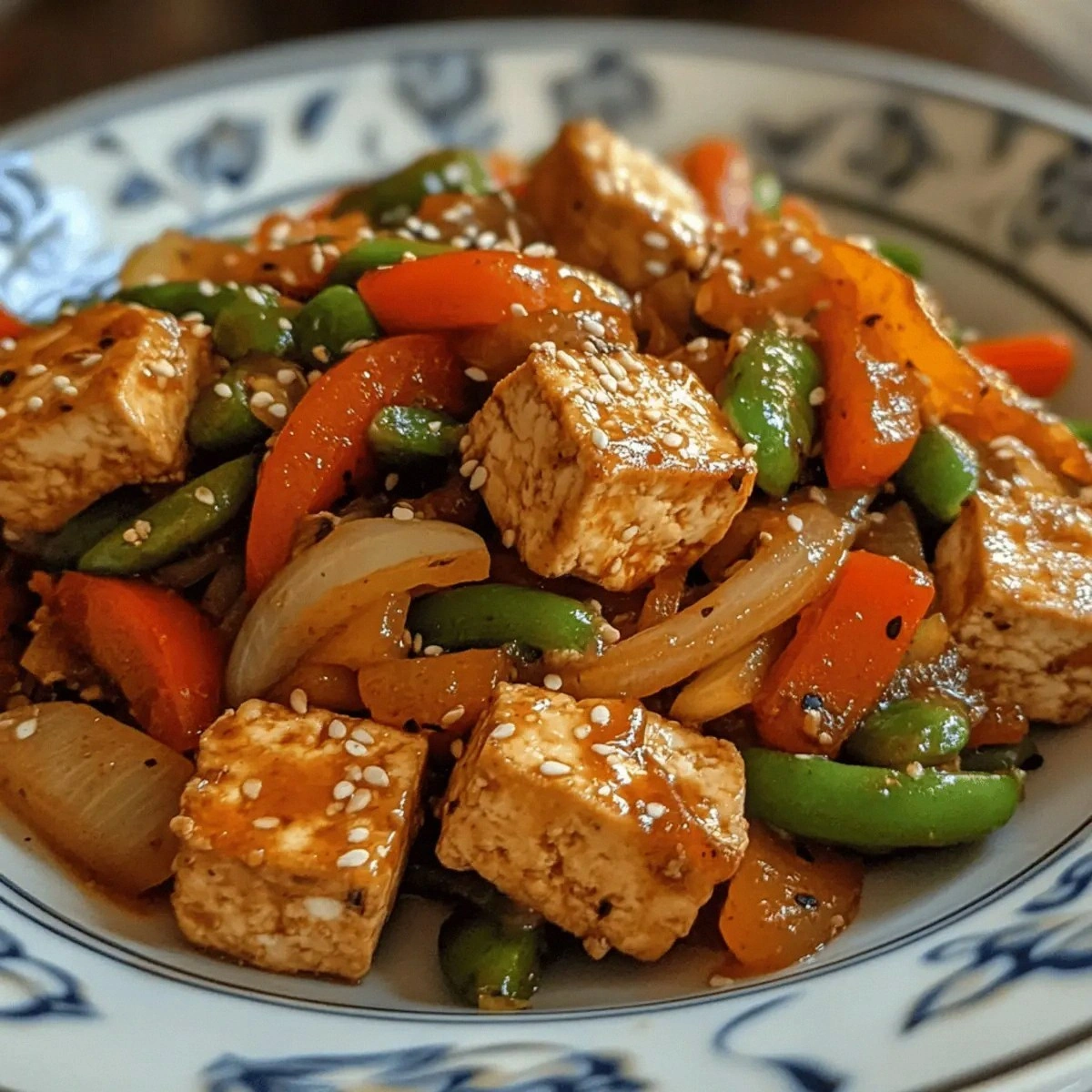
The first time I tasted the finished stir‑fry, it was like a fireworks show in my mouth. The tofu was pillowy, the bell peppers crisp like fresh snow, and the broccoli had that perfect al dente bite that makes you feel like you’re eating something that’s been waiting to be released. The aroma was a complex tapestry of umami and citrus, with a faint whisper of toasted sesame that made my nose do a little dance. The sound of the final toss was a satisfying clink, and the texture of the snap peas was that satisfying snap that feels like a tiny victory. The dish was a symphony of flavors, textures, and colors that danced on the tongue, leaving me with a lingering aftertaste that begged for more.
What makes this version stand out is that it’s not just another “vegetarian stir‑fry.” It’s a carefully balanced orchestra where each instrument—whether tofu, peppers, or sesame oil—plays its part with precision. I’ve refined the technique so that the tofu doesn’t stick, the sauce coats every bite like velvet, and the vegetables stay bright and crisp. I’ve also added a secret ingredient that elevates the entire dish: a splash of citrus‑infused soy sauce that gives it a bright, fresh lift that you won’t find in most recipes. The result? A dish that is hands down the best version you’ll ever make at home, and one that will have your friends begging for the recipe after just one bite.
And there’s a twist you won’t expect: I use a small amount of cornstarch to create a glossy coating on the tofu that locks in moisture and gives it a subtle crunch. I dare you to taste this and not go back for seconds. If you’re ready to level up your stir‑fry game, stay with me. Let me walk you through every single step—by the end, you’ll wonder how you ever made it any other way.
What Makes This Version Stand Out
- Flavor: The sauce is a marriage of soy, ginger, and garlic that cuts through the richness of sesame oil, creating a balance that feels both familiar and adventurous.
- Texture: The tofu is pressed and pan‑fried to a golden crisp, while the vegetables stay bright and crunchy, offering a satisfying contrast that keeps every bite interesting.
- Time: From prep to plate, the entire dish takes less than 45 minutes—ideal for a busy weeknight or a spontaneous dinner.
- Health: Packed with protein, fiber, and vitamins, this stir‑fry is a wholesome meal that satisfies without compromising on flavor.
- Visual Appeal: The vibrant colors of bell pepper, broccoli, and snap peas make the dish look as good as it tastes, turning any plate into a work of art.
- Versatility: Swap the tofu for tempeh, or the broccoli for bok choy—this recipe adapts to whatever fresh produce you have on hand.
- Make‑Ahead Friendly: The flavors deepen when the dish sits for a few hours, making it perfect for meal prep or a quick reheating dinner.
Alright, let’s break down exactly what goes into this masterpiece…
Inside the Ingredient List
The Flavor Base
The foundation of any great stir‑fry is its sauce. In this recipe, soy sauce, fresh ginger, and garlic mingle to create a savory base that lingers on the palate. The ginger adds a subtle heat that cuts through the richness of sesame oil, while the garlic provides depth. If you skip this step, the dish loses its signature umami punch and feels flat. For a twist, try tamari for a gluten‑free version or add a splash of rice vinegar for a hint of acidity.
The Texture Crew
Firm tofu is the star of the show, but the vegetables bring the crunch. The bell peppers stay crisp, the broccoli florets offer a satisfying bite, and the snap peas bring a sweet snap that elevates the dish. Each vegetable is cut into uniform pieces to ensure even cooking. If you’re short on time, pre‑cut frozen veggies work fine, though the texture will be slightly softer. The key is to cook them quickly over high heat to preserve their natural color and crunch.
The Unexpected Star
Toasted sesame seeds might seem like a small detail, but they add a nutty aroma and a subtle crunch that transforms the dish. They’re sprinkled over the finished stir‑fry, creating a final pop of flavor that feels like a finishing flourish. If you’re allergic to sesame, replace them with crushed almonds or sunflower seeds for a similar crunch.
The Final Flourish
Green onions and a splash of sesame oil finish the dish, adding a fresh, herbal note and a glossy sheen that makes the sauce cling to every bite. The green onions are sliced thin, allowing their mild onion flavor to permeate without overpowering the other ingredients. A dash of sesame oil at the end locks in the aroma and gives the dish a silky texture. If you’re craving extra heat, sprinkle a pinch of red pepper flakes at the end.
Everything’s prepped? Good. Let’s get into the real action…
The Method — Step by Step
- Press the tofu: Place the tofu block between clean kitchen towels and set a heavy skillet on top. Let it sit for 15 minutes to absorb excess water. The drier the tofu, the crispier it will become when pan‑fried. This step is crucial; if you skip it, you’ll end up with a soggy mess that clings to the pan. I dare you to taste a piece right after pressing—notice the difference in texture.
- Cube the tofu: Cut the pressed tofu into bite‑sized cubes. A uniform size ensures even cooking and prevents some pieces from burning while others stay raw. If you’re in a hurry, you can purchase pre‑cubed tofu, but homemade cubes taste fresher.
- Heat the wok or skillet: Add one tablespoon of sesame oil to a high‑heat wok or large skillet. Once the oil shimmers, add the tofu cubes. Sauté until all sides are golden brown and slightly crisp, about 5–7 minutes. The oil should be hot enough that the tofu starts to sizzle immediately.
- Remove the tofu: Transfer the browned tofu to a paper towel‑lined plate to drain excess oil. This step prevents the tofu from becoming greasy when you add the vegetables.
- Stir‑fry the vegetables: Add a splash of water or vegetable broth to the pan to create steam. Toss in the bell peppers, broccoli, snap peas, and carrots. Stir‑fry for 3–4 minutes, or until the vegetables are bright green and just tender. The goal is to maintain a crisp bite—overcooking turns them mushy.
- Combine tofu and sauce: Return the tofu to the pan. Add 3 tablespoons of soy sauce, minced garlic, grated ginger, and a drizzle of sesame oil. Stir well to coat every piece. Let the mixture simmer for 2 minutes so the flavors meld.
- Finish with green onions and sesame seeds: Sprinkle sliced green onions and toasted sesame seeds over the stir‑fry. Toss gently to distribute. The final touch should feel like a garnish that also adds crunch and aroma.
- Serve immediately: Plate the stir‑fry hot, ideally over steamed jasmine rice or cauliflower rice for a low‑carb option. The dish is best enjoyed fresh, but it also reheats wonderfully.
That’s it—you did it. But hold on, I’ve got a few more tricks that will take this to another level. Ready for the next chapter?
Insider Tricks for Flawless Results
The Temperature Rule Nobody Follows
Many home cooks keep their pans at medium heat, thinking it’s safer. In a stir‑fry, however, high heat is the secret weapon that creates a caramelized exterior and locks in moisture. Aim for a temperature where the oil shimmers but doesn’t smoke. If you’re using a gas stove, let the flame be as bright as a sunrise—just enough to keep the pan hot without burning the ingredients.
Why Your Nose Knows Best
Before you even start cooking, give the soy sauce a sniff. A good soy sauce should have a deep, complex aroma—notes of fermented beans, a hint of sweetness, and a touch of sea salt. If the aroma is flat or overly sharp, you’re probably looking at a low‑quality product. A high‑quality soy sauce not only adds depth but also reduces the need for extra salt.
The 5‑Minute Rest That Changes Everything
After you finish cooking, let the stir‑fry rest for 5 minutes. During this time, the heat distributes evenly, the flavors meld, and the tofu’s coating sets. A quick rest also makes the dish easier to serve—no more sticky, hot oil on the spoon.
Use a Splatter Guard
Oil splattering is a common frustration. A splatter guard not only keeps your stove clean but also prevents hot oil from reaching your face. Keep it in place while you’re sautéing tofu and vegetables to avoid any accidental burns.
Add a Splash of Citrus
A splash of lime or lemon juice right before serving brightens the dish and cuts through the richness of sesame oil. The citrus adds a zesty finish that makes the flavors pop and leaves a fresh aftertaste.
Creative Twists and Variations
Spicy Thai Twist
Add a tablespoon of Thai red curry paste to the sauce and sprinkle crushed red pepper flakes for heat. Swap the sesame oil for a splash of coconut milk to create a creamy, spicy base that pairs beautifully with the vegetables.
Mediterranean Flair
Replace the soy sauce with a blend of olive oil and lemon zest. Toss in olives, capers, and a pinch of oregano for a Mediterranean vibe that still honors the original structure of the dish.
Gluten‑Free Delight
Use tamari instead of soy sauce, and add a tablespoon of cornstarch to the sauce to thicken it. Serve over quinoa or cauliflower rice for a gluten‑free, low‑carb meal.
Breakfast Bowl
Serve the stir‑fry over a bed of sautéed spinach and top with a fried egg. The combination of protein and greens turns the dish into a hearty breakfast that will keep you full until lunch.
Miso Magic
Stir in a tablespoon of miso paste with the soy sauce for a deeper umami flavor. Miso also adds a subtle sweetness that balances the heat from the ginger and garlic.
Storing and Bringing It Back to Life
Fridge Storage
Place the cooked stir‑fry in an airtight container and refrigerate for up to 3 days. Keep the tofu and vegetables separate if you plan to reheat them individually—this prevents the tofu from becoming soggy.
Freezer Friendly
Freeze the stir‑fry in freezer‑safe containers for up to 2 months. When ready to eat, thaw overnight in the refrigerator. Reheat on the stovetop with a splash of water to revive the moisture.
Best Reheating Method
Reheat the dish in a pan over medium heat, adding a tablespoon of water or broth to create steam. Stir frequently to prevent sticking. Add a splash of soy sauce or sesame oil at the end to refresh the flavors.