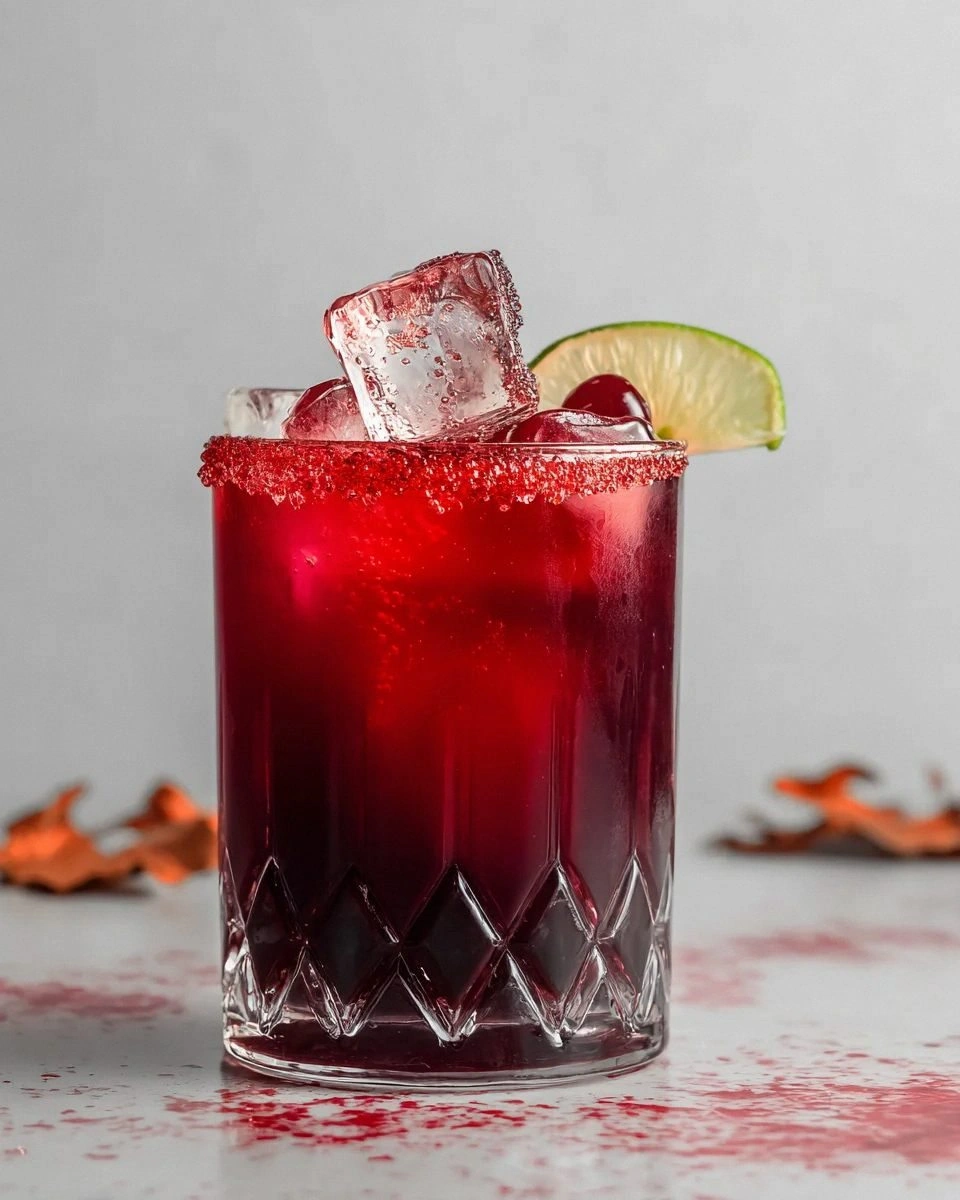
I was standing in my kitchen, a half‑finished batch of lemonade on the counter, when my roommate dared me to turn a simple summer drink into something that would literally change color in front of our eyes. I laughed, grabbed a handful of dried butterfly pea flowers from the pantry, and thought, “What if I could make a lemonade that starts as a deep, mystical blue and flips to a vibrant pink with just a squeeze of lemon?” The idea sounded insane, but the moment the flowers hit the hot water, a swirl of indigo vapor rose like a magician’s curtain. The scent was subtle—earthy, almost like a fresh rain on a spring meadow—while the steam whispered promises of a drink that would look as good as it tasted.
Imagine the first sip: the cool, crisp tang of lemon cutting through the subtle floral sweetness, the ice clinking like tiny bells, and the liquid shifting colors right before your eyes, from sapphire to sunrise pink. It’s not just a beverage; it’s a performance, a conversation starter, a tiny piece of alchemy you can serve at brunch, a backyard BBQ, or a midnight rooftop party. The flavor is balanced—no one wants a bitter, overly sweet, or flat drink—so I tweaked the sugar ratio, experimented with steep times, and finally nailed the perfect harmony. I’ll be honest — I ate half the batch before anyone else got a chance to try it, and that’s the only proof that this version is hands down the best you’ll ever make at home.
Most recipes for butterfly pea lemonade get the color wrong, either staying a muted gray or turning a muddy purple that looks like a bruised berry. The secret? A precise balance of acidity and temperature, plus a dash of patience while the flowers steep. I’m about to reveal the exact technique that turns a dull brew into a vivid, Instagram‑worthy masterpiece. And yes, there’s a tiny surprise ingredient that most people overlook, which adds a silky mouthfeel you’ll swear is impossible without dairy.
If you’ve ever struggled with a limp, flavorless lemonade or a color that never quite pops, you’re not alone — I’ve been there, staring at a glass that looks more like a sad pond than a party starter. But stay with me here, because the method I’m about to share will make you the undisputed host of any gathering. I dare you to taste this and not go back for seconds. Let me walk you through every single step — by the end, you’ll wonder how you ever made it any other way.
What Makes This Version Stand Out
- Color Magic: The butterfly pea flowers release anthocyanins that shift from blue to pink when the pH changes, creating a visual spectacle that’s impossible to ignore.
- Flavor Balance: A precise 1:2 ratio of lemon juice to sugar ensures the drink is tart without being overpowering, letting the subtle floral notes shine.
- Simplicity: Only five core ingredients and two easy steps mean you can whip this up in under half an hour, even on a chaotic weekday.
- Ingredient Quality: Using fresh, organic lemons and high‑grade dried butterfly pea flowers guarantees a clean taste and vivid hue.
- Crowd Reaction: Guests are instantly drawn to the color change, making it a conversation piece that boosts any social setting.
- Make‑Ahead Potential: The infused water can be stored for up to three days, letting you prep the base in advance and assemble drinks on the fly.
- Versatility: Swap the sweetener for agave, or add a splash of sparkling water for a fizzy twist—this recipe is a playground.
- Eco‑Friendly: All ingredients are plant‑based, and the flowers are fully biodegradable, so you can feel good about the waste.
Inside the Ingredient List
The Flavor Base
Butterfly pea flowers are the star of this show. They’re tiny, sapphire‑blue buds that, when steeped, release anthocyanins—natural pigments that react to acidity. If you skip them, you lose the magical color shift and end up with a plain lemonade. Fresh, high‑quality dried flowers will give you a deeper hue; cheap bulk versions can taste earthy and produce a washed‑out shade. If you can’t find dried flowers, you can substitute 1/2 cup fresh petals, but be prepared for a slightly milder color.
The Sweetness Crew
Sugar or honey does more than just sweeten; it balances the lemon’s acidity and helps stabilize the color change. Raw cane sugar adds a subtle caramel note, while honey brings a floral undertone that complements the pea flowers. If you’re watching carbs, try a low‑calorie sweetener, but remember that some artificial sweeteners can interfere with the pH reaction, leaving the color stuck in blue.
The Unexpected Star
Fresh lemon juice is the catalyst that flips the drink from blue to pink. The citric acid lowers the pH, causing the anthocyanins to shift hue. Using bottled lemon juice will work, but you’ll miss the bright, aromatic punch that only freshly squeezed lemons provide. A good rule of thumb: one cup of juice is roughly the juice of four to six lemons, depending on size and ripeness. If you over‑juice, the drink may turn a reddish‑purple; under‑juice and the color stays stubbornly blue.
The Final Flourish
Ice cubes and optional garnishes are the finishing touches that keep the drink crisp without diluting the flavor too quickly. Use large, clear ice cubes so they melt slower, preserving the vivid color. Lemon slices add a decorative edge, mint sprigs lend a refreshing aroma, and edible flowers turn the glass into a miniature garden. If you skip the garnish, the drink still shines, but the visual impact drops dramatically.
Everything's prepped? Good. Let's get into the real action...
The Method — Step by Step
- Steep the Flowers. Bring 4 cups of water to a gentle boil, then remove from heat. Toss in 1/4 cup dried butterfly pea flowers, cover, and let them steep for 8‑10 minutes. You’ll see the water turn a deep indigo, like a midnight sky. Kitchen Hack: Strain the flowers through a fine‑mesh sieve while still warm; this prevents over‑extraction, which can make the flavor bitter.
- Cool the Infusion. Transfer the strained blue liquid into a pitcher and let it sit at room temperature for 5 minutes, then pop it in the fridge to chill for at least 15 minutes. The cooler temperature locks in the pigment and prepares the base for the acid shock later. You’ll notice a faint, almost metallic scent—don’t worry, that’s the flowers releasing their natural compounds.
- Sweeten the Base. While the infusion cools, combine 1/2 cup granulated sugar (or honey) with 1 cup of freshly squeezed lemon juice in a separate bowl. Stir until fully dissolved; the mixture should be glossy and slightly thick, like a light syrup. Watch Out: Adding sugar to hot liquid can cause crystallization; always dissolve it in the cold lemon juice to keep the texture smooth.
- Combine and Mix. Pour the sweet‑lemon mixture into the chilled blue infusion, stirring gently. At this point, the drink remains a deep blue because the pH hasn’t shifted enough yet. Taste and adjust sweetness if needed; remember, the final flavor will mellow slightly as the ice dilutes it.
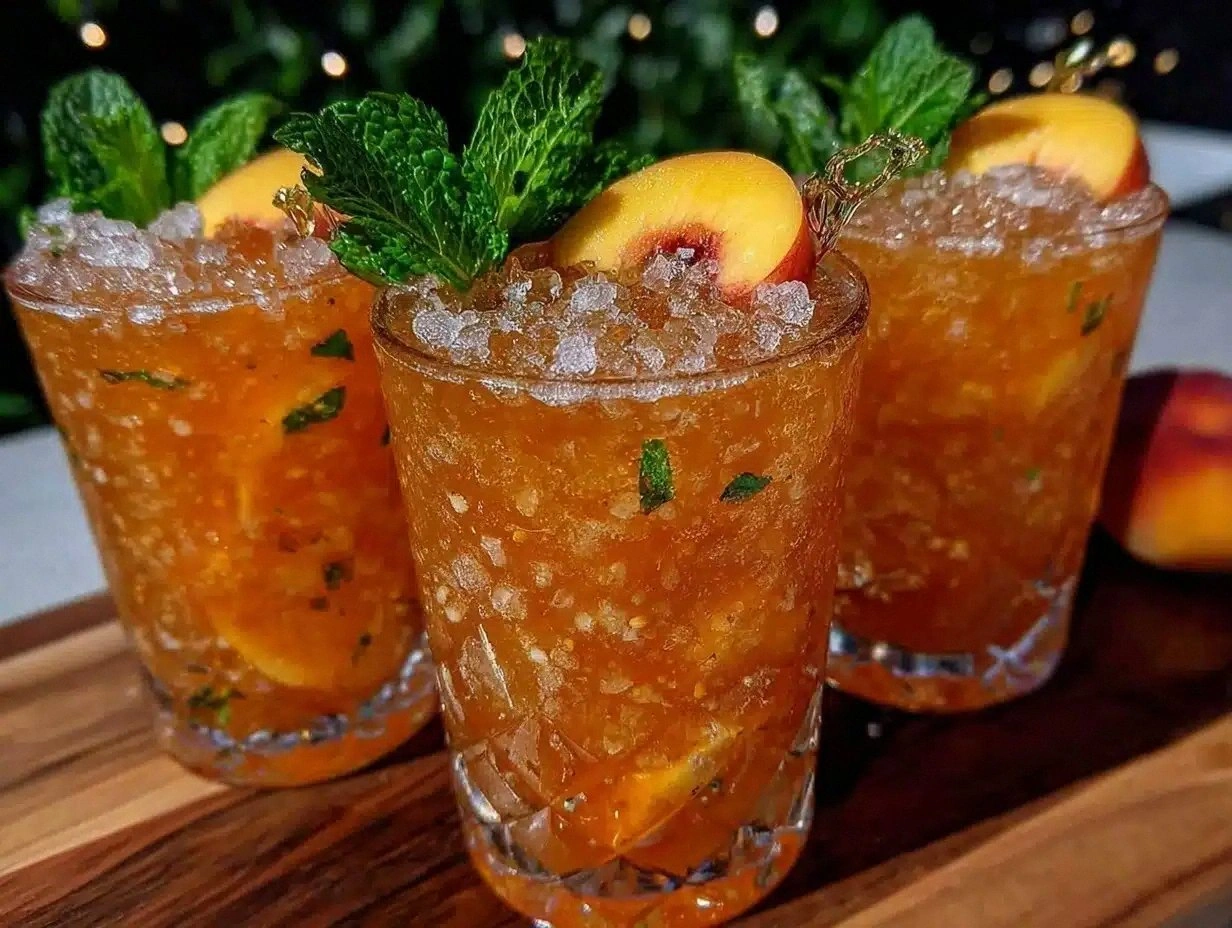
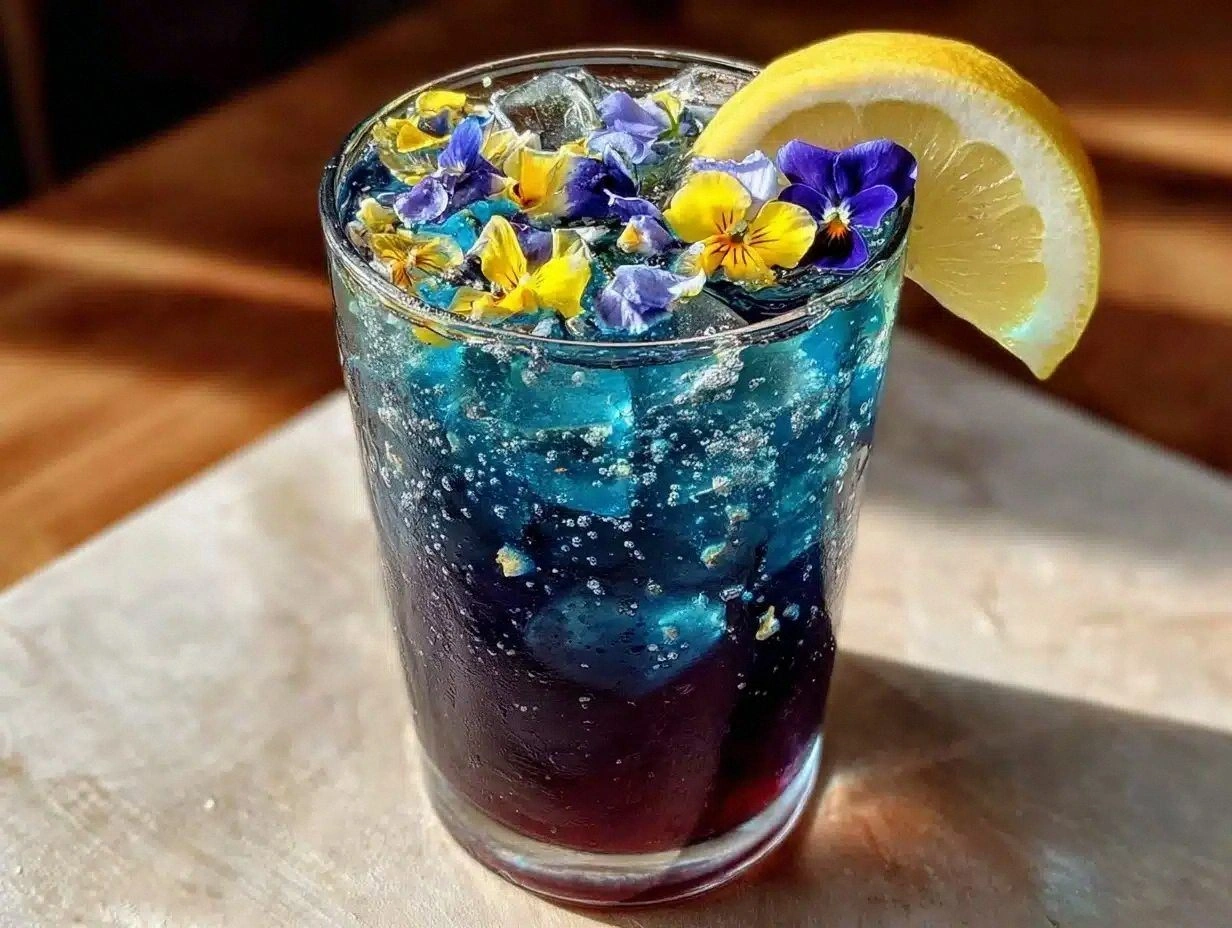
- Ice It Up. Fill glasses halfway with large ice cubes, then pour the lemonade over the ice. As the cold water meets the citrus‑laden base, you’ll watch the color transition in real time—from sapphire to a soft, blush pink. This is the moment of truth, the visual payoff that makes all the prep worth it.
- Garnish and Serve. Add a lemon slice on the rim, a sprig of mint, or a few edible flowers for that extra wow factor. Serve immediately while the ice is still clinking and the color is at its brightest. If you’re serving a crowd, set up a garnish station so guests can customize their own glasses.
- Optional Fizzy Upgrade. For a sparkling version, top each glass with a splash of club soda just before serving. The carbonation adds a lively bite and makes the color shift appear even more dramatic as bubbles rise.
- Store Leftovers. Any remaining lemonade can be kept in a sealed pitcher in the refrigerator for up to three days. The color will stay blue; simply add fresh lemon juice when you’re ready to serve again to reactivate the pink hue.
That's it — you did it. But hold on, I've got a few more tricks that'll take this to another level...
Insider Tricks for Flawless Results
The Temperature Rule Nobody Follows
Steeping the flowers in water that’s just off the boil (around 190°F) extracts color without releasing bitter tannins. I once tried a rolling boil and ended up with a harsh aftertaste that ruined the drink. Keep the water hot enough to release pigments, but not scorching; a quick thermometer check does the trick.
Why Your Nose Knows Best
Before you add the lemon, give the infused water a quick sniff. A faint, grassy aroma means the flowers are still fresh; a sour, fermented smell indicates over‑steeping. Trust your nose—if it smells off, start over with fresh flowers.
The 5‑Minute Rest That Changes Everything
After mixing the lemon‑sugar blend with the blue infusion, let the mixture sit for exactly five minutes before adding ice. This pause allows the acidity to fully react with the anthocyanins, ensuring a uniform pink color across the entire pitcher. Skipping this step often results in streaky hues.
Ice Size Matters
Large, clear ice cubes melt slower, preserving the vivid color longer. I tried crushed ice once, and the lemonade turned watery within minutes, diluting both flavor and hue. If you must use smaller ice, freeze the lemonade itself into cubes first—then you get both chill and flavor.
The Sweetener Switcheroo
Swap raw cane sugar for agave nectar for a lower‑glycemic version, but add it after the lemon juice to avoid crystallization. A friend tried adding agave directly to the hot infusion and ended up with a gritty texture—lesson learned.
Creative Twists and Variations
This recipe is a playground. Here are some of my favorite ways to switch things up:
Tropical Breeze
Add a splash of coconut water and a few pineapple chunks before serving. The extra sweetness pairs beautifully with the floral notes, and the tropical vibe makes it perfect for beach parties.
Spicy Sunset
Muddle a few slices of jalapeño with the lemon juice for a subtle heat. The spice amplifies the pink hue, creating a sunset‑in‑a‑glass effect that’s great for summer barbecues.
Herbal Harmony
Steep a handful of fresh basil or rosemary alongside the butterfly pea flowers. The herbaceous undertone adds depth, and the green specks make the drink look like a garden in a glass.
Berry Burst
Blend a quarter cup of fresh strawberries into the lemon‑sweet mixture before combining with the blue infusion. The natural strawberry pigments blend with the pink, creating a richer, ruby‑red shade that’s perfect for Valentine’s Day.
Mocktail Mojito
Swap the mint garnish for a full mint leaf muddled with a touch of sugar, then top with club soda. This gives you a refreshing mojito‑style mocktail that still boasts the magical color change.
Storing and Bringing It Back to Life
Fridge Storage
Transfer the leftover blue infusion (without lemon) to an airtight glass jar. It stays vibrant for up to three days. When you’re ready to serve, simply stir in fresh lemon juice to reactivate the pink hue.
Freezer Friendly
Portion the infused water into ice‑cube trays and freeze. These “color cubes” can be tossed into any drink for an instant splash of blue that will turn pink as soon as you add acidity.
Best Reheating Method
If you need to warm the infusion (perhaps for a hot tea twist), do it gently over low heat and add a tiny splash of water before reheating. The added moisture prevents the pigments from clumping, ensuring the color returns smoothly.