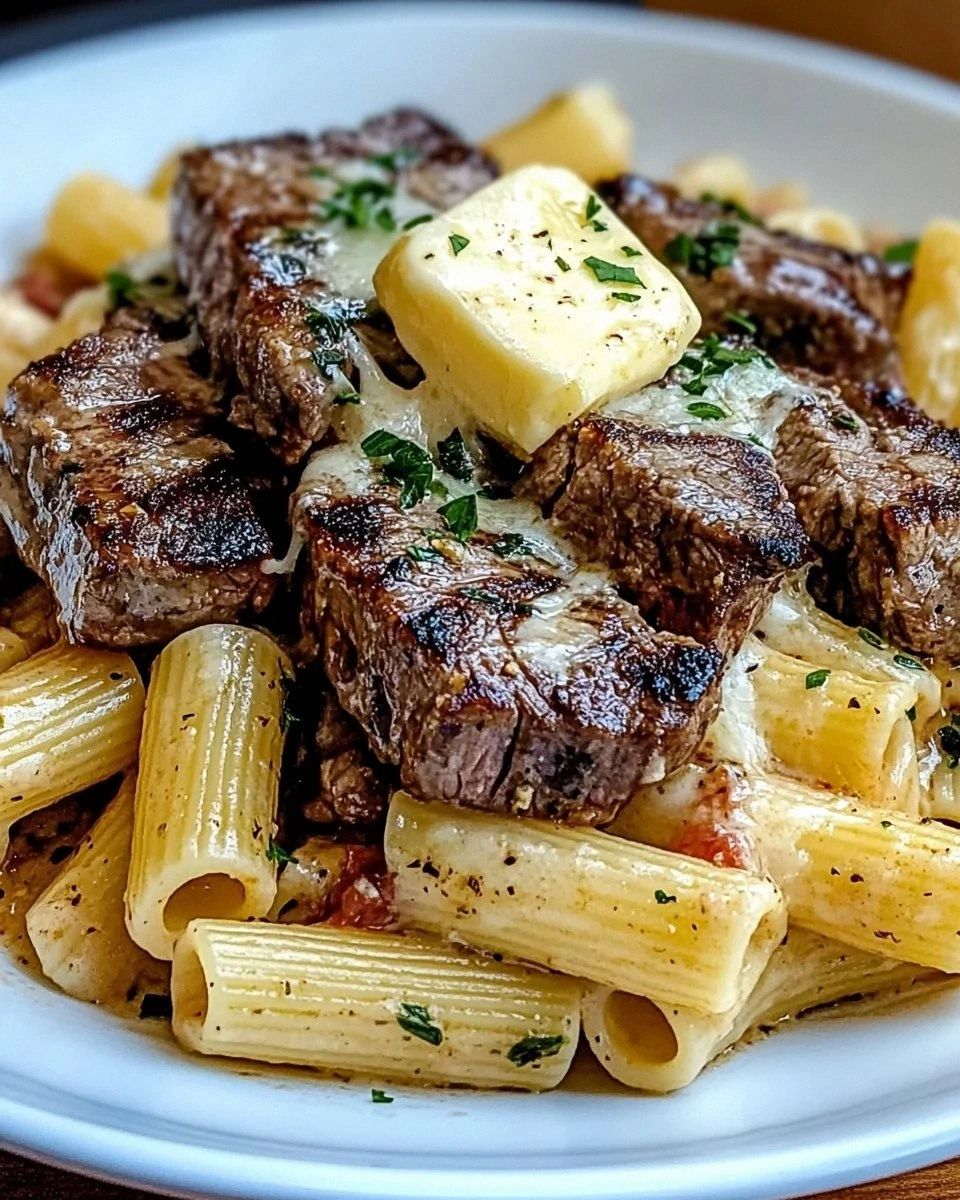
I burned dinner three times trying to perfect this recipe, but the fourth attempt delivered the kind of revelation that makes you dance barefoot in the kitchen while the smoke alarm blares like a backup singer. The first batch tasted like someone had soaked beef in dish soap because I got cocky and tossed raw garlic into screaming-hot butter. The second batch? I forgot the pasta water, so the rigatoni fused into a single, tragic pasta meteor. By the third attempt I had the timing down, but I skimped on the cheese and the sauce split into an oily puddle that looked like it had trust issues. Then came the golden run: steak tips seared until their edges caramelize into meat candy, garlic butter that smells so good the neighbors knocked to ask what criminal activity I was committing, and rigatoni that lounges in a molten cheese cloak so luxurious it should come with a warning label for spontaneous moaning.
Picture this: it's 9:17 p.m., you're still in work clothes, and every fast-food jingle on television feels like a personal attack on your willpower. You open the fridge and see a sad pack of stew meat and half a box of rigatoni that survived last week's pantry raid. Most people would sigh, boil the pasta, dump jarred sauce, and call it adulthood. But not you, not tonight. Tonight we transform humble odds and ends into a restaurant-level comfort bomb that lands somewhere between a steakhouse splurge and the mac-and-cheese dreams you swore you'd outgrown. The steaks get cubed into bite-sized nuggets that cook in minutes, the pasta water becomes liquid gold, and the cheese sauce—oh, the cheese sauce—turns into velvet so decadent it could make a grown accountant weep into his spreadsheet.
Here's the twist nobody expects: we finish the steak in the same garlicky butter we use to bloom the sauce, so every noodle carries a whisper of beefy perfume. Most recipes keep the components separate, scared the steak will overcook or the sauce will split. Rubbish. When you treat the steak tips like flavor sponges and the rigatoni like cheese delivery tubes, magic happens. I dare you to taste this and not go back for seconds before you've even sat down. Fair warning: if you live with other humans, stand guard with a wooden spoon, because forks will appear from nowhere like you're hosting a very polite home invasion.
Let me walk you through every single step—by the end, you'll wonder how you ever made it any other way.
What Makes This Version Stand Out
- Steak Candy Crust: We dry-brine the tips for fifteen minutes with salt and a whisper of baking soda. The science is simple: baking soda raises the pH, accelerating Maillard browning so you get those crispy, beef-jerky edges in half the time.
- Two-Stage Garlic: Raw garlic goes in at the end for brightness, but we also slow-cook smashed cloves in the butter first, infusing every fat molecule with mellow, nutty depth. Double garlic, double happiness.
- Pasta Water Alchemy: Instead of plain cream, we thicken the cheese sauce with starchy rigatoni water. The starch acts like natural emulsifiers, keeping the sauce glossy and clingy rather than greasy.
- One Pan, Zero Drama: Steak rests on a warm plate while the same skillet catches the fond (those caramelized brown bits) and converts it into sauce base. Fewer dishes, more flavor, less cursing at the sink later.
- Customizable Cheese Blend: We use equal parts sharp white cheddar for bite, young Gouda for stretch, and a whisper of Parmesan for umami depth. Swap in fontina or pepper Jack if you like your comfort food with a wink.
- Weeknight Bulletproof Timing: While the steak warms up out of the fridge, the pasta water comes to a boil. Cheese is grated during the steak sear. Everything lands on the table in 35 minutes flat, assuming you don't pause to take fifty blurry photos for social media.
Alright, let's break down exactly what goes into this masterpiece...
Inside the Ingredient List
The Flavor Base
Start with sirloin tips or trimmed chuck flap—both carry enough intramuscular fat to stay juicy but won't require a second mortgage. Cut them into 1-inch cubes; anything smaller overcooks, anything larger needs a steak knife and defeats the whole fork-only vibe. Salt early, not just for seasoning but to draw surface moisture away so the cubes hit that ripping-hot pan like tiny beef missiles. A whisper of baking soda is optional, yet it turns the crust into the kind of mahogany crunch you thought only steakhouses achieved under 1,800-degree broilers.
The Texture Crew
Rigatoni is the pasta equivalent of a catcher's mitt—those ridges and tubes grab sauce like they're paid commission. Undercook by two minutes; the pasta will finish in the cheese bath and soak up flavor without going mushy. Whole milk yogurt might sound weird, but two tablespoons stabilize the sauce so it doesn't break into an oily mess when you reheat leftovers at 2 a.m. while binge-watching courtroom dramas. Fresh garlic is non-negotiable; the pre-minced jarred stuff tastes like angry pickles and will haunt your dreams.
The Unexpected Star
Unsalted cultured butter gives you control over salt levels and adds a gentle tang that supermarket butter can't touch. Save the fancy grass-fed block for toast; here we want butter that will brown quickly and carry garlic perfume without bitter burnt milk solids. A single anchovy fillet melts into the fat and vanishes, leaving only deep savory bass notes that make people ask, "Why does this taste like steakhouse wizardry?" Skip it if you must, but don't come crying when your sauce tastes flat and your dinner guests stage a polite mutiny.
The Final Flourish
Flat-leaf parsley adds grassiness, but the real kicker is a squeeze of lemon right before serving. Acid brightens all that richness and keeps your palate begging for the next bite instead of waving a white flag under the cheese avalanche. Use Pecorino Romano for the finishing sprinkle; it's saltier and punchier than Parmesan and will make you feel like you're dining in a trattoria built inside a Roman basement.
Everything's prepped? Good. Let's get into the real action...
The Method — Step by Step
- Pat the steak tips bone-dry with paper towels—moisture is the enemy of a golden crust—then toss with 1 teaspoon kosher salt and 1/4 teaspoon baking soda. Let them sit on a rack while you mince garlic, grate cheese, and get the rigatoni water boiling. Don't skip the rack; airflow prevents the bottoms from stewing in their own juices. While the steak tempering happens, fill a big pot with 4 quarts of water, season it until it tastes like the Atlantic Ocean, and bring to a rolling boil. This is the foundation of your sauce, so treat it like liquid platinum.
- Heat a 12-inch stainless or cast-iron skillet over medium-high until a drop of water skitters like a nervous ice cube—about 2 minutes. Add 1 tablespoon of the butter; it should foam immediately but not brown. Swirl to coat, then lay the steak tips in a single, bossy layer. Hear that volcanic sizzle? That's the sound of flavor being forged. Leave them alone for 2 full minutes; poking equals tearing the crust and unleashing meat juices that will steam instead of sear. Flip with tongs; the underside should sport a Nutella-colored crust that would make a French chef blush.
- Cook the second side 90 seconds, then transfer steak to a warm plate tenting loosely with foil. They'll finish later in the sauce, so err on the rare side now—trust me, nobody ever sent back steak that required actual chewing. Reduce heat to medium, add the remaining butter and smashed garlic cloves, and swirl until the butter smells like toasted hazelnuts and the garlic blushes golden. This is aromatic heaven; inhale like you're auditioning for a perfume commercial.
- Drop rigatoni into the now-boiling water, stir for 10 seconds to prevent noodle solidarity, and set a timer for 2 minutes less than package directions. Meanwhile, scoop 1 cup of pasta water into a heatproof jug; the starch transforms into a natural roux so your sauce stays silky instead of greasy like cheap mall Alfredo. If you've ever struggled with split cheese sauce, you're not alone—and I've got the fix.
- Fish out the smashed garlic, add minced anchovy and chili flakes, and mash everything into a mahogany paste. Pour in 3/4 cup pasta water; it will hiss like an angry cat, then calm into a glossy emulsion. Whisk in yogurt, then cheese a handful at a time, stirring until each addition melts into molten velvet. The sauce should coat a spoon like liquid velvet; if it looks thin, simmer 30 seconds more. If it looks tight, splash in more pasta water—this is flexible, forgiving magic.
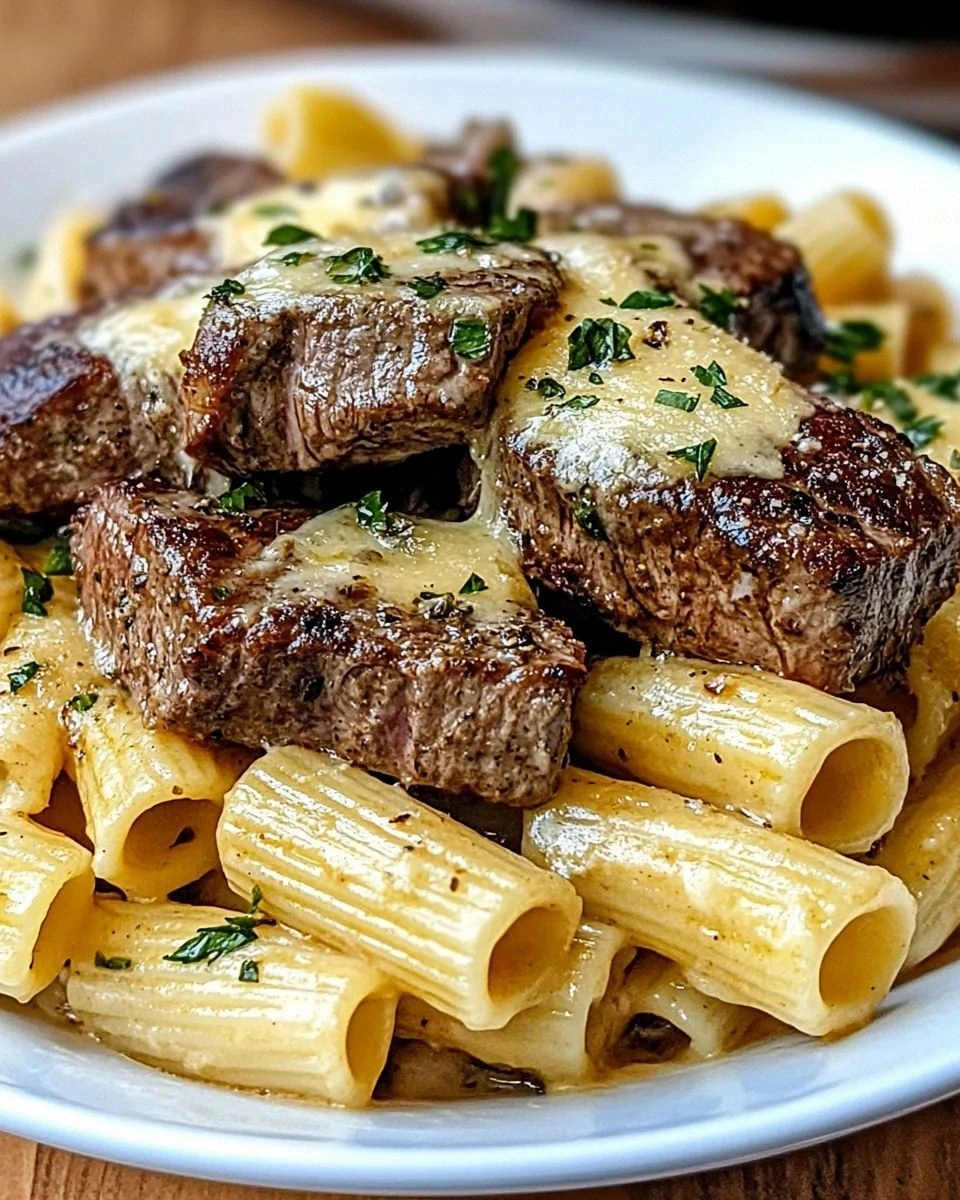
- Drain rigatoni, add it to the skillet, and fold until every tube lounges in cheese like a Roman holiday. Return steak tips plus any resting juices; toss 60 seconds—just long enough to heat steak through without turning it into rubber erasers. The pasta will finish cooking in the sauce, absorbing beefy flavor while the steak stays blush-pink in the center.
- Shut off the heat, add raw minced garlic, parsley, and lemon juice. Stir like you're conducting a symphony; raw garlic hits your nose with spicy brightness that cooked garlic can't deliver. Taste, adjust salt, and prepare for the standing ovation. Serve immediately in warm bowls because cold plates murder cheese sauces faster than arctic breezes.
That's it—you did it. But hold on, I've got a few more tricks that'll take this to another level...
Insider Tricks for Flawless Results
The Temperature Rule Nobody Follows
Steak straight from the fridge hits the pan like an ice cube and immediately starts sweating. That moisture steams the meat, killing any chance of crust. Let the cubes sit on the counter 15 minutes—long enough to take the chill off, short enough to stay food-safe. If you're in a rush, spread them on a metal sheet pan; metal conducts room temp faster than ceramic plates. A friend tried skipping this step once—let's just say it didn't end well, and his dog got an expensive dinner.
Why Your Nose Knows Best
Butter moves through three aromatic stages: melted, foaming, and nutty brown. When it smells like toasted hazelnuts and the foaming subsides, you're in the beurre noisette zone where garlic becomes candy. Go past that and the milk solids burn, giving everything a bitter aftertaste like over-roasted coffee. Trust your olfactory factory; when the kitchen smells like you could bottle it and sell it as cologne, drop in the garlic.
The 5-Minute Rest That Changes Everything
After you finish the dish, cover the skillet with a lid and walk away for five minutes. The pasta absorbs sauce, the cheese relaxes, and the steak fibers reabsorb juices so they don't bleed out onto the plate. During this spa moment, wipe down the counter, pour yourself something cold, and bask in the anticipation. Patience here is the difference between good and "I need a moment alone with this bowl."
Cheese Grater Investment Advice
Pre-shredded cheese contains cellulose to prevent clumping; cellulose repels moisture and gives sauces a gritty texture like wet sand. Buy blocks and grate them yourself—your sauce will reward you with silkiness that makes you feel like you studied dairy science in Switzerland. Plus, freshly grated cheese melts faster, so you spend less time hovering over the pan worrying about grainy disasters.
Creative Twists and Variations
This recipe is a playground. Here are some of my favorite ways to switch things up:
Mushroom Marsala Makeover
Swap half the steak for cremini mushrooms sautéed in butter until they shrink into meaty nuggets. Deglaze the pan with 1/4 cup Marsala wine before adding pasta water; the sweet earthiness marries beautifully with sharp cheddar. Vegetarians at the table will think you planned this just for them, and the omnivores won't miss the beef because mushrooms bring their own glutamate thunder.
Buffalo Blue Cheese Bomb
Replace chili flakes with 2 tablespoons Buffalo hot sauce, fold in crumbled blue cheese at the very end, and finish with celery leaves instead of parsley. The result tastes like wings took a pasta vacation. Serve during playoff games and watch grown adults lick their bowls while yelling at the television.
Surf-and-Turf Seafood Splash
Keep the steak but add 1/2 pound peeled shrimp during the final 90 seconds of sauce simmering. Seafood and cheese break conventional rules, yet the sweet shrimp against nutty Gouda creates a flavor combo that makes rule books look boring. Finish with lemon zest and chive batons for a dish fancy enough for date night yet comforting enough for pajamas.
Green Goddess Veggie Boost
Stir in a cup of baby spinach and 1/2 cup peas when you add the pasta. The greens wilt instantly, adding color and virtuous vibes that offset the cheese avalanche. Kids who normally eschew vegetables will inhale this because the greens are just along for the noodle ride.
Breakfast-for-Dinner Hangover Cure
Top each bowl with a sunny-side-up egg; the runny yolk becomes extra sauce. Substitute smoked cheddar and add diced ham instead of anchovy. You now have breakfast mac-and-cheese that works at 8 p.m. when adulting feels impossible.
Spicy Korean Fire Noodle Remix
Stir 1 tablespoon gochujang into the butter when you add garlic, then finish with kimchi juice and toasted sesame seeds. The fermented heat sneaks up like a K-pop chorus—sweet, spicy, addictive. Top with julienned scallions and a drizzle of sesame oil for a dish that demands chopsticks and a cold beer.
Storing and Bringing It Back to Life
Fridge Storage
Pack leftovers into shallow glass containers; they chill faster and prevent the pasta from over-absorbing sauce and turning mushy. Press plastic wrap directly onto the surface to block air and prevent a rubbery skin. Properly stored, the dish keeps four days, though in my house it vanishes by sunrise. Add a tiny splash of water before reheating—it steams back to perfection instead of drying into cheese concrete.
Freezer Friendly
Freeze in pint-size zip bags laid flat; they thaw in 15 minutes under warm tap water. Undercook the pasta by three minutes if you plan to freeze, because freezing ruptures starch cells and softens texture on the reheat. Thaw overnight in the fridge, then warm gently with a splash of milk. The sauce may look separated at first; keep stirring and it'll re-emulsify like it never spent time in the arctic tundra of your freezer.
Best Reheating Method
Skip the microwave if you want luxurious texture; it overheats cheese proteins and turns them gritty. Instead, warm gently in a covered skillet over low heat with 2 tablespoons liquid (water, milk, or broth). Stir often and patiently—this isn't a race. When the sauce loosens and the steak warms through, kill the heat and add a fresh sprinkle of cheese for that just-made aroma that convinces everyone you cooked again.