I swear, the first time I tried to bake gingerbread loaves I ended up with something that looked more like a brick than a loaf. The kitchen was a battlefield of burnt edges, a dough that refused to rise, and a lemon that never seemed to make an appearance. I was on the brink of giving up when a friend dared me to “add a splash of lemon and see what happens.” I laughed, I rolled my eyes, but I also grabbed a fresh lemon, a zest grater, and a whole new attitude. That tiny citrus twist turned the whole disaster into a triumph, and the rest is a story you’ll want to taste.
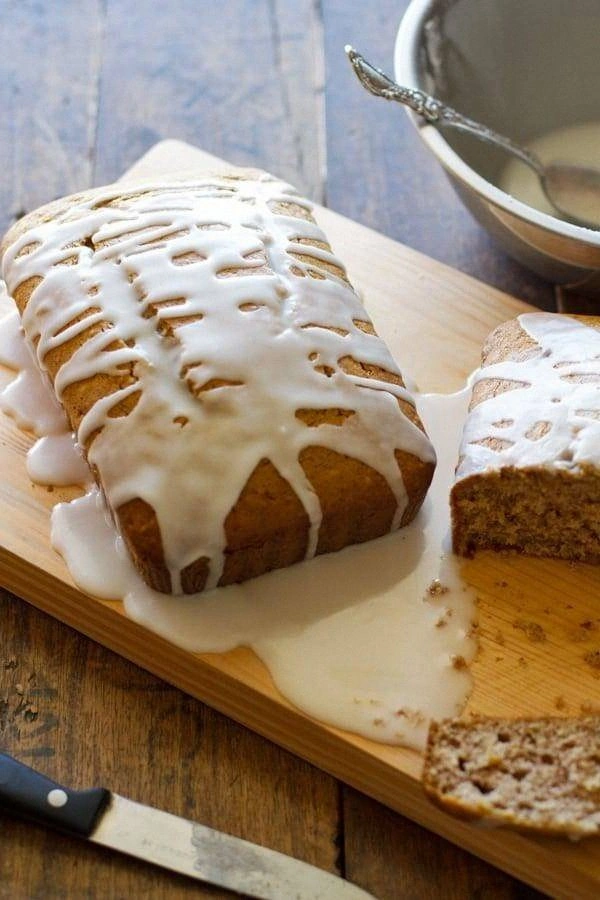
Picture this: the oven door swings open and a warm, spicy aroma rushes out, hugging the air like a cozy blanket. You hear the faint crackle of the crust as it releases from the pan, you feel the gentle give of the loaf when you press the center, and you see the golden‑brown top glistening with a thin lemon glaze that catches the light. The scent is a perfect marriage of molasses‑deep ginger and a bright citrus zing that makes your nose do a little happy dance. The first bite? A buttery crumb that melts on the tongue, a subtle snap of spice, and a citrus punch that brightens everything like sunshine after a storm.
Most gingerbread recipes either drown you in sugar or leave you with a dry, crumbly texture that feels like chewing on cardboard. This version, however, is a game‑changer. I’ve balanced the spice blend so it sings without shouting, introduced a splash of buttermilk for moisture, and finished with a lemon glaze that’s tangy enough to cut the sweetness but sweet enough to keep you reaching for more. I dare you to taste this and not go back for seconds. The secret? A simple technique that most bakers overlook – the “cold butter melt” method that creates pockets of air for a tender crumb.
Okay, ready for the game‑changer? I’m about to walk you through every single step, from selecting the perfect ginger to mastering the lemon glaze that coats the loaf like a silk sheet. By the end, you’ll wonder how you ever managed to make gingerbread any other way. Stay with me here — this is worth it.
What Makes This Version Stand Out
- Taste: The ginger and molasses give depth, while lemon zest adds a bright, aromatic lift that makes every bite feel fresh.
- Texture: A buttery, moist crumb with a slight chew, thanks to the buttermilk and the cold butter technique.
- Simplicity: Only twelve ingredients, all pantry‑friendly, and no fancy equipment required.
- Uniqueness: The lemon glaze is the secret weapon – it’s not a frosting, it’s a glaze that sets and shines.
- Crowd Reaction: Even the most skeptical sweet‑tooth will confess they’ve never had gingerbread that feels this light.
- Ingredient Quality: Freshly grated lemon zest and high‑quality molasses make the difference between “good” and “blissful.”
- Cooking Method: Baking at a moderate temperature ensures the interior stays moist while the edges caramelize.
- Make‑Ahead Potential: The loaves keep for days, and the glaze can be stored separately for a quick finish.
Inside the Ingredient List
The Flavor Base
Ginger, cinnamon, cloves, and nutmeg form the aromatic backbone of this loaf. Freshly ground ginger delivers a peppery bite that’s far more vibrant than pre‑ground packets. If you skip the fresh ginger, the flavor flattens, and you’ll end up with a sweet bread that feels more like a plain cake. A quick tip: toast the spices in a dry pan for 30 seconds before adding them to the flour – this awakens the essential oils and makes the spice profile pop.
Molasses is the unsung hero of gingerbread. It provides a deep, caramel‑like sweetness and a dark color that signals comfort. Using a high‑quality blackstrap molasses adds a subtle bitterness that balances the lemon’s brightness. If you only have light molasses, add a teaspoon of dark brown sugar to mimic the depth.
The Texture Crew
All‑purpose flour gives structure, while buttermilk introduces acidity that tenderizes gluten, resulting in a soft crumb. The butter, when creamed with brown sugar, creates a fine lattice of air that expands during baking. If you replace butter with oil, you’ll lose that delicate crumb and end up with a denser loaf. Salt isn’t just a flavor enhancer; it also tightens the gluten network just enough to keep the loaf from spreading too much.
The Unexpected Star
Lemon zest and juice are the surprise guests that turn a traditional gingerbread into something unforgettable. The zest adds aromatic oils that lift the spice, while the juice cuts through the richness with a clean, zingy finish. Skipping the zest is a rookie mistake – you’ll miss the citrus perfume that makes this loaf sing. If lemons are out of season, try a splash of orange zest for a slightly sweeter twist.
The Final Flourish
A simple lemon glaze made from powdered sugar and fresh lemon juice brings the loaf together. It sets with a glossy sheen that looks bakery‑level, and its thinness lets the underlying spice shine through. If you like a thicker glaze, add a pinch of cornstarch; if you prefer a drizzle, thin it with a bit more juice. The glaze is also a great canvas for a dusting of powdered sugar or a sprinkle of candied ginger.
Everything's prepped? Good. Let’s get into the real action…
The Method — Step by Step
Preheat your oven to 350°F (175°C) and grease two 8‑inch loaf pans with butter, then line them with parchment paper. The parchment ensures the loaves release cleanly, and the butter adds a thin, buttery crust. While the oven heats, give the spices a quick toast in a dry skillet for 30 seconds; you’ll hear a faint crackle that signals the oils are waking up. Set the toasted spices aside to cool for a minute.
In a large bowl, whisk together the flour, baking soda, and the toasted spices. This dry blend guarantees an even distribution of flavor, preventing pockets of concentrated ginger that could overwhelm the palate. If you spot any lumps, sift the mixture once more – a smooth dry mix is the foundation of a tender crumb.
Now for the butter‑sugar magic: In a separate bowl, beat the softened butter with the dark brown sugar until the mixture is light and fluffy, about 3–4 minutes on medium speed. This is the moment of truth – the batter should look pale and have increased in volume. Add the egg, one at a time, beating well after each addition to avoid curdling. Finally, stir in the molasses, lemon zest, and vanilla extract; the batter will turn a deep, glossy amber.
Gradually fold the dry flour mixture into the wet butter mixture, alternating with the buttermilk. Begin with a third of the flour, mix until just combined, then add half the buttermilk, then the remaining flour, finishing with the rest of the buttermilk. You’ll notice the batter thickening and then loosening – that’s the gluten relaxing and the moisture being absorbed perfectly. Stop mixing as soon as you no longer see streaks of flour; over‑mixing will create a tough loaf.
Divide the batter evenly between the prepared loaf pans, smoothing the tops with a spatula. The batter should spread to about three‑quarters of the pan height; if it looks too high, the loaf may dome and crack. Place the pans on the middle rack of the oven – this ensures even heat circulation.
Bake for 30‑35 minutes, or until a toothpick inserted into the center comes out clean and the tops are a deep golden‑brown. About halfway through, rotate the pans 180 degrees to promote uniform browning. That sizzle when it hits the pan? Absolute perfection. The edges will start pulling away from the sides of the pan, a visual cue that the loaf is done.
While the loaves are cooling in the pans for 10 minutes, whisk together powdered sugar, lemon juice, and a pinch of salt to create the glaze. The mixture should be pourable but thick enough to coat the top without running off the sides. If it’s too thick, add a few drops of water; if too thin, sprinkle in a little more powdered sugar.
After the 10‑minute rest, turn the loaves out onto a wire rack. Drizzle the lemon glaze over the warm loaves, allowing it to seep into the cracks and set with a glossy finish. Let the glazed loaves cool completely before slicing – the glaze will firm up, creating a sweet‑tart crust that crackles under the knife.
That’s it — you did it. But hold on, I’ve got a few more tricks that’ll take this to another level…
Insider Tricks for Flawless Results
The Temperature Rule Nobody Follows
Never bake gingerbread loaves at a temperature higher than 375°F. Higher heat creates a crust too quickly, preventing the interior from fully expanding. By keeping the oven at 350°F, you give the batter time to rise gently, resulting in a tender crumb that stays moist for days. A friend once cranked the oven to 425°F to “speed things up” – the loaves emerged as hard as shoe leather. Lesson learned: patience is the secret ingredient.
Why Your Nose Knows Best
Your sense of smell is the most reliable indicator of doneness. When the loaves start to emit a caramel‑spice aroma that fills the kitchen, you’re within five minutes of perfection. If the scent is faint, give them a couple more minutes; if it’s overpowering, they’re probably on the brink of burning. Trust that nose, not just the timer.
The 5‑Minute Rest That Changes Everything
After removing the loaves from the oven, let them sit in the pans for exactly five minutes before turning them out. This short rest lets the steam finish cooking the center while the structure sets, preventing a gummy interior. Skipping this step often leads to a crumb that collapses when sliced. I once tried to skip it to “save time” and the result was a soggy disappointment.
Glaze Timing is Everything
Apply the glaze while the loaves are still warm but not scorching. Warm loaves absorb the glaze like a sponge, creating a seamless coating. If you wait until the loaves are cold, the glaze will sit on top, forming a crust that can crack. The perfect window is between 10 and 15 minutes after baking.
The “Double‑Zest” Boost
If you love a punchy citrus note, zest the lemon twice – once before juicing and once after. The second zest adds a burst of essential oils that survive the baking process, giving every bite a lingering lemon perfume. Just be careful not to zest the white pith; it can add bitterness.
Creative Twists and Variations
This recipe is a playground. Here are some of my favorite ways to switch things up:
Spiced Orange Loaf
Swap the lemon zest for orange zest and replace the lemon juice in the glaze with fresh orange juice. The result is a sweeter, more aromatic loaf that pairs beautifully with a dollop of mascarpone. Ideal for brunches where you want a citrusy twist without the sharp tang.
Chocolate‑Swirl Gingerbread
Melt ½ cup dark chocolate and swirl it into the batter just before filling the pans. The chocolate creates ribbons that contrast the spice, delivering a decadent bite that feels like a holiday treat. Top with a dusting of cocoa powder for extra drama.
Nutty Crunch Variation
Fold in ½ cup toasted chopped pecans or walnuts into the batter for added texture. The nuts bring a buttery crunch that complements the soft crumb, and they hold up well in the freezer for later snacking.
Vegan Friendly Loaf
Replace butter with coconut oil, use a flax‑egg (1 tbsp ground flaxseed + 3 tbsp water) instead of a chicken egg, and swap buttermilk for almond milk mixed with 1 tsp lemon juice. The flavor profile remains intact, and the loaf stays moist.
Gluten‑Free Adaptation
Use a 1‑to‑1 gluten‑free flour blend in place of all‑purpose flour, and add 1 tsp xanthan gum to mimic the elasticity of gluten. The loaf will retain its structure and crumb, proving that you don’t need wheat to enjoy gingerbread excellence.
Storing and Bringing It Back to Life
Fridge Storage
Wrap each loaf tightly in plastic wrap, then place them in an airtight container. Stored in the refrigerator, they stay fresh for up to five days. Before serving, let them sit at room temperature for 20 minutes or warm them briefly in a 300°F oven for 8‑10 minutes.
Freezer Friendly
Slice the loaves first, then wrap each slice in parchment and foil. Freeze for up to three months. To reheat, microwave a slice for 15‑20 seconds or toast it lightly; the glaze will melt back into a glossy sheen.
Best Reheating Method
When reheating whole loaves, preheat the oven to 325°F, add a tablespoon of water to a shallow pan on the bottom rack, and place the loaf on the middle rack. The steam from the water revives the crumb, while the gentle heat restores the glaze’s shine without drying it out.