Picture this: I’m standing in my kitchen, a battered pot of tomato sauce simmering on the stove, when the phone rings. A friend challenges me to outdo the last week’s “world‑class” moussaka that I apparently ruined by over‑cooking the eggplant. I laughed, grabbed my apron, and decided that the only way to prove my culinary mettle was to create a version that would make even the most skeptical palates swoon. That night, the aroma of sizzling onions and garlic filled the air, and the sound of eggplant browning was music to my ears. By the time I pulled the final dish from the oven, the kitchen smelled like a Mediterranean sunrise, and I knew I’d just cracked the code on a truly unforgettable moussaka.
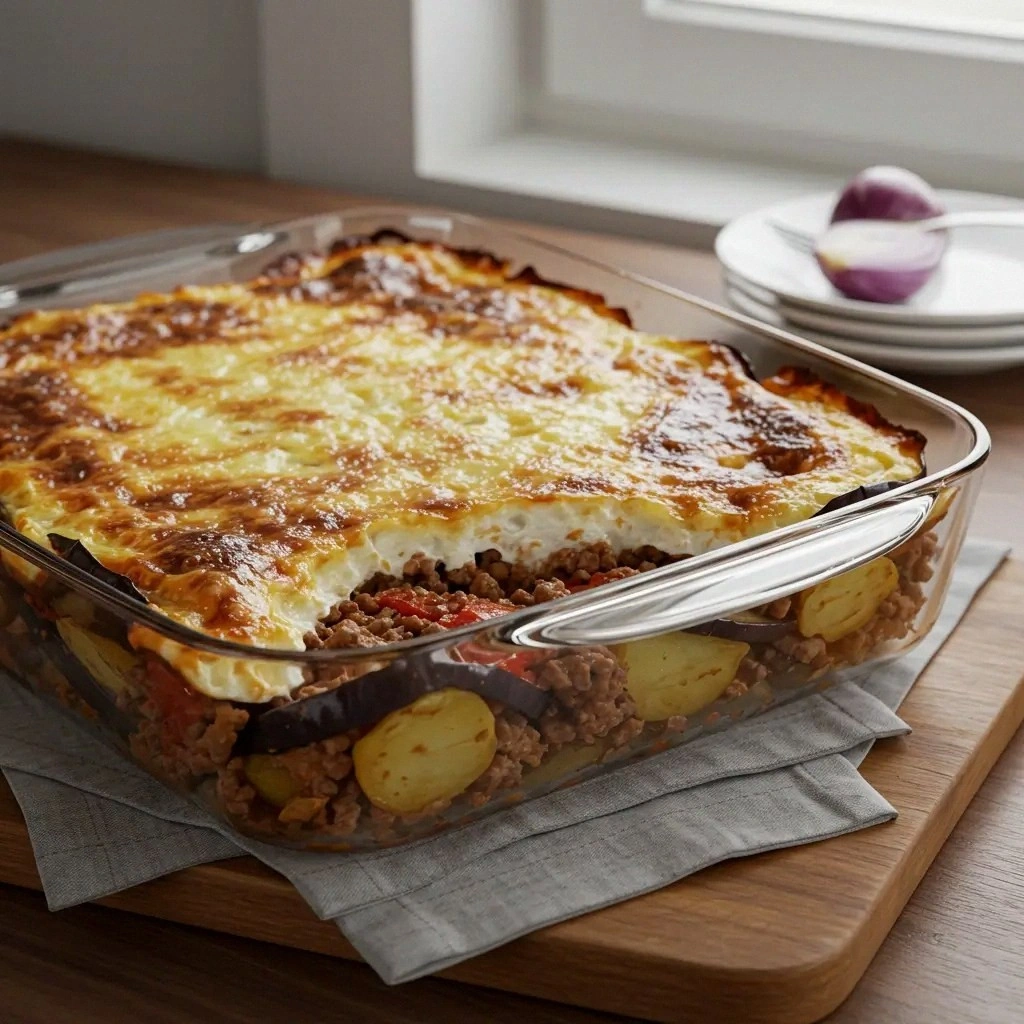
I’ve spent years chasing that perfect balance of savory, sweet, and creamy in Greek dishes, but this one stands out like a lighthouse on a foggy night. The secret? A bold layering of tender, caramelized eggplant, a rich spiced lamb ragù, and a silky béchamel that melts into a golden crust. It’s not just another casserole; it’s a textural symphony where each bite delivers a different sensation—soft, chewy, and crunchy all at once. And the best part? It’s surprisingly simple to assemble, even if you’re a beginner or a seasoned chef looking for a quick, impressive dinner. I dare you to taste this and not go back for seconds.
What makes this version truly remarkable is the way it respects tradition while adding a few modern twists that elevate the flavor profile. I’ve tweaked the classic moussaka by incorporating a splash of red wine for depth, a pinch of allspice for warmth, and a touch of cinnamon that lingers long after the last forkful. The béchamel isn’t just a placeholder; it’s a velvety canvas that carries the richness of butter, flour, and milk, then finishes with a generous layer of grated Kefalotyri for that sharp, salty bite. This isn’t just a recipe; it’s a culinary statement that says, “I’ve mastered this dish.”
Stay with me here—this is worth it. By the end, you’ll wonder how you ever made it any other way. The technique I’m about to share will transform your kitchen experience and make every bite feel like a trip to the Greek coast. Let me walk you through every single step, from slicing the eggplant like a pro to creating a béchamel that coats the layers like velvet. Trust me, you’ll be proud to serve this masterpiece to friends and family who’ll rave about the layers of flavor and texture.
What Makes This Version Stand Out
- Flavor: The combination of lamb, tomato, and a hint of wine creates a depth that feels both earthy and luxurious.
- Texture: Layered eggplant is caramelized on the edges and tender inside, while the béchamel adds a silky finish.
- Simmering Time: The ragù cooks low and slow, allowing the spices to bloom without overpowering the dish.
- Cheese Choice: Kefalotyri gives a sharp, salty contrast that cuts through the richness of the sauce.
- Make‑Ahead: You can assemble the layers and refrigerate overnight; just bake the next day for a fresh, oven‑ready meal.
- Ingredient Quality: Using fresh, high‑quality lamb and ripe tomatoes makes all the difference in taste.
- Visual Appeal: The golden crust and layered look make it Instagram‑ready and mouth‑watering.
- Versatility: Swap lamb for beef, pork, or even a hearty mix of vegetables for a lighter take.
Alright, let's break down exactly what goes into this masterpiece…
Inside the Ingredient List
The Flavor Base
Ground Lamb: The heart of the ragù, ground lamb provides a robust, slightly sweet flavor that pairs beautifully with tomato and spices. If you can’t find lamb, a lean ground beef or a mix of beef and pork works well, but the taste will shift slightly toward a heartier beef profile. The key is to brown it thoroughly so the fat renders and the meat develops a deep brown crust that locks in juices.
The Texture Crew
Eggplant: Eggplant is the star of the show, absorbing flavors like a sponge while maintaining a firm bite. Choose medium‑sized, glossy eggplants that are free of soft spots. Slice them into 1/2‑inch rounds; this thickness ensures they roast evenly, achieving a caramelized edge without becoming mushy inside.
The Unexpected Star
Red Wine: A splash of dry red wine adds acidity and depth, balancing the richness of the lamb and béchamel. If you prefer a non‑alcoholic version, replace the wine with an equal amount of beef stock plus a splash of balsamic vinegar for a similar tang.
The Final Flourish
Kefalotyri Cheese: This hard, salty Greek cheese gives the top a crisp, golden finish and a sharp finish that cuts through the richness. If you can’t find Kefalotyri, Parmesan or Grana Padano will do the trick, though they’re a bit milder. Grate it finely so it melts evenly and creates a glossy sheen.
Everything's prepped? Good. Let's get into the real action…
The Method — Step by Step
- Prepare the Eggplant: Preheat your oven to 400°F (200°C). Arrange the sliced eggplant on a parchment‑lined baking sheet, drizzle with olive oil, and sprinkle lightly with sea salt. Roast for 20 minutes, flipping halfway, until the edges are golden and the slices are tender. This caramelization gives the moussaka its signature crunch.
- Brown the Lamb: While the eggplant roasts, heat a large skillet over medium heat. Add the ground lamb, breaking it apart with a wooden spoon. Cook until the meat turns dark brown and releases its fat, about 8–10 minutes. Drain any excess grease to keep the dish from becoming too oily.
- Build the Ragù: Add the diced onion and minced garlic to the lamb. Sauté until the onion turns translucent, about 4 minutes. Stir in the tomato paste and cook for an additional minute to deepen the flavor. Then pour in the diced tomatoes, red wine, and a cup of stock. Bring the mixture to a gentle simmer, add the bay leaf, cinnamon, and allspice. Let it cook uncovered for 20 minutes, or until the sauce thickens and the flavors meld.
- Make the Béchamel: In a small saucepan, melt the butter over medium heat. Whisk in the flour until a smooth roux forms, cooking for about 2 minutes to remove the raw flour taste. Gradually whisk in the milk, stirring constantly until the sauce thickens to a custard‑like consistency. Remove from heat, stir in a pinch of nutmeg if desired, and season with salt and pepper to taste.
- Assemble the Layers: In a 9×13 inch baking dish, spread a thin layer of the lamb ragù. Arrange a layer of roasted eggplant over it, then pour a third of the béchamel on top. Repeat the layers two more times, finishing with a generous layer of béchamel. Sprinkle the grated cheese evenly over the top. This layering technique ensures each bite has a harmonious balance of textures and flavors.
- Finish with a Golden Crust: Place the assembled dish in the preheated oven and bake for 25–30 minutes, or until the top is bubbling and golden brown. If the top isn’t as golden as you’d like, broil for an additional 2 minutes, watching closely to prevent burning.
- Rest Before Serving: Remove the moussaka from the oven and let it rest for 10 minutes. This allows the layers to set, making slicing easier and keeping the flavors from spilling out. It also gives the béchamel time to thicken slightly, enhancing that silky mouthfeel.
- Serve with Confidence: Slice the moussaka with a sharp knife, ensuring clean edges. Plate each serving with a side of crusty bread or a simple Greek salad to complement the richness. The aroma alone will have your guests anticipating the first bite.
- Enjoy the Moment: Take a moment to savor the first forkful—notice the caramelized eggplant, the savory lamb, and the creamy béchamel all dancing together. This is the culmination of patience, technique, and love for Greek cuisine. I’m convinced you’ll be tempted to taste this and not go back for seconds.
That’s it—you did it! But hold on, I’ve got a few more tricks that will elevate this dish from good to unforgettable. Stay tuned as I dive into insider secrets that even seasoned chefs swear by.
Insider Tricks for Flawless Results
The Temperature Rule Nobody Follows
Keep the oven at a steady 400°F (200°C): Many people lower the temperature after the first bake, which can cause the top to brown unevenly. A consistent heat ensures the béchamel sets properly while the eggplant remains tender. I once tried a two‑stage bake and ended up with a soggy center. Lesson learned: one temperature, one perfect crust.
Why Your Nose Knows Best
Smell the sauce as it simmers: The aroma is a reliable indicator of readiness. When the ragù smells rich and slightly caramelized, it’s time to reduce the heat. A lingering tomato scent means you need more time; a burnt smell signals you’re overcooking. Trust your nose—it’s the secret chef’s compass.
The 5-Minute Rest That Changes Everything
Let the moussaka rest after baking: This step is often overlooked, but it’s critical for achieving clean slices. During the rest, the béchamel thickens slightly and the flavors meld. If you cut it immediately, the sauce will spill and the dish will look messy. I always set a timer for ten minutes; it’s a game‑changer.
The Cheese Swap That Adds Depth
Try adding a layer of feta between the eggplant and lamb: The salty tang of feta cuts through the richness and adds a creamy texture. If you prefer a milder option, sprinkle a handful of crumbled goat cheese for a subtle, earthy finish. This small tweak elevates the dish without complicating the process.
The Quick Marinade for Eggplant
Marinate the eggplant slices in olive oil, lemon juice, and oregano for 15 minutes before roasting: This infuses the eggplant with bright citrus notes and reduces bitterness. The lemon also helps the eggplant absorb the oil, leading to a crispier texture. I’ve found this step turns a plain eggplant into a flavor powerhouse.
Creative Twists and Variations
This recipe is a playground. Here are some of my favorite ways to switch things up:
Mediterranean Mushroom Moussaka
Swap the lamb for a mix of shiitake and cremini mushrooms: Cook them until caramelized, then add the same tomato sauce. The earthy flavor pairs beautifully with the béchamel, creating a vegetarian delight that still feels hearty.
Spicy Chorizo Moussaka
Use smoked chorizo instead of lamb: Dice and brown the chorizo until it releases its oils, then proceed with the tomato base. The smoky heat adds a new dimension, making this version perfect for spice lovers.
Roasted Beetroot Moussaka
Layer roasted beetroot slices in place of eggplant: The sweet, earthy beet adds color and a subtle sweetness that contrasts with the savory ragù. This variant is visually stunning and offers a different flavor profile.
Lemon‑Herb Chicken Moussaka
Replace lamb with diced chicken breast: Cook the chicken with lemon zest, thyme, and rosemary. The lightness of chicken makes this version a lighter dinner option while still delivering the classic moussaka experience.
Vegan Mushroom & Lentil Moussaka
Use cooked lentils and sautéed mushrooms for the ragù: Combine with tomato sauce, oregano, and a splash of soy sauce for depth. Finish with a dairy‑free béchamel made from cashew cream and nutritional yeast for a cheesy flavor.
Sweet Potato Moussaka
Layer thinly sliced sweet potatoes instead of eggplant: Roast until caramelized and use the same lamb ragù. The sweetness balances the savory, making for a comforting and slightly different twist.
Storing and Bringing It Back to Life
Fridge Storage
Store in an airtight container for up to 3 days: The layers will hold together, but the béchamel may soften slightly. When you’re ready to serve, reheat gently in the oven at 350°F (175°C) for 15 minutes, or until warmed through.
Freezer Friendly
Wrap the assembled dish tightly in plastic wrap and then foil: Freeze for up to 2 months. To reheat, thaw overnight in the fridge and bake at 350°F (175°C) for 25–30 minutes, or until the top is golden. The flavor remains robust after freezing.
Best Reheating Method
Use the oven instead of the microwave: Microwaving can make the béchamel watery and the eggplant soggy. If you must microwave, cover with a damp paper towel and heat in short bursts, then finish in the oven for a crisp crust.