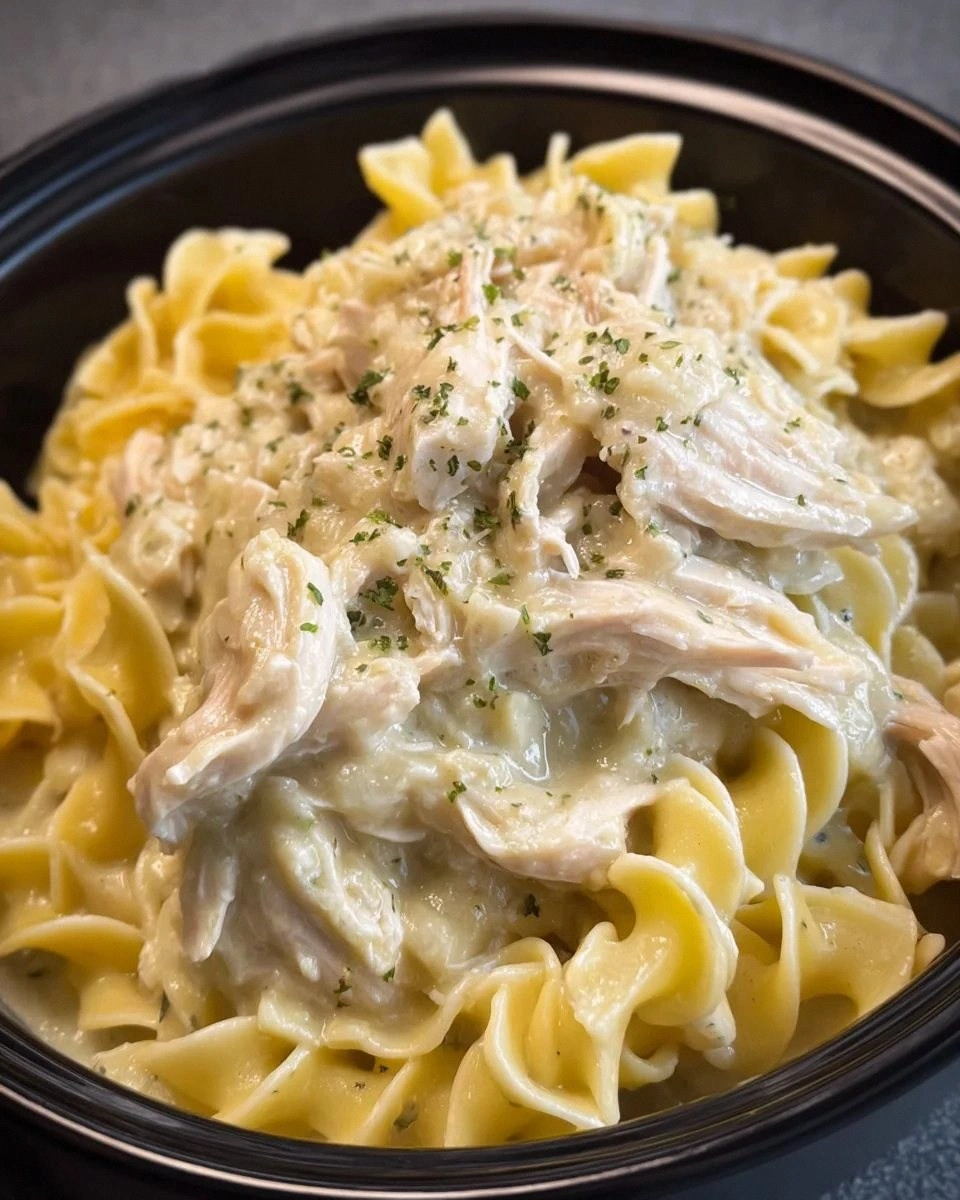
Picture this: it’s a Tuesday, the clock is ticking, and your fridge is a chaotic collage of half‑eaten veggies and a lone chicken breast that’s been staring at you for three days. I’m standing in the middle of that mess, clutching a recipe that I found in a dusty cookbook and a Pinterest board that promised “the ultimate protein‑packed roasted vegetable.” I thought, “Why not?” The kitchen lights flickered, the oven preheated, and the aroma of garlic and olive oil began to dance through the air. I was about to create a dish that would turn an ordinary weeknight into a culinary celebration.
The first bite was a revelation. The orzo was tender yet firm, the zucchini and bell peppers had those caramelized edges that crackle like thin ice, and the white beans added a subtle creaminess that made the dish feel like a comfort food with a protein punch. The feta and mozzarella pearls melted into pockets of salty sweetness, while the pine nuts added a crunchy, nutty counterpoint that lifted the whole plate. Lemon zest and fresh basil injected a bright, herbal zing that cut through the richness. It was a symphony of textures and flavors that I’d never tasted in a single bowl before.
I dare you to taste this and not go back for seconds. I’ve tried countless roasted vegetable recipes over the years, and most of them miss that delicate balance of crispness and tenderness, or they’re too dry, or the protein component is bland. This version is hands down the best you’ll ever make at home. The secret? A blend of simple, high‑quality ingredients and a few technique tweaks that elevate the dish from good to unforgettable.
If you’ve ever struggled with getting vegetables to roast evenly, or if you’re looking for a protein‑rich meal that’s quick enough for a busy weeknight, you’re not alone — and I’ve got the fix. Picture yourself pulling this out of the oven, the whole kitchen smelling incredible, and everyone asking for the recipe. Stay with me here — this is worth it.
What Makes This Version Stand Out
- Taste: The combination of caramelized vegetables, creamy beans, and melty cheeses creates a layered flavor profile that feels both comforting and adventurous. The citrusy finish from the lemon brightens every bite.
- Texture: The contrast between crispy edges of roasted peppers and the soft, pillowy orzo keeps every mouthful interesting. The beans add a velvety bite that ties everything together.
- Simplicity: With only a handful of pantry staples and fresh produce, you can assemble this dish in under 30 minutes. No fancy sauces or complicated steps.
- Uniqueness: The addition of fresh mozzarella pearls and pine nuts is a game‑changer, providing a surprising twist that sets this recipe apart from standard roasted vegetable bowls.
- Crowd Reaction: Friends who tried it said it was the best roasted vegetable they’d ever had, and they’re not known for being picky.
- Ingredient Quality: Using high‑quality feta and fresh basil ensures that every component shines. The beans should be drained and rinsed for a cleaner taste.
- Cooking Method: The single‑pan approach means less cleanup and a more efficient cooking process.
- Make‑ahead Potential: This dish holds up well in the fridge and even tastes better the next day as the flavors meld.
Alright, let’s break down exactly what goes into this masterpiece…
Inside the Ingredient List
The Flavor Base
At the heart of this dish is a simple yet powerful flavor foundation. The olive oil, garlic, and Italian seasoning mingle to create a savory coating that lifts every ingredient. Olive oil not only adds richness but also helps the vegetables caramelize properly. Garlic provides a depth of flavor that, when toasted, becomes slightly sweet and nutty. Italian seasoning, a blend of oregano, basil, and thyme, brings an aromatic quality that complements the fresh basil added later.
Skipping any of these components will leave the dish feeling flat. If you’re looking for a low‑fat version, reduce the olive oil by a tablespoon, but be prepared for slightly less crispness. For an extra burst of umami, sprinkle a pinch of dried rosemary on the pan before roasting.
The Texture Crew
Orzo pasta is the unsung hero that absorbs the juices and adds a pleasant chew. Its small shape means it cooks quickly, making it perfect for a fast weeknight meal. When you toss it with the vegetables, it creates a unified bowl where each bite contains a little bit of everything.
White beans bring a silky texture that contrasts with the crunchy vegetables. Cannellini beans are chosen for their mild flavor and creamy consistency. If you prefer a plant‑based protein, swap them for chickpeas, which will add a slightly nuttier taste.
The cheese components—feta and mozzarella pearls—add a creamy, salty layer that melts into pockets of indulgence. The feta’s tang cuts through the richness of the beans, while the mozzarella’s gooeyness creates a delightful melt. If you’re dairy‑free, substitute a vegan cheese that melts well, such as a coconut‑based mozzarella alternative.
The Unexpected Star
Pine nuts are the secret weapon that gives this dish its final flourish. They provide a subtle crunch and a nutty flavor that ties the dish together. Pine nuts are also a good source of healthy fats and protein, making them a perfect match for the protein‑rich theme.
If pine nuts are out of reach, walnuts or almonds work as a crunchy alternative, though the flavor profile will shift slightly. Be sure to toast them lightly before adding them to avoid a bitter taste.
The Final Flourish
Fresh basil and lemon are the finishing touches that brighten the dish. Basil adds a peppery, slightly sweet aroma, while lemon zest and juice provide a bright, citrusy lift that cuts through the richness. The combination of basil and lemon is classic in Mediterranean cuisine, but it feels fresh and modern in this roasted vegetable bowl.
If you’re a fan of extra zing, sprinkle a few drops of balsamic reduction over the finished dish. It adds a sweet, tangy glaze that pairs beautifully with the roasted veggies.
Everything's prepped? Good. Let's get into the real action…
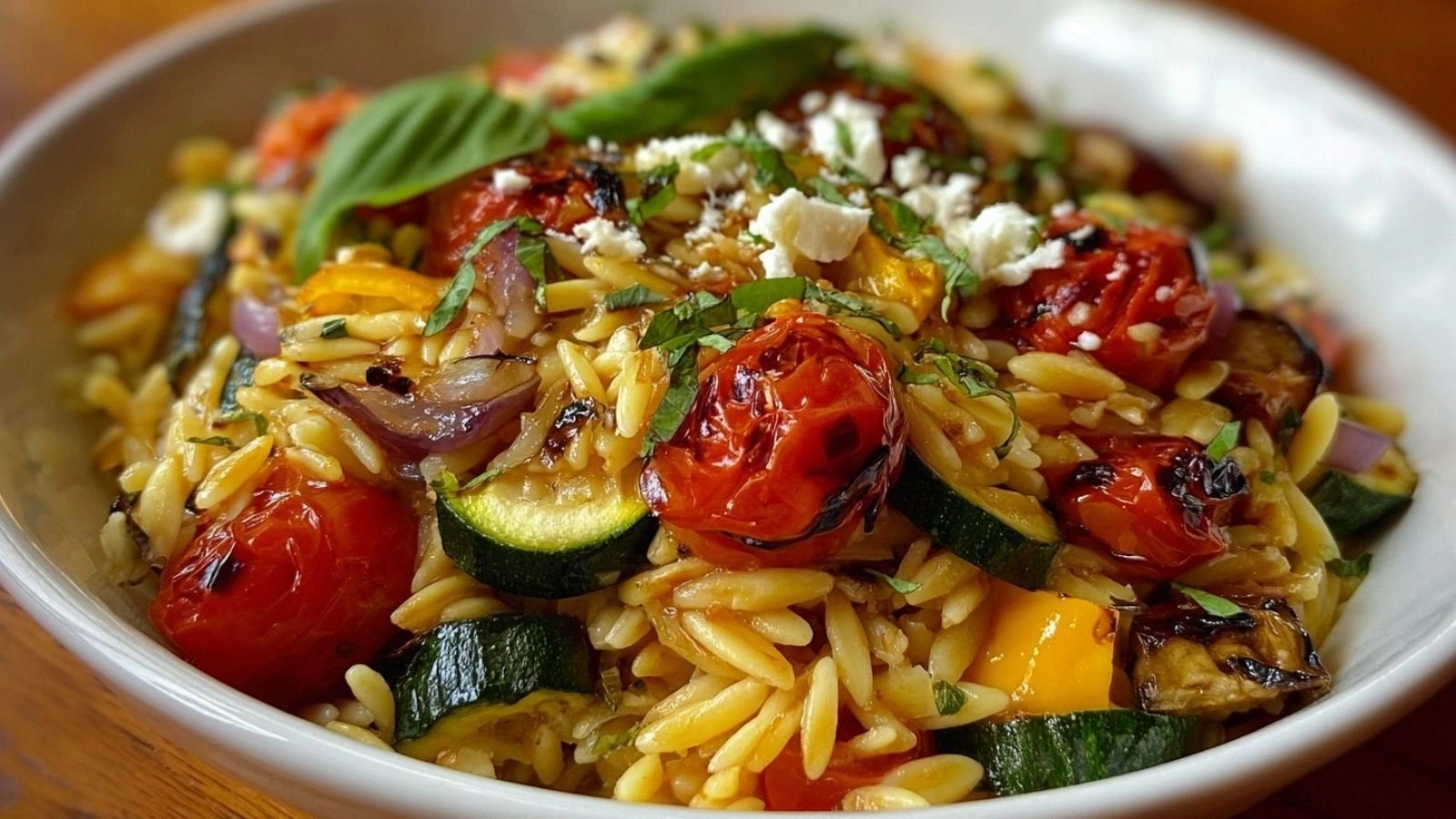
The Method — Step by Step
- Preheat your oven to 425°F (220°C). While the oven is heating, wash and dry all vegetables. Patting them dry is essential; moisture will steam instead of roast.
- Cut the zucchini, bell peppers, and red onion into bite‑sized pieces. Aim for uniformity so everything cooks evenly. Toss them in a bowl with 2 tablespoons of olive oil, minced garlic, Italian seasoning, and a pinch of salt and pepper.
- Spread the seasoned veggies in a single layer on a large baking sheet. Make sure they’re not crowded; overcrowding leads to steaming. Roast for 20 minutes, stirring halfway through, until the edges begin to brown.
- While the veggies roast, cook the orzo according to package instructions, but stop 2 minutes before al dente. Drain and set aside; the orzo will absorb flavors later.
- Add the drained white beans and the chicken breast (cut into cubes) to the pan with the vegetables. Drizzle the remaining tablespoon of olive oil over them. Continue roasting for another 10 minutes, or until the chicken is cooked through.
- Remove the pan from the oven and sprinkle the crumbled feta and mozzarella pearls over the hot mixture. Let the cheeses melt for 2 minutes before removing the pan.
- Stir in the cooked orzo and pine nuts. Toss everything together until the orzo is coated and the pine nuts are evenly distributed.
- Finish with a generous squeeze of fresh lemon juice, a handful of chopped basil, and a drizzle of olive oil. Give it one last toss, then transfer to serving bowls.
That's it — you did it. But hold on, I've got a few more tricks that'll take this to another level. Stay tuned for insider tips that will refine the texture, flavor, and presentation of this dish.
Insider Tricks for Flawless Results
The Temperature Rule Nobody Follows
Many people roast vegetables at a lower temperature, but that often leads to soggy results. I’ve found that 425°F is the sweet spot: it caramelizes the edges without burning the interior. If your oven runs hot, lower the temperature by 25°F and add a few extra minutes to compensate.
Why Your Nose Knows Best
Before you pull the pan out, listen for that toasty aroma. It’s a clear sign that the vegetables are perfectly roasted. If the scent is faint, give them a few more minutes. Your nose is the best judge of doneness.
The 5‑Minute Rest That Changes Everything
Letting the roasted mixture rest for 5 minutes after removing it from the oven allows the juices to redistribute. This step ensures the chicken remains moist and the vegetables stay tender. I’ve seen people skip it, and the result is a dry, unevenly seasoned dish.
Cheese Placement for Maximum Melt
Adding the cheeses right after removing the pan from the oven gives them just enough heat to melt without overcooking. If you add them too early, they may become rubbery. Timing is everything.
Stirring Technique
Use a large wooden spoon to gently toss the mixture. This ensures the orzo and pine nuts are evenly distributed without crushing the veggies. A gentle toss also helps the cheese melt uniformly.
Serving Suggestion for Extra Crunch
Right before serving, sprinkle a handful of toasted pine nuts over the dish. The fresh crunch contrasts beautifully with the soft components. If you’re in a hurry, pre‑toast them while the veggies roast.
Creative Twists and Variations
This recipe is a playground. Here are some of my favorite ways to switch things up:
Greek‑Inspired Twist
Replace the Italian seasoning with oregano and a splash of oregano‑infused olive oil. Add Kalamata olives and a drizzle of tzatziki sauce for an extra burst of Mediterranean flavor.
Spicy Kick
Add a pinch of red pepper flakes to the vegetable mixture before roasting. Finish with a swirl of harissa sauce for a fiery finish that pairs well with the mild beans.
Vegan Version
Omit the chicken and cheeses. Substitute the white beans with chickpeas or lentils for protein. Use a plant‑based mozzarella alternative and finish with a sprinkle of nutritional yeast for a cheesy aroma.
Breakfast Boost
Serve the roasted vegetable and orzo bowl over a poached egg for a protein‑packed breakfast. The runny yolk adds a creamy texture that complements the dish.
Low‑Carb Variation
Replace the orzo with cauliflower rice or zucchini noodles. This keeps the dish low in carbs while maintaining the same flavor profile.
Asian Fusion
Swap the Italian seasoning for a mixture of soy sauce, sesame oil, and ginger. Add a handful of edamame and top with toasted sesame seeds for an Asian twist.
Storing and Bringing It Back to Life
Fridge Storage
Cool the dish completely before placing it in an airtight container. Store in the refrigerator for up to 4 days. The flavors deepen over time, making it even more delicious.
Freezer Friendly
Pack the dish in a freezer‑safe container or zip‑lock bag. Freeze for up to 2 months. Thaw overnight in the refrigerator before reheating.
Best Reheating Method
Reheat in a skillet over medium heat, adding a splash of water or broth to keep the mixture moist. Stir frequently until heated through. A tiny splash of water before reheating steams the dish back to perfection.