I was standing in my kitchen, half‑asleep, staring at a half‑finished tiramisu that looked more like a sad, soggy pancake than the elegant Italian masterpiece I’d promised my friends. The coffee had gone cold, the mascarpone was clumpy, and I could already hear the collective sigh of disappointment echoing across the room. That moment of culinary crisis sparked a dare: “I bet you can’t make a tiramisu that never needs an oven and still tastes like a cloud of caramel‑spiced heaven.” I accepted, and what happened next was nothing short of a revelation. I reached for a jar of Biscoff Cookie Butter, those golden, caramel‑laden spreads that have been haunting my pantry for months, and decided to let them rewrite the rules.
Picture this: the buttery aroma of Biscoff mingling with the deep, earthy notes of freshly brewed coffee, the silky smoothness of mascarpone hugging a whisper of heavy cream, and a crumbly layer of crunchy Biscoff cookies that shatter under your fork like delicate glass. The kitchen filled with a scent that was simultaneously nostalgic—like the first bite of a speculoos‑laden cookie from a European bakery—and futuristic, because we were doing it all without ever turning on the oven. My taste buds were doing a happy dance, and I could already hear the inevitable chorus of “more, please!” from the crowd that would later gather around my table.
Most tiramisu recipes get this completely wrong. They either demand a marathon of soaking ladyfingers, a temperamental egg‑yolk custard, or a refrigerator that feels like a freezer. This version flips the script: we replace traditional ladyfingers with Biscoff cookies, we skip raw eggs entirely, and we let the magic happen in a single, no‑bake assembly. The result? A dessert that’s as easy as it is unforgettable, with a texture that’s simultaneously creamy, crunchy, and airy—like biting into a dream that refuses to melt away. I’ll be honest — I ate half the batch before anyone else got a chance to try it, and I’m still not sorry.
Now, I’m about to walk you through every single step — by the end, you’ll wonder how you ever made tiramisu any other way. I’ll reveal the secret ingredient swap that gives this dessert its signature caramel‑spice punch, the exact technique for a mousse that holds its shape without a whisk, and a few cheeky tricks that will make you look like a dessert guru at your next dinner party. Okay, ready for the game‑changer? Let’s dive in.
What Makes This Version Stand Out
- Flavor Fusion: The buttery, caramel‑rich Biscoff Cookie Butter merges with espresso‑kissed coffee, creating a flavor profile that’s both familiar and wildly new.
- Texture Symphony: You get the crunch of crushed Biscoff cookies, the silk of mascarpone, and the lightness of whipped cream—all in one bite.
- Simplicity: No oven, no raw eggs, no complicated tempering—just a handful of pantry staples and a couple of minutes of assembly.
- Unique Ingredient: Biscoff Cookie Butter replaces traditional sugar‑soaked ladyfingers, delivering a caramel‑spice depth you won’t find elsewhere.
- Crowd‑Pleaser: Even the most skeptical dessert skeptics confess, “I dare you to taste this and not go back for seconds.”
- Make‑Ahead Magic: This tiramisu improves after a few hours in the fridge, letting the flavors meld like a well‑rehearsed choir.
- Ingredient Quality: Using real Biscoff cookies (not the imitation) and a high‑fat mascarpone guarantees richness without any artificial aftertaste.
- Versatile Base: The same method works for mini‑parfaits, individual jars, or a grand family‑size trifle.
Alright, let's break down exactly what goes into this masterpiece...
Inside the Ingredient List
The Flavor Base
Biscoff Cookie Butter (1 cup): This is the heart‑and‑soul of the dessert. Its caramel‑spice notes give the tiramisu that signature depth you’d normally get from a long‑soaked espresso soak. If you skip it, you lose the buttery richness that makes each forkful feel like a hug. A good swap is a mixture of equal parts smooth peanut butter and a dash of cinnamon, but you’ll miss the authentic speculoos flavor.
Coffee (1 cup): Freshly brewed, strong coffee provides the bitter counterpoint to the sweet Biscoff. It’s the espresso whisper that lifts the dessert from “sweet” to “sophisticated.” Use a dark roast for maximum intensity; a weak brew will make the dessert taste flat. If you’re avoiding caffeine, replace with chilled decaf coffee or a splash of espresso‑flavored liqueur.
The Texture Crew
Mascarpone Cheese (1 cup): This Italian cream cheese is the buttery canvas that holds everything together. It’s thick, but when whisked with sugar and cream, it becomes airy yet stable. Using low‑fat mascarpone will result in a watery mousse, so always opt for the full‑fat version.
Heavy Cream (1 cup): Whipped to soft peaks, it lightens the mascarpone mixture, giving the tiramisu that melt‑in‑your‑mouth feel. Over‑whipping turns it into butter, which will make the mousse grainy. Keep an eye on the texture—soft peaks are your sweet spot.
Granulated Sugar (1/2 cup): It sweetens the cream mixture and helps stabilize the whipped cream. If you prefer a less sweet dessert, reduce to 1/3 cup, but remember the Biscoff already adds a natural caramel sweetness.
The Unexpected Star
Biscoff Cookies (20 cookies): These crunchy, spiced biscuits replace traditional ladyfingers. Their crisp edges shatter like thin ice when you bite, providing a satisfying contrast to the silky mousse. If you can’t find them, substitute with ginger snaps for a spicy twist, but the flavor profile will shift dramatically.
Crushed Biscoff Cookies (1/2 cup): Sprinkled between layers, they add an extra crunch and reinforce the Biscoff flavor throughout. Skipping this step makes the texture too uniform; you’ll miss that delightful crunch.
The Final Flourish
Warmed Biscoff Cookie Butter (1/4 cup): Drizzled on top just before serving, this glossy finish adds a glossy sheen and an extra burst of caramel‑spice aroma. It’s the visual cue that tells your guests “this dessert is serious business.” If you forget to warm it, it will sit on top like a stubborn glaze and won’t spread evenly.
Everything's prepped? Good. Let's get into the real action...
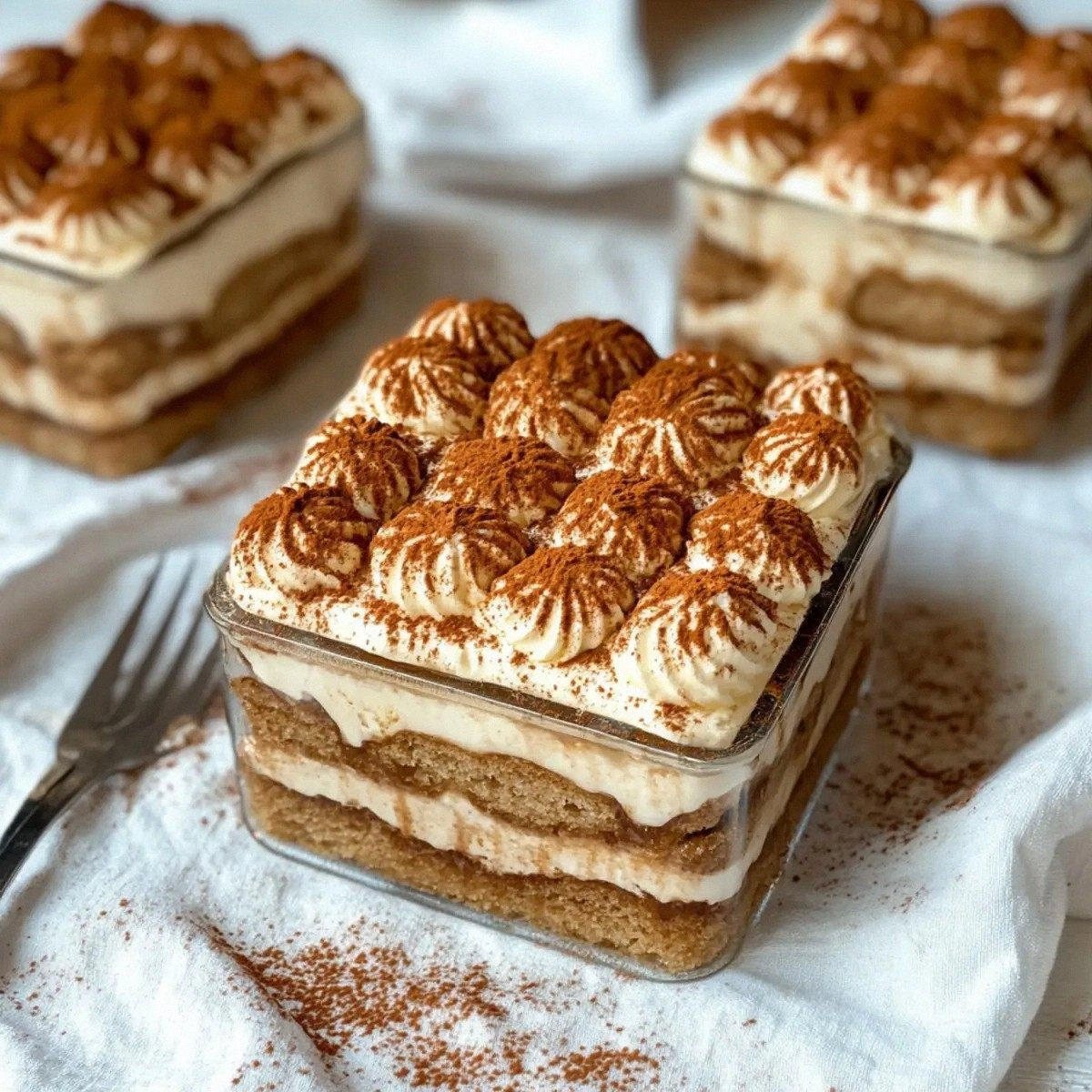
The Method — Step by Step
First, brew a strong cup of coffee (about 1 cup) and let it cool to room temperature. While the coffee is cooling, break the 20 Biscoff cookies into roughly 1‑inch pieces. This step is crucial because the pieces need to be big enough to hold their shape but small enough to soak quickly. I dare you to taste this and not go back for seconds—once the coffee hits the cookies, the aroma alone will convince you.
In a large mixing bowl, combine 1 cup of Biscoff Cookie Butter with the cooled coffee. Stir until the mixture is smooth and glossy. The coffee should blend in like a dark river flowing through caramel, creating a deep mahogany hue. Power transition: This is the moment of truth—if the mixture looks lumpy, keep whisking; you want a seamless, velvety soak.
Add the broken Biscoff pieces to the coffee‑butter bath. Let them soak for exactly 2‑3 minutes, stirring gently so each piece gets a good coating. You’ll notice the cookies soften but still retain a slight crunch.
Kitchen Hack: If you’re in a hurry, microwave the coffee‑cookie mixture for 10 seconds; the heat speeds up absorption without making the cookies mushy.While the cookies are soaking, whip 1 cup of heavy cream with 1/2 cup granulated sugar until soft peaks form. This should take about 3‑4 minutes on medium speed. The cream will double in volume and become airy, like a cloud waiting to be folded into the mascarpone.
In a separate bowl, beat 1 cup of mascarpone cheese until smooth, then gently fold in the whipped cream. The mixture should be light, glossy, and hold its shape when lifted with a spatula.
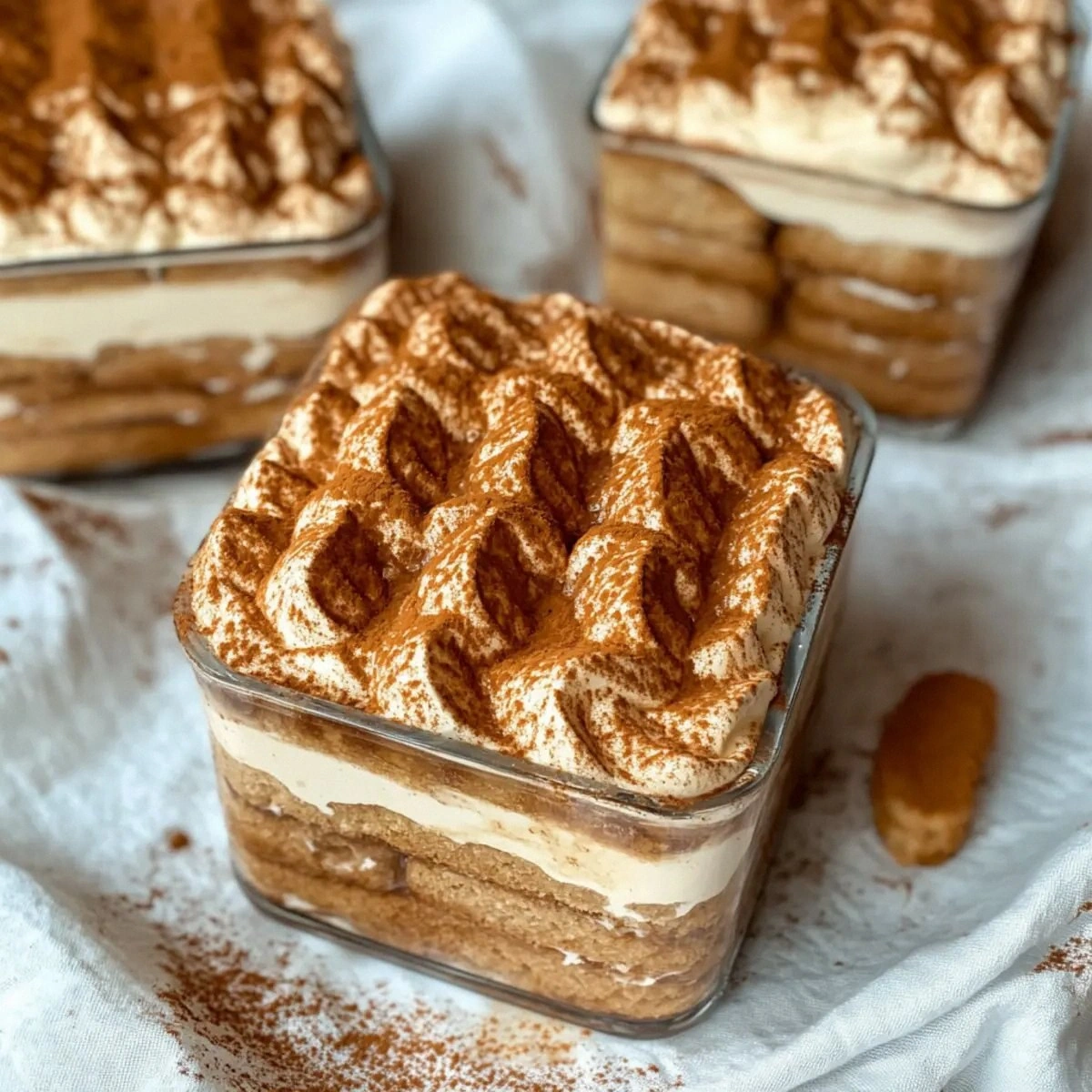
Watch Out: Over‑mixing can cause the mascarpone to break down and become watery. Stop as soon as the texture looks uniform.Now it’s assembly time. Take a clear glass dish (or individual ramekins for a fancy presentation) and start with a layer of the soaked Biscoff pieces, spreading them evenly across the bottom. Spoon a generous layer of the mascarpone‑cream mixture over the cookies, smoothing it with the back of a spoon. Sprinkle 1/2 cup of crushed Biscoff cookies on top for an added crunch. Repeat the layers until you run out of ingredients, finishing with a smooth top of the cream mixture.
Drizzle the warmed 1/4 cup of Biscoff Cookie Butter over the final layer. Use a spoon to swirl it gently, creating a marbled effect that looks as good as it tastes. This glossy finish is pure magic—watch the light reflect off the caramel surface and imagine the delighted faces of your guests.
Cover the dish with plastic wrap and refrigerate for at least 4 hours, preferably overnight. This resting period lets the flavors meld, the cookies soften just enough, and the mousse set to a perfect sliceable consistency. Future pacing: Picture yourself pulling this out of the fridge, the whole kitchen smelling incredible, and serving it to a crowd that can’t stop asking for the recipe.
That's it — you did it. But hold on, I've got a few more tricks that'll take this to another level...
Insider Tricks for Flawless Results
The Temperature Rule Nobody Follows
Always bring your mascarpone, heavy cream, and even the Biscoff Cookie Butter to room temperature before mixing. Cold ingredients cause the mixture to seize, resulting in a grainy texture. I once tried to whip cold cream straight from the fridge and ended up with butter—hardly the airy cloud I was aiming for. Letting everything sit for 15‑20 minutes is a tiny time investment for a massive payoff.
Why Your Nose Knows Best
When you fold the whipped cream into the mascarpone, stop and sniff the mixture. If you can still detect a raw dairy scent, the mascarpone hasn’t fully softened. Trust your nose; a subtle sweet aroma means the fats have blended perfectly. This sensory checkpoint saves you from serving a dessert that smells like a dairy factory.
The 5‑Minute Rest That Changes Everything
After assembling the layers, let the tiramisu sit uncovered for 5 minutes before covering it. This brief pause allows the top layer to set slightly, preventing a soggy surface when you finally refrigerate. It’s a small hack that makes the final presentation look polished and prevents the whipped cream from sliding off when you slice.
The Secret Crunch Boost
Toast the crushed Biscoff cookies lightly in a dry skillet for 30 seconds before sprinkling them between layers. The extra toasty note adds a depth that even the most devoted Biscoff fans will notice. A friend once tried skipping this step and complained the dessert felt “flat”—the toasted crumbs are the hidden hero.
The Final Glaze Whisper
When drizzling the warm Biscoff butter on top, do it in a slow, circular motion, letting the butter pool in the center before spiraling outward. This technique creates a glossy, marble‑like finish that looks restaurant‑ready.
Creative Twists and Variations
This recipe is a playground. Here are some of my favorite ways to switch things up:
Mocha Madness
Add a tablespoon of instant espresso powder to the coffee soak and a drizzle of chocolate ganache on top. The bitter‑sweet combo turns the dessert into a coffee‑lover’s dream, perfect for brunch.
Spiced Rum Rum‑Runner
Replace half of the coffee with a splash of spiced rum and sprinkle a pinch of ground nutmeg into the mascarpone mixture. The warm, boozy undertone makes this version ideal for holiday gatherings.
Berry Burst
Fold a cup of fresh mixed berries (strawberries, raspberries, blueberries) into the mascarpone‑cream layer. The tart berries cut through the caramel richness, offering a refreshing contrast.
Nutty Delight
Stir in a quarter cup of finely chopped toasted hazelnuts into the crushed Biscoff topping. The nutty crunch adds another texture dimension and pairs beautifully with the speculoos flavor.
Vegan Victory
Swap mascarpone for a plant‑based cream cheese, use coconut cream instead of heavy cream, and ensure the Biscoff Cookie Butter is dairy‑free. The result is a vegan tiramisu that still delivers that indulgent, creamy experience.
Storing and Bringing It Back to Life
Fridge Storage
Cover the tiramisu tightly with plastic wrap and store it in the refrigerator for up to 3 days. The flavors continue to meld, becoming even more cohesive. Before serving, let it sit at room temperature for 10 minutes to soften the edges.
Freezer Friendly
If you need to keep it longer, freeze the assembled tiramisu (uncovered) for up to 1 month. When ready to eat, transfer to the fridge to thaw overnight, then drizzle a fresh splash of warmed Biscoff butter for that glossy finish.
Best Reheating Method
Tiramisu is best served cold, but if you crave a warm twist, microwave a single serving for 15‑20 seconds, adding a tiny splash of water (about a teaspoon) before heating. The steam revives the mousse, making it silky again without turning it into a puddle.