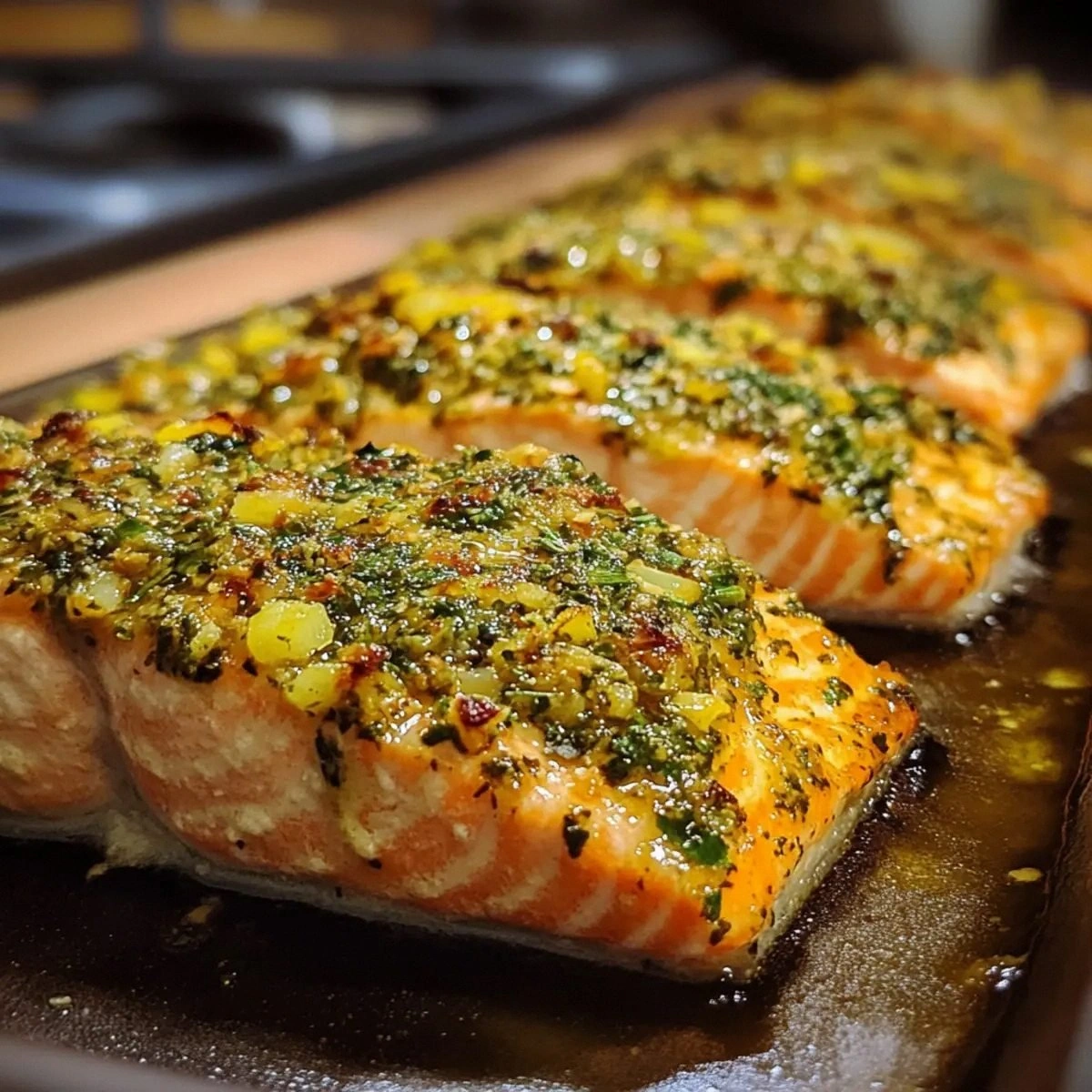
I’ll be honest — I ate half the batch before anyone else got to try it. The moment the honey caramelized into a golden glaze and the mustard added a subtle bite, I knew this wasn’t just another salmon recipe. The crust became a buttery, slightly crunchy armor that cracked like thin ice when you pressed on it, revealing tender, flaky flesh beneath. That sizzle when it hits the pan? Absolute perfection. It’s the kind of moment that turns a simple dinner into a culinary memory that lingers long after the last bite.
Most recipes get this completely wrong, either by overcooking the fish or by letting the glaze burn to a bitter char. This version is hands down the best you’ll ever make at home because it balances sweet, tangy, and herbaceous flavors with a texture that’s both crisp and succulent. The secret? A quick, easy herb crust that locks in moisture and delivers a burst of freshness with every forkful. I dare you to taste this and not go back for seconds; the combination of honey, mustard, and fresh herbs will have you reaching for the next fillet before you even realize you’re finished.
Picture yourself pulling this out of the oven, the whole kitchen smelling incredible, and your guests’ eyes lighting up as they see the glossy, caramelized crust. The anticipation is almost tangible, and when the first forkful hits the palate, the sweet honey, sharp mustard, and aromatic dill dance together in a harmony that feels both sophisticated and comforting. The moment you realize the salmon is perfectly cooked — flaky yet firm, with a crust that cracks like thin ice — you’ll wonder how you ever made it any other way. Let me walk you through every single step — by the end, you’ll wonder how you ever made it any other way.
What Makes This Version Stand Out
- Flavor: The honey and mustard create a balanced glaze that is sweet, tangy, and slightly spicy, cutting through the richness of the salmon.
- Texture: The breadcrumb crust adds a delightful crunch that contrasts with the silky interior of the fish.
- Freshness: Fresh parsley and dill bring a bright, herbaceous note that lifts the dish, making it feel light and airy.
- Simplicity: Every step can be completed in 15 minutes of prep and 30 minutes of cooking, perfect for a weeknight dinner.
- Versatility: Swap the honey for maple syrup or the Dijon for whole-grain mustard and the dish remains a crowd‑pleaser.
- Make‑ahead Friendly: The glaze can be prepared a day in advance, and the salmon can be baked just before serving.
- Visual Appeal: The caramelized glaze gives the fillets a glossy, appetizing look that looks as good as it tastes.
- Health‑Conscious: The dish is high in protein and omega‑3s, with a modest amount of carbs from the breadcrumbs.
Inside the Ingredient List
The Flavor Base
Honey is the star of the show, providing a natural sweetness that caramelizes beautifully when heated. Its floral undertones pair perfectly with the sharp bite of Dijon mustard, creating a glaze that coats the salmon like velvet. If you can’t find honey, a drizzle of maple syrup will work, though it will bring a slightly different sweetness profile. Remember, honey’s moisture content can affect the glaze’s thickness; if it’s too runny, let it sit for a few minutes to thicken before mixing.
Dijon mustard is the backbone of the glaze, offering a peppery kick that cuts through the richness of the fish. The grainy texture of Dijon adds a subtle crunch, and its acidity brightens the overall flavor. Should you prefer a milder mustard, whole‑grain or yellow mustard will still provide that essential tang, but the glaze will be less complex. A pinch of cayenne pepper can add a gentle heat if you like a little spice.
The Texture Crew
Breadcrumbs form the crispy exterior that’s essential to this recipe. They absorb the glaze and create a crunchy shell that protects the salmon from overcooking. Panko breadcrumbs give a lighter, airier crunch, while regular breadcrumbs produce a denser crust. If you’re gluten‑free, opt for cornflake crumbs or a gluten‑free breadcrumb mix; just be sure they’re toasted lightly beforehand to avoid a soggy finish.
Olive oil is the lubricant that keeps the fillets from sticking to the pan and helps the glaze set. It also adds a subtle fruity flavor that complements the honey. A light drizzle of extra‑virgin olive oil before baking will give the crust a slightly golden hue. If you’re looking for a buttery flavor, a small amount of clarified butter can replace the oil for a richer finish.
The Unexpected Star
Fresh dill and parsley bring a burst of green, herbal brightness that offsets the sweetness of the glaze. Dill’s piney notes add depth, while parsley offers a clean, peppery finish. If you’re out of fresh herbs, a tablespoon of dried dill and parsley will still provide the aromatic punch. The herbs also act as a natural preservative, keeping the fillets fresher longer.
Garlic is the unsung hero that adds a savory undertone. When minced finely and mixed into the glaze, it releases its flavor without overpowering the sweetness. If you’re sensitive to garlic, you can reduce it to one clove or replace it with garlic powder for a milder taste.
The Final Flourish
Lemon juice brightens the dish and adds a citrusy zing that balances the honey’s sweetness. The acidity also helps tenderize the salmon, ensuring it stays moist. A squeeze of fresh lemon before serving gives the dish a fresh, bright finish. If you prefer a more robust citrus flavor, a splash of orange juice can add a subtle sweetness that complements the honey.
Everything’s prepped? Good. Let’s get into the real action...
The Method — Step by Step
- Preheat your oven to 400°F (200°C). Line a baking sheet with parchment paper or a silicone mat to prevent sticking. This simple step ensures even cooking and easy cleanup. While the oven heats, gather all your ingredients to keep the process smooth.
- In a small bowl, whisk together the honey, Dijon mustard, olive oil, and lemon juice until the mixture is smooth and glossy. The glaze should look like a thick, amber liquid. If it’s too thick, add a teaspoon of water to thin it slightly; if too thin, let it sit for a few minutes to thicken naturally. This glaze will be the flavor backbone of the dish.
- Finely mince the garlic cloves and chop the parsley and dill. Toss the minced garlic, chopped herbs, and breadcrumbs together in a shallow dish. The herbs add freshness, while the breadcrumbs form the crunchy crust. A pinch of salt and pepper rounds out the flavor profile.
- Pat the salmon fillets dry with paper towels. This step is crucial to ensure the glaze adheres properly and the crust crisps up. Lightly season each fillet with salt and pepper, then brush the honey‑mustard glaze generously over the top. The glaze should coat the fillets like a silk scarf.
- Press the breadcrumb mixture onto the glazed side of each fillet, ensuring an even coating. The breadcrumb layer should be thick enough to hold the glaze but not so thick that it overwhelms the fish. This step creates the signature crunch that makes the dish unforgettable.
- Place the fillets on the prepared baking sheet, skin side down if they have skin. Bake for 12–15 minutes, or until the salmon flakes easily with a fork and the crust turns a deep amber. Keep an eye on the edges; they should start pulling away from the parchment, indicating they’re crisping up nicely.
- While the salmon is baking, set a small saucepan over medium heat and add a splash of water. This trick will keep the crust from drying out too quickly and will create a subtle steam that keeps the fillets moist.
- When the salmon is done, remove it from the oven and let it rest for 2–3 minutes. This brief rest allows the juices to redistribute, ensuring each bite is juicy. The crust should still be crisp, and the glaze should have caramelized into a glossy finish.
- Serve immediately, garnished with a sprinkle of fresh herbs or a wedge of lemon if desired. Pair with a light salad or steamed vegetables for a balanced meal. The aroma alone will have your guests lining up for seconds.
- Enjoy the symphony of flavors: sweet honey, sharp mustard, aromatic herbs, and the buttery texture of the salmon. This dish is perfect for a quick dinner or a special occasion, and it’s sure to become a staple in your culinary repertoire.
That’s it — you did it. But hold on, I've got a few more tricks that'll take this to another level...
Insider Tricks for Flawless Results
The Temperature Rule Nobody Follows
Many home cooks bake salmon at 375°F, but that temperature can leave the fillets unevenly cooked. Baking at 400°F allows the crust to crisp up while the interior stays moist. If your oven runs hot, reduce the time by a minute or two. Keep the oven door closed as much as possible to maintain a steady temperature.
Why Your Nose Knows Best
The scent of honey caramelizing in the oven is a clear indicator that the glaze is on the right track. If the smell is too sweet, give it a minute; if it’s already slightly burnt, remove the fillets immediately to prevent bitterness. Your nose is a reliable guide in the kitchen, so trust it when the aroma shifts.
The 5‑Minute Rest That Changes Everything
After baking, let the salmon rest for at least five minutes before cutting. This pause allows the juices to redistribute, preventing the fillets from drying out. It also gives the breadcrumb crust a chance to firm up slightly, ensuring a crisp bite with every forkful.
Use a Baking Sheet with a Rack
Elevating the fillets on a rack while they bake allows hot air to circulate around them, resulting in a more even cook. It also prevents the bottom from becoming soggy if you’re using a glaze that contains a lot of liquid. A simple wire rack works great, and it’s easy to clean afterward.
Add a Dash of Brown Sugar
A tablespoon of brown sugar mixed into the glaze adds depth and a subtle molasses flavor that pairs wonderfully with the honey. It also helps the glaze caramelize faster, giving the crust a beautiful golden finish. Just be careful not to add too much, or the glaze will become overly sweet.
Creative Twists and Variations
This recipe is a playground. Here are some of my favorite ways to switch things up:
Citrus‑Infused Crust
Swap the lemon juice for a splash of orange or grapefruit juice, and add zest from the same fruit to the breadcrumb mixture. The citrus will give the crust a bright, tangy flavor that pairs beautifully with the honey. It’s a great way to make the dish feel lighter and more refreshing.
Spicy Honey‑Mustard
Add a teaspoon of sriracha or a pinch of cayenne pepper to the glaze for a spicy kick. The heat will contrast the sweet honey and create a layered flavor profile. This variation is perfect for those who love a little spice in their meals.
Herb‑Rich Mediterranean Twist
Replace the parsley and dill with a mixture of oregano, thyme, and basil. Add a few capers to the breadcrumb layer for a briny pop. The result is a Mediterranean‑inspired salmon that feels exotic and comforting at the same time.
Smoky Chipotle Glaze
Blend a tablespoon of chipotle in adobo sauce into the honey‑mustard mixture. The smoky flavor will give the crust a deep, earthy undertone. Pair with a side of roasted sweet potatoes for a complete meal.
Panko Crunch Upgrade
Use panko breadcrumbs instead of regular ones for an extra airy, crunchy crust. Toast the panko in a dry skillet until golden before adding it to the glaze. This subtle change will elevate the texture and give the dish a more refined feel.
Gluten‑Free Delight
Swap the breadcrumbs for crushed gluten‑free crackers or cornflake crumbs. Ensure they’re toasted lightly to maintain the crunch. This version keeps the dish gluten‑free without compromising on flavor or texture.
Storing and Bringing It Back to Life
Fridge Storage
Store leftover salmon in an airtight container in the refrigerator for up to 3 days. Keep the glaze separate to prevent the crust from becoming soggy. When ready to eat, reheat in a preheated oven at 350°F for 5–7 minutes, or microwave on low power for 30 seconds.
Freezer Friendly
For longer storage, wrap each fillet individually in parchment paper and place them in a freezer bag. Freeze for up to 2 months. Thaw overnight in the refrigerator before reheating as described above. This method preserves the texture and flavor.
Best Reheating Method
To bring the salmon back to life, reheat it on a skillet over medium heat for 2–3 minutes on each side. Add a splash of water or broth to create steam, which keeps the flesh moist. Finish with a drizzle of olive oil or a squeeze of fresh lemon to restore brightness.