I still remember the night I almost set my kitchen on fire trying to make "authentic" Korean ramen. There I was, juggling six different pans, a sink full of dishes, and a growling stomach that sounded like a dying walrus. Two hours later, I had a mediocre bowl of noodles and a smoke alarm serenading the neighborhood. Fast forward to last Tuesday night: I walked in the door at 7:23 PM, kicked off my shoes, and twenty-three minutes later I was slurping the most incredible Korean-style ground beef ramen that would make a Seoul street vendor weep with joy. The secret? I stopped trying to be fancy and started being smart.
This isn't just another "throw some stuff in a pan" recipe — though trust me, we'll do plenty of that. This is the culmination of six months of weekly ramen experiments, three failed relationships (apparently not everyone appreciates midnight noodle tastings), and one epiphany in the international aisle of my local grocery store. The moment I discovered that gochujang isn't just chili paste but liquid gold that transforms humble ground beef into something that tastes like it simmered for hours, everything changed. Now I'm that friend who shows up to potlucks with a slow cooker full of this stuff and leaves with empty containers and a dozen recipe requests scribbled on napkins.
What you're about to make isn't restaurant copycat food — it's better. We're talking about noodles that swim in a sauce so addictive you'll be tempted to drink it straight from the pan (I may or may not speak from experience). The beef gets this caramelized edge that shatters between your teeth while staying juicy inside, and the whole thing comes together faster than you can order takeout. I dare you to taste this and not go back for seconds. Actually, I double-dog dare you, because I ate half the batch before anyone else got to try it, and I need someone else to validate my life choices.
Picture yourself pulling this together after a brutal workday, the garlic hitting hot oil and filling your kitchen with that intoxicating aroma that makes neighbors knock on your door. The sauce thickens and turns this gorgeous mahogany color while you stand there in your work clothes, probably burning your tongue because you couldn't wait for it to cool. This next part? Pure magic. Let me walk you through every single step — by the end, you'll wonder how you ever made it any other way.
What Makes This Version Stand Out
- Lightning Fast: We're talking twenty minutes from fridge to face, which means this recipe respects your time better than most of your friends. While other recipes have you simmering bones for hours like you're opening a restaurant, we're using smart shortcuts that don't sacrifice flavor.
- Flavor Bomb Sauce: The combination of gochujang, soy sauce, and brown sugar creates this sticky, glossy coating that clings to every noodle like it was born to be there. Most recipes get this completely wrong by making watery sauces that pool at the bottom — not here.
- Texture Paradise: Ground beef gets this incredible crispy edge when you cook it right, and those instant ramen noodles absorb sauce like tiny flavor sponges. Every bite has this perfect contrast of tender beef, chewy noodles, and crunchy sesame seeds.
- Pantry Hero: Everything comes from ingredients you probably already have or can find at any grocery store. No specialty stores, no hard-to-find items, no "where the heck do I find Korean chili threads at 8 PM on a Tuesday."
- Customizable Heat: Gochujang gives you that authentic Korean kick, but you're in complete control. Want it milder than a kindergarten teacher's weekend? Use less. Want to breathe fire like a K-pop dragon? Pile it on.
- Meal Prep Champion: This stuff reheats like a dream, actually tasting better the next day when the flavors have time to mingle and get cozy. Make a double batch and thank yourself later when you're too tired to function.
- One-Pan Wonder: Everything happens in a single skillet, which means minimal dishes and maximum happiness. Because nothing kills the joy of a good meal like facing a mountain of dirty pots and pans.
Alright, let's break down exactly what goes into this masterpiece...
Inside the Ingredient List
The Flavor Foundation
Ground beef isn't just the protein here — it's the flavor sponge that soaks up every bit of that incredible sauce. I use 80/20 because the fat carries flavor better than a gossip carries secrets, but you can go leaner if you're feeling virtuous. The key is breaking it up into pieces no bigger than a blueberry so every morsel gets maximum surface area for browning. Don't season it yet — we're building layers here, people.
Sesame oil is your secret weapon for that restaurant-quality depth. Just a teaspoon transforms the whole dish from "pretty good" to "shut up and take my money" levels of delicious. Go for toasted sesame oil, not the pale stuff — we're after that nutty, aromatic punch that makes your taste buds sit up and pay attention. Store it in the fridge and it'll stay fresh for months, though mine never lasts that long.
The Umami Squad
Gochujang is the MVP that most people mess up by either using too much or too little. Start conservative — you can always add more, but you can't un-spice your face. This fermented chili paste brings heat, sure, but also this incredible complexity that tastes like someone's Korean grandmother spent hours on it. If you can't find it, sriracha will work in a pinch, but you'll miss that deep, funky flavor that makes this dish special.
Soy sauce isn't just salty — it's umami in liquid form. I prefer low-sodium because we're reducing the sauce and regular soy can turn into a salt lick. The trick is adding it in stages so you can taste and adjust. Dark soy sauce will give you that gorgeous color, but regular works fine if that's what you've got.
The Sweet and Tangy Balance
Brown sugar might seem weird in savory food, but it's the bridge that connects all the other flavors. It tames the heat from gochujang, balances the salt from soy sauce, and helps create that sticky glaze we want. Don't skip it — I tried once and ended up with angry, separated sauce that tasted like it had commitment issues.
Rice vinegar is the unsung hero that most recipes forget. Just a splash brightens everything up and keeps the dish from feeling heavy. No rice vinegar? Lime juice works, but go easy — it's more aggressive than rice vinegar's gentle tang.
The Final Flourish
Green onions aren't just garnish — they're fresh, crunchy bursts that cut through the richness. Use both the white and green parts, but add them at different times. The white parts go in early for mellow onion flavor, the green parts at the end for that fresh pop.
Toasted sesame seeds add nuttiness and visual appeal, but they also provide this delightful crunch that makes each bite interesting. Toast them yourself in a dry pan for maximum flavor — it takes two minutes and makes your kitchen smell amazing.
Everything's prepped? Good. Let's get into the real action...
The Method — Step by Step
- Get Your Mise en Place Ready: Before you even think about turning on the stove, get everything chopped and measured. This moves fast once we start, and there's no time to mince garlic while your beef burns. I learned this the hard way when I had to throw out a perfectly good pan of beef because I was frantically trying to peel ginger while everything else turned to charcoal. Arrange your ingredients in order of use — it sounds fussy, but it transforms cooking from stressful to zen.
- Start the Noodles: Bring a medium pot of water to boil and drop in your ramen blocks. Here's the crucial part — cook them for one minute less than package directions. They'll finish cooking in the sauce later, and nobody wants mushy noodles that disintegrate faster than my willpower around fresh cookies. Stir them occasionally so they don't clump together like teenagers at a school dance.
- Heat Your Pan Properly: Get your largest skillet screaming hot over medium-high heat. Add just a teaspoon of oil — we're not deep-frying here. The pan is ready when a drop of water dances across the surface like it's got somewhere important to be. This high heat is what gives us those gorgeous caramelized edges on the beef that make all the difference.
- Brown the Beef to Perfection: Add your ground beef and resist the urge to stir constantly. Let it sit undisturbed for 2-3 minutes so it develops that flavorful crust. Then break it up with a wooden spoon, aiming for pieces no bigger than your thumbnail. That sizzle when it hits the pan? Absolute perfection. Cook until no pink remains and the edges start turning golden brown.
- Build the Aromatics: Push the beef to one side and add your minced garlic and white parts of green onions to the cleared space. Let them sizzle for 30 seconds until fragrant — your kitchen should smell like you want to bottle it and wear it as perfume. Stir everything together and cook for another minute. This is where the magic foundation gets built.
- Create the Sauce Base: Add your soy sauce, brown sugar, and gochujang to the pan. The mixture will look alarmingly dark and intense — that's exactly right. Stir constantly for about a minute until the sugar dissolves and everything comes together in a glossy, bubbling sauce that coats the beef like velvet. Don't walk away from the stove here — things can go from perfect to burnt in seconds.
- Combine with Noodles: Drain your slightly undercooked noodles and add them directly to the pan. Use tongs to toss everything together, making sure every noodle gets coated in that incredible sauce. Add a splash of noodle water — maybe 2-3 tablespoons — to help the sauce cling and create that perfect consistency. The starch in the water is like nature's thickener.
- Finish with Freshness: Turn off the heat and add your rice vinegar, half the green onions, and a drizzle of sesame oil. Toss everything together and let it sit for exactly one minute. This brief rest allows the noodles to absorb the sauce fully and the flavors to meld. Taste and adjust — need more salt? Add soy sauce. More heat? Gochujang time.
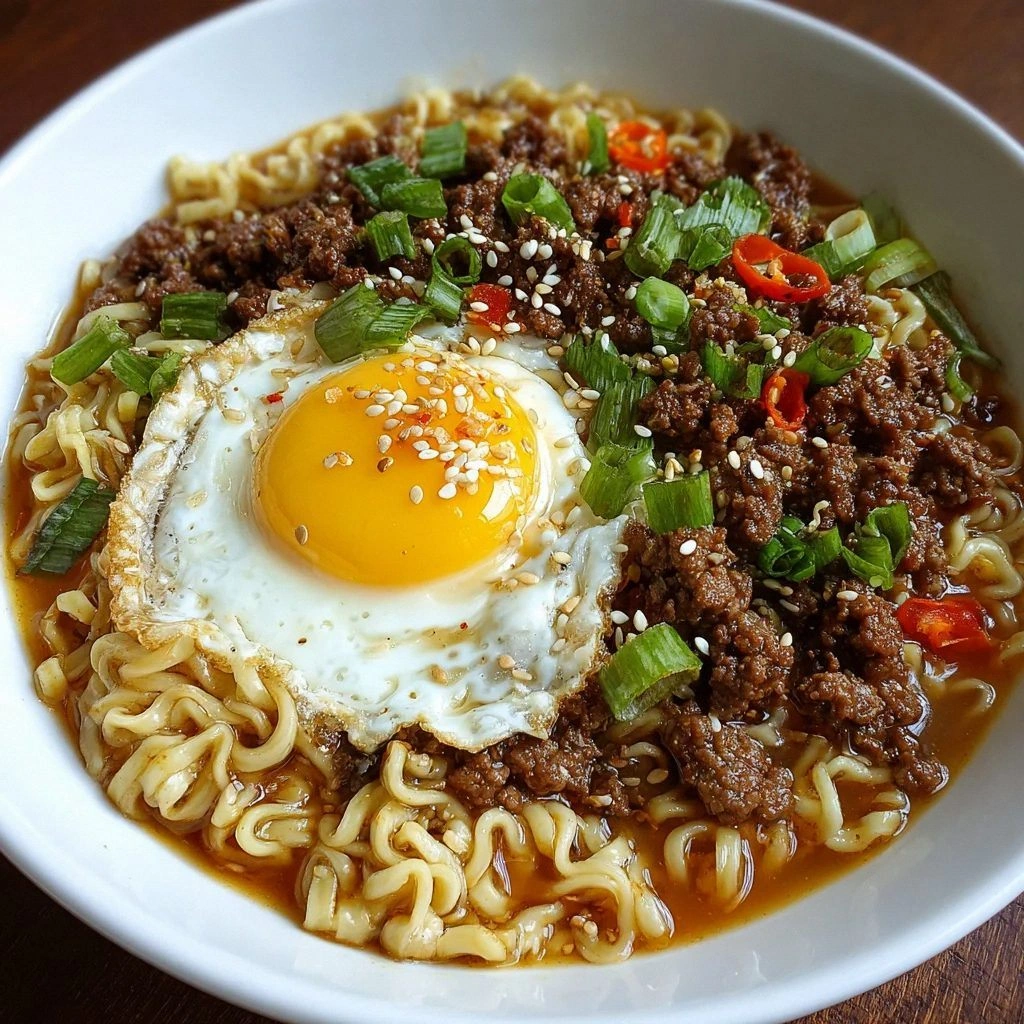
- Plate Like a Pro: Twirl the noodles into a nest in your bowl, making sure to get plenty of that gorgeous beef on top. Sprinkle with the remaining green onions and toasted sesame seeds. The contrast of colors should make you want to take a photo, but don't let it get cold — this is best enjoyed piping hot when the sauce is at its glossy peak.
That's it — you did it. But hold on, I've got a few more tricks that'll take this to another level...
Insider Tricks for Flawless Results
The Temperature Rule Nobody Follows
Most people cook their beef over medium heat because they're afraid of burning, but that's exactly why their meat turns out gray and sad. You want medium-high heat — hot enough that the beef sears immediately but not so hot that it burns before cooking through. The pan should be hot enough that you can only hold your hand over it for 2-3 seconds. This high heat creates the Maillard reaction, which is chef-speak for "delicious brown bits that make everything taste amazing."
Why Your Nose Knows Best
Don't rely on timers alone — your nose is your most underused kitchen tool. When the garlic is ready, you'll smell it before you see it turn golden. When the gochujang hits the pan, you should get this incredible aroma that's both spicy and slightly sweet. If something smells like it's burning, it probably is. Trust your instincts and adjust the heat accordingly. A friend tried skipping this step once — let's just say it didn't end well for her dinner party.
The 5-Minute Rest That Changes Everything
After you finish cooking, let the whole thing rest for five minutes off the heat. I know, I know — you're hungry and it smells incredible. But this brief pause allows the sauce to thicken slightly and the noodles to absorb maximum flavor. Cover the pan with a lid during this time to keep everything warm. This is when the dish transforms from good to restaurant-quality. Use this time to set your table, pour yourself a drink, or just bask in the glory of what you've created.
The Double-Cook Noodle Trick
Here's a pro move that sounds crazy but works: cook your noodles for just 2 minutes, drain them, then finish them in the sauce. This two-step process gives you noodles that are perfectly cooked through but still have that satisfying chew. The noodles absorb the sauce better when they're slightly underdone, and they won't get mushy when you reheat leftovers. This is the difference between good ramen and ramen that makes people ask for your secret.
Seasoning at Every Stage
Don't dump all your seasoning in at once. Season the beef lightly when you first add it, then adjust the sauce at the end. Taste your sauce before adding the noodles — it should be slightly too intense because the noodles will dilute it. After everything's combined, taste again and adjust. This layered seasoning approach builds complexity that makes people wonder what your secret ingredient is. Spoiler alert: it's just proper technique.
Creative Twists and Variations
This recipe is a playground. Here are some of my favorite ways to switch things up:
The Veggie Lover's Dream
Throw in a handful of baby spinach during the last minute of cooking — it'll wilt down to nothing but adds nutrients and gorgeous color. Thinly sliced bell peppers or mushrooms sauté beautifully with the garlic. Frozen peas work in a pinch and add a sweet pop. The key is adding vegetables that cook quickly so they don't water down your sauce. I've even added spiralized zucchini for extra volume without extra carbs.
The Protein Swap
Ground pork gives you a richer, more indulgent version that tastes like Korean BBQ in noodle form. Ground turkey works for a lighter take, but add an extra teaspoon of sesame oil to compensate for the leanness. Crumbled firm tofu makes this vegetarian without sacrificing that satisfying texture. For a seafood twist, try ground shrimp or even canned tuna added at the very end. Each protein brings its own personality to the party.
The Carb Conscious Version
Replace the ramen with shirataki noodles for virtually zero carbs — just rinse them well and dry them thoroughly before adding to the pan. Zucchini noodles work too, but add them at the very end so they don't turn to mush. Kelp noodles have this interesting texture that some people love, though they need a few extra minutes in the sauce to soften up. Cauliflower rice soaks up the sauce beautifully and gives you that Korean rice bowl experience.
The Breakfast Ramen
Add a fried egg on top with a runny yolk that becomes part of the sauce — it's breakfast-for-dinner that'll cure any hangover. Stir in some kimchi for extra probiotics and that funky fermented flavor. Top with crispy bacon bits for smoky depth. I've even added American cheese slices at the end for that Korean-American fusion that sounds weird but tastes like comfort food heaven.
The Fire Breather
Add sliced fresh chilies with the garlic for immediate heat that builds with every bite. A spoonful of chili crisp oil at the end gives you crunchy bits and serious spice. Korean chili flakes (gochugaru) have a different heat profile than regular red pepper flakes — fruitier and more complex. Mix gochujang with a bit of wasabi for sinus-clearing heat that sneaks up on you.
The Mild But Mighty
Use just a teaspoon of gochujang and add a tablespoon of honey for a sweet-and-savory version that kids devour. Replace half the gochujang with miso paste for umami without the heat. Add a splash of cream at the end for a creamy, mild version that's like Korean Alfredo. This is how I introduced my spice-phobic nephew to Korean flavors — now he asks for the regular version.
Storing and Bringing It Back to Life
Fridge Storage
Store leftovers in an airtight container in the fridge for up to 4 days, though good luck making it last that long. Pack the noodles and sauce together — they actually improve as the flavors meld. If you're meal prepping, slightly undercook the noodles since they'll continue to soften in the fridge. Press plastic wrap directly onto the surface to prevent that weird dried-out noodle situation. The beef stays juicy and the sauce thickens to this incredible consistency that's somehow better than fresh.
Freezer Friendly
This freezes beautifully for up to 2 months, making it perfect for emergency delicious meals. Portion it into individual containers so you can grab exactly what you need. Freeze the noodles slightly underdone since they'll cook more during reheating. Thaw overnight in the fridge or use the defrost setting on your microwave — just know that the texture will be slightly different but still delicious. Pro tip: freeze in flattened bags for space-saving storage and faster thawing.
Best Reheating Method
Microwave works in a pinch: 60-90 seconds with a splash of water, stir, then another 30-60 seconds until heated through. But the stovetop method gives you better texture — medium heat in a covered pan with a tablespoon of water per serving. Stir occasionally and add more water if it looks dry. The sauce will re-emulsify and coat everything perfectly. If you've frozen individual portions, they reheat in 3-4 minutes straight from frozen in a covered pan with a bit of water.