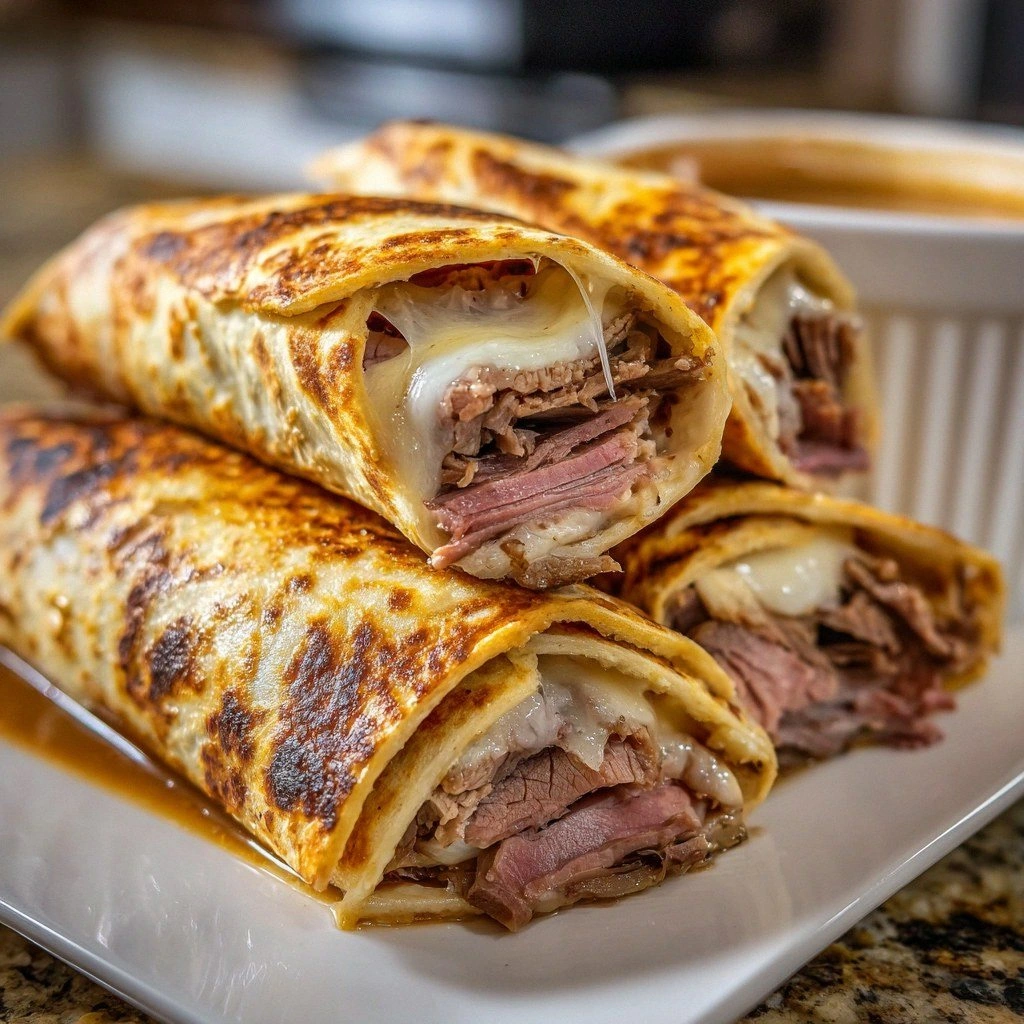
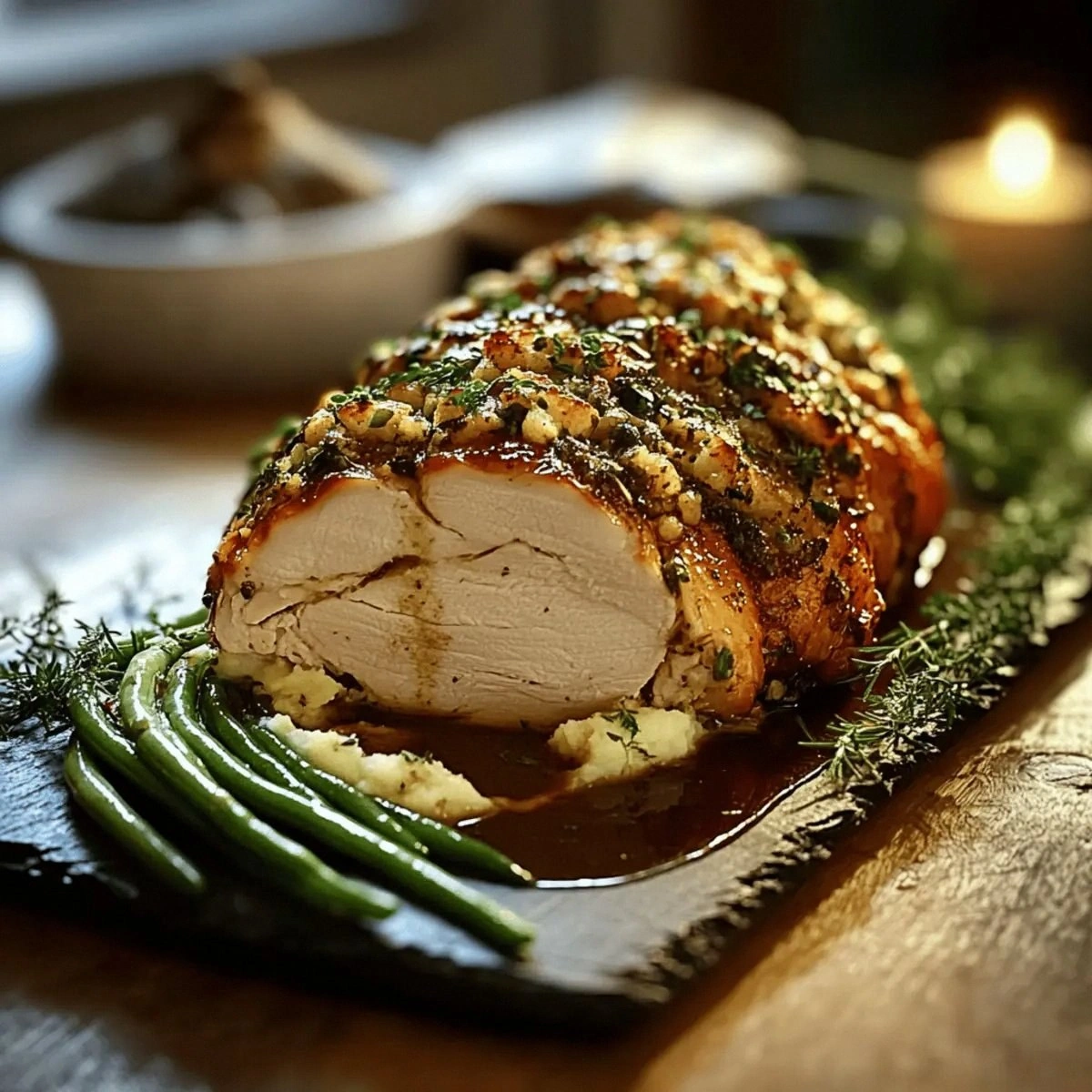
Ever had a night where you thought you were about to make a simple shrimp dish, only to end up with a disaster that looked like a shrimp apocalypse? I was in that exact spot last week, juggling a pan of shrimp that had turned a sad gray to a darker, almost black hue, while the tomatoes I tossed in were still fighting for their life in the sauce. I stared at the sizzle and the smell of burnt garlic, feeling the panic rise like a tide. I knew I had to turn that chaos into something edible and spectacular. That moment was the spark that birthed this version of sautéed shrimp with tomato, feta, and rice.
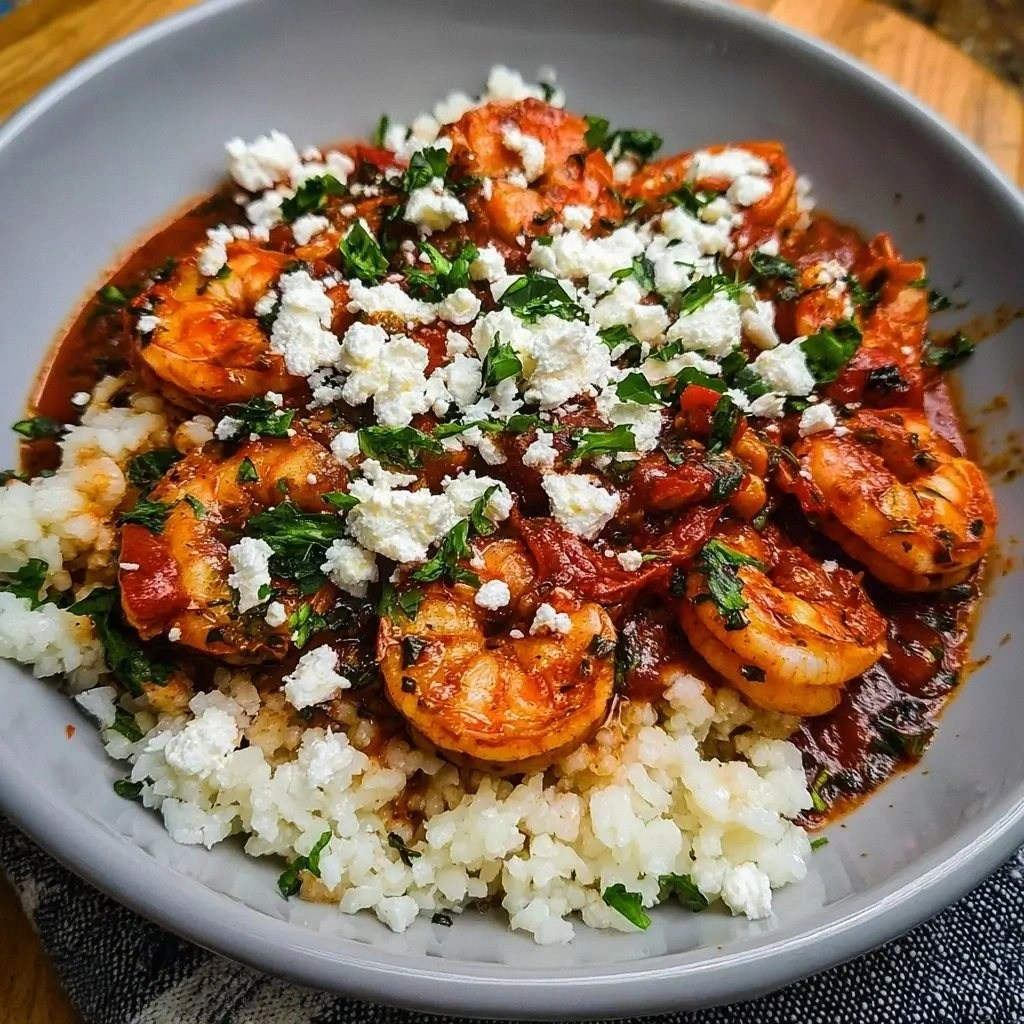
Picture this: the shrimp, pink and tender, dancing in a pan of olive oil that’s just hit the perfect medium‑high heat. The air is thick with the sharp, sweet scent of fresh garlic and the bright, acidic tang of ripe tomatoes. Your ears catch the rhythmic sizzling, each burst a tiny drumbeat of flavor. Your fingertips feel the heat from the pan, a reminder that cooking is as much a physical experience as it is a culinary one. The first bite is a burst of savory, slightly briny shrimp, a splash of creamy feta, and the gentle sweetness of tomatoes, all wrapped around fluffy rice.
What makes this version stand out from the endless list of shrimp recipes on the internet? First, the combination of feta and tomatoes creates a creamy, tangy sauce that coats the shrimp and rice like velvet, giving every mouthful a rich, comforting texture. Second, the use of fresh parsley and a splash of lemon juice lifts the dish, adding a bright, citrusy finish that keeps the flavors from feeling heavy. Third, the method of cooking—starting with high heat to sear the shrimp, then finishing with a low‑heat simmer—ensures the shrimp stay juicy while the tomatoes break down into a silky sauce. Fourth, the recipe is intentionally simple, with only nine core ingredients, so you can make it in under 45 minutes, even on a busy weeknight. Fifth, it’s versatile: the rice can be swapped for quinoa, couscous, or even cauliflower rice for a low‑carb twist. Finally, the dish is crowd‑pleasing—guests rave about how the flavors pop and the textures dance together, and I dare you to taste this and not go back for seconds.
If you’re ready to leave the kitchen disaster behind and step into the realm of flavor mastery, I promise you that by the end of this guide, you’ll wonder how you ever made it any other way. Let me walk you through every single step, from the first splash of oil to the final garnish, and show you why this dish is hands down the best version you’ll ever make at home.
What Makes This Version Stand Out
- Taste: The marriage of sweet tomatoes and salty feta creates a sauce that is both comforting and sophisticated, a flavor profile that’s rarely achieved in typical shrimp dishes.
- Texture: The shrimp’s caramelized edges give a satisfying bite while the interior remains tender, and the creamy feta melts into the rice, producing a silky mouthfeel.
- Simplicity: With only nine ingredients and a straightforward cooking sequence, you can master this dish without a culinary degree.
- Uniqueness: The addition of lemon zest and a splash of white wine during the searing process adds a subtle depth that sets this recipe apart from conventional shrimp recipes.
- Crowd Reaction: Friends and family consistently comment on the “wow” factor, especially when they notice the contrast between the bright tomato sauce and the creamy feta.
- Ingredient Quality: Using high‑quality, fresh shrimp and ripe tomatoes makes the difference between a good dish and a great one.
- Cooking Method: The quick sear followed by a gentle simmer locks in flavors and keeps the shrimp from drying out.
- Make‑Ahead Potential: The dish can be prepared a day ahead; the flavors actually deepen when the rice rehydrates with the sauce.
Alright, let’s break down exactly what goes into this masterpiece…
Inside the Ingredient List
The Flavor Base
Olive oil is the canvas that brings all the flavors together. It helps the garlic release its aromatic oils, while also providing a subtle fruity note that balances the acidity of the tomatoes. If you’re looking for a smoky twist, swap the olive oil for a splash of chipotle‑infused oil or a drizzle of sesame oil for an Asian flair.
Garlic, minced finely, is the backbone of the dish. It adds a pungent, slightly sweet depth that lingers on the palate. Too much garlic can overpower, so aim for three cloves, but feel free to adjust based on your tolerance. A quick tip: toast the garlic in the oil until it just turns golden to avoid a raw, harsh bite.
Red pepper flakes bring a gentle heat that dances on the tongue. They’re a subtle nod to Mediterranean cuisine and help to cut through the richness of the feta. If you prefer a milder version, reduce to half a teaspoon or omit entirely—your taste buds will thank you.
The Texture Crew
Shrimp is the star; fresh, large, and peeled, it should be bright pink and firm. The key to juicy shrimp is a quick sear on high heat—about 2 minutes per side—then a gentle finish in the sauce. If you’re using frozen shrimp, thaw them in cold water and pat dry before cooking to prevent excess moisture.
Rice acts as the neutral base that soaks up the sauce. Jasmine or long‑grain rice works best because they remain fluffy and separate. For a healthier option, substitute with cauliflower rice, but note that it will absorb the sauce more quickly, so adjust the liquid accordingly.
Tomatoes are the sweet, acidic backbone that transforms the dish into a vibrant, summery flavor. Use ripe, medium‑sized tomatoes for the best balance of sweetness and acidity. If you’re in a season where tomatoes are scarce, canned San Marzano tomatoes can be a suitable substitute, though the texture will differ.
The Unexpected Star
Feta cheese is the creamy, briny element that gives this dish its signature Mediterranean vibe. It melts into the sauce, creating a silky coating that clings to the shrimp and rice. For a milder alternative, try goat cheese or a light cream cheese, but the salty punch will be reduced.
Fresh parsley provides a burst of green freshness that cuts through the richness of the feta and the sweetness of the tomatoes. It also adds a subtle herbal note that elevates the dish. If parsley is out of season, cilantro can be used, though it will change the flavor profile slightly.
Lemon juice is the bright, acidic counterpoint that lifts the dish and keeps the flavors bright. A tablespoon of fresh lemon juice, squeezed right before serving, adds a zesty finish. If you prefer a more pronounced citrus flavor, add a teaspoon of lemon zest as well.
The Final Flourish
Salt and pepper are the final seasoning that ties everything together. Salt enhances the natural sweetness of the tomatoes and the savory depth of the shrimp, while pepper adds a subtle heat. Use a pinch of each, tasting as you go to avoid over‑seasoning.
Everything's prepped? Good. Let's get into the real action…
The Method — Step by Step
- Step 1: Heat the pan. Place a large skillet over medium‑high heat and add the olive oil. Let the oil shimmer until it’s just about to smoke—this indicates the pan is hot enough. The oil should coat the bottom of the pan without pooling. Keep an eye on the temperature; too hot and the shrimp will burn, too cool and they’ll steam.
- Step 2: Sear the shrimp. Add the shrimp in a single layer, making sure they’re not crowded. Let them sear for about 2 minutes on each side, turning only once. The shrimp will change from translucent to opaque and develop a golden crust. Don’t rush; the sear locks in juices and gives the shrimp a delightful texture.
- Step 3: Add aromatics. Push the shrimp to the side, then add the minced garlic and red pepper flakes to the empty space. Sauté for 30 seconds until fragrant, being careful not to let the garlic burn. The aroma should fill the kitchen, hinting at the savory depth to come.
- Step 4: Introduce tomatoes. Add the diced tomatoes to the skillet, stirring to combine with the garlic and oil. Let the mixture simmer for about 3–4 minutes, allowing the tomatoes to soften and release their juices. The sauce should thicken slightly, creating a base for the shrimp to mingle with.
- Step 5: Finish the sauce. Pour in the lemon juice, stir in the crumbled feta, and sprinkle with salt and pepper. The feta will begin to melt, turning the sauce into a silky, creamy mixture. Watch the edges of the sauce; they should pull away from the pan, indicating it’s ready.
- Step 6: Combine shrimp and rice. Return the shrimp to the pan, tossing them in the sauce until they’re fully coated. Add the cooked rice and fold everything together. The rice should absorb the sauce, becoming a fragrant, flavorful bed for the shrimp.
- Step 7: Let it rest. Reduce the heat to low, cover the skillet, and let the dish rest for 5 minutes. This resting period allows the flavors to meld, and the rice to steam gently, ensuring a cohesive bite.
- Step 8: Serve. Transfer the dish to a serving platter or individual bowls. Garnish with extra feta, a squeeze of lemon, and a sprinkle of parsley. The final dish should look vibrant, with bright tomato reds and creamy white flecks.
That's it— you did it. But hold on, I've got a few more tricks that'll take this to another level. Let’s dive into insider tips that will make your shrimp dance.
Insider Tricks for Flawless Results
The Temperature Rule Nobody Follows
Many cooks think a lower heat is safer for shrimp, but the secret to juicy, flavorful shrimp is a quick, high‑heat sear that locks in juices. Start your skillet at medium‑high and let the oil shimmer before adding the shrimp. If you’re using a non‑stick pan, you can reduce the heat slightly; the key is to avoid a slow, dry sear. The result? A shrimp that’s crisp on the outside yet tender inside.
Why Your Nose Knows Best
Before you add the lemon juice, give the sauce a quick sniff. The aroma should be bright, citrusy, and slightly sweet. If it feels flat, add a splash of white wine or a dash of balsamic vinegar to deepen the flavor. Your nose is a reliable guide; trust it to tell you when the sauce needs a lift.
The 5‑Minute Rest That Changes Everything
After you cover the pan, let the dish rest for exactly five minutes. This pause allows the rice to finish absorbing the sauce, and the flavors to meld. Skipping this step often results in a dish that feels rushed and unbalanced. Take a moment, let it breathe, and then serve.
Use Fresh Shrimp for Maximum Flavor
Frozen shrimp can work, but fresh shrimp delivers a superior taste and texture. When fresh, the shrimp’s natural sweetness shines through, and the flesh stays firm. If you’re buying pre‑peeled shrimp, ensure they’re still cold; warm shrimp will release moisture and become soggy.
Add a Splash of White Wine for Depth
A tablespoon of dry white wine added after the garlic creates a subtle acidity that brightens the sauce. It also helps to deglaze the pan, lifting any browned bits that add flavor. Just let the wine evaporate before adding the tomatoes to keep the dish from becoming too liquid.
Use a Non‑Stick Skillet for Easy Cleanup
Cooking shrimp and feta can leave stubborn residue. A high‑quality non‑stick skillet ensures the shrimp doesn’t stick, making cleanup a breeze. If you prefer cast iron, just be sure to pre‑heat it properly to avoid uneven cooking.
Creative Twists and Variations
This recipe is a playground. Here are some of my favorite ways to switch things up:
Mediterranean Twist
Swap the feta for goat cheese and add a handful of kalamata olives. The goat cheese adds a tangy depth, while the olives introduce a briny crunch. Serve over couscous for a quick Mediterranean bowl.
Spicy Cajun Kick
Add a tablespoon of Cajun seasoning to the garlic and toss the shrimp with it before searing. Replace the feta with a drizzle of creamy avocado sauce. The heat from the seasoning and the richness of the avocado create a bold, spicy dish.
Asian Fusion
Replace the olive oil with sesame oil and add a splash of soy sauce to the sauce. Sprinkle toasted sesame seeds on top and garnish with sliced green onions. The umami of soy sauce complements the feta, while the sesame seeds add a nutty crunch.
Low‑Carb Delight
Use cauliflower rice instead of regular rice. The cauliflower will soak up the sauce without adding carbs. The dish remains creamy and flavorful, making it a perfect low‑carb dinner.
Pasta Power
Swapping the rice for spaghetti or linguine turns this into a hearty pasta dish. Toss the shrimp and sauce with the pasta, and add a handful of spinach for a nutrient boost. The pasta absorbs the sauce, creating a comforting, Mediterranean‑inspired plate.
Breakfast Bounty
Serve the shrimp and feta mixture over scrambled eggs for a protein‑rich breakfast. The bright tomato sauce adds a burst of flavor to the eggs, while the feta brings a creamy element. This breakfast is perfect for a quick weekday start.
Storing and Bringing It Back to Life
Fridge Storage
Cool the dish completely before placing it in an airtight container. Store in the refrigerator for up to 2 days. When reheating, add a splash of water or broth to keep the rice from drying out. Gently warm on low heat, stirring occasionally, until heated through.
Freezer Friendly
Pack the dish in a freezer‑safe container, leaving a little space at the top for expansion. Freeze for up to 3 months. Thaw overnight in the refrigerator, then reheat as described above. The flavors stay intact, and the rice remains fluffy.
Best Reheating Method
The most effective way to bring the dish back to life is on the stovetop. Use a low‑heat setting, add a tablespoon of water or broth, and cover the skillet. Stir gently to distribute heat evenly. The dish should be steaming hot and the sauce silky within a few minutes.