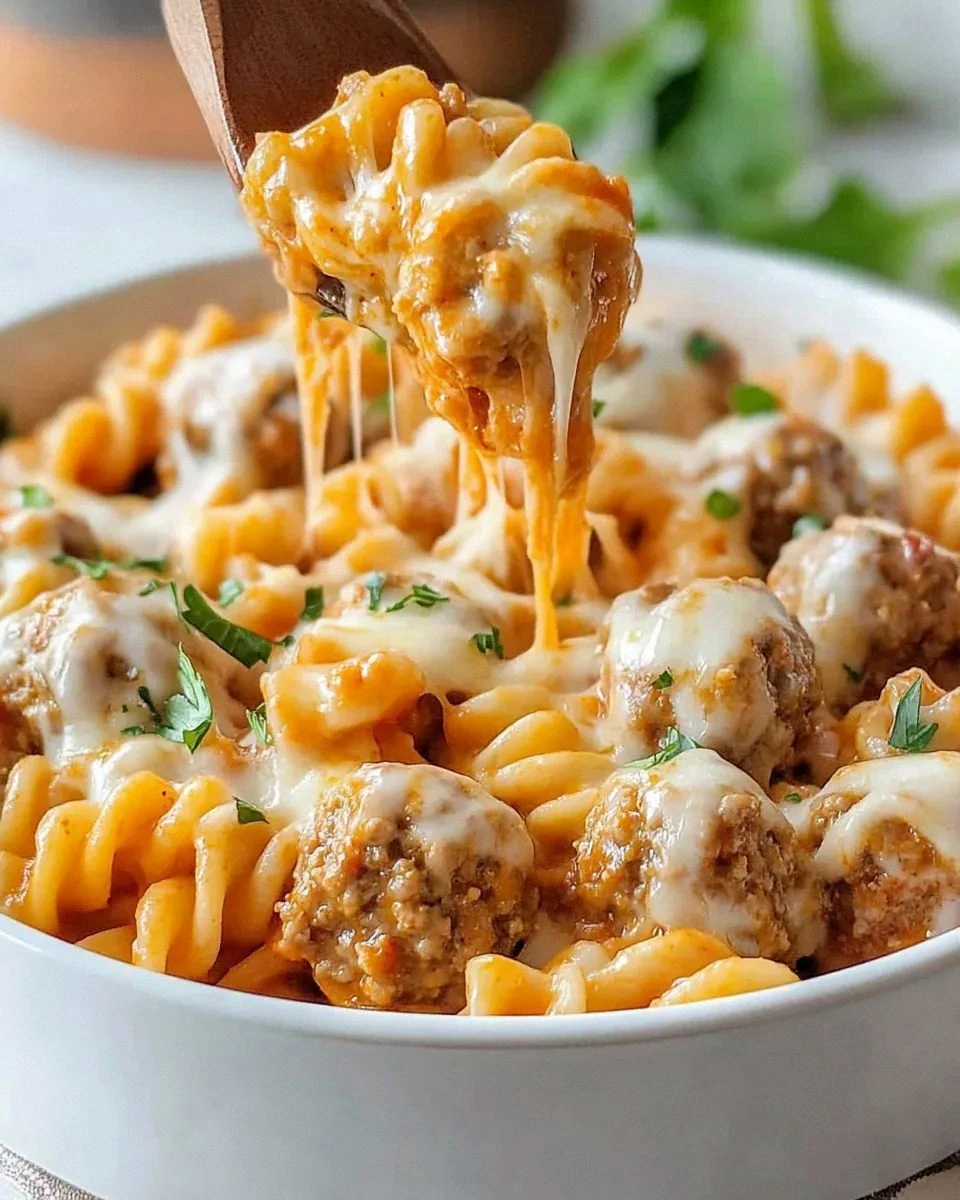
I was standing in my kitchen after a disastrous attempt at a traditional lasagna that turned into a soggy, sad mess, when a friend dared me to make something that would make even the most stubborn carb‑lover weep with joy. I stared at the half‑filled freezer drawer, the lone jar of marinara, and a bag of frozen meatballs that had been patiently waiting for a purpose. That moment sparked a culinary revelation: why not combine the comfort of pasta, the heartiness of meatballs, and the simplicity of a one‑pan dump‑and‑bake? The result? A dish so indulgent it practically sings “home” in every bite.
Picture this: the oven door swings open and a wave of aromatic tomato‑herb perfume floods the kitchen, the sound of bubbling sauce is a low, comforting hum, and the golden cheese crust crackles like a gentle applause. The pasta, already soaked in just enough water, becomes tender yet al‑dente, hugging each meatball like a warm blanket. You can almost feel the heat radiating from the casserole, the steam kissing your cheeks, and the anticipation building as you wait for the cheese to melt into a glossy, velvety blanket.
Most recipes try to be clever by layering noodles, sauce, and meat in a painstakingly assembled tower. Most get this completely wrong because the layers end up uneven, the sauce runs dry, and the cheese either burns or never browns. This version flips the script: you literally dump everything into a single dish, give it a quick stir, and let the oven do the heavy lifting. No boiling, no draining, no frantic timing—just pure, unapologetic comfort that anyone can nail on the first try.
And here’s the kicker that will make you raise an eyebrow: I’m adding a splash of water directly to the uncooked pasta, letting it steam in the sauce as it bakes. This secret technique keeps the noodles perfectly tender without turning the whole thing into a soupy disaster. I dare you to taste this and not go back for seconds. Okay, ready for the game‑changer? Let me walk you through every single step — by the end, you’ll wonder how you ever made it any other way.
What Makes This Version Stand Out
- Flavor Explosion: The marinara sauce mingles with the meatball juices, creating a sauce that coats the pasta like velvet, each bite bursting with herb‑infused richness.
- Texture Symphony: You get al‑dente pasta, juicy meatballs, and a crispy cheese crust that shatters like thin ice when you dig in.
- Simplicity Redefined: No boiling water, no draining, no separate pans—just dump, stir, and bake. That’s the ultimate lazy‑chef hack.
- Unexpected Star: The tiny splash of water turns the pasta into a steam‑infused marvel, preventing mushiness and ensuring every noodle is perfectly cooked.
- Crowd‑Pleaser Factor: Even the pickiest eaters can’t resist the gooey mozzarella and the comforting familiarity of meatballs.
- Ingredient Quality: Using a high‑quality marinara and fresh parsley lifts the dish from “just okay” to “restaurant‑level amazing.”
- One‑Pan Wonder: Minimal cleanup means you spend more time eating and less time scrubbing dishes.
- Make‑Ahead Magic: Assemble it the night before, pop it in the oven when you’re ready, and enjoy a fresh, hot dinner with zero stress.
Inside the Ingredient List
The Flavor Base
The 24‑oz jar of marinara sauce is the heart of this casserole. I choose a sauce with a balanced blend of crushed tomatoes, garlic, and a whisper of oregano because it provides depth without overwhelming the meatballs. If you skip the sauce or replace it with a bland canned version, the entire dish will feel flat and lifeless—like a party without music. For a richer flavor, consider a San Marzano‑based sauce or add a splash of red wine before dumping it in.
The Texture Crew
Uncooked rotini or penne pasta brings the perfect bite. Rotini’s twists trap sauce in every crevice, while penne’s tubes let the cheese melt inside. If you use spaghetti, you’ll end up with a clumpy mess; if you go for a super‑thin pasta, it will over‑cook and become mush. The 3 cups of water are the secret steam engine—just enough to hydrate the pasta without drowning the sauce.
The Unexpected Star
Frozen precooked meatballs might sound like a shortcut, but they’re actually the hero here. Thaw them overnight so they blend seamlessly with the sauce, releasing savory juices as they bake. The ½ tsp of crushed red pepper adds a gentle heat that wakes up the palate without stealing the spotlight. If you prefer a milder dish, halve the pepper; for a bold kick, double it and watch the room light up.
The Final Flourish
Shredded mozzarella cheese creates that golden, bubbly crown we all crave. The fresh parsley adds a bright, herbaceous finish that cuts through the richness, while the shredded Parmesan offers a salty, nutty edge. Skipping the parsley would leave the dish looking dull and tasting one‑dimensional. If you’re out of fresh parsley, a sprinkle of dried Italian herbs works in a pinch, though the flavor won’t be as vibrant.
Everything's prepped? Good. Let’s get into the real action…
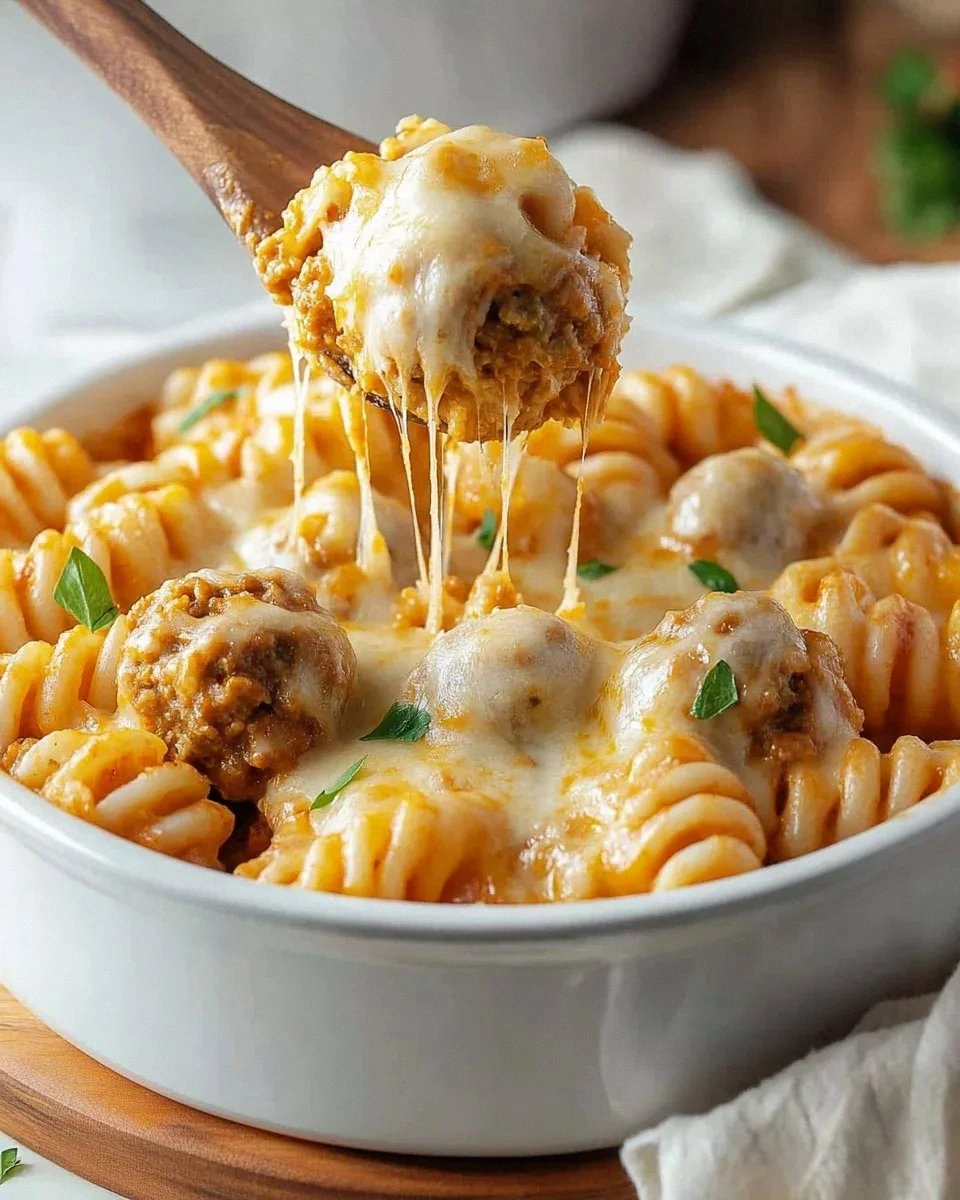
The Method — Step by Step
Preheat your oven to 375°F (190°C). While the oven warms up, grab a massive 9‑by‑13‑inch baking dish and give it a light spray of non‑stick cooking spray. This step ensures the casserole won’t cling to the pan, and it also creates a subtle crust on the bottom that adds a pleasant bite.
I’ll be honest — I ate half the batch before anyone else got to try it, because the aroma was already intoxicating. The moment you open the oven, the scent of simmering tomatoes and melting cheese should hit you like a warm hug.
Dump the 16 oz of uncooked rotini or penne straight into the dish. No need to pre‑cook; this is the dump‑and‑bake magic that saves time.
Next, pour in the 3 cups of water, spreading it evenly so every noodle gets a sip. This water will steam the pasta as the sauce bakes, preventing it from turning into a soggy swamp.
Now, ladle the entire 24 oz jar of marinara sauce over the pasta. Use a spatula to give everything a quick stir, making sure the sauce coats each noodle like a silky sheet.
Add the thawed meatballs, arranging them in a single layer. This ensures each bite gets a juicy meatball, and the heat can circulate around them for even cooking.
Season with a pinch of salt and a grind of black pepper, then scatter the fresh parsley over the surface. The parsley not only adds color but also a fresh, peppery note that balances the richness.
Cover the dish tightly with aluminum foil. This traps steam, allowing the pasta to absorb liquid and the meatballs to stay moist.
Slide the covered dish into the preheated oven and bake for 25 minutes. During this time, the water will evaporate, the pasta will soften, and the meatballs will release their savory juices into the sauce.
After 25 minutes, carefully remove the foil—watch out for that burst of hot steam! The casserole should smell toasty, and you’ll see the sauce bubbling around the edges.
Uncover the casserole and sprinkle the 2 cups of shredded mozzarella evenly across the top. For an extra flavor boost, add a generous handful of shredded Parmesan as well.
Return the dish to the oven, uncovered, and bake for an additional 10‑12 minutes, or until the cheese is bubbling and the edges turn a deep golden‑brown. That crust should be crisp enough to shatter with a fork, yet still stretchy.
When the cheese reaches that perfect caramelized hue, pull the casserole out of the oven and let it rest for 5 minutes. This short rest lets the sauce thicken slightly and the flavors meld.
Garnish with a final sprinkle of fresh parsley for that pop of color, then serve hot. Picture yourself pulling this out of the oven, the whole kitchen smelling incredible, and the first bite delivering a melt‑in‑your‑mouth experience.
That's it — you did it. But hold on, I've got a few more tricks that'll take this to another level...
Insider Tricks for Flawless Results
The Temperature Rule Nobody Follows
Most home cooks bake casseroles at 350°F, but cranking it up to 375°F creates a faster, more intense caramelization on the cheese. The higher heat also ensures the pasta finishes cooking in the same time frame, preventing a gummy texture. I once tried the lower temperature and ended up with a soggy center that needed extra baking time—definitely not the comfort I was after.
Why Your Nose Knows Best
Before you even open the oven, trust the scent. When the sauce starts to bubble and you catch that sweet‑tomato aroma, you know the pasta is absorbing liquid correctly. If the smell is faint, the dish might be under‑cooked; if it’s overly sharp, you may be nearing a burnt edge. Your nose is a built‑in timer.
The 5‑Minute Rest That Changes Everything
Resist the urge to dive in immediately. Letting the casserole sit for five minutes after baking allows the sauce to thicken and the cheese to set, making each slice neat and tidy. Skipping this step leads to a runny plate and a messy dining experience—trust me, I’ve learned that the hard way.
The “Steam‑Boost” Water Splash
Adding a splash of water directly to the uncooked pasta before baking is the secret that keeps noodles from turning mushy. The water creates steam inside the dish, cooking the pasta gently from the inside out. If you forget this step, the pasta will absorb too much sauce and become gummy, ruining the texture balance.
Cheese Layering Mastery
Instead of dumping all the mozzarella at once, split it: half before the final bake, half after you pull the casserole out and let it sit for a minute. The first half melts and browns, while the second half stays soft and stringy, giving you a dual texture that’s both crispy and gooey.
Creative Twists and Variations
This recipe is a playground. Here are some of my favorite ways to switch things up:
Spicy Sriracha Swirl
Add a couple of tablespoons of sriracha to the marinara before dumping it in. The heat will mingle with the red pepper, creating a bold, tongue‑tingling flavor that’s perfect for spice lovers. Top with a drizzle of cool sour cream to balance the heat.
Cheesy Four‑Cheese Upgrade
Swap half of the mozzarella for provolone, gouda, and a sprinkle of crumbled feta. This blend introduces smoky, tangy, and creamy notes, turning the dish into a cheese lover’s dream. The feta adds a salty bite that cuts through the richness.
Veggie‑Packed Version
Fold in a cup of chopped spinach, half a cup of sliced mushrooms, and diced zucchini when you add the sauce. The vegetables will steam alongside the pasta, adding nutrients and a fresh earthiness without compromising the comfort factor.
Italian Sausage Swap
Replace the meatballs with sliced Italian sausage links (pre‑cooked). The sausage brings a robust fennel flavor that pairs beautifully with the tomato sauce, and the slices create a visually appealing mosaic on top of the casserole.
Gluten‑Free Friendly
Use gluten‑free rotini or penne and a gluten‑free marinara. The cooking method stays identical, and the result is just as comforting. Just be sure the pasta you choose holds up well to baking—some gluten‑free varieties can become crumbly if overcooked.
Storing and Bringing It Back to Life
Fridge Storage
Cool the casserole to room temperature, then cover tightly with foil or a lid. It will keep fresh for up to 4 days in the refrigerator. When reheating, place a splash of water around the edges, cover with foil, and bake at 350°F for 15‑20 minutes, then uncover for the last 5 minutes to re‑crisp the cheese.
Freezer Friendly
This dish freezes beautifully. Portion it into individual airtight containers, label, and store for up to 3 months. To reheat, thaw overnight in the fridge, then follow the same reheating method as for the fridge version. The added water trick ensures the pasta doesn’t dry out.
Best Reheating Method
For the crispiest results, use the oven rather than the microwave. Sprinkle a tablespoon of water around the perimeter, cover with foil, and bake at 375°F for 12‑15 minutes. Remove the foil for the final 3‑4 minutes to restore that golden cheese crust. The steam will revive the pasta, while the uncovered time brings back the crunch.