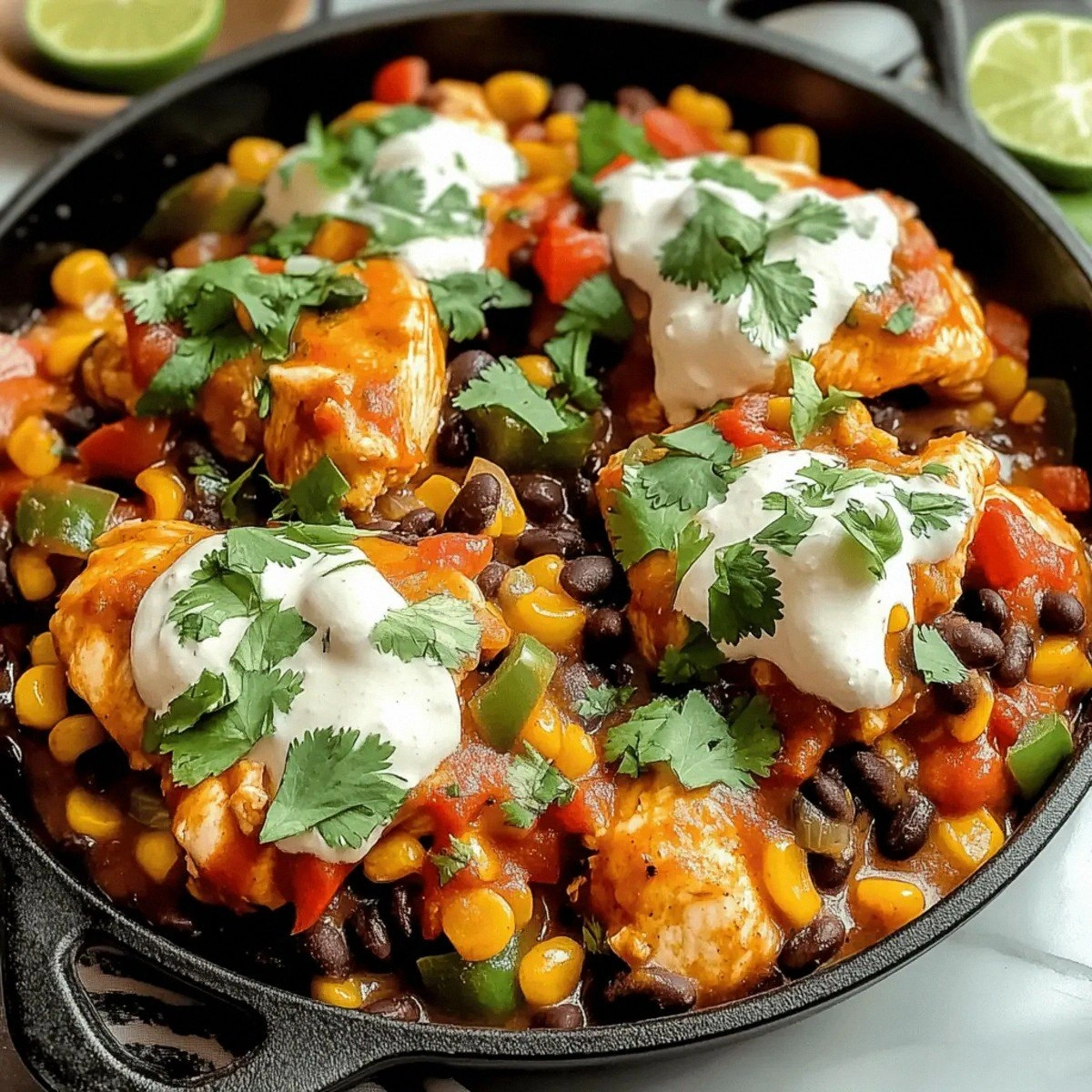
I was standing in my kitchen, staring down a pan that was hotter than my last breakup, when a sudden craving for something that could slap my taste buds awake hit me like a thunderclap. I’d tried a dozen Cajun chicken recipes, each one either too bland or so spicy it made my eyes water like I’d just chopped onions with a chainsaw. Then my roommate dared me, “Make something that even my picky dad can’t refuse.” I laughed, rolled up my sleeves, and decided to throw together a version that would make even the most stubborn palate sing. The result? A dish that smells like a New Orleans street festival and looks as vibrant as a sunrise over the bayou.
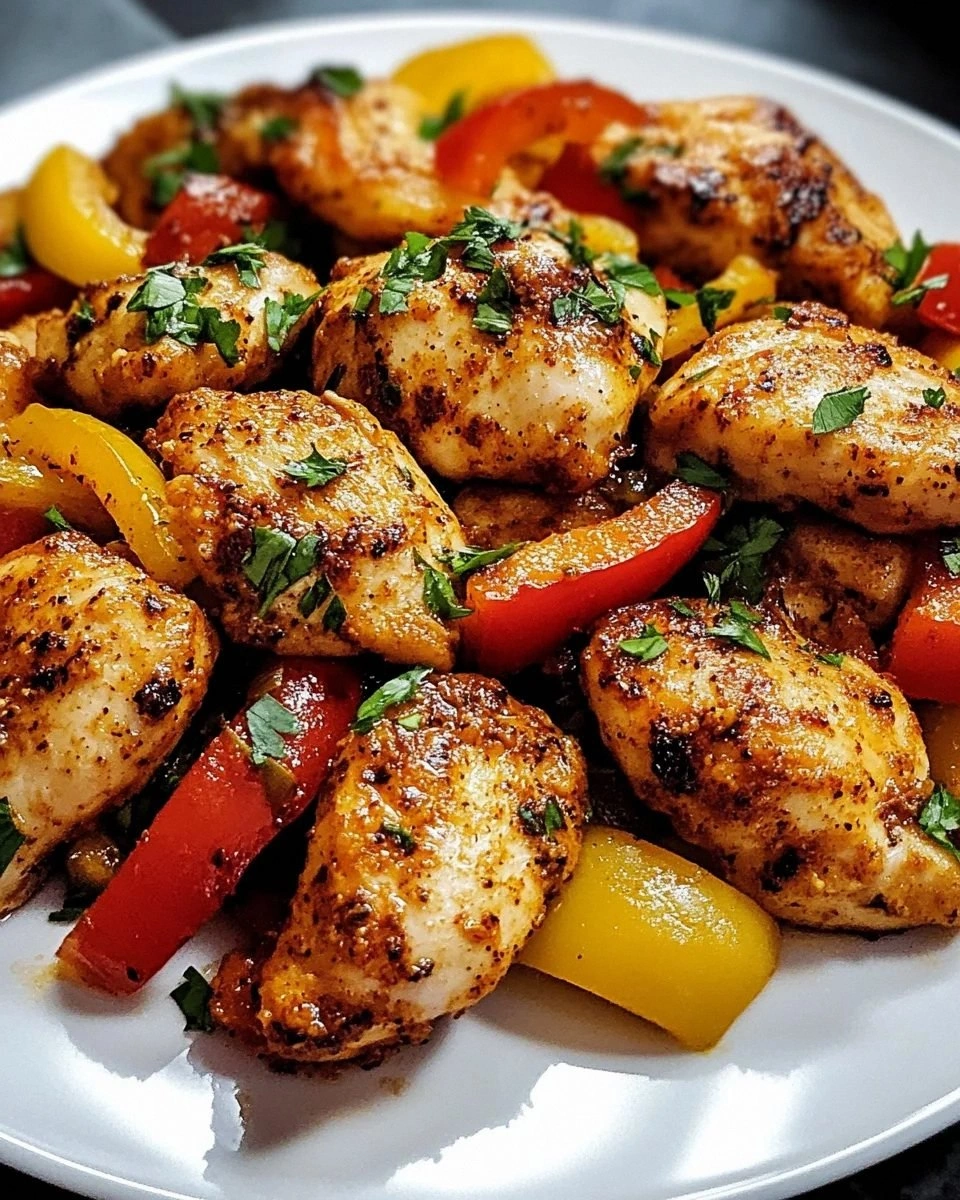
Picture this: the sizzle of chicken hitting a hot skillet, the caramelized edges turning a deep, inviting mahogany, and the sweet crunch of bell peppers popping in perfect unison. The air fills with a smoky, peppery perfume that makes you want to inhale through your nose and exhale through your mouth. The texture is a glorious contrast—tender, juicy chicken pieces nestled among crisp, slightly charred pepper strips that still retain a faint snap. And when you finally take a bite, the Cajun seasoning coats everything like a velvety blanket, delivering a heat that’s bold yet balanced, with a hint of citrus that brightens the whole experience.
What makes this version truly stand out is a secret weapon: a quick deglaze with fresh lemon juice right at the end, which lifts the caramelized bits off the pan and turns them into a glossy, tangy glaze. Most recipes either skip this step or drown the dish in heavy sauces, but I’ve found that a splash of acidity is the perfect counterpoint to the smoky heat. Plus, I’m using a mix of three different bell peppers—red, green, and yellow—to create a rainbow on the plate that’s as Instagram‑worthy as it is delicious. This isn’t just dinner; it’s a visual and sensory celebration.
I dare you to taste this and not go back for seconds. I’ll be honest— I ate half the batch before anyone else got to try it, and that’s saying something because the leftovers were practically begging for a second round. If you’ve ever struggled with getting that perfect sear without overcooking the chicken, you’re not alone—and I’ve got the fix. Let me walk you through every single step — by the end, you’ll wonder how you ever made it any other way.
What Makes This Version Stand Out
- Bold Flavor: The Cajun blend is layered with smoked paprika, garlic, and a hint of cayenne, delivering a heat that builds without overwhelming.
- Texture Play: Crisp bell pepper strips contrast with buttery‑soft chicken, creating a mouthfeel that’s both satisfying and surprising.
- Simplicity: Fewer than ten ingredients mean you can throw this together on a weeknight without a grocery run.
- Unique Finish: A quick lemon deglaze adds brightness, turning the pan‑fond into a silky glaze.
- Crowd‑Pleaser: Even the pickiest eaters love the colorful presentation and balanced spice level.
- Ingredient Quality: Using fresh, crisp bell peppers and high‑quality chicken thighs ensures every bite bursts with flavor.
- One‑Pan Wonder: Everything cooks together, meaning fewer dishes and more time to enjoy the meal.
- Make‑Ahead Friendly: This dish reheats beautifully, making it perfect for meal prep.
Inside the Ingredient List
The Flavor Base
Cajun seasoning is the heart of this dish. It’s a blend of paprika, garlic powder, onion powder, thyme, oregano, and a pinch of cayenne that delivers a smoky, earthy heat. If you skip it, you’ll lose the signature “Cajun kiss” that makes this recipe sing. For a fresher taste, try toasting the spices lightly before mixing them with the chicken. This awakens the essential oils, turning a simple blend into a fragrant powerhouse.
Fresh garlic and onion are the supporting actors that add depth and sweetness. Minced garlic releases its aromatic oils quickly, while sliced onion caramelizes slowly, building a subtle sweetness that balances the spice. If you’re out of fresh garlic, a teaspoon of garlic powder will do, but the flavor won’t be as vibrant. When chopping, keep the pieces uniform so they cook evenly and don’t turn mushy.
The Texture Crew
Bell peppers are the colorful crunch that elevates this dish from ordinary to eye‑catching. Red peppers bring natural sweetness, green peppers add a slightly bitter edge, and yellow peppers contribute a mild, almost fruity note. Together, they create a symphony of flavors and textures. If you substitute any one color, you’ll still have a great dish, but you’ll miss the visual fireworks that make it Instagram‑ready.
Choosing the right cut of chicken is crucial. I prefer bone‑in, skinless thighs because they stay juicy and absorb the spices better than breast meat, which can dry out quickly. If you must use chicken breasts, slice them thinly and watch the cooking time closely. The goal is a golden crust on the outside while keeping the interior moist.
The Unexpected Star
A splash of fresh lemon juice at the end might seem simple, but it’s a game‑changer. The acidity lifts the caramelized bits from the pan, turning them into a glossy, tangy glaze that coats each piece. This prevents the dish from feeling heavy and adds a refreshing finish that cuts through the spice. If you don’t have lemons, a splash of white wine vinegar works in a pinch, though the flavor profile shifts slightly.
Fresh parsley isn’t just a garnish; it adds a bright, herbaceous note that balances the heat. Chop it just before serving to retain its vibrant green color and fresh aroma. If parsley isn’t your thing, cilantro or fresh thyme can be used, but each will steer the flavor in a different direction.
The Final Flourish
Olive oil is the silent partner that ensures everything slides across the pan without sticking. Use a light‑touch drizzle; too much oil will fry the peppers instead of sautéing them, losing that coveted char. For extra flavor, consider finishing the dish with a drizzle of melted butter infused with a pinch of smoked paprika—this adds a subtle richness that rounds out the spice.
Seasoning with salt and pepper at the right moments is essential. Salt draws out moisture from the peppers, helping them caramelize, while pepper adds a gentle heat that complements the Cajun blend. Remember, the lemon juice will brighten everything, so you may need less salt than you think. Taste as you go, and trust your instincts.
Everything's prepped? Good. Let's get into the real action...
The Method — Step by Step
Start by patting the chicken thighs dry with paper towels. This simple step prevents excess moisture, which would steam the meat instead of searing it. Toss the chicken pieces in 2 tablespoons of Cajun seasoning, making sure every surface is coated. Let the seasoned chicken rest for 5 minutes while you prep the veggies; this short marination helps the flavors penetrate the meat.
Kitchen Hack: Sprinkle a pinch of salt on the chicken while it rests; the salt will start breaking down proteins, making the meat more tender.Heat a large cast‑iron skillet over medium‑high heat and add 1 tablespoon of olive oil. When the oil shimmers, it’s ready. Place the chicken in a single layer, giving each piece enough room to breathe. You should hear a satisfying sizzle— that’s the sound of flavor forming. Cook without moving the pieces for about 3 minutes, allowing a golden crust to develop.
Flip the chicken and add the sliced onions, bell peppers, and minced garlic to the pan. The vegetables will soak up some of the rendered chicken fat, which is pure gold for flavor. Stir everything together gently, making sure the veggies get a touch of the Cajun coating. Cook for another 4‑5 minutes, until the peppers start to soften but still retain a slight crunch.
Watch Out: If you add the garlic too early, it can burn and turn bitter; add it in the last minute of sautéing.Once the chicken is cooked through (internal temp 165°F/74°C), sprinkle the smoked paprika, additional salt, and black pepper over the pan. Give everything a quick toss to distribute the spices evenly. The paprika will deepen the color, giving the dish a richer, more inviting hue.
Now for the magic: pour in 2 tablespoons of fresh lemon juice. As the liquid hits the hot pan, it will deglaze, lifting the caramelized bits—known as fond—off the bottom. Scrape gently with a wooden spoon; you’ll see the pan transform into a glossy, aromatic sauce that clings to every piece.
Reduce the heat to low and let the mixture simmer for 2‑3 minutes. This short simmer allows the sauce to thicken just enough to coat the chicken and vegetables without becoming syrupy. Taste and adjust seasoning if needed; a pinch more salt or a dash of extra Cajun can be added now.
Turn off the heat and stir in the chopped parsley. The fresh herb adds a burst of color and a bright, herbaceous note that lifts the entire dish. Cover the pan for a minute to let the flavors meld together.
Serve immediately over steamed rice, quinoa, or a bed of cauliflower rice for a low‑carb option. The dish is best enjoyed hot, when the glaze is still glossy and the peppers retain that perfect snap. That sizzle when it hits the pan? Absolute perfection.
That's it — you did it. But hold on, I've got a few more tricks that'll take this to another level...
Insider Tricks for Flawless Results
The Temperature Rule Nobody Follows
Never start with a cold pan. Preheat your skillet for at least two minutes before adding oil. A properly heated pan creates an instant sear, locking in juices and preventing the chicken from releasing water. I once tried cooking on a lukewarm surface and ended up with soggy, rubbery pieces that looked more like a stew than a stir‑fry. Trust the heat, and the texture will thank you.
Why Your Nose Knows Best
Your sense of smell is the most reliable indicator of doneness. When the chicken’s edges start pulling away from the pan and you detect a nutty, caramel aroma, you’re at the perfect sear point. If you rely solely on visual cues, you might under‑ or over‑cook. So, keep your nostrils open—when the scent changes from raw to toasted, you’re golden.
The 5‑Minute Rest That Changes Everything
After the final sauté, let the dish sit off the heat for five minutes, loosely covered. This short rest lets the juices redistribute within the chicken, preventing them from spilling out when you bite. It also allows the lemon glaze to settle, giving each bite a consistent coating. Skipping this step is the culinary equivalent of pulling a cake out of the oven too early—everything collapses.
The “Butter‑Boost” Finish
A tablespoon of cold butter whisked into the hot pan right before serving adds a luxurious silkiness to the sauce. The butter emulsifies with the lemon and fond, creating a glossy finish that clings to every pepper strip. I tried this once for a dinner party, and guests kept asking for the “secret sauce.” Just be sure the butter is cold; warm butter will melt too quickly and won’t give that velvety texture.
Seasoning Layering Mastery
Instead of dumping all the salt at once, season in stages: first on the raw chicken, then a pinch on the vegetables, and finally a dash after the lemon deglaze. This layered approach ensures each component is seasoned perfectly, avoiding the dreaded “over‑salty” pitfall. A friend once tried to season everything at the end and ended up with a dish that tasted like a single, overwhelming salt block.
Creative Twists and Variations
This recipe is a playground. Here are some of my favorite ways to switch things up:
Smoky Chipotle Swap
Replace half of the Cajun seasoning with chipotle powder for a deeper, smoky heat. The result is a dish that feels like a backyard BBQ meets New Orleans jazz. Pair with a cool avocado salsa to balance the fire.
Coconut Curry Fusion
Add ½ cup coconut milk and a teaspoon of curry powder during the deglaze step. The creamy coconut rounds out the spice, turning the dish into a tropical‑inspired feast. Serve over jasmine rice for an aromatic finish.
Mediterranean Medley
Swap bell peppers for a mix of zucchini, eggplant, and cherry tomatoes, and add a teaspoon of oregano. Finish with crumbled feta and a drizzle of olive oil. This version feels like a sunny patio dinner in Southern France.
Spicy Sweet Honey Glaze
Stir in a tablespoon of honey along with the lemon juice. The honey caramelizes slightly, adding a sweet counterpoint to the heat. This is perfect for kids who love a touch of sweetness but can handle the spice.
Protein Power Upgrade
Swap the chicken for shrimp or firm tofu. Shrimp cooks in half the time and adds a briny snap, while tofu absorbs the Cajun flavors beautifully when pressed and pan‑fried first. Adjust cooking times accordingly to avoid overcooking.
Storing and Bringing It Back to Life
Fridge Storage
Allow the dish to cool to room temperature (no more than two hours), then transfer to an airtight container. It will keep fresh for up to three days. When reheating, add a splash of water or chicken broth and stir over medium heat until warmed through; this revives the glaze and prevents drying.
Freezer Friendly
Portion the cooked chicken and peppers into freezer‑safe bags, removing as much air as possible. Freeze for up to two months. To reheat, thaw overnight in the fridge, then reheat in a skillet with a tablespoon of oil and a dash of lemon juice.
Best Reheating Method
For the crispiest results, reheat in a hot skillet rather than the microwave. Add a teaspoon of oil, toss the chicken and peppers, and cover for a minute to steam the interior, then uncover to let the edges crisp up again. The tiny splash of water I mentioned earlier creates steam that restores moisture without sogginess.