
Classic Hummus
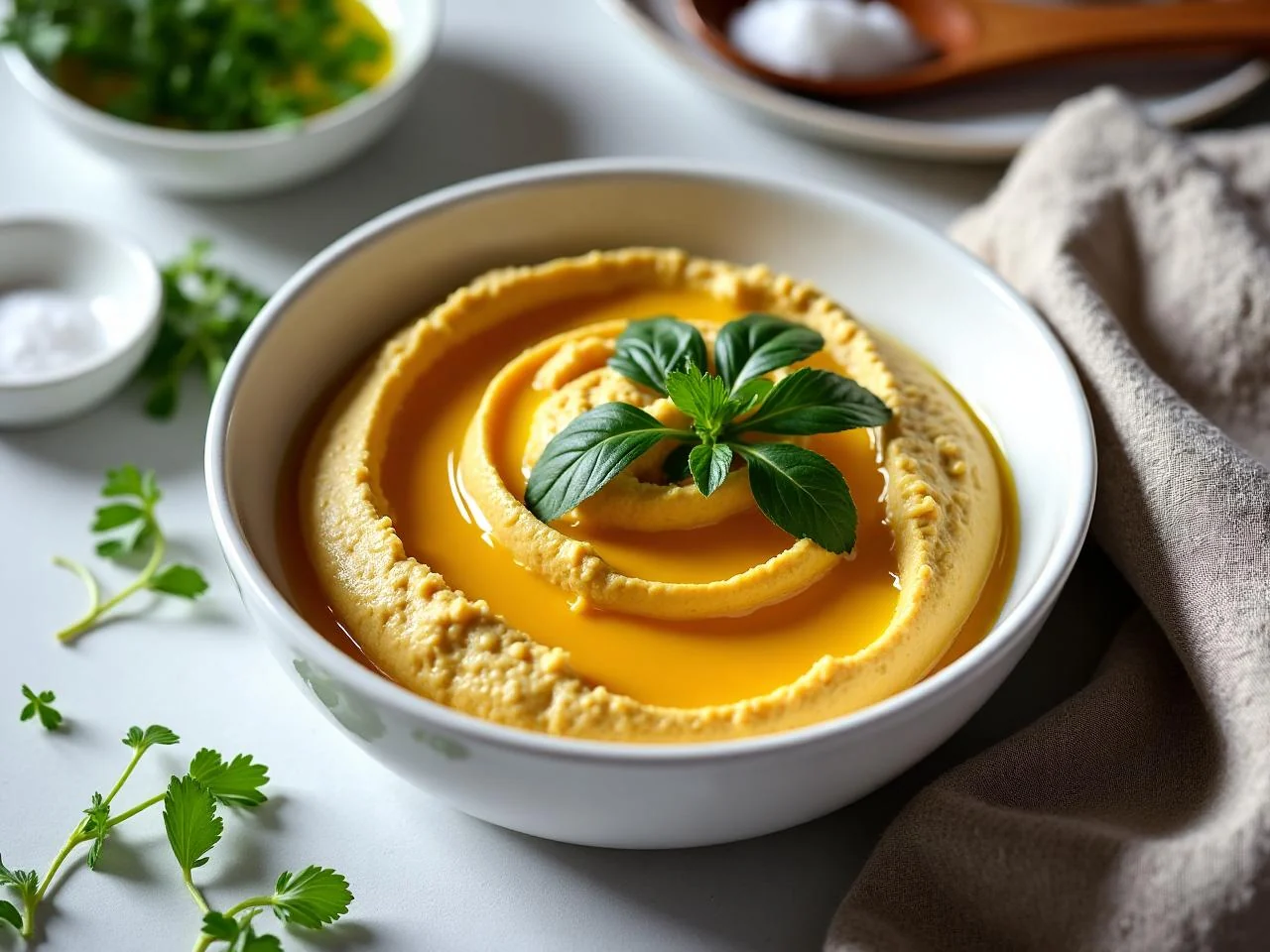
As a lover of bright, seasonal salads and sides, I've always had a special place in my heart for hummus. There's something about the creamy texture, the tangy flavor, and the way it brings people together that just makes me happy. I remember making hummus for the first time in my tiny kitchen, using a recipe from a friend who had learned it from her Lebanese grandmother. It was love at first bite - the way the chickpeas and tahini melded together, the burst of lemon juice, and the richness of the garlic all combined to create something truly special.
Over the years, I've tweaked and refined my hummus recipe to get it just right. I've tried different types of chickpeas, various brands of tahini, and even experimented with different spices and flavorings. But at the end of the day, I always come back to this classic recipe - it's simple, it's authentic, and it's utterly delicious. Whether you're a hummus newbie or a seasoned pro, I hope you'll give this recipe a try and experience the joy of homemade hummus for yourself.
One of the things I love about hummus is its versatility. You can serve it as a dip for vegetables or pita chips, use it as a spread for sandwiches or wraps, or even as a side dish for grilled meats or falafel. It's also a great way to get your daily dose of protein, fiber, and healthy fats - and it's incredibly easy to make ahead and store in the fridge for up to a week.
So who is this recipe for? It's for anyone who loves the taste of the Middle East, for anyone who's looking for a healthy and delicious snack or appetizer, and for anyone who wants to impress their friends and family with a dish that's both easy to make and impressive to serve. Whether you're a busy parent, a college student, or a foodie at heart, I hope you'll find this recipe to be a valuable addition to your culinary repertoire.
In this recipe, I'll walk you through the process of making classic hummus from scratch. We'll start with the basics - chickpeas, tahini, garlic, and lemon juice - and then add in some extra flavorings and spices to give it that extra oomph. I'll share my tips and tricks for getting the texture just right, and for adding in some extra flavor and nutrition. And by the end of it all, you'll have a delicious batch of homemade hummus that's sure to become a staple in your kitchen.
Why You’ll Love This Recipe
- This recipe is incredibly easy to make, requiring just a few simple ingredients and a blender or food processor
- It's a healthy and nutritious snack or appetizer, packed with protein, fiber, and healthy fats
- It's perfect for making ahead and storing in the fridge for up to a week, making it a great option for busy families or individuals
- It's a great way to add some excitement and variety to your meals, with a unique flavor and texture that's sure to impress
- It's a budget-friendly option, using ingredients that are easily found in most supermarkets and are relatively inexpensive
- It's a crowd-pleaser, perfect for serving at parties or gatherings and sure to be a hit with both kids and adults
Why This Recipe Works
The key to making great hummus is all about the balance of flavors and textures. You want to have a good balance of creamy and tangy, with a richness from the tahini and a brightness from the lemon juice. You also want to have a smooth, creamy texture - which is where the chickpeas and garlic come in. By blending these ingredients together in just the right way, you can create a dip that's both healthy and delicious.
One of the most important things to get right is the ratio of chickpeas to tahini. If you have too much tahini, the hummus can become overpowering and bitter - while too few chickpeas can make it taste bland and uninteresting. I've found that a ratio of about 2:1 (chickpeas to tahini) works perfectly, with a squeeze of lemon juice and a sprinkle of garlic to bring everything together.
Another important thing to consider is the type of chickpeas you use. I prefer to use canned chickpeas, as they're convenient and easy to find - but you can also use dried chickpeas that you've cooked from scratch. Just be sure to rinse them well and drain off any excess liquid before adding them to the blender.
Finally, don't be afraid to experiment and add in your own favorite flavorings and spices. A pinch of cumin, a sprinkle of paprika, or a squeeze of fresh parsley can all add a unique twist to your hummus and make it even more delicious.
Ingredients You’ll Need
When it comes to making hummus, the ingredients are just as important as the technique. You'll want to use high-quality chickpeas, tahini, garlic, and lemon juice to get the best flavor and texture. I prefer to use canned chickpeas, as they're convenient and easy to find - but you can also use dried chickpeas that you've cooked from scratch. Just be sure to rinse them well and drain off any excess liquid before adding them to the blender.
In addition to the main ingredients, you'll also want to have some extra flavorings and spices on hand. A pinch of salt, a sprinkle of cumin, and a squeeze of fresh parsley can all add a unique twist to your hummus and make it even more delicious. And don't forget to have some pita chips or vegetables on hand for dipping - it's the perfect way to enjoy your homemade hummus!
- 1 (15 oz) can chickpeas, drained and rinsedI prefer to use canned chickpeas, as they're convenient and easy to find - but you can also use dried chickpeas that you've cooked from scratch. Just be sure to rinse them well and drain off any excess liquid before adding them to the blender.
- 1/4 cup tahiniTahini is a key ingredient in hummus, providing a rich and creamy texture. I prefer to use a high-quality tahini that's made from ground sesame seeds, as it has a more nuanced flavor and a smoother texture.
- 2 cloves garlic, mincedGarlic is a key flavor component in hummus, adding a pungent and savory flavor. I prefer to use fresh garlic, as it has a more vibrant flavor than dried or powdered garlic.
- 1/4 cup freshly squeezed lemon juiceLemon juice is a key ingredient in hummus, providing a bright and tangy flavor. I prefer to use freshly squeezed lemon juice, as it has a more vibrant flavor than bottled or frozen lemon juice.
- 1/4 cup olive oilOlive oil is a key ingredient in hummus, providing a rich and creamy texture. I prefer to use a high-quality olive oil that's made from fresh olives, as it has a more nuanced flavor and a smoother texture.
- 1/2 teaspoon saltSalt is a key seasoning in hummus, adding depth and complexity to the flavor. I prefer to use a high-quality salt that's made from natural ingredients, as it has a more nuanced flavor than refined or processed salt.
- 3 tablespoons waterWater is a key ingredient in hummus, helping to thin out the mixture and create a smooth and creamy texture. I prefer to use cold water, as it helps to prevent the hummus from becoming too thick or sticky.
- 1/4 teaspoon black pepperBlack pepper is a key seasoning in hummus, adding a subtle and slightly spicy flavor. I prefer to use freshly ground black pepper, as it has a more vibrant flavor than pre-ground or packaged pepper.
- 1/4 teaspoon paprikaPaprika is a key spice in hummus, adding a smoky and slightly sweet flavor. I prefer to use a high-quality paprika that's made from fresh bell peppers, as it has a more nuanced flavor and a deeper color.
- 1/4 teaspoon cuminCumin is a key spice in hummus, adding a warm and slightly earthy flavor. I prefer to use a high-quality cumin that's made from fresh seeds, as it has a more vibrant flavor and a more aromatic scent.
- 2 tablespoons chopped fresh parsleyParsley is a key garnish in hummus, adding a fresh and herbaceous flavor. I prefer to use fresh parsley, as it has a more vibrant flavor and a brighter color than dried or frozen parsley.
- Salt and pepper to tasteThis is where you can customize the flavor of your hummus to your liking, adding more salt, pepper, or other seasonings as desired.
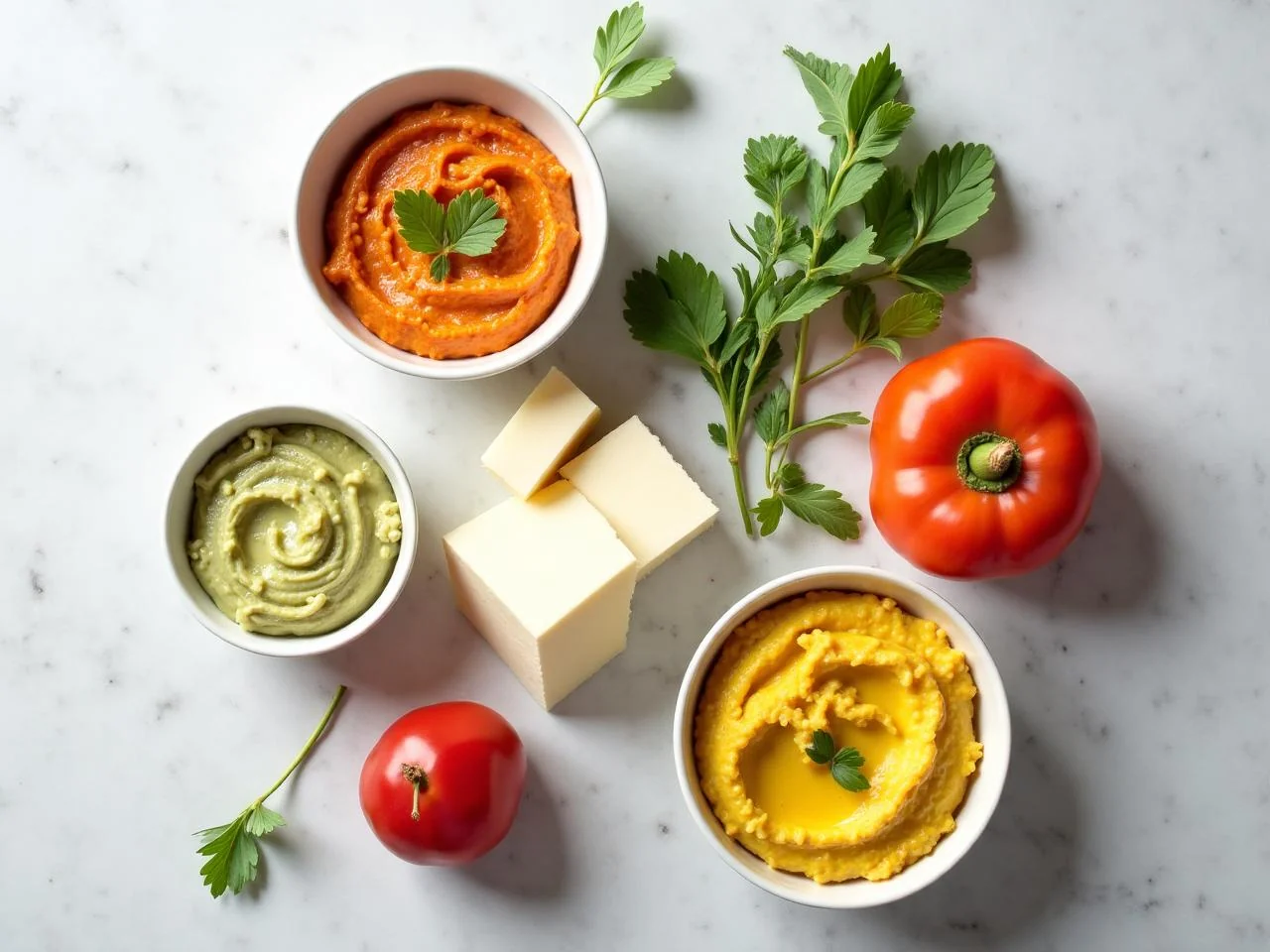
Equipment You’ll Need
How to Make Classic Hummus
- 1Drain and rinse the chickpeas, then add them to a blender or food processor with the tahini, garlic, lemon juice, olive oil, salt, black pepper, paprika, and cumin.
- 2Blend the mixture on high speed for about 2 minutes, or until it's smooth and creamy.
- 3Add the water to the blender and continue blending for another minute, or until the hummus is the desired consistency.
- 4Taste the hummus and adjust the seasoning as needed, adding more salt, pepper, or lemon juice to taste.
- 5Transfer the hummus to a bowl or container and garnish with the chopped parsley.
- 6Cover the bowl with plastic wrap and refrigerate the hummus for at least 30 minutes to allow the flavors to meld.
- 7Before serving, give the hummus a good stir and adjust the seasoning as needed.
- 8Serve the hummus with pita chips, vegetables, or crackers, and enjoy!
- 9If you want a thicker hummus, you can add a little more tahini or chickpeas and blend until smooth.
- 10If you want a thinner hummus, you can add a little more water or lemon juice and blend until smooth.
- 11You can also customize the flavor of your hummus by adding in other ingredients, such as roasted garlic, sun-dried tomatoes, or chopped fresh herbs.
- 12To make ahead, simply prepare the hummus as directed, then cover and refrigerate for up to a week.
- 13To freeze, transfer the hummus to an airtight container or freezer bag and store in the freezer for up to 3 months. Simply thaw and serve when you're ready.
Expert Tips
- Use high-quality ingredients, such as fresh lemons and fresh parsley, to get the best flavor and texture.
- Don't over-blend the hummus, as it can become too thick and sticky.
- Add the water gradually, as you may not need all of it to achieve the desired consistency.
- Taste the hummus as you go and adjust the seasoning accordingly.
- Experiment with different flavorings and spices to create unique and delicious variations.
- Make ahead and store in the fridge for up to a week, or freeze for up to 3 months.
- Serve with pita chips, vegetables, or crackers for a delicious and healthy snack or appetizer.
- Consider adding in other ingredients, such as roasted garlic or sun-dried tomatoes, to create a unique and flavorful hummus.
Common Mistakes to Avoid
- Using low-quality ingredients, such as canned lemon juice or dried parsley, which can affect the flavor and texture of the hummus.
- Over-blending the hummus, which can make it too thick and sticky.
- Not adjusting the seasoning, which can result in a hummus that's too bland or too salty.
- Not using enough lemon juice, which can make the hummus taste flat and uninteresting.
- Not refrigerating the hummus for at least 30 minutes, which can affect the texture and flavor.
- Not serving the hummus with a variety of dippers, such as pita chips or vegetables, which can make it more enjoyable and interesting to eat.
Variations and Substitutions
- Roasted garlic hummus: roast 2-3 cloves of garlic in the oven until soft and mashed, then add to the hummus.
- Sun-dried tomato hummus: add 1/4 cup of sun-dried tomatoes to the hummus and blend until smooth.
- Spicy hummus: add 1-2 teaspoons of harissa or sriracha to the hummus and blend until smooth.
- Lemon-herb hummus: add 1 tablespoon of chopped fresh herbs, such as parsley or cilantro, to the hummus and blend until smooth.
- Smoky hummus: add 1-2 teaspoons of smoked paprika to the hummus and blend until smooth.
- Black bean hummus: substitute 1 cup of cooked black beans for the chickpeas and blend until smooth.
- Edamame hummus: substitute 1 cup of cooked edamame for the chickpeas and blend until smooth.
What to Serve With Classic Hummus
Hummus is a versatile dip that can be served with a variety of dippers, such as pita chips, vegetables, or crackers. You can also use it as a spread for sandwiches or wraps, or as a side dish for grilled meats or falafel. Consider serving it with a variety of colorful vegetables, such as carrots, cucumbers, and bell peppers, for a healthy and delicious snack or appetizer.
Some other ideas for serving hummus include using it as a dip for fried cauliflower or fried pickles, or as a topping for baked potatoes or grilled meats. You can also use it as a base for other dips, such as guacamole or salsa, by adding in other ingredients and spices.
Make-Ahead, Storage, Freezing and Reheating
To store hummus, simply cover it with plastic wrap and refrigerate for up to a week. You can also freeze it for up to 3 months, then thaw and serve when you're ready. If you're making ahead, consider preparing the hummus up to a day in advance, then refrigerating or freezing it until you're ready to serve.
When refrigerating hummus, make sure to keep it in an airtight container to prevent it from drying out or absorbing other flavors. You can also add a layer of plastic wrap or wax paper to the top of the container to prevent it from coming into contact with the air.
When freezing hummus, consider transferring it to an airtight container or freezer bag to prevent it from getting freezer burn. You can also add a label to the container with the date and the contents, so you can easily keep track of how long it's been in the freezer.
To reheat frozen hummus, simply thaw it in the refrigerator or at room temperature, then give it a good stir and adjust the seasoning as needed. You can also reheat it in the microwave or on the stovetop, but be careful not to overheat it, as it can become too thick and sticky.
Frequently Asked Questions
What is hummus?
Hummus is a traditional Middle Eastern dip made from chickpeas, tahini, garlic, and lemon juice. It's a healthy and delicious snack or appetizer that's perfect for serving with pita chips, vegetables, or crackers.
How do I make hummus?
To make hummus, simply blend together chickpeas, tahini, garlic, lemon juice, and olive oil in a blender or food processor. Add in some salt, pepper, and paprika for extra flavor, then taste and adjust the seasoning as needed.
What can I serve with hummus?
Hummus is a versatile dip that can be served with a variety of dippers, such as pita chips, vegetables, or crackers. You can also use it as a spread for sandwiches or wraps, or as a side dish for grilled meats or falafel.
How long does hummus last?
Hummus can be stored in the refrigerator for up to a week, or frozen for up to 3 months. Simply cover it with plastic wrap and refrigerate, or transfer it to an airtight container or freezer bag and store in the freezer.
Can I make hummus ahead of time?
Yes, you can make hummus ahead of time! Simply prepare it as directed, then cover and refrigerate for up to a day, or freeze for up to 3 months. When you're ready to serve, simply thaw and give it a good stir, adjusting the seasoning as needed.
Can I customize the flavor of my hummus?
Yes, you can customize the flavor of your hummus by adding in other ingredients, such as roasted garlic, sun-dried tomatoes, or chopped fresh herbs. Experiment with different flavorings and spices to create unique and delicious variations.
Is hummus healthy?
Yes, hummus is a healthy snack or appetizer! It's made from chickpeas, which are high in protein and fiber, and tahini, which is high in healthy fats. It's also low in calories and rich in vitamins and minerals.
Can I make hummus without tahini?
While tahini is a key ingredient in traditional hummus, you can make a version without it. Simply substitute in another nut or seed butter, such as peanut butter or almond butter, and adjust the seasoning as needed.
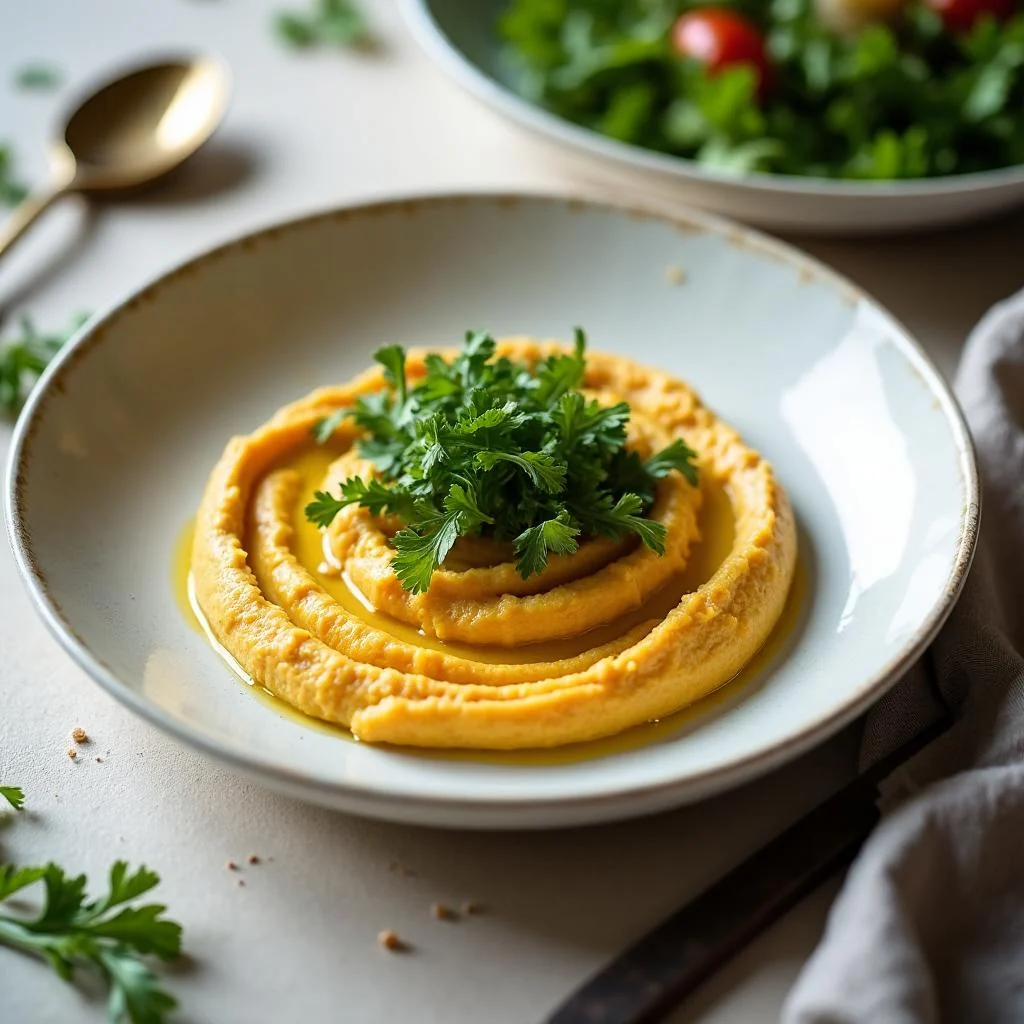
Ingredients
- 1 (15 oz) can chickpeas, drained and rinsed
- 1/4 cup tahini
- 2 cloves garlic, minced
- 1/4 cup freshly squeezed lemon juice
- 1/4 cup olive oil
- 1/2 teaspoon salt
- 3 tablespoons water
- 1/4 teaspoon black pepper
- 1/4 teaspoon paprika
- 1/4 teaspoon cumin
- 2 tablespoons chopped fresh parsley
- Salt and pepper to taste
Instructions
- Drain and rinse the chickpeas, then add them to a blender or food processor with the tahini, garlic, lemon juice, olive oil, salt, black pepper, paprika, and cumin.
- Blend the mixture on high speed for about 2 minutes, or until it's smooth and creamy.
- Add the water to the blender and continue blending for another minute, or until the hummus is the desired consistency.
- Taste the hummus and adjust the seasoning as needed, adding more salt, pepper, or lemon juice to taste.
- Transfer the hummus to a bowl or container and garnish with the chopped parsley.
- Cover the bowl with plastic wrap and refrigerate the hummus for at least 30 minutes to allow the flavors to meld.
- Before serving, give the hummus a good stir and adjust the seasoning as needed.
- Serve the hummus with pita chips, vegetables, or crackers, and enjoy!
- If you want a thicker hummus, you can add a little more tahini or chickpeas and blend until smooth.
- If you want a thinner hummus, you can add a little more water or lemon juice and blend until smooth.
- You can also customize the flavor of your hummus by adding in other ingredients, such as roasted garlic, sun-dried tomatoes, or chopped fresh herbs.
- To make ahead, simply prepare the hummus as directed, then cover and refrigerate for up to a week.
- To freeze, transfer the hummus to an airtight container or freezer bag and store in the freezer for up to 3 months. Simply thaw and serve when you're ready.