
Classic Mashed Potatoes
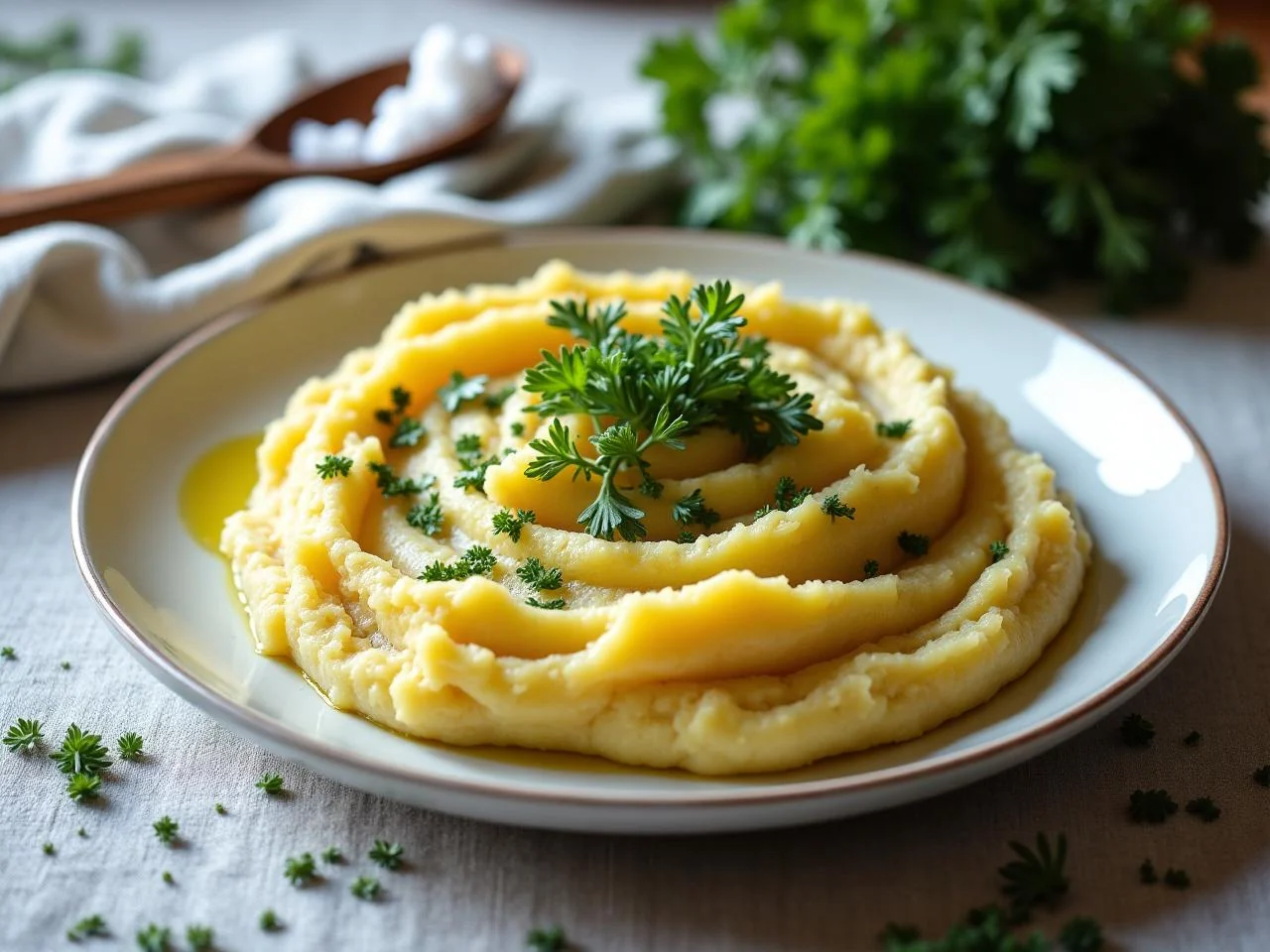
I still remember the first time I made mashed potatoes from scratch - it was a revelation. The fluffy texture, the deep flavor, and the satisfaction of creating something so comforting from just a few simple ingredients. As a home cook, I've perfected my recipe over the years, and I'm excited to share it with you.
There's something special about a warm, comforting bowl of mashed potatoes that just feels like home. Whether you're serving it alongside a juicy roast chicken, a hearty stew, or just on its own as a side dish, mashed potatoes are a classic for a reason.
So, what makes my recipe special? For starters, I use high-quality potatoes that are high in starch, which helps them to yield a light and fluffy texture. I also add a generous amount of butter and milk to give the potatoes a rich, creamy flavor. And, of course, I season them with a pinch of salt and pepper to bring out the natural sweetness of the potatoes.
This recipe is perfect for anyone looking to elevate their mashed potato game, whether you're a beginner or an experienced cook. And the best part? It's incredibly easy to make - just boil, mash, and serve. So, let's get started!
In this recipe, I'll walk you through the simple steps to making the fluffiest, most flavorful mashed potatoes you've ever tasted. From selecting the right potatoes to adding just the right amount of butter and milk, I'll share all my tips and tricks for achieving mashed potato perfection.
Why You’ll Love This Recipe
- This recipe is incredibly easy to make, requiring just a few simple ingredients and some basic cooking skills.
- The mashed potatoes are perfect for serving alongside a variety of main dishes, from roast chicken to grilled steak.
- You can customize the recipe to suit your tastes by adding different seasonings or mix-ins, such as garlic, herbs, or grated cheese.
- The mashed potatoes are a great side dish for special occasions, such as holidays or dinner parties.
- This recipe makes a large batch of mashed potatoes, which can be easily reheated or frozen for later use.
- The mashed potatoes are a comforting and satisfying side dish that's sure to become a family favorite.
Why This Recipe Works
The key to making great mashed potatoes is to use high-quality potatoes that are high in starch, such as Russet or Idaho potatoes. These potatoes have a naturally fluffy texture that yields a light and airy mash.
Another important factor is the cooking time - you want to cook the potatoes until they're tender, but still firm enough to hold their shape. This helps to prevent them from becoming too mushy or gluey.
Finally, the type of butter and milk you use can make a big difference in the flavor and texture of the mashed potatoes. I recommend using a high-quality, European-style butter that's rich in flavor and has a high fat content. For the milk, you can use either whole milk or a non-dairy milk alternative, depending on your dietary preferences.
Ingredients You’ll Need
To make this recipe, you'll need just a few simple ingredients, including high-quality potatoes, butter, milk, salt, and pepper. You'll also need some basic cooking equipment, such as a large pot and a masher or food mill.
When selecting your potatoes, look for ones that are high in starch, such as Russet or Idaho potatoes. These potatoes have a naturally fluffy texture that yields a light and airy mash. You can also use other types of potatoes, such as Yukon Gold or red potatoes, but keep in mind that they may have a slightly different texture and flavor.
- 3-4 large Russet or Idaho potatoes, peeled and chopped into 1-inch cubesLook for potatoes that are high in starch, such as Russet or Idaho potatoes, for the fluffiest texture. You can also use other types of potatoes, such as Yukon Gold or red potatoes, but keep in mind that they may have a slightly different texture and flavor.
- 1/2 cup (1 stick) unsalted butter, softenedUse a high-quality, European-style butter that's rich in flavor and has a high fat content for the best flavor.
- 1/2 cup whole milk or non-dairy milk alternativeYou can use either whole milk or a non-dairy milk alternative, such as almond or soy milk, depending on your dietary preferences.
- Salt and pepper, to tasteUse a pinch of salt and pepper to bring out the natural sweetness of the potatoes and add depth to the dish.
- 2 cloves garlic, minced (optional)If you're a garlic lover, you can add a couple of cloves to the potatoes for extra flavor.
- 1 tablespoon chopped fresh herbs, such as parsley or chives (optional)If you want to add a bit of freshness to the dish, you can sprinkle some chopped herbs on top of the mashed potatoes before serving.
- 1/4 cup grated cheese, such as cheddar or Parmesan (optional)If you want to add an extra burst of flavor to the dish, you can sprinkle some grated cheese on top of the mashed potatoes before serving.
- 1 tablespoon sour cream or Greek yogurt (optional)If you want to add a bit of tanginess to the dish, you can mix in some sour cream or Greek yogurt with the mashed potatoes.
- 1 teaspoon Dijon mustard (optional)If you want to add a bit of spice to the dish, you can mix in some Dijon mustard with the mashed potatoes.
- 1/4 teaspoon paprika (optional)If you want to add a bit of smokiness to the dish, you can sprinkle some paprika on top of the mashed potatoes before serving.
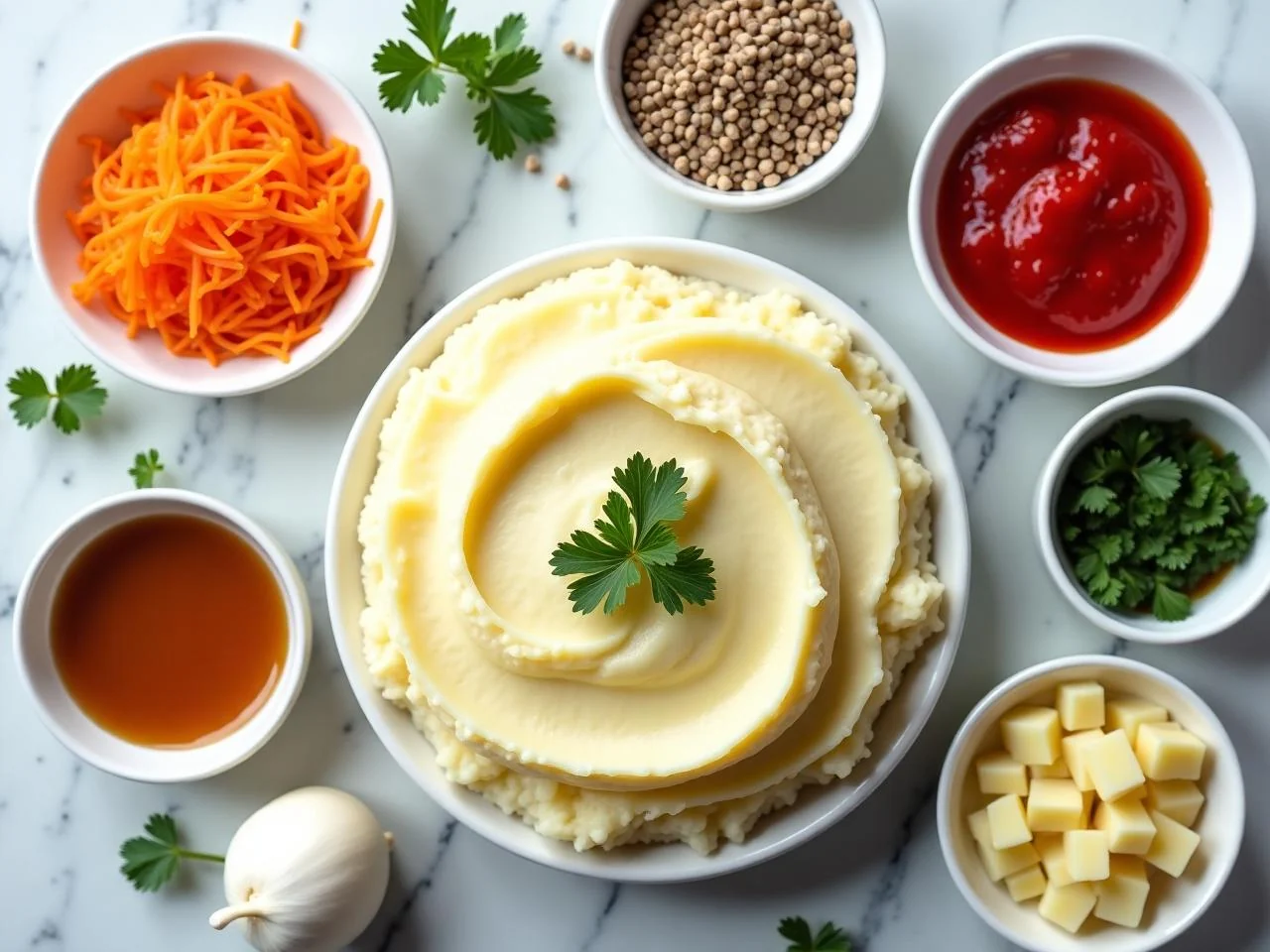
Equipment You’ll Need
How to Make Classic Mashed Potatoes
- 1Fill a large pot with enough cold water to cover the chopped potatoes, and add a pinch of salt to the water.
- 2Bring the water to a boil over high heat, then reduce the heat to medium-low and simmer the potatoes for 15-20 minutes, or until they're tender when pierced with a fork.
- 3Drain the potatoes in a colander or strainer, and return them to the pot.
- 4Add the softened butter, salt, and pepper to the potatoes, and mash them with a masher or food mill until they're smooth and creamy.
- 5Gradually add the milk to the potatoes, stirring to combine, until the mashed potatoes reach your desired consistency.
- 6If using, add the minced garlic, chopped herbs, grated cheese, sour cream or Greek yogurt, Dijon mustard, and paprika to the mashed potatoes, and stir to combine.
- 7Taste the mashed potatoes and adjust the seasoning as needed.
- 8Serve the mashed potatoes hot, garnished with additional chopped herbs or grated cheese if desired.
- 9If you want to make the mashed potatoes ahead of time, you can refrigerate or freeze them, then reheat them in the oven or on the stovetop when you're ready to serve.
- 10To reheat the mashed potatoes, simply place them in a saucepan over low heat, adding a splash of milk or cream if they seem too thick, and stir until they're warmed through.
Expert Tips
- Use high-quality potatoes that are high in starch for the fluffiest texture.
- Don't over-mix the mashed potatoes, or they'll become gluey and unappetizing.
- Add the milk gradually, stirring to combine, until the mashed potatoes reach your desired consistency.
- If you're using a food mill or ricer to mash the potatoes, be sure to use the finest grinding disk for the smoothest texture.
- To add extra flavor to the mashed potatoes, try mixing in some grated cheese, chopped herbs, or a spoonful of sour cream or Greek yogurt.
- To make the mashed potatoes ahead of time, refrigerate or freeze them, then reheat them in the oven or on the stovetop when you're ready to serve.
Common Mistakes to Avoid
- Using low-quality potatoes that are too waxy or too starchy, which can result in a gluey or unappetizing texture.
- Over-cooking the potatoes, which can make them too soft and mushy.
- Not adding enough butter or milk to the mashed potatoes, which can make them too dry and unflavorful.
- Over-mixing the mashed potatoes, which can make them gluey and unappetizing.
- Not seasoning the mashed potatoes adequately, which can make them taste bland and uninteresting.
- Not reheating the mashed potatoes properly, which can make them dry and unappetizing.
Variations and Substitutions
- Roasted garlic mashed potatoes: roast 2-3 cloves of garlic in the oven until soft and mashed, then mix into the potatoes.
- Truffle mashed potatoes: mix in some truffle oil or shaved truffles for an earthy, umami flavor.
- Bacon and chive mashed potatoes: mix in some crumbled bacon and chopped chives for a smoky, savory flavor.
- Goat cheese and herb mashed potatoes: mix in some crumbled goat cheese and chopped herbs, such as parsley or chives, for a tangy, fresh flavor.
- Spicy mashed potatoes: mix in some diced jalapenos or red pepper flakes for an extra kick of heat.
- Loaded mashed potatoes: mix in some grated cheese, sour cream, and diced bacon for a rich, indulgent flavor.
What to Serve With Classic Mashed Potatoes
Mashed potatoes are a versatile side dish that can be served alongside a variety of main dishes, from roast chicken to grilled steak. They're also a great accompaniment to soups, stews, and salads. If you want to get creative, you can top the mashed potatoes with some extra ingredients, such as grated cheese, chopped herbs, or a spoonful of sour cream or Greek yogurt.
Some other ideas for serving mashed potatoes include serving them alongside some roasted vegetables, such as Brussels sprouts or carrots, or using them as a base for a hearty, comforting bowl. You can also use mashed potatoes as a topping for a shepherd's pie or a casserole, or as a filling for stuffed peppers or cabbage rolls.
Make-Ahead, Storage, Freezing and Reheating
If you want to make the mashed potatoes ahead of time, you can refrigerate or freeze them, then reheat them in the oven or on the stovetop when you're ready to serve. To refrigerate the mashed potatoes, simply place them in an airtight container and store them in the fridge for up to 3 days.
To freeze the mashed potatoes, scoop them into an airtight container or freezer bag, making sure to press out as much air as possible before sealing. Frozen mashed potatoes will keep for up to 3 months. When you're ready to reheat them, simply thaw them overnight in the fridge, then reheat them in the oven or on the stovetop until warmed through.
To reheat the mashed potatoes, you can use either the oven or the stovetop. To reheat them in the oven, simply place them in a saucepan or baking dish, add a splash of milk or cream if they seem too thick, and bake at 350°F (180°C) for about 20-25 minutes, or until warmed through.
To reheat the mashed potatoes on the stovetop, simply place them in a saucepan over low heat, adding a splash of milk or cream if they seem too thick, and stir until they're warmed through. You can also add some extra butter or cream to the mashed potatoes if you want to give them an extra-rich flavor.
Frequently Asked Questions
What type of potatoes should I use for mashed potatoes?
For the fluffiest texture, use high-quality potatoes that are high in starch, such as Russet or Idaho potatoes. You can also use other types of potatoes, such as Yukon Gold or red potatoes, but keep in mind that they may have a slightly different texture and flavor.
How do I prevent my mashed potatoes from becoming too gluey or unappetizing?
To prevent your mashed potatoes from becoming too gluey or unappetizing, be sure to not over-mix them, and add the milk gradually, stirring to combine, until the mashed potatoes reach your desired consistency.
Can I make mashed potatoes ahead of time?
Yes, you can make mashed potatoes ahead of time. Simply refrigerate or freeze them, then reheat them in the oven or on the stovetop when you're ready to serve.
How do I reheat mashed potatoes without drying them out?
To reheat mashed potatoes without drying them out, add a splash of milk or cream to the potatoes, and stir until they're warmed through. You can also add some extra butter or cream to the mashed potatoes if you want to give them an extra-rich flavor.
What are some creative ways to serve mashed potatoes?
Some creative ways to serve mashed potatoes include topping them with grated cheese, chopped herbs, or a spoonful of sour cream or Greek yogurt. You can also use mashed potatoes as a base for a hearty, comforting bowl, or as a topping for a shepherd's pie or a casserole.
Can I freeze mashed potatoes?
Yes, you can freeze mashed potatoes. Simply scoop them into an airtight container or freezer bag, making sure to press out as much air as possible before sealing. Frozen mashed potatoes will keep for up to 3 months.
How do I add extra flavor to my mashed potatoes?
To add extra flavor to your mashed potatoes, try mixing in some grated cheese, chopped herbs, or a spoonful of sour cream or Greek yogurt. You can also add some garlic, onion, or shallot to the potatoes for extra depth of flavor.
Can I make mashed potatoes in a slow cooker?
Yes, you can make mashed potatoes in a slow cooker. Simply boil the potatoes until they're tender, then mash them with some butter, milk, and seasonings in the slow cooker. Cook on low for about 2-3 hours, or until the mashed potatoes are warmed through and creamy.
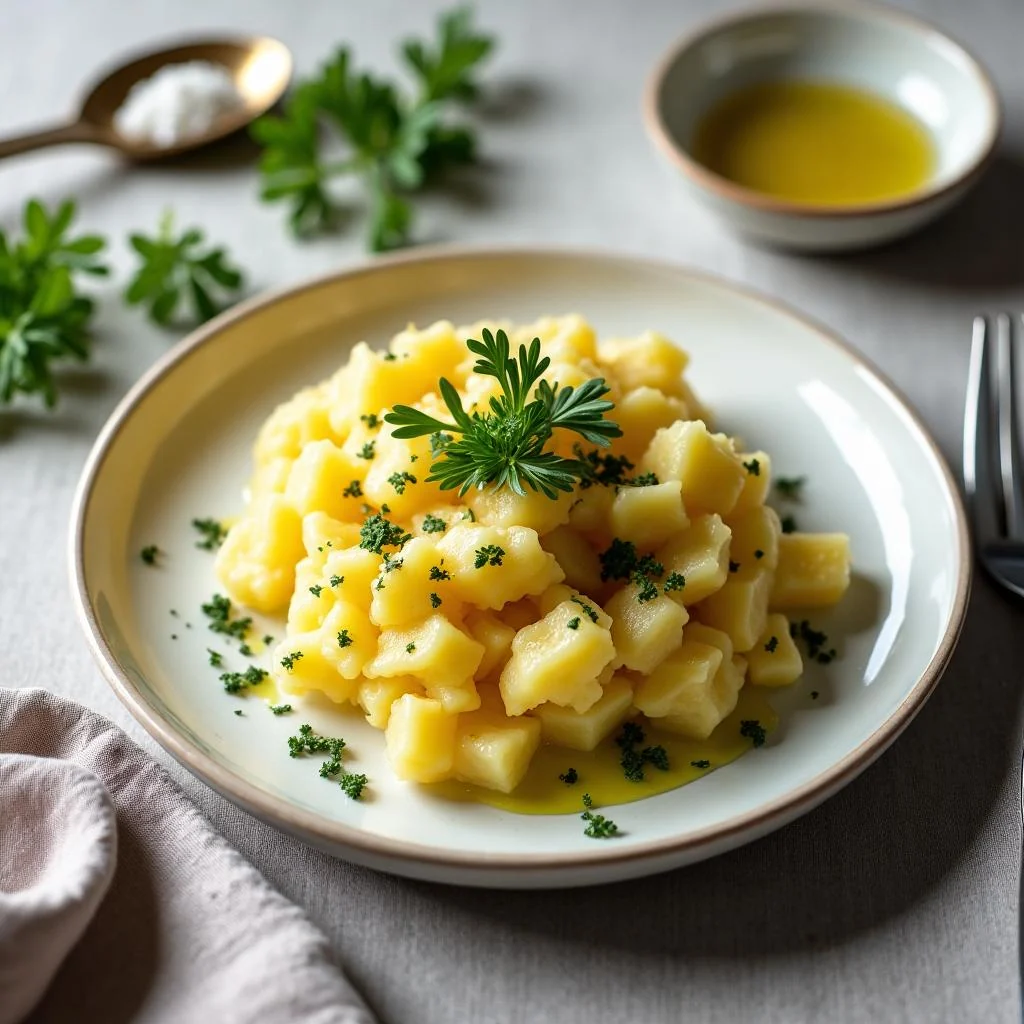
Ingredients
- 3-4 large Russet or Idaho potatoes, peeled and chopped into 1-inch cubes
- 1/2 cup (1 stick) unsalted butter, softened
- 1/2 cup whole milk or non-dairy milk alternative
- Salt and pepper, to taste
- 2 cloves garlic, minced (optional)
- 1 tablespoon chopped fresh herbs, such as parsley or chives (optional)
- 1/4 cup grated cheese, such as cheddar or Parmesan (optional)
- 1 tablespoon sour cream or Greek yogurt (optional)
- 1 teaspoon Dijon mustard (optional)
- 1/4 teaspoon paprika (optional)
Instructions
- Fill a large pot with enough cold water to cover the chopped potatoes, and add a pinch of salt to the water.
- Bring the water to a boil over high heat, then reduce the heat to medium-low and simmer the potatoes for 15-20 minutes, or until they're tender when pierced with a fork.
- Drain the potatoes in a colander or strainer, and return them to the pot.
- Add the softened butter, salt, and pepper to the potatoes, and mash them with a masher or food mill until they're smooth and creamy.
- Gradually add the milk to the potatoes, stirring to combine, until the mashed potatoes reach your desired consistency.
- If using, add the minced garlic, chopped herbs, grated cheese, sour cream or Greek yogurt, Dijon mustard, and paprika to the mashed potatoes, and stir to combine.
- Taste the mashed potatoes and adjust the seasoning as needed.
- Serve the mashed potatoes hot, garnished with additional chopped herbs or grated cheese if desired.
- If you want to make the mashed potatoes ahead of time, you can refrigerate or freeze them, then reheat them in the oven or on the stovetop when you're ready to serve.
- To reheat the mashed potatoes, simply place them in a saucepan over low heat, adding a splash of milk or cream if they seem too thick, and stir until they're warmed through.