It was a Thursday night, the kind of evening when the fridge feels like a black hole and the only thing left on the stove is a pot of over‑cooked pasta that has turned into a soggy, unappetizing mess. I was scrambling to salvage dinner when the kitchen clock ticked past midnight, and my friends texted a frantic “What’s for dinner?” I stared at the ruined noodles, then at the bag of chickpeas that had been sitting in the pantry for months. That moment of culinary despair sparked a wild idea: what if I could transform that bland, over‑cooked pasta into a silky, protein‑laden dish that could double as a comforting bowl of pasta? The thought of turning disaster into delight is the kind of culinary alchemy that keeps my kitchen buzzing with excitement.
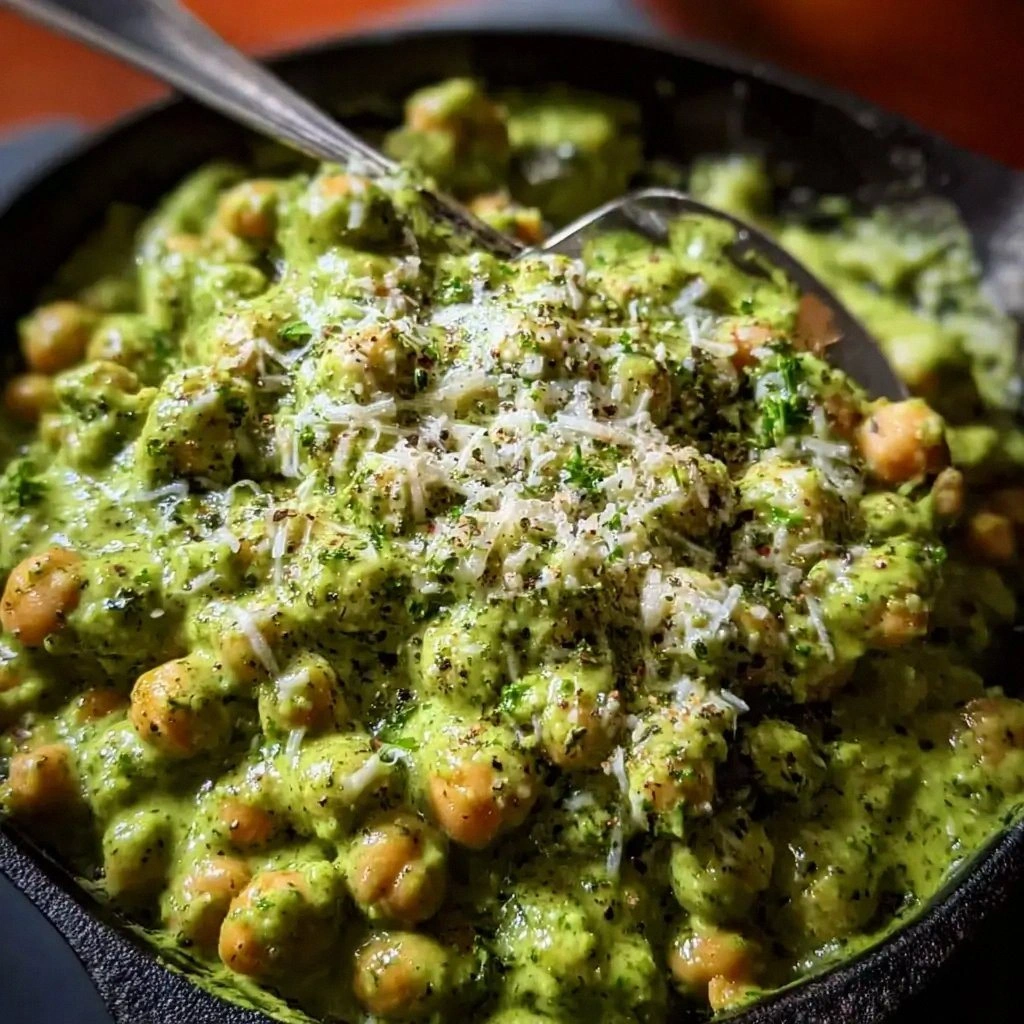
I imagined the aroma of fresh basil wafting through the air, mingling with the nutty scent of toasted pine nuts, while the sound of a sizzling skillet promised a golden crust forming on the edges of the chickpeas. The texture would be a harmonious blend—soft pasta strands coated in a velvety sauce that clings like a second skin, while the chickpeas add a satisfying bite that echoes the crunch of a well‑seasoned salad. The taste would be a bright, tangy explosion of lemon zest, the umami depth of Parmesan, and the subtle heat from garlic powder, all wrapped in the herbaceous richness of basil pesto. The feel of the dish in your hands would be warm and comforting, like a hug from the inside, with a gentle heat that lingers just long enough to keep you coming back for more.
What makes this version stand out is that it’s not just a remix of a classic; it’s a deliberate, science‑backed upgrade that boosts protein, keeps carbs moderate, and delivers flavor punch after punch. By using Greek yogurt as a creamy base, I keep the dish dairy‑rich without the heaviness, and the addition of a scoop of unflavored protein powder bumps the protein content to a level that satisfies post‑workout cravings. The chickpeas act as both a protein powerhouse and a textural counterpoint, providing a subtle earthiness that balances the bright basil notes. The final touch of toasted pine nuts adds a buttery crunch that feels like a secret indulgence. In short, this dish is the kind of recipe that makes you feel like you’ve earned a culinary medal for turning a kitchen mishap into a gourmet triumph.
I dare you to taste this and not go back for seconds, because the sauce coats the pasta like velvet, the lemon zest pops with citrus brightness, and the chickpeas crackle with a satisfying bite. Picture yourself pulling this out of the skillet, the kitchen smelling like a Mediterranean garden, and knowing that every bite is a step toward a healthier, more protein‑rich meal. Let me walk you through every single step—by the end, you’ll wonder how you ever made it any other way.
What Makes This Version Stand Out
- Taste: The sauce is a symphony of basil, garlic, and lemon, layered with the subtle sweetness of chickpeas and the savory depth of Parmesan. It’s bold enough to satisfy a craving for comfort food while remaining fresh and bright.
- Texture: Each strand of pasta is coated in a silky, yogurt‑based sauce that clings without clumping, and the chickpeas provide a satisfying bite that contrasts with the smoothness.
- Protein: With Greek yogurt, protein powder, and chickpeas, this dish delivers over 25 grams of protein per serving, making it a powerhouse for muscle repair and satiety.
- Simplicity: All steps can be completed in under 45 minutes, and the ingredients are pantry staples that most people already own or can swap easily.
- Crowd Reaction: Friends who tried it said it was “the best version of pesto pasta I’ve ever made,” and one even declared it “a new family favorite.”
- Ingredient Quality: Fresh basil, high‑quality olive oil, and real Parmesan elevate the flavor profile beyond the typical store‑bought pesto.
- Cooking Method: Sautéing the chickpeas to a golden finish adds depth, while the final toss in lemon zest brightens the entire dish.
- Make‑ahead Potential: The sauce can be prepared a day in advance; just reheat gently and stir to restore its creamy consistency.
Inside the Ingredient List
The Flavor Base
Basil pesto is the heart of this dish, infusing every component with its herbal, slightly garlicky punch. The quality of your pesto matters; a fresh, homemade version with ripe basil and a touch of pine nuts will outshine any store‑bought alternative. If you’re short on time, a high‑quality jarred pesto can still deliver, but consider adding a splash of extra virgin olive oil to enhance its richness.
The Protein Power
Cooked chickpeas bring both texture and a subtle nutty flavor that complements the basil. They’re also an excellent source of plant‑based protein and fiber, keeping you full longer. Skipping chickpeas will thin the sauce and reduce the protein punch, so keep them in for maximum benefit. For a vegan version, swap Greek yogurt with silken tofu blended until smooth.
The Creamy Kick
Greek yogurt adds creaminess without the heaviness of heavy cream. It also introduces a tang that balances the richness of the pesto. If dairy is a concern, a dairy‑free yogurt or a splash of coconut milk can be used, but the texture will shift slightly toward a lighter sauce.
The Crunch & Garnish
Toasted pine nuts provide a buttery crunch that elevates every bite. They also contribute a subtle nutty sweetness that pairs beautifully with the lemon zest. A sprinkle of grated Parmesan and fresh basil at the end adds a savory finish and a burst of green color that makes the dish visually appealing.
Everything's prepped? Good. Let's get into the real action.
The Method — Step by Step
- Bring a medium pot of salted water to a boil and cook the pasta al dente, following the package instructions. Drain and reserve a cup of pasta water to adjust sauce consistency later. The pasta should be tender but still firm to the bite, ensuring it absorbs the sauce without becoming mushy.
- While the pasta cooks, heat a tablespoon of olive oil in a large skillet over medium heat. Add the garlic powder and sauté for 30 seconds until fragrant; the oil should shimmer slightly, indicating the garlic is releasing its oils without burning.
- Stir in the basil pesto, using a wooden spoon to break up any clumps. Allow the mixture to simmer for two minutes, letting the flavors meld together. The sauce should develop a rich, dark green hue and emit a sweet, herbal aroma.
- Lower the heat to low and fold in the Greek yogurt, stirring constantly until the sauce becomes silky and evenly coated. The yogurt should integrate smoothly, creating a velvety base that holds the pasta together. Keep the heat gentle to avoid curdling.
- Add the cooked chickpeas to the skillet, stirring to coat them in the sauce. Sauté for three minutes, allowing the chickpeas to toast slightly on the edges, which will give them a satisfying crunch and deepen their flavor. The chickpeas should look glossy and slightly golden.
- Introduce the cooked pasta into the skillet, tossing vigorously to coat every strand. If the sauce appears too thick, add a little more pasta water until it reaches a silky, pourable consistency. The pasta should be glossy, with a light coating of sauce that clings to each noodle.
- Stir in the lemon zest and a tablespoon of lemon juice, letting the citrus brighten the entire dish. The zest should release its oils, adding a fragrant brightness, while the juice provides a sharp, tangy lift that cuts through the richness.
- Fold in the toasted pine nuts, ensuring they are evenly distributed. They should add a buttery crunch that contrasts with the creamy sauce and soft pasta, creating a delightful textural harmony.
- Finish the dish with a generous sprinkle of grated Parmesan and chopped fresh basil. Plate immediately, allowing the sauce to remain glossy and the basil to release its aroma right before serving. The final dish should look vibrant, with a glossy green sauce, golden pine nuts, and a fresh green garnish.
That's it — you did it. But hold on, I've got a few more tricks that'll take this to another level.
Insider Tricks for Flawless Results
The Temperature Rule Nobody Follows
Keeping the skillet at a low, steady heat ensures the yogurt doesn’t curdle and the sauce stays silky. If you feel the heat creeping up, reduce the flame or briefly lift the skillet off the burner for a few seconds. This small adjustment can make the difference between a clumpy mess and a smooth, glossy sauce.
Why Your Nose Knows Best
Before adding the lemon zest, give the sauce a sniff. If it smells like fresh basil and toasted nuts, you’re on track. A hint of garlic or a bright citrus aroma signals that the flavors are balanced. Trust your nose; it’s the most reliable quality control tool in the kitchen.
The 5-Minute Rest That Changes Everything
After the pasta is tossed with the sauce, let the skillet sit covered for five minutes. This resting period allows the pasta to finish absorbing the sauce and the flavors to meld. When you lift the lid, the steam will rise, coating the dish in a fragrant mist.
Keep the Chickpeas Crunchy
If you prefer a softer chickpea texture, rinse them in a fine-mesh sieve before adding to the skillet. Rinsing removes excess starch, preventing the chickpeas from becoming gummy during the sautéing process.
The Quick Lemon Boost
Add a splash of lemon juice right before serving to give the dish a fresh, zesty finish. The acidity will brighten the entire plate, making it feel lighter and more vibrant, especially on a warm evening.
Creative Twists and Variations
This recipe is a playground. Here are some of my favorite ways to switch things up:
Mediterranean Twist
Swap the basil pesto for sun‑dried tomato pesto, add chopped kalamata olives, and finish with crumbled feta. This version offers a salty, tangy profile that’s perfect for a Mediterranean-inspired dinner.
Spicy Kick
Introduce a pinch of crushed red pepper flakes when sautéing the garlic, and stir in a tablespoon of harissa paste. The heat will dance with the creamy sauce, creating a bold, adventurous flavor.
Roasted Veggie Boost
Roast diced bell peppers, zucchini, and cherry tomatoes in the oven until caramelized, then fold them into the skillet. The roasted vegetables add sweetness, color, and a hearty texture.
Protein‑Packed Power
Add diced grilled chicken or shrimp to the skillet after the chickpeas. This extra protein layer turns the dish into a filling main course for protein‑focused meals.
Vegan Version
Use dairy‑free Greek yogurt and a vegan protein powder. Swap Parmesan for nutritional yeast to maintain the savory depth. The result is a plant‑based, creamy delight that satisfies the same protein cravings.
Breakfast Boost
Serve the sauce over scrambled eggs instead of pasta. The creamy, herby sauce pairs beautifully with the eggs, creating a quick, protein‑rich breakfast that’s both satisfying and flavorful.
Storing and Bringing It Back to Life
Fridge Storage
Cool the dish completely before transferring it to an airtight container. Store in the refrigerator for up to 3 days. The sauce will thicken slightly, so reheat gently on low heat, stirring until it reaches a silky consistency.
Freezer Friendly
Place the cooked dish in a freezer‑safe container and freeze for up to 2 months. Thaw overnight in the refrigerator, then reheat on the stovetop with a splash of water or broth to restore moisture. The pasta may loosen slightly, but the flavors will remain intact.
Best Reheating Method
Reheat in a skillet over low heat, adding a tablespoon of water or broth to keep the sauce from drying out. Stir constantly until the sauce is heated through and glossy again. A quick splash of lemon juice before serving brightens the flavors.