Picture this: you’re halfway through a midnight snack run, the fridge is a crime scene, and you’re craving something that’s both comfortingly familiar and eerily off‑beat. I found myself staring at a box of spaghetti, a can of tomato sauce, and a jar of ricotta, wondering how to turn a bland plate into a culinary thriller. I tried a handful of online recipes, but each one left me feeling like I’d just eaten a plain, unremarkable dish. That’s when I decided to take the plunge, add a splash of cream, a dash of pepper, and let the sauce turn into something that looks like a brain but tastes like a hug.
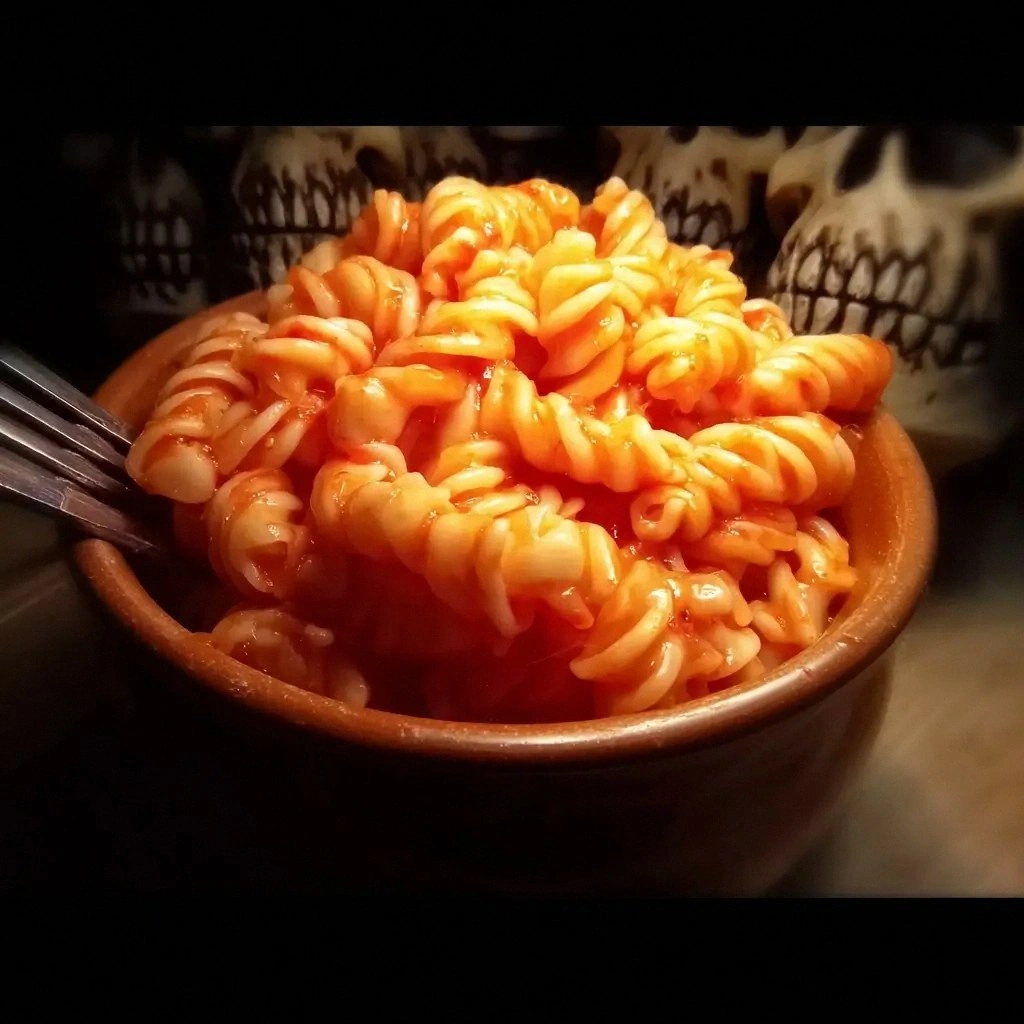
The first time I tasted it, the aroma hit me like a foggy night on a deserted road—rich, buttery, with a faint whisper of garlic and oregano. The sound of the sauce bubbling was a comforting crackle, almost like a campfire in the kitchen. Visually, the pasta looked like a mass of gelatinous tissue, its edges curling just enough to give that “brain” vibe. When I lifted a forkful, the sauce clung to the noodles like velvet, and the first bite delivered a creamy, cheesy hit that made my taste buds do a little dance. The finish was a gentle peppery kick that left a lingering warmth, almost like a secret that only the brave dare to savor.
What makes this version stand out is that it’s not just the look—it’s the texture and flavor profile that sets it apart from every other pasta recipe you’ve seen. The sauce is thick enough to coat the pasta in a silky coat, yet light enough that you can see the pasta’s natural shape. I’ve spent years experimenting with ratios and cooking times, and this recipe is the culmination of that trial and error, a dish that balances indulgence with subtlety. It’s a dish that feels like a midnight snack for the adventurous, but also a comforting dinner for anyone who wants to feel a bit more daring at the table. I dare you to taste this and not go back for seconds, because once you’re hooked, you’ll find yourself craving that eerie, creamy texture.
If you’ve ever struggled with plain pasta that just feels like it’s missing something, you’re not alone. I’ve had my share of bland dinners, and this recipe is the antidote to that. The combination of heavy cream, mozzarella, and Parmesan creates a sauce that is both rich and surprisingly balanced, with no single ingredient overpowering the others. The garlic and red pepper flakes give it a subtle heat, while the fresh parsley adds a touch of brightness that cuts through the richness. The result is a dish that is both comforting and adventurous, a culinary paradox that will keep you coming back for more.
The secret ingredient that makes this dish feel so unique is the subtle use of tomato sauce, which adds a slight acidity that balances the creaminess. The sauce’s thickness is achieved by letting it reduce slightly, allowing the flavors to concentrate without becoming clumpy. I’ve found that cooking the pasta al dente before tossing it in the sauce keeps the texture from becoming mushy. The final touch is a sprinkle of fresh parsley, which adds a pop of color and a fresh aroma that completes the experience. Picture yourself pulling this out of the oven, the whole kitchen smelling incredible, and feeling the anticipation of the first bite.
Now, if you’re ready to dive into the details, I’ll walk you through every single step. By the end, you’ll wonder how you ever made it any other way. The journey from a simple box of pasta to a dish that looks like a brain is full of twists and turns, each one designed to elevate the flavor and texture. I’ll share the techniques that make this sauce silky, the timing tricks that keep the pasta from overcooking, and the finishing touches that give it that eerie, brain-like appearance. So grab your apron, preheat your skillet, and let’s get cooking.
I’ve spent countless evenings experimenting with different sauces, but this version is the one that truly stands out. The sauce coats the pasta like velvet, and the texture is a perfect blend of creamy and slightly chewy. I’ve discovered that the key to making the sauce cling to the noodles without becoming too thick is to let it simmer gently, stirring occasionally. The result is a dish that feels indulgent yet balanced, a dish that you can’t help but share. And trust me, once you’ve tasted it, you’ll be begging for seconds—no, more than that. The moment the sauce hits your tongue, you’ll know you’ve found something special.
Let’s break down exactly what goes into this masterpiece. The ingredients are simple, but the technique is where the magic happens. I’ve refined this recipe to make it approachable yet impressive, so you can wow your friends or enjoy a quiet night in. I’ll give you the exact measurements, the cooking times, and the little secrets that make this dish stand out. And if you’re worried about the “brain” look, don’t be—this is a fun, spooky twist on a classic comfort food that’s perfect for Halloween parties or just a playful dinner.
Ready to get started? Let’s dive into the ingredients and see what makes this dish so special. The list is short, but each component plays a crucial role in creating that perfect, eerie texture and flavor. I’ll walk you through each group, explain why it matters, and give you tips on how to swap or tweak it if you’re feeling adventurous. By the end of this section, you’ll have a clear picture of what’s going on under the hood, and you’ll be ready to move on to the next step.
What Makes This Version Stand Out
- Flavor: The sauce balances creamy richness with a subtle acidity from tomato sauce, creating a depth that’s impossible to replicate with plain cheese.
- Texture: The pasta remains al dente, and the sauce’s silky coating gives it a mouthfeel that feels both indulgent and comforting.
- Visual Appeal: The sauce’s glossy, brain‑like appearance is a conversation starter, turning any dinner into a playful experience.
- Simplicity: With only a handful of ingredients, the recipe is straightforward, making it perfect for busy weeknights.
- Uniqueness: The combination of heavy cream, mozzarella, and Parmesan creates a sauce that’s richer than traditional alfredo but lighter than a béchamel.
- Make‑Ahead Potential: The dish can be prepared ahead of time and reheated without losing its creamy texture.
- Ingredient Quality: Using fresh, high‑quality cheese and a good olive oil elevates the entire dish.
Alright, let's break down exactly what goes into this masterpiece…
Inside the Ingredient List
The Flavor Base
The sauce begins with a foundation of garlic, onion, and olive oil. These aromatics create a savory base that’s essential for depth. If you skip them, the dish will feel flat and lacking character. You can substitute shallots for a milder flavor, but the classic combination remains unbeatable. The olive oil adds a silky mouthfeel and helps the cheese melt smoothly.
The Creamy Core
Heavy cream, mozzarella, and Parmesan form the creamy core that coats the pasta. The heavy cream provides body, while the cheeses add richness and a slight tang. Skipping the cream would thin the sauce, but you could use Greek yogurt for a tangier twist. The cheese blend creates a velvety texture that clings to the noodles, giving the dish its signature feel.
The Unexpected Star
Tomato sauce is the unexpected star that adds a touch of acidity and color. It balances the richness of the cream and cheese, preventing the dish from feeling too heavy. If you prefer a sweeter sauce, try a light tomato passata. The tomato sauce also gives the sauce a subtle depth that makes it more interesting.
The Final Flourish
Fresh parsley, a dash of red pepper flakes, and a pinch of salt and pepper finish the dish. The parsley adds a pop of color and a fresh aroma that cuts through the richness. The pepper flakes provide a gentle heat that awakens the palate. Salt and pepper are essential for balancing the flavors and enhancing every component.
Everything's prepped? Good. Let's get into the real action…
The Method — Step by Step
- Bring a large pot of salted water to a rolling boil. Add the pasta and cook until al dente, about 8-9 minutes. Drain, reserving a cup of pasta water for later. Toss the pasta with a splash of olive oil to prevent sticking. The pasta should be firm to the bite, not mushy.
- While the pasta cooks, heat a large skillet over medium-high heat. Add the olive oil and let it shimmer. Add the ground beef, breaking it apart with a spatula. Cook until browned and no longer pink, about 5-7 minutes. Drain excess fat if necessary.
- Add the diced onion and minced garlic to the skillet. Sauté until the onion becomes translucent and fragrant, about 2-3 minutes. The aroma should fill the kitchen, signaling that the base is ready. Stir frequently to prevent burning.
- Deglaze the pan with the chicken broth, scraping up any browned bits. Let the broth reduce for 2 minutes to concentrate the flavor. Pour in the tomato sauce and stir to combine. The sauce should thicken slightly, indicating that it’s ready for the cream.
- Reduce the heat to low and pour in the heavy cream. Stir in the mozzarella and Parmesan until the cheeses melt and the sauce becomes silky. Add the red pepper flakes, salt, and pepper. The sauce should be thick enough to coat the back of a spoon.
- Add the cooked pasta to the skillet and toss until the noodles are fully coated with the sauce. If the sauce is too thick, add a splash of reserved pasta water to loosen it. Let the pasta simmer in the sauce for 2 minutes to absorb the flavors.
- Finish the dish with a handful of fresh parsley, a drizzle of olive oil, and an extra sprinkle of Parmesan if desired. Plate the pasta in shallow bowls, allowing the sauce to pool at the bottom. The dish should look like a brain but taste like pure comfort.
That's it — you did it. But hold on, I've got a few more tricks that'll take this to another level…
Insider Tricks for Flawless Results
The Temperature Rule Nobody Follows
Many cooks over‑cook the pasta, but the trick is to keep the heat low once the sauce is added. A gentle simmer keeps the sauce from separating and ensures the pasta stays al dente. I’ve seen dishes that overcook the pasta become mushy, ruining the texture. Keep the heat at a low simmer and stir gently. The result is a silky sauce that clings to each noodle.
Why Your Nose Knows Best
Your nose is the first judge of flavor. If the sauce smells too strong or burnt, it’s time to lower the heat. The aroma should be rich and buttery, not sharp or acrid. When you smell the sauce, you’ll know when it’s perfectly balanced. Trust your nose and adjust accordingly.
The 5-Minute Rest That Changes Everything
Once you plate the pasta, let it rest for 5 minutes. This allows the sauce to settle and the flavors to meld. During this time, the pasta will continue to absorb the sauce, creating a more cohesive dish. I’ve found that a short rest improves the overall mouthfeel.
The Secret to a Non‑Sticking Sauce
Stir the sauce constantly until the cheeses melt. This prevents the sauce from sticking to the bottom of the pan and forming lumps. If lumps form, add a splash of pasta water and whisk vigorously. The sauce should remain smooth and glossy.
The Final Touch of Freshness
Adding a sprinkle of fresh parsley right before serving brightens the dish. The parsley adds a fresh aroma and a pop of color that enhances the visual appeal. If you’re in a hurry, you can also add a drizzle of olive oil for extra shine. The final touch is what makes this dish feel complete.
Creative Twists and Variations
Meatless Marvel
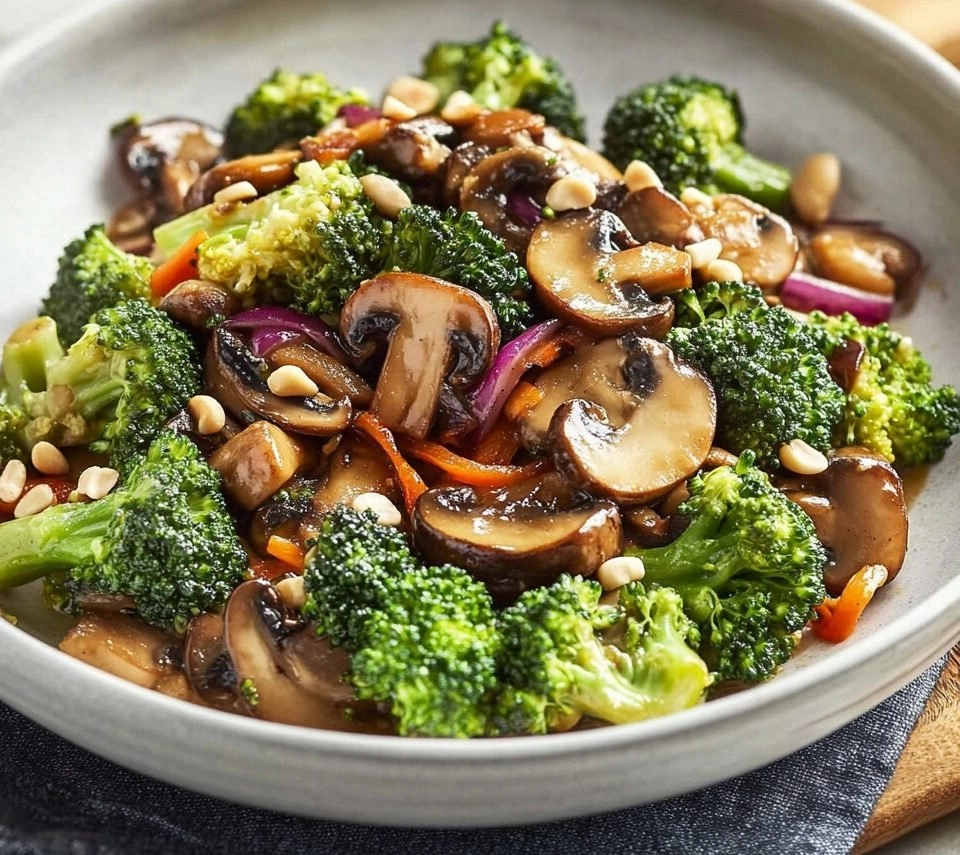
Swap the ground beef for sautéed mushrooms and onions. The earthy flavor pairs well with the creamy sauce. Add a splash of balsamic vinegar for depth. This version is perfect for vegetarians or those looking to cut meat.
Spicy Inferno
Increase the red pepper flakes to a tablespoon or add a dash of cayenne. The heat will contrast the creamy texture. Pair it with a side of cool yogurt to balance the spiciness. This variation is great for those who love a fiery kick.
Mediterranean Twist
Add chopped sun‑dried tomatoes and olives to the sauce. The briny flavors complement the creamy base. Finish with a squeeze of lemon for brightness. This variation brings a Mediterranean flair to the dish.
Cheese‑Heavy Delight
Increase the mozzarella and Parmesan by half a cup each. The extra cheese will make the sauce richer and more decadent. This version is ideal for cheese lovers who crave extra indulgence.
Pasta Swap
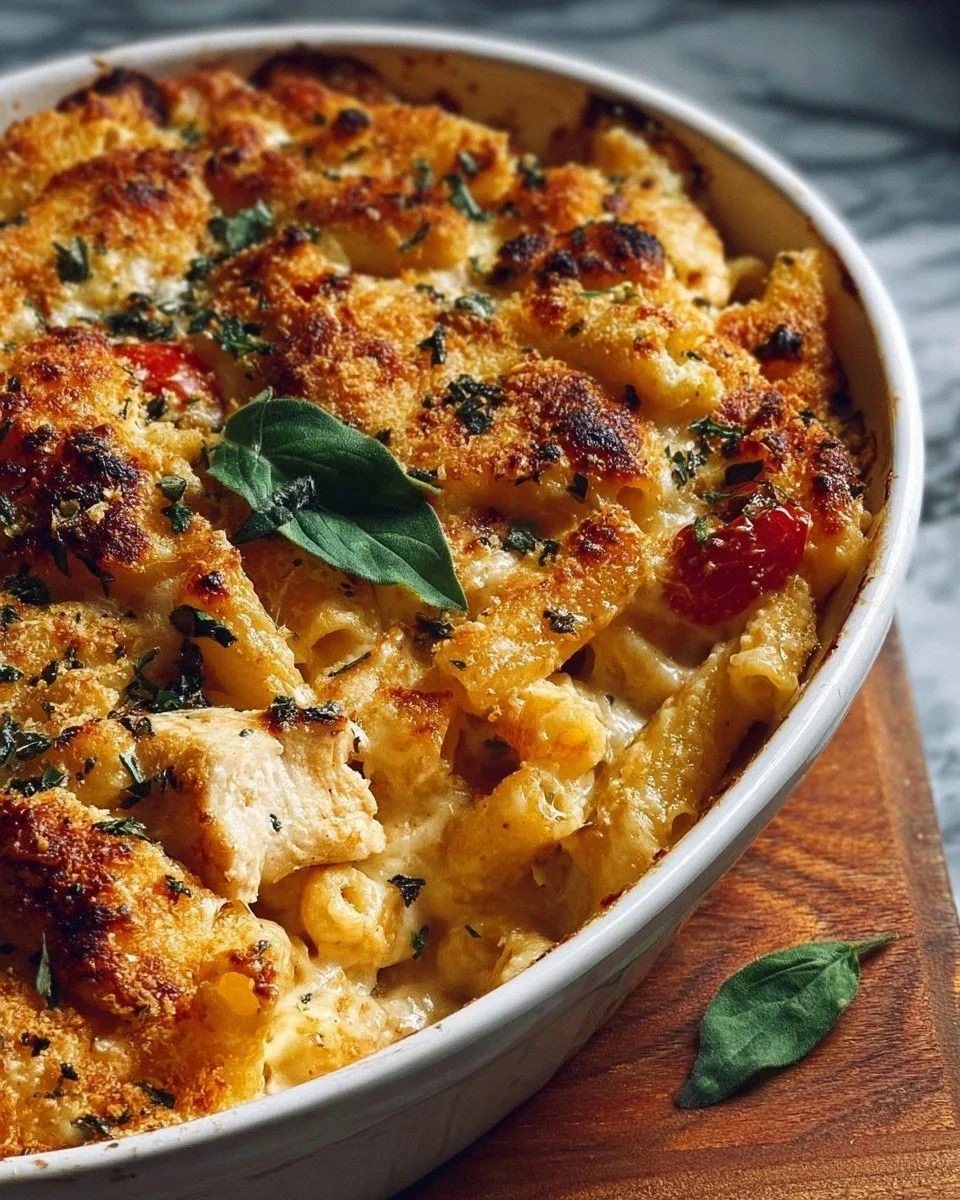
Use rigatoni or penne instead of spaghetti. The tubes of pasta hold more sauce, making each bite more flavorful. The shape also adds a fun twist to the “brain” look. This swap is great for those who prefer a different pasta shape.
Gluten‑Free Option
Replace the regular pasta with a gluten‑free variety. Make sure the pasta is cooked al dente, as gluten‑free pasta can become gummy if overcooked. This variation keeps the dish accessible for those with dietary restrictions.
Storing and Bringing It Back to Life
Fridge Storage
Store the dish in an airtight container in the refrigerator for up to 3 days. The sauce will thicken slightly as it cools, so add a splash of pasta water when reheating. Keep the container sealed to preserve freshness. The dish will still taste amazing after a few days.
Freezer Friendly
Freeze the sauce and pasta separately in freezer‑safe containers. When reheating, combine the sauce and pasta in a skillet over low heat. Stir frequently to prevent separation. The dish can be frozen for up to 2 months.
Best Reheating Method
Reheat the pasta on the stovetop with a splash of water or milk to loosen the sauce. Keep the heat low and stir gently until the sauce is smooth again. A quick microwave can work, but stir after each minute. The dish will taste just as good as freshly made.