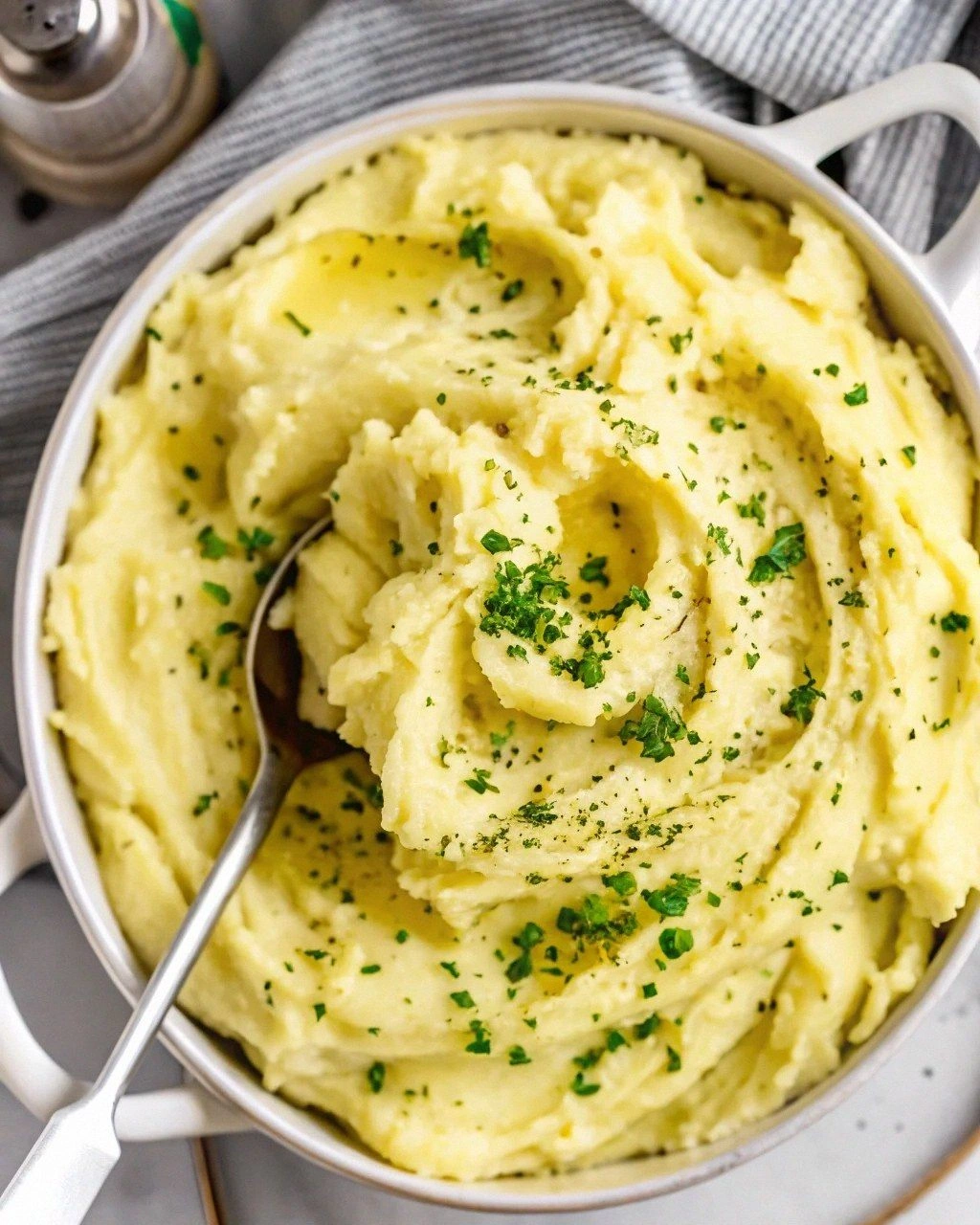
I still remember the first time I tasted mashed potatoes that made me stop mid-chew and stare at my plate like it had just revealed the secret to eternal happiness. It was at a tiny bistro in Lyon where the chef, with a mischievous glint in his eye, whispered "crème fraîche" like it was some sort of culinary magic spell. That moment changed everything I thought I knew about this humble side dish. Gone were the gluey, pasty potatoes of my childhood. In their place sat a cloud of silk so luxurious, so impossibly smooth, that I literally scraped the bowl clean with my finger like some sort of potato-starved savage. The best part? I ate half the batch before anyone else at the table even got a taste — and I have zero regrets about it.
Fast forward through years of obsessive experimentation, countless potato varieties tested, and more butter than I care to admit, and I've finally cracked the code to recreating that restaurant-worthy experience at home. This isn't just another mashed potato recipe — this is the recipe that'll make you the legend of every holiday table, the hero of every dinner party, the person everyone secretly hopes will bring "those potatoes" to the potluck. I'm talking about potatoes so creamy they should come with a warning label, so flavorful they make grown adults close their eyes and sigh contentedly, so perfectly balanced between rich and light that you'll wonder why every other recipe gets it so wrong.
Here's what actually works: Yukon Gold potatoes for their naturally buttery flavor and fluffy texture when mashed, crème fraîche for that tangy sophistication that regular sour cream only dreams about, and a method that treats these spuds like the delicate divas they are. Most recipes rush the process, throwing everything together in a chaotic potato mosh pit. But we're going to coax every ounce of flavor from these ingredients, building layers of taste that'll make your taste buds do a happy dance. The result? Mashed potatoes that don't just sit there on your plate — they steal the entire show.
Picture yourself pulling this off: the aroma of buttery potatoes mingling with the subtle tang of cultured cream, the way the spoon glides through the mixture like it's moving through liquid velvet, the first bite that makes everyone at the table go quiet because they're too busy savoring to speak. If you've ever struggled with lumpy, bland, or gluey mashed potatoes, you're not alone — and I've got the fix that'll change your potato game forever. Let me walk you through every single step — by the end, you'll wonder how you ever made it any other way.
What Makes This Version Stand Out
Silky Texture: These potatoes achieve a texture so smooth it practically pours like liquid gold. The secret lies in the way we incorporate the crème fraîche at just the right temperature, creating an emulsion that coats each potato cell in creamy perfection. This isn't your grandmother's mashed potatoes with random chunks and lumps — this is what happens when you treat potatoes with the respect they deserve.
Tangy Complexity: Regular mashed potatoes often taste one-dimensional, like buttery cardboard. The crème fraîche adds a sophisticated tang that brightens the entire dish, cutting through the richness like a squeeze of lemon on fresh seafood. It's that subtle acidity that makes people ask "what's your secret?" after their third helping.
Foolproof Method: Most recipes leave too much to chance, but this method includes visual and aromatic checkpoints that guarantee success every single time. From the exact moment when your potatoes are perfectly cooked to the temperature sweet spot for mixing, you'll know exactly when to move to each step. No more guessing games or crossing your fingers.
Restaurant-Quality Results: This recipe produces potatoes that taste like they came from a Michelin-starred kitchen, not your home kitchen. The techniques I'm sharing are the same ones professional chefs use, but simplified for home cooks who don't have a brigade of prep cooks hiding in their pantry.
Make-Ahead Magic: Unlike traditional mashed potatoes that turn into wallpaper paste when reheated, these actually improve in flavor when made ahead. The crème fraîche acts as a natural preservative, and the texture holds beautifully for up to three days in the refrigerator. Hello, stress-free entertaining!
Universal Crowd-Pleaser: I've served these to potato snobs, French chefs, picky toddlers, and everyone in between. The reaction is always the same: eyes widening, forks moving faster, and requests for the recipe before the meal is even over. Even people who claim they "don't really like mashed potatoes" end up asking for seconds.
Alright, let's break down exactly what goes into this masterpiece...
Inside the Ingredient List
The Flavor Base
Yukon Gold potatoes are the undisputed champions of mashed potato territory. Their naturally golden flesh and buttery flavor profile means you're starting with advantages that russet potatoes simply don't possess. These beauties have just the right starch content — enough to create that fluffy texture we crave, but not so much that they turn gummy when overworked. When selecting your potatoes at the store, look for ones that feel heavy for their size and have smooth, unblemished skin. Avoid any with green tinges or sprouting eyes, which indicate the presence of solanine, a bitter compound that can ruin your entire batch.
Butter isn't just butter here — it's the foundation of flavor that carries all the other elements. I'm talking about good European-style butter with at least 82% butterfat, the kind that makes regular American butter taste like disappointment in comparison. The higher fat content means more flavor and a silkier texture in your final potatoes. Don't you dare use margarine or "buttery spreads" — this is not the place to cut corners. The butter should be unsalted so you can control the seasoning precisely, because nobody wants to discover their potatoes taste like a salt lick after all that work.
The Texture Crew
Crème fraîche is the game-changer that transforms ordinary mashed potatoes into something worthy of a special occasion. This cultured cream brings a subtle tang and incredible richness that sour cream can only dream about. Its higher fat content means it won't curdle when heated, creating a stable, luxurious texture that regular cream simply cannot achieve. When shopping, look for containers that feel thick and spoonable, not runny like cheap yogurt. The real stuff should coat your spoon like velvet and smell slightly nutty and tangy, never sour or off-putting.
Whole milk plays a supporting role, adding just enough liquid to achieve the perfect consistency without diluting the richness. The key is warming it slightly before adding — cold milk can shock the potatoes and create an unpleasant texture. I prefer whole milk over cream because it provides the right balance of richness without overwhelming the delicate potato flavor. Skim or low-fat milk will leave your potatoes tasting thin and sad, like they're missing something essential (because they are).
The Unexpected Star
Sea salt is not just for sprinkling on top — it's the ingredient that makes all the other flavors sing. I use fine sea salt because it dissolves evenly throughout the potatoes, ensuring every bite is perfectly seasoned. The mineral complexity of good sea salt adds depth that regular table salt simply cannot provide. Add it in layers: some to the cooking water, some during mashing, and taste for final seasoning at the end. Your potatoes should taste like the best version of themselves, not like a salt lick.
White pepper provides gentle heat without the visual interruption of black specks throughout your beautiful golden potatoes. It's more subtle than black pepper, with a slightly fermented complexity that plays beautifully with the crème fraîche. A little goes a long way — you want just enough to add interest without making the heat the star of the show. Freshly ground white pepper is worth seeking out; the pre-ground stuff tastes like dusty nothingness in comparison.
The Final Flourish
Fresh chives add a pop of color and fresh onion flavor that cuts through the richness like a breath of spring air. Their delicate texture means they won't overpower the silky potatoes, and their mild flavor won't compete with the other elements. Snip them with scissors just before serving — pre-cut chives lose their vibrancy and can turn slimy. If chives aren't available, thinly sliced green onion tops make an acceptable substitute, though they'll have a slightly stronger flavor.
Everything's prepped? Good. Let's get into the real action...
The Method — Step by Step
- Start by peeling your Yukon Gold potatoes and cutting them into uniform 1-inch chunks. This isn't the time for rustic, skin-on potatoes — we're going for pure silk here. The uniform size ensures even cooking, preventing some pieces from turning to mush while others remain stubbornly hard. As you cut, drop the pieces into a bowl of cold water to prevent browning and remove excess surface starch. That sizzle when they hit the pan later? Absolute perfection.
- Drain the potatoes and place them in a large pot with enough cold water to cover by about an inch. Starting with cold water is crucial — it allows the potatoes to cook evenly from the outside in. Add a generous palmful of sea salt to the water; it should taste like the ocean. This is your only chance to season the potatoes from the inside out. Bring to a boil over medium-high heat, then reduce to a gentle simmer and cook until the potatoes are fork-tender but not falling apart.
- While the potatoes cook, place your butter in a small saucepan and melt it over low heat. We want it just melted, not bubbling or browned — save the brown butter for another application. In another small pan, gently warm your milk and crème fraîche together until they're just warm to the touch. Think baby bottle temperature, not hot coffee. This step prevents thermal shock when we combine everything, ensuring your potatoes stay fluffy and light instead of turning into glue.
- Drain the potatoes thoroughly in a colander, then return them to the hot pot. Place the pot back on the stove over low heat for about a minute, shaking gently. This crucial step evaporates excess moisture that would otherwise water down your final product. You want the potatoes to look slightly dry on the edges — this means they're ready to absorb all that buttery, creamy goodness we're about to add.
- Now comes the moment of truth: press your potatoes through a ricer or food mill directly back into the warm pot. If you don't have these tools, use a regular potato masher but work methodically, ensuring every piece is thoroughly broken down. The potatoes should be steaming but not scorching hot. Add your melted butter in three additions, stirring gently after each addition. The butter should incorporate smoothly, creating a glossy, emulsified mixture that coats the potatoes like liquid velvet.
- With the potatoes still warm, add half of your warm milk-crème fraîche mixture and stir gently with a wooden spoon or rubber spatula. The key is to stir just enough to incorporate — overworking develops starch and creates that dreaded gluey texture. Add more liquid gradually until you reach your desired consistency. The potatoes should be loose enough to slowly spread when you tip the pot, but thick enough to hold their shape on a spoon.
- Season aggressively with salt and white pepper, tasting as you go. Potatoes need more salt than you think — they should taste seasoned but not salty. The white pepper should add just a whisper of heat that blooms in the background. Remember, you can always add more but you can't take it out. Start conservatively and build up the seasoning gradually, tasting after each addition.
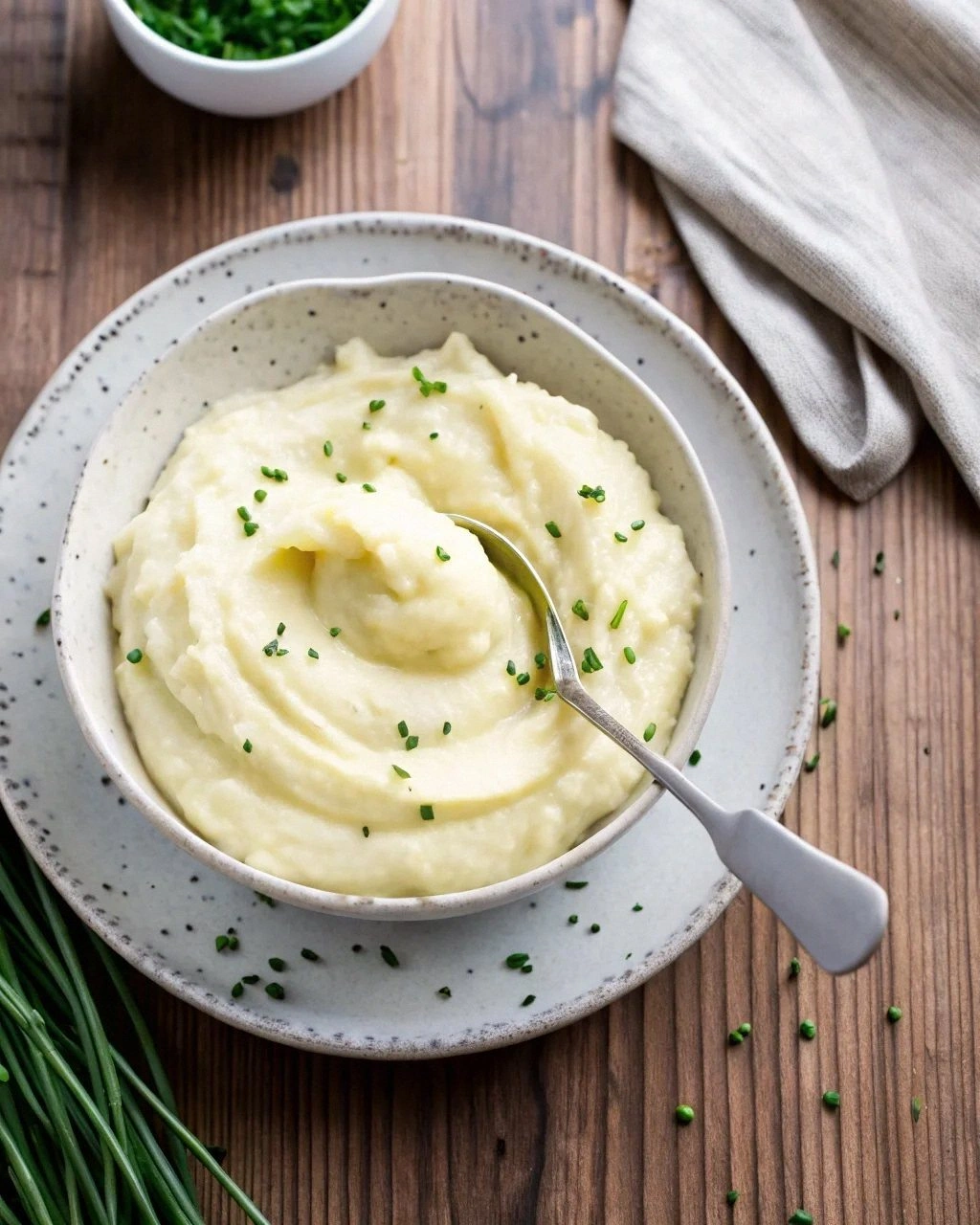
- Transfer to a serving bowl and top with a generous pat of butter and a sprinkle of fresh chives. The butter should melt slowly, creating a golden pool on top that's just begging to be stirred in. Serve immediately while they're at their peak of creaminess and warmth. These potatoes wait for no one — they're best enjoyed fresh and hot, when they're at their most ethereal.
- That's it — you did it. But hold on, I've got a few more tricks that'll take this to another level...
Insider Tricks for Flawless Results
The Temperature Rule Nobody Follows
Here's the thing that separates restaurant-quality potatoes from home kitchen disappointments: temperature management. Every component needs to be warm when combined — not hot, not cold, but gently warm like a perfect summer day. Cold ingredients shock the potato starches, creating a grainy, unpleasant texture that no amount of stirring will fix. Hot ingredients can cause the dairy to separate, leaving you with an oily mess that looks like it lost a fight with a dairy truck. The sweet spot is around 140°F — warm enough to keep everything fluid and happy, but cool enough to prevent any curdling disasters.
Why Your Nose Knows Best
Trust your sense of smell throughout this process — it's your most reliable indicator of doneness and quality. When the potatoes are perfectly cooked, they'll smell sweet and starchy, never sulfurous or overcooked. The butter should smell nutty and rich, not burnt or bland. The crème fraîche should have a pleasant, tangy aroma that's reminiscent of fresh cream and cultured dairy. If anything smells off or unpleasant, it probably is. A friend tried skipping this sensory check once — let's just say it didn't end well for her dinner party reputation.
The 5-Minute Rest That Changes Everything
After you drain the potatoes, let them rest in the colander for exactly five minutes. This isn't some arbitrary delay — it's crucial for achieving the perfect texture. During this rest, surface moisture evaporates and the starches begin to set slightly. This means they'll absorb the butter and cream more evenly, creating a more stable emulsion that won't break or separate. Use this time to warm your dairy and get your seasonings ready. Your patience will be rewarded with potatoes that stay creamy and luxurious even as they cool.
The Seasoning Sweet Spot
Seasoning potatoes is an art form that requires building layers of flavor. Start by salting the cooking water generously — it should taste like the ocean. This seasons the potatoes from the inside out. Then, after mashing, season again with salt and white pepper, but use a light hand. The final seasoning happens just before serving, when you taste and adjust with precision. Remember that cold dulls flavors, so your potatoes might taste perfectly seasoned when hot but bland when they cool slightly. Always season slightly more aggressively than you think necessary.
Creative Twists and Variations
This recipe is a playground. Here are some of my favorite ways to switch things up:
Roasted Garlic Indulgence
Roast a whole head of garlic until the cloves are caramelized and sweet, then squeeze out the paste and fold it into your finished potatoes. The garlic adds incredible depth and umami that makes these potatoes taste like they've been simmering for hours. This version pairs beautifully with roasted meats and is guaranteed to make garlic lovers weep with joy. I dare you to taste this and not go back for seconds.
Horseradish Heat Wave
Stir in two tablespoons of prepared horseradish along with the crème fraîche for a version that brings a gentle heat and sharp bite. This variation is absolutely killer with prime rib or any rich beef dish. The horseradish should warm the back of your throat without overwhelming the delicate potato flavor. Start conservatively — you can always add more, but you can't take it out once it's in there.
Herb Garden Fresh
Add a handful of fresh herbs to the milk while warming it — try thyme, rosemary, and bay leaf — then strain them out before adding to the potatoes. This infuses the dairy with herbaceous essence without adding green flecks that might offend picky eaters. The result is potatoes that taste like they were grown in a garden of flavor. Fresh herbs make all the difference here — dried ones will taste like disappointment and regret.
Truffle Luxury
For special occasions, drizzle in a teaspoon of good truffle oil and fold in some finely chopped black truffle if you're feeling particularly fancy. This takes the luxury factor to eleven and creates potatoes worthy of the most elegant dinner party. The truffle should enhance, not overwhelm, so use a light hand. A little goes a very long way, and too much will make your potatoes taste like a perfume counter.
Smoky Bacon Bliss
Render some high-quality bacon until crispy, crumble it, and fold it into the finished potatoes along with a teaspoon of the rendered fat. The smoky, salty bacon adds incredible depth and texture that transforms these into a meal unto themselves. Save some of the crispy bits for topping — that crunch against the creamy potatoes is pure textural heaven. Even people who claim they "don't really like mashed potatoes" end up asking for seconds of this version.
Wasabi Surprise
Add a teaspoon of wasabi paste for a version that brings gentle heat and incredible complexity. The wasabi should warm your sinuses slightly without overwhelming the delicate potato flavor. This pairs beautifully with Asian-inspired meals or any time you want to surprise your guests with something unexpected. The key is using real wasabi paste, not the dyed horseradish stuff that comes with takeout sushi.
Storing and Bringing It Back to Life
Fridge Storage
Store leftover potatoes in an airtight container in the refrigerator for up to three days. Press plastic wrap directly onto the surface to prevent a skin from forming — this skin isn't just unattractive, it can also create unpleasant textural changes. The crème fraîche acts as a natural preservative, keeping the potatoes fresher longer than traditional recipes. When stored properly, they'll taste almost as good as fresh for the first 48 hours, developing even deeper flavor as the seasonings meld.
Freezer Friendly
While most mashed potatoes don't freeze well, these actually hold up reasonably well thanks to the stabilizing effect of the crème fraîche. Freeze in portion-sized containers for up to one month. Thaw overnight in the refrigerator, then reheat gently with a splash of warm cream or milk. The texture won't be quite as perfect as fresh, but they'll still be miles better than most fresh mashed potatoes you've tasted. Add a pat of butter when reheating to bring back some of the original richness.
Best Reheating Method
Reheat gently in a saucepan over low heat, stirring frequently and adding warm cream or milk as needed to restore the original consistency. Microwave reheating works in a pinch, but do it in short bursts with frequent stirring to prevent hot spots. The key is patience — rushing the reheating process will give you gummy, separated potatoes that taste like disappointment. Add a tiny splash of water before reheating — it steams back to perfection, restoring that just-made texture and flavor.