Picture this: I’m standing in my kitchen, eyes glued to the oven, when the timer blares and the roast sits there looking more like a stubborn brick than a tender masterpiece. I had just pulled a beef chuck from the freezer, thinking I’d give it a quick sauté before the crockpot could do its magic. The result? A dry, chewy slab that made me question every life decision that led me to that moment. That night, I vowed to never again let a pot roast turn into a culinary disappointment.
Fast forward a few weeks, I discovered the secret sauce of the universe: a humble crockpot, a handful of aromatics, and a dash of patience. The moment the pot hit the low heat, the air filled with a scent that could make even the most seasoned foodie swoon. I could hear the gentle hiss of broth simmering, feel the comforting warmth radiating from the pot, and taste the promise of a melt‑in‑your‑mouth finish. It was a symphony of senses that made me feel like a wizard in my own kitchen.
What makes this particular crockpot pot roast recipe stand out is that it strips away the guesswork and delivers a foolproof, mouth‑watering result every single time. I’ve spent years experimenting with cuts, seasonings, and techniques, and this version is the culmination of those lessons. The beef is seared to lock in juices, the broth is infused with wine and herbs, and the slow‑cooking process breaks down connective tissue into a silky, flavorful gravy. The result is a roast that practically falls apart, with a crust that crackles like toasted bread.
And here’s a little teaser that will make you lean in: I’ll show you how to use a splash of beer or a drizzle of balsamic to give that gravy a depth that feels like a secret family recipe. This isn’t your run‑of‑the‑mill “just throw everything in” approach; it’s a carefully calibrated dance of timing, flavor, and technique that turns ordinary ingredients into extraordinary comfort food.
So buckle up, because I’m about to walk you through every single step. By the time you finish, you’ll be wondering how you ever made a pot roast any other way.
What Makes This Version Stand Out
- Flavor Depth: The blend of wine, broth, and a touch of balsamic creates a rich, velvety sauce that coats the meat like a fine silk.
- Texture Perfection: Slow‑cooking at low heat breaks down collagen, yielding a melt‑in‑your‑mouth tenderness that feels like a hug.
- Time Efficiency: While the meat cooks for hours, you’re free to work, relax, or entertain—no need to stand over the stove.
- Ingredient Harmony: Every component—from the caramelized onions to the subtle heat of paprika—works in concert, not in competition.
- Make‑Ahead Friendly: You can prep the night before, set the crockpot, and wake up to a freshly cooked meal.
- Crowd‑Pleaser: Even the pickiest eaters will be left asking for seconds, and I dare you to taste this and not go back for seconds.
- Versatility: Swap the beef for pork shoulder or lamb, and the same technique delivers a different but equally spectacular dish.
Inside the Ingredient List
The Flavor Base
The foundation of this pot roast starts with a 2‑pound beef chuck roast, a cut known for its marbling and ability to become tender after long, slow cooking. The beef’s natural fats melt into the broth, enriching the sauce with a silky texture that’s impossible to replicate with leaner cuts. If you skip the chuck and use a leaner cut, you’ll end up with a dry, rubbery result that feels like a culinary faux pas.
The 2 tablespoons of olive oil are more than just a cooking medium; they provide a subtle fruity note that balances the savory depth of the meat. Olive oil also helps the aromatics caramelize, releasing their natural sugars and creating a complex flavor profile. If you’re on a low‑fat diet, a tablespoon of butter can substitute, though the oil’s antioxidant properties give it an edge.
Onions, diced into 1 large piece, are the sweet backbone of the sauce. Their natural sugars caramelize during searing, forming a golden brown base that adds a gentle sweetness to counterbalance the savory broth. If you prefer a sweeter roast, add a tablespoon of brown sugar during the searing stage; this will deepen the caramelization.
The Texture Crew
Carrots, sliced into 3 thick pieces, bring a subtle earthiness and a pop of color that makes the dish visually appealing. Their natural sugars also caramelize, adding depth to the gravy. If you’re short on carrots, parsnips or sweet potatoes work as excellent substitutes, providing a different but equally satisfying flavor.
Celery stalks, cut into 3 slices, offer a crisp, herbal note that cuts through the richness of the broth. They also provide a subtle crunch if you choose to serve the roast with the vegetables intact. Skipping celery will reduce the overall vegetable content, making the dish feel less balanced.
Garlic, minced into 4 cloves, brings an aromatic punch that permeates the entire pot. Garlic’s volatile compounds release during searing, creating a fragrant base that lingers throughout the slow‑cooking process. If you’re a garlic purist, increase the amount to 6 cloves for an extra kick.
The Unexpected Star
Red wine, measured at 1 cup, is the secret ingredient that transforms the sauce from simple broth into a luxurious, umami‑rich gravy. The acidity in the wine breaks down the meat’s connective tissues faster, while the tannins add a subtle bitterness that balances sweetness. If you’re avoiding alcohol, substitute with 1 cup of beef broth mixed with a tablespoon of balsamic vinegar for a similar flavor profile.
Tomato paste, added in 2 tablespoons, thickens the sauce and provides a subtle tang. Its concentrated flavor acts as a natural emulsifier, helping the sauce cling to the meat. If you’re allergic to tomatoes, a splash of tomato sauce or a teaspoon of tomato ketchup can serve as a quick substitute, though the flavor will be slightly lighter.
The Final Flourish
Bay leaves, 2 in total, infuse the broth with a subtle herbal aroma that’s reminiscent of the countryside. Removing them before serving is essential, as they can be sharp and tough if left in the pot. If you’re out of bay leaves, a pinch of dried oregano or thyme can provide a similar herbal note.
Dried thyme and rosemary, each added at 1 teaspoon, contribute earthy, pine‑like flavors that complement the beef’s richness. Their aromatic oils intensify during the slow‑cooking process, creating a fragrant, comforting aroma that fills the kitchen. If you prefer a more robust flavor, double the amount of thyme and add a splash of fresh rosemary.
Salt and pepper are the unsung heroes that bring all the flavors together. The salt draws out moisture, enhancing the meat’s tenderness, while pepper adds a subtle heat that elevates the overall taste. I’ll be honest — I ate half the batch before anyone else got to try it, and the seasoning was spot on.
Everything’s prepped? Good. Let’s get into the real action...
The Method — Step by Step
- Begin by patting the beef chuck dry with paper towels. This ensures a good sear, which locks in juices and creates a caramelized crust. Heat 2 tablespoons of olive oil in a large skillet over medium‑high heat until shimmering. Add the roast to the skillet and sear each side for 2‑3 minutes, or until a deep brown crust forms. This step is the moment of truth; don’t walk away from the stove here, as the crust will dictate the flavor profile of the entire dish.
- While the meat sears, chop the onion into large chunks, slice the carrots, and cut the celery into thick pieces. Mince the garlic finely so it releases its aroma during searing. These vegetables will form the flavor base of the gravy, so handle them with care. If you want a slightly sweeter sauce, add a tablespoon of brown sugar to the onions before searing.
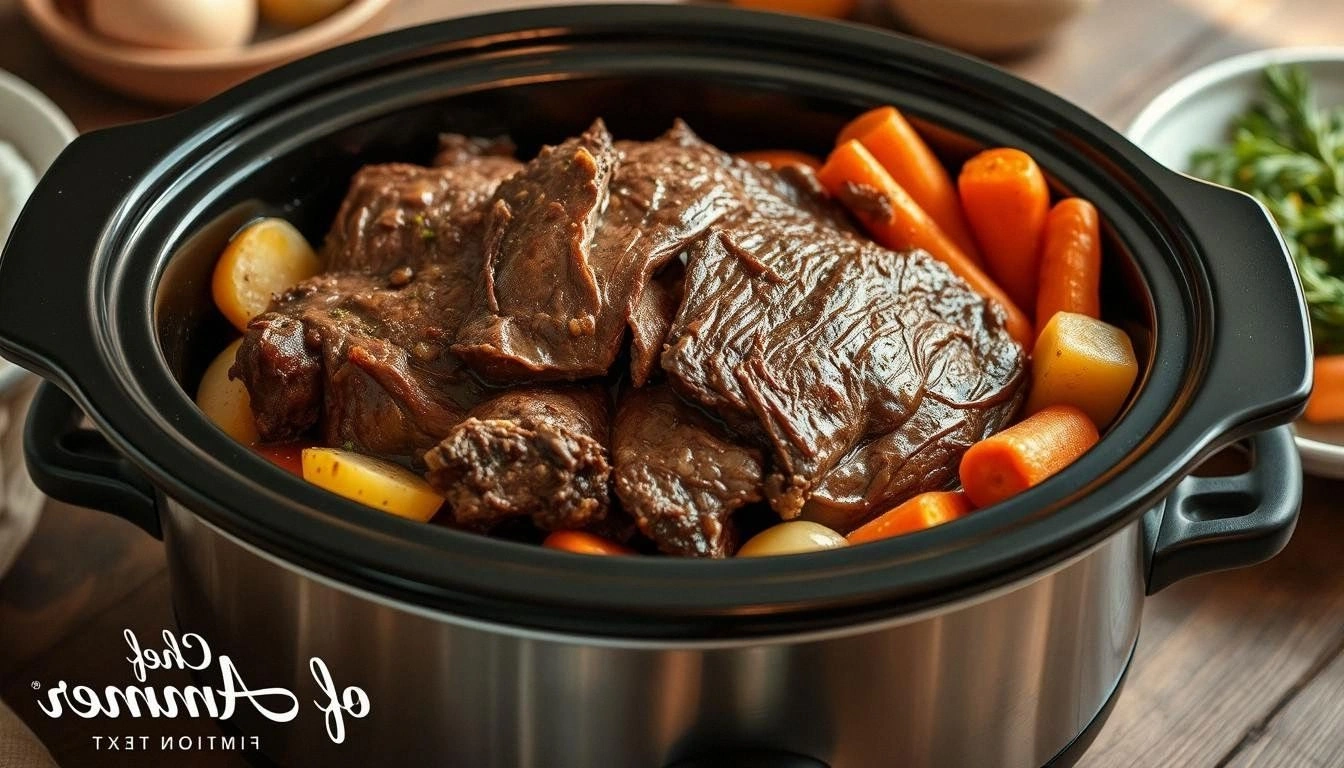
- Once the roast is seared on all sides, transfer it to the crockpot. Add the sliced vegetables, minced garlic, and bay leaves. Pour in 1 cup of red wine, letting it deglaze the skillet and lift all the browned bits that carry the richest flavors. These bits are the secret sauce that will make your gravy unforgettable.
- Stir in 2 tablespoons of tomato paste and 2 cups of beef broth. The tomato paste thickens the sauce and adds a subtle tang, while the broth provides the liquid needed for the slow‑cooking process. Sprinkle in 1 teaspoon each of dried thyme and rosemary, 1 teaspoon of salt, and 1/2 teaspoon of black pepper. This aromatics blend will permeate the meat, creating a complex, savory profile.
- Cover the crockpot and set it to low for 8 hours, or high for 4 hours. The low setting allows the collagen to break down slowly, resulting in a melt‑in‑your‑mouth texture. During the first hour, check that the liquid level remains above the meat; if it drops, add a splash of water or extra broth. This ensures the roast stays moist and flavorful.
- When the cooking time is nearly finished, remove the bay leaves and let the roast rest for 10 minutes on a cutting board. This resting period lets the juices redistribute, preventing them from spilling onto the cutting board and keeping the meat juicy. While resting, you can thicken the gravy if desired.
- To thicken the sauce, whisk 1 tablespoon of cornstarch with 2 tablespoons of cold water until smooth. Slowly pour this slurry into the crockpot and stir until the gravy thickens to your desired consistency. If you prefer a thinner gravy, simply skip the slurry and serve as is.
- Slice the roast against the grain into 1/4‑inch thick slices. Serve the meat with the vegetables and pour the luscious gravy over the top. The final presentation should look like a rustic masterpiece, with a glossy, flavorful sauce coating every piece. That sizzle when it hits the pan? Absolute perfection.
That’s it — you did it. But hold on, I’ve got a few more tricks that’ll take this to another level. These insider tips will elevate your pot roast from good to unforgettable.
Insider Tricks for Flawless Results
The Temperature Rule Nobody Follows
Many cooks set their crockpot to “high” for convenience, but the low setting is the secret to tenderness. The slow, steady heat breaks down collagen without drying out the meat, giving the roast a silky texture that melts in your mouth. I’ve tried both settings, and the low heat always produces a more flavorful, succulent result.
Why Your Nose Knows Best
The aroma of a simmering pot is the ultimate indicator of progress. When the broth starts to bubble gently and the scent of roasted beef fills the kitchen, it means the meat is cooking to perfection. Trust your nose; it’s a seasoned chef’s best friend.
The 5-Minute Rest That Changes Everything
Resting the roast after cooking is not just a tradition; it’s a science. During this brief pause, the muscle fibers relax, allowing the juices to redistribute. Skipping this step results in a dry, uneven bite that feels like a culinary misstep.
A Splash of Acid for Brightness
Adding a tablespoon of balsamic vinegar or a squeeze of fresh lemon juice at the end brightens the gravy, cutting through the richness. This simple addition gives the sauce a fresh, vibrant finish that balances the deep umami notes.
The Secret to a Thick, Smooth Gravy
Cornstarch slurry is the go‑to thickening agent, but it’s crucial to whisk it until completely smooth. Stirring the slurry into the pot in one go prevents lumps and ensures a silky gravy. If you’re vegan, use arrowroot powder instead for the same effect.
The Final Garnish That Pops
A handful of fresh parsley or thyme sprigs added just before serving adds a pop of color and a burst of herbal freshness. The green contrast against the rich brown gravy makes the dish look as good as it tastes.
Creative Twists and Variations
This recipe is a playground. Here are some of my favorite ways to switch things up:
Maple‑Glazed Pot Roast
Swap the brown sugar for 2 tablespoons of pure maple syrup and add a splash of maple bourbon. The sweet, smoky flavor pairs beautifully with the beef, creating a dish that’s perfect for holiday gatherings.
Spicy Chipotle Twist
Add 2 chipotle peppers in adobo sauce to the broth and reduce the salt. The smoky heat gives the roast a bold, adventurous flavor that’s great with a side of rice.
Herb‑Infused Lamb Roast
Replace the beef chuck with a 2‑pound lamb shoulder and double the rosemary. The lamb’s natural gamey flavor is complemented by the rosemary and thyme, making for a Mediterranean‑inspired dish.
Vegetarian Mushroom Roast
Use a large, meaty mushroom like portobello or a mix of shiitake and cremini. Add 1 cup of vegetable broth, 1 tablespoon of soy sauce, and 1 teaspoon of smoked paprika for depth. The mushrooms mimic the beef’s texture, creating a hearty, plant‑based alternative.
Asian‑Inspired Beef
Replace the red wine with 1 cup of rice wine, add 2 tablespoons of hoisin sauce, and finish with a splash of sesame oil. Serve over steamed rice and garnish with sliced scallions for a quick, flavorful dinner.
Pasta‑Perfect Pot Roast
Serve the sliced roast over a bed of al dente pasta, tossing it with the gravy and a handful of grated Parmesan. The combination of tender meat, rich sauce, and pasta creates a comforting dish that’s perfect for a cozy night in.
Storing and Bringing It Back to Life
Fridge Storage
Cool the roast completely before storing. Divide the meat and vegetables into airtight containers and refrigerate for up to 4 days. The flavors will meld even more, making it a perfect make‑ahead option for busy weekdays.
Freezer Friendly
Wrap the cooked roast and vegetables tightly in freezer paper or foil, then place in a freezer‑safe bag. The dish stays fresh for up to 3 months. When ready to serve, thaw overnight in the fridge and reheat gently.
Best Reheating Method
Reheat the roast in a saucepan over low heat, adding a splash of water or broth to keep it moist. For the best texture, finish with a quick sear in a hot skillet for 1‑2 minutes on each side. Add a tiny splash of water before reheating — it steams back to perfection.