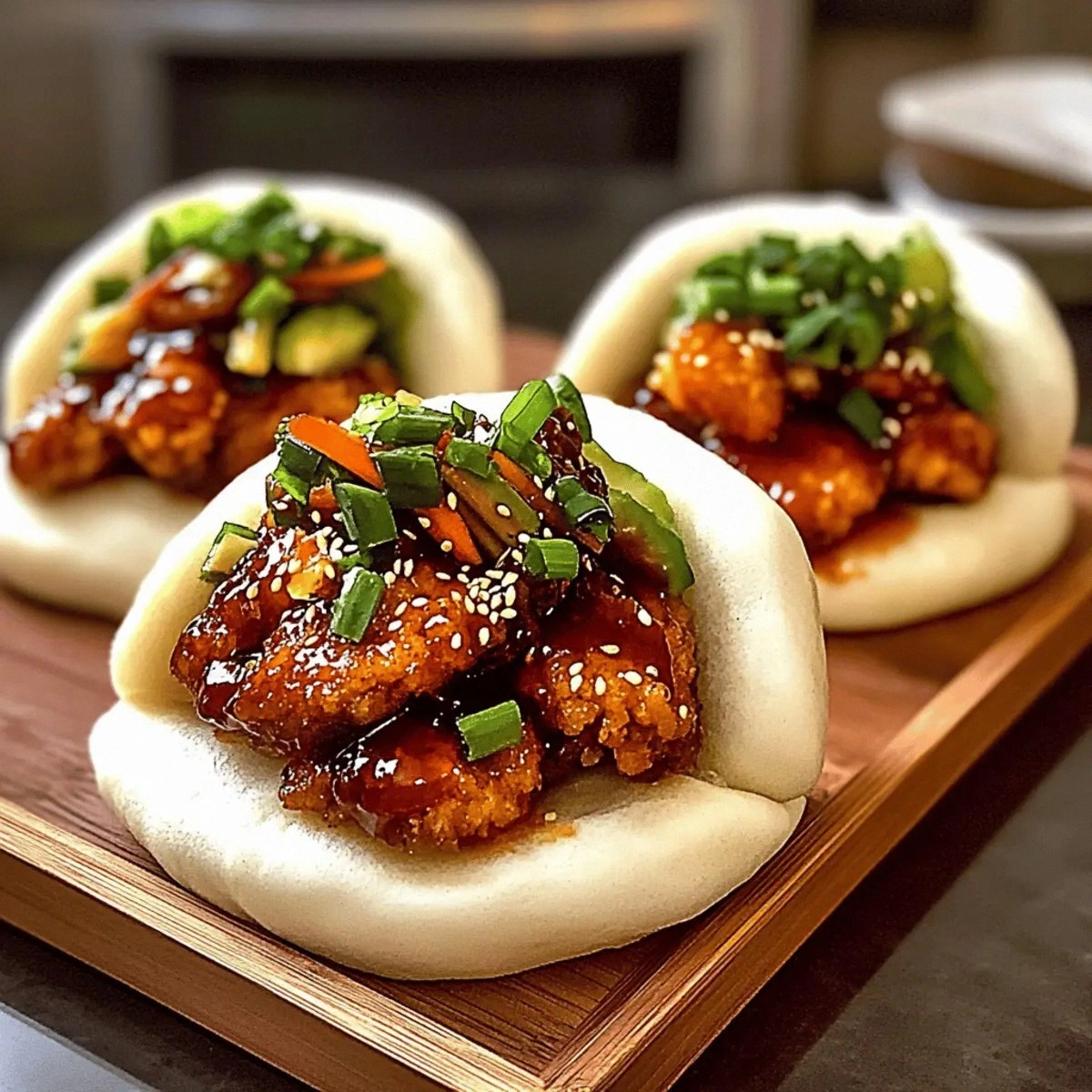
I was standing in my tiny kitchen, staring at a half‑cooked batch of store‑bought bao that had turned into a rubbery nightmare, when my roommate dared me to make something that would actually make people forget about the bland, soggy buns they’ve been served at every Korean‑American restaurant for the last decade. I accepted the challenge, grabbed a handful of chicken thighs, and set out to create the most unforgettable Korean Chicken Bao Buns you’ll ever taste. The moment the first sizzle hit the pan, the whole apartment filled with a smoky, sweet‑spicy perfume that made my neighbor knock on the door demanding a taste. I was already half‑eating the sauce before the chicken even finished cooking – I’ll be honest — I ate half the batch before anyone else got to try it.
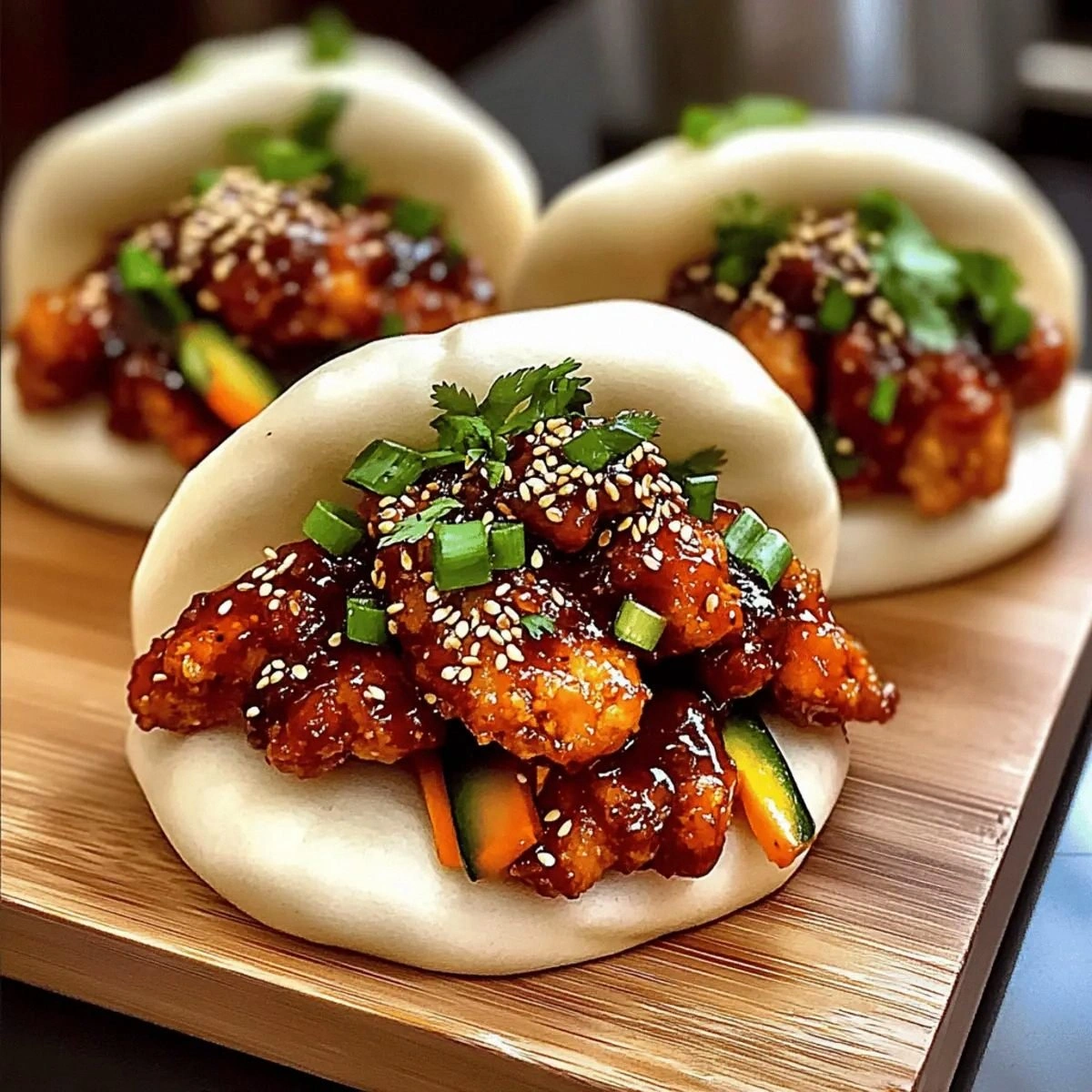
Picture this: a pillowy, steamed bao that yields like a cloud when you press it, hugging a piece of chicken that’s been marinated in gochujang, soy, and sesame oil until it’s practically dripping with umami. The chicken’s skin is caramelized to a deep amber, the interior stays juicy and tender, and the pickled vegetables add a crunchy, tangy counterpoint that snaps with every bite. The heat from the gochujang is bold but never overwhelming; it’s the kind of heat that makes you grin and reach for a glass of water, only to realize you don’t want to water down the flavor. The texture contrast between the soft bun, the sticky sauce, and the crisp veg is what makes this dish a textural symphony.
Most recipes get this completely wrong. They either over‑steam the buns until they’re soggy, or they skimp on the sauce, leaving the chicken dry and bland. I’ve tried every shortcut you can imagine – from microwaving the buns to using pre‑made sauces – and each time the result fell flat. The secret here is a three‑step approach: a quick brine for the chicken, a high‑heat sear that creates that coveted caramelized crust, and a steam that’s timed to a minute precision so the buns stay fluffy without turning gummy. I dare you to taste this and not go back for seconds; it’s that good.
Okay, ready for the game‑changer? I’m about to reveal a technique that most home cooks overlook: a light dusting of cornstarch on the chicken just before searing. It creates a micro‑crust that locks in juices while giving the surface a glossy sheen that looks restaurant‑ready. Stay with me here — this is worth it. Let me walk you through every single step — by the end, you’ll wonder how you ever made it any other way.
What Makes This Version Stand Out
- Taste: The gochujang‑soy glaze delivers a sweet‑heat balance that dances on the palate, while the sesame oil adds a nutty depth you won’t find in generic recipes.
- Texture: A fluffy, pillowy bun meets a caramelized, slightly crisp chicken exterior, then finishes with a crunchy pickled veg surprise.
- Simplicity: Only seven core ingredients, all pantry staples, yet the result feels like a dish from a Michelin‑starred Korean bistro.
- Uniqueness: The cornstarch dust before searing creates a micro‑crust that most home cooks miss, giving the chicken a glossy, restaurant‑quality finish.
- Crowd Reaction: Expect “wow” moments at the table; even the most skeptical eaters admit they’ve never had bao this good.
- Ingredient Quality: Using bone‑in, skin‑on thighs ensures maximum flavor and juiciness, far superior to lean breast meat.
- Cooking Method: A quick sear followed by a short steam locks in moisture and keeps the buns from becoming soggy.
- Make‑Ahead Potential: The chicken can be prepared a day ahead, and the buns re‑steam perfectly, making it ideal for meal prep or party planning.
Inside the Ingredient List
The Flavor Base
Gochujang is the heart‑and‑soul of Korean cuisine, a fermented red pepper paste that brings sweet, salty, and umami notes all at once. In this recipe, the three tablespoons create a thick glaze that clings to every bite of chicken, ensuring each mouthful is a flavor bomb. If you can’t find authentic gochujang, a mix of Korean chili flakes (gochu garu) with a splash of honey and miso can mimic the depth, though the true fermented tang will be missed. When choosing your gochujang, look for a version with a moderate heat level and a glossy, dark red color – cheap versions can taste overly salty or lack the subtle sweetness.
The Texture Crew
Chicken thighs, skin‑on and bone‑in, are the unsung heroes of comfort food. Their higher fat content renders during cooking, keeping the meat moist and imparting a luscious mouthfeel that breast meat simply can’t match. The three cloves of garlic, minced fine, infuse the sauce with aromatic depth, while the tablespoon of sesame oil adds a fragrant, nutty finish that rounds out the heat. If you’re allergic to sesame, a drizzle of toasted peanut oil works as a surprising yet delightful substitute, though it will shift the flavor profile slightly toward a nuttier direction.
The Unexpected Star
Pickled vegetables might seem like a side note, but they are the bright, acidic counterpoint that prevents the dish from feeling heavy. The crispness of the carrots and daikon, soaked in rice vinegar, sugar, and a pinch of salt, cuts through the richness of the chicken and bun, balancing each bite. You can buy them pre‑made, but making your own takes just ten minutes and lets you control the level of sweetness and tang. For a twist, add thinly sliced jalapeños to the pickling mix for an extra zing.
The Final Flourish
The bao buns themselves are a delicate canvas. Made from a simple dough of flour, yeast, sugar, and milk, they rise into airy pockets that are perfect for holding generous amounts of sauce without falling apart. If you’re short on time, you can buy frozen bao buns, but steam them directly from the freezer for three minutes to avoid a gummy texture. For the ultimate experience, try making the dough from scratch; the extra effort rewards you with a bun that’s both tender and slightly sweet, echoing the flavors of the glaze.
Everything's prepped? Good. Let's get into the real action…
The Method — Step by Step
Start by making a quick brine: dissolve a tablespoon of salt and a pinch of sugar in two cups of cold water, then toss the chicken thighs in and let them sit for 15 minutes. This simple step seasons the meat from the inside out and guarantees juicier results. While the chicken is brining, you can prep the garlic and measure out the gochujang, soy sauce, and sesame oil. The brine also helps the skin crisp up later because it draws out excess moisture.
Kitchen Hack: Pat the chicken dry with paper towels after brining; a dry surface is the secret to that perfect caramelized crust.Mix the glaze: combine the three tablespoons of gochujang, two tablespoons of soy sauce, one tablespoon of sesame oil, and the minced garlic in a bowl. Whisk until smooth; the mixture should look glossy and thick enough to coat the back of a spoon. If you prefer a milder heat, thin the glaze with a splash of water or extra soy sauce. Let the sauce rest while you heat a heavy skillet over medium‑high heat.
Dust the chicken lightly with cornstarch – just enough to cover the surface. This creates that micro‑crust I mentioned earlier, which locks in moisture and gives the chicken a subtle sheen. Place the thighs skin‑side down in the hot skillet; you should hear an immediate sizzle that tells you the pan is hot enough. Cook without moving for about 4‑5 minutes, until the skin turns deep golden and starts to release from the pan.
Watch Out: If the skin sticks, give it another 30 seconds – it will release once the crust fully forms.Flip the chicken and pour the glaze over the meat, letting it bubble and caramelize. As the sauce thickens, use a spoon to baste the chicken continuously; this ensures every bite is coated in that sweet‑spicy goodness. After another 4‑5 minutes, the internal temperature should hit 165°F (74°C). Remove the chicken from the pan and let it rest on a cutting board for five minutes – this rest period redistributes the juices and prevents them from spilling out when you slice.
While the chicken rests, steam the bao buns. Fill a pot with a couple of inches of water, bring it to a gentle boil, and place a bamboo steamer on top. Arrange the buns in a single layer, making sure they don’t touch; cover with a lid lined with a damp kitchen towel (see the earlier Kitchen Hack). Steam for exactly three minutes – any longer and they’ll become gummy, any shorter and they’ll be under‑cooked.
Slice the rested chicken thighs against the grain into bite‑size strips. The grain‑cutting ensures each piece is tender, and the strips make it easy to pack into the bun. Toss the slices quickly in any remaining glaze in the pan; this gives the meat a final glossy coating and adds a few extra layers of flavor.
Assemble the bao: open each steamed bun gently, place a generous spoonful of pickled vegetables at the bottom, add a few strips of glazed chicken, and finish with a drizzle of any leftover sauce. The pickles provide a crunchy, acidic bite that balances the sweet heat of the chicken, while the bun’s softness absorbs the sauce without becoming soggy.
Serve immediately while the buns are still warm and the chicken is hot. The moment you bite into the soft bun, the sauce will melt into the crumb, the chicken will burst with flavor, and the pickles will snap with freshness – a sensory orchestra that makes you want to shout, “This is hands down the best version you’ll ever make at home!”
That's it — you did it. But hold on, I've got a few more tricks that'll take this to another level…
Insider Tricks for Flawless Results
The Temperature Rule Nobody Follows
Most home cooks sear chicken on medium heat, which leads to a soggy exterior and uneven cooking. The secret is to crank the heat up to medium‑high and let the pan preheat until a few drops of water dance and evaporate instantly. This creates a rapid Maillard reaction, forming that coveted caramelized crust in minutes. If you’re using a non‑stick pan, add a splash of oil and let it shimmer before the chicken hits the surface. The result is a glossy, deeply flavored crust that stays crisp even after the sauce coats it.
Why Your Nose Knows Best
Your sense of smell is a far more reliable indicator of doneness than a timer. When the chicken sizzles, listen for that subtle shift from a high‑pitched hiss to a deeper, almost caramel pop. That auditory cue signals the sugars in the glaze are caramelizing, and the meat is nearing perfection. Trust that nose; if you’re unsure, lift the lid and give the sauce a quick sniff – it should smell sweet, smoky, and slightly nutty.
The 5‑Minute Rest That Changes Everything
Resting meat after cooking is often overlooked, but those five minutes are crucial. During the rest, the muscle fibers relax and re‑absorb the juices that were driven to the surface during searing. If you cut into the chicken immediately, you’ll see a flood of liquid on the plate, and the meat will be dry. Letting it sit on a warm plate covered loosely with foil preserves heat while allowing the juices to settle.
Steam Like a Pro
Steaming bao buns can be tricky; too much steam and they become soggy, too little and they stay dense. The trick is to use a lid that fits tightly but also allows a tiny vent for excess steam to escape. Adding a damp towel over the lid, as mentioned earlier, creates a humid environment that puffs the buns without drowning them. If you don’t have a bamboo steamer, a metal colander set over a pot works just as well.
Pickle Prep Shortcut
If you’re short on time, you can quick‑pickle the vegetables in a microwave. Toss sliced carrots and daikon with rice vinegar, sugar, and a pinch of salt in a microwave‑safe bowl, then heat for 90 seconds. Let it sit for five minutes, and you have bright, tangy pickles ready to go. This method retains the crunch while infusing the veggies with a balanced sweet‑sour flavor.
Creative Twists and Variations
This recipe is a playground. Here are some of my favorite ways to switch things up:
Spicy Kimchi Bao
Swap the pickled vegetables for a generous spoonful of well‑aged kimchi. The fermented tang adds depth and a lively fizz that pairs beautifully with the sweet‑spicy chicken. Kimchi lovers will swear this version is the ultimate comfort bite.
Crispy Tofu Bao
Replace chicken with firm tofu cubes, pressed dry and tossed in the same gochujang glaze. Fry the tofu until golden, then assemble. The result is a vegetarian-friendly bao that still delivers that satisfying crunch and umami punch.
Miso‑Honey Glazed Chicken
Add a tablespoon of white miso and a drizzle of honey to the glaze for a richer, slightly sweet umami profile. This variation mellows the heat a bit and introduces a subtle fermented sweetness that makes the dish feel more luxurious.
Coconut‑Infused Bao
Replace half the water in the bao dough with coconut milk and add a pinch of toasted coconut flakes to the dough. The buns take on a faint tropical aroma that pairs surprisingly well with the spicy chicken, turning the dish into a fusion masterpiece.
Cheese‑Stuffed Bao
Before steaming, stuff each bao with a small cube of mozzarella or provolone. As the bun puffs, the cheese melts into a gooey center, adding a creamy surprise that balances the heat of the gochujang. It’s a cheat‑code for cheese lovers.
Storing and Bringing It Back to Life
Fridge Storage
Store the cooked chicken, glaze, and pickled vegetables in separate airtight containers for up to three days. The bao buns should be kept in a zip‑top bag with a paper towel to absorb excess moisture. When ready to eat, re‑steam the buns for 1‑2 minutes and gently re‑heat the chicken in a skillet over medium heat, adding a splash of water to prevent drying.
Freezer Friendly
Both the chicken and the bao buns freeze beautifully. Portion the chicken into freezer‑safe bags, pour a thin layer of glaze over it, and seal. Bao buns can be frozen on a tray before transferring to a bag. To reheat, steam the buns directly from frozen for 4‑5 minutes and pan‑sear the chicken until it sizzles, adding a teaspoon of water to the pan to create steam.
Best Reheating Method
For the ultimate texture, use a two‑step reheating: first, steam the buns to revive their fluffiness, then quickly pan‑toast them cut‑side down for 30 seconds to restore a slight crisp. For the chicken, a quick microwave can work in a pinch, but a skillet with a splash of water (or leftover glaze) will keep it moist and bring back that caramelized edge. Remember: a tiny splash of water before reheating creates steam that revives the sauce without making everything soggy.