Picture this: it's a Tuesday night, the rain is tapping against your kitchen window like a nervous drummer, and your stomach is making sounds that would frighten small children. You've got a crisper drawer full of vegetables that look like they're auditioning for a zombie movie, a half-empty box of pasta, and a can of beans that's been rolling around your pantry since the last presidential administration. Most people would order takeout. I made the best minestrone soup of my life. And here's the kicker — it was so good that I stood over the pot eating it straight from the ladle while my family waited at the dinner table like civilized humans. I regret nothing.
This isn't your Nonna's minestrone (though she'd probably steal the recipe if she tasted it). This is the kind of soup that makes you question every watery, bland bowl you've ever endured at those chain Italian restaurants. You know the ones — where the soup tastes like someone waved a vegetable near hot water and called it a day. This version is different. It's got body, it's got soul, it's got that magical ability to make you feel like you're wrapped in a warm blanket while sitting in a rustic Italian kitchen, even if you're actually in your cramped apartment wearing mismatched socks.
The secret isn't some exotic ingredient you need to mortgage your house for. It's not a technique that requires culinary school training or one of those fancy immersion circulators. It's about understanding what makes minestrone tick — the perfect balance of vegetables that still have a pulse, beans that creamily melt in your mouth, pasta that drinks up the broth like it's been wandering through a desert, and a broth so complex you'll swear it took hours to develop (spoiler: it takes about 30 minutes, but let's keep that between us). I stumbled on this method after a particularly aggressive grocery shopping session where I bought every vegetable that looked perky, then realized I had exactly one hour to turn them into dinner before my book club arrived.
Let me walk you through every single step — by the end, you'll wonder how you ever made it any other way.
What Makes This Version Stand Out
Taste Explosion: This isn't just tomato soup with vegetables floating in it. We're building layers of flavor that start with properly caramelized aromatics and end with a Parmesan rind that melts into the broth like a savory magic trick. The result is a soup that tastes like it's been simmering since dawn, even though you started it after work.
Texture Paradise: Most minestrone fails because everything turns to mush. Not here. Each vegetable gets added at the precise moment it needs to cook, so you end up with tender-but-intact beans, pasta with actual bite, and vegetables that haven't surrendered their will to live. It's like a party where everyone shows up fashionably late and leaves looking fabulous.
Weeknight Friendly: From fridge to table in 45 minutes flat. I've timed this more obsessively than a Olympic sprinter. While your water's coming to a boil for the pasta, you're already building flavor in the pot. By the time the pasta's cooked, your soup's practically done. It's the kind of efficiency that makes you feel like you've got your life together, even if your laundry's been sitting in the dryer for three days.
Fridge Clean-Out Champion: That sad carrot? Those wilted greens? The zucchini that's seen better days? They all get a second chance at glory here. This recipe is like the redemption arc for forgotten vegetables. I've used everything from kale stems to the last inch of cabbage, and it all works beautifully.
Crowd-Pleasing Magic: I've served this to picky toddlers, carnivorous teenagers, and that one friend who claims they "don't do vegetables." They all went back for seconds. It's got enough substance to satisfy the meat-and-potatoes crowd while being virtuous enough for your most health-conscious guests. Plus, it's accidentally vegetarian, which means everyone can eat it without you having to explain yourself.
Make-Ahead Wonder: This soup actually improves overnight, like a good relationship. The flavors meld and deepen, the broth thickens slightly, and somehow it tastes even more like itself. Make a double batch on Sunday, and you've got lunch for the week that will make your coworkers jealous. I've had people offer to trade their lunch for mine, which is basically the highest compliment a soup can receive.
Alright, let's break down exactly what goes into this masterpiece...
Inside the Ingredient List
The Flavor Base
Every great soup starts with aromatics, but we're not just throwing onions in a pot and calling it a day. We're building what I like to call the "holy trinity plus one" — onions that get cooked until they're practically melting, carrots that add subtle sweetness, celery for that essential savory backbone, and garlic that goes in at the exact moment when it can perfume the oil without turning bitter. The key is patience here. Let those onions cook until they're golden and jammy, about 8 minutes, stirring occasionally while you prep everything else. This isn't the time to check Instagram — this is where the soul of your soup gets decided.
Olive oil matters more than you'd think. Use the good stuff, but not the stuff you're saving for special occasions. We're talking about your everyday delicious olive oil, about 3 tablespoons worth. It should smell fruity and peppery when it hits the hot pot. If your olive oil doesn't smell like anything, it's time to buy a new bottle. This is the foundation of flavor, and starting with bland oil is like building a house on quicksand.
The Texture Crew
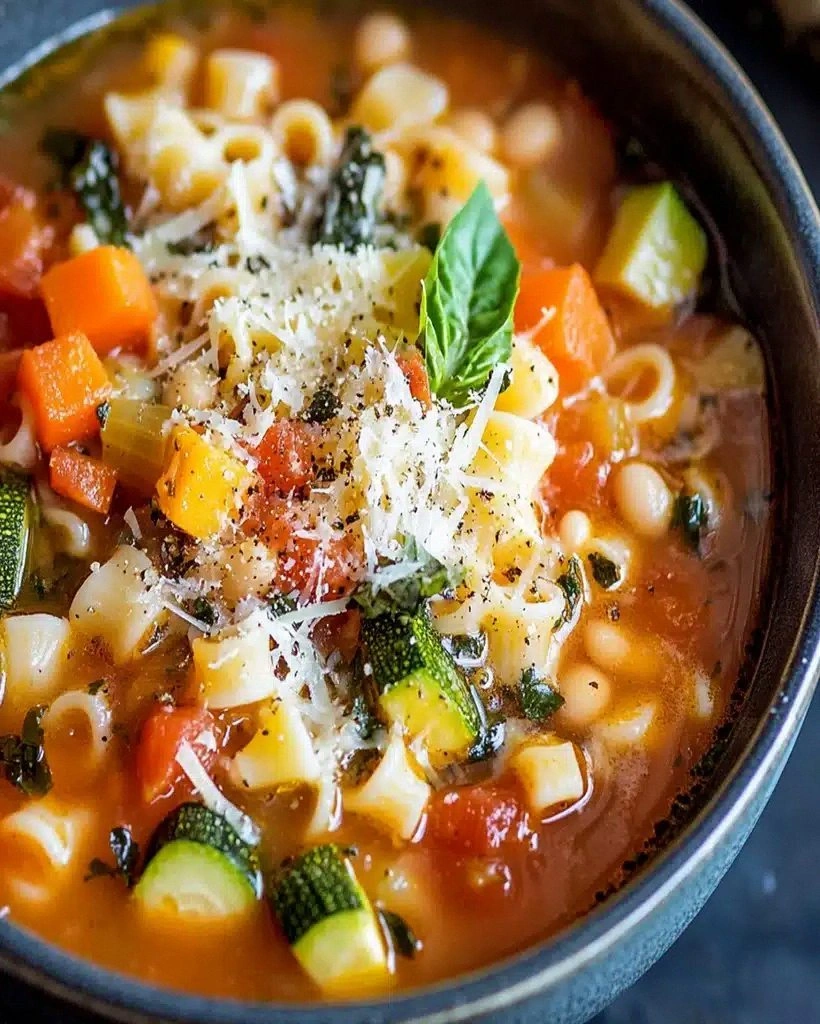
Pasta choice can make or break this soup. Traditionalists insist on ditalini, but I've become obsessed with small shells. They catch the beans and vegetables like tiny edible bowls, ensuring every spoonful is perfectly balanced. The trick is to cook it separately until it's just shy of al dente — it'll finish cooking in the soup and absorb all those gorgeous flavors without turning to mush. Undercook it by about 2 minutes from package directions, then drain and set aside while the soup simmers.
Beans are non-negotiable, and while canned work beautifully (we're not running a restaurant here), the type matters more than you'd think. Cannellini beans are classic for a reason — they stay intact but creamy, with a subtle nuttiness that plays beautifully with the tomatoes. If you only have chickpeas, they'll work, but they won't give you that traditional silky texture that makes minestrone feel like a hug in a bowl. Drain and rinse them well; nobody wants bean-flavored soup.
The Unexpected Star
Here's where we get a little rebellious. Instead of just dumping in a can of diced tomatoes, we're using crushed tomatoes and letting them caramelize slightly in the pot. This concentrates their flavor and adds a subtle sweetness that balances the vegetables perfectly. Cook them until they turn a deep brick red and start to stick to the bottom of the pan — that's when you know they're developing the complex, almost wine-like flavor that separates good soup from great soup.
The Parmesan rind is your secret weapon. I know it seems weird to throw what looks like cheese garbage into your soup, but trust me on this. As it simmers, it releases glutamates that create an almost meaty depth of flavor. Fish it out before serving (or don't — some people fight over who gets to gnaw on it). If you don't have one, add a tablespoon of white miso paste instead. It sounds insane, but it gives you a similar umami bomb that will have people asking if you used homemade stock.
The Final Flourish
Fresh herbs aren't just garnish here — they're essential. A handful of parsley stems go into the pot early to infuse the broth, then fresh leaves get stirred in at the end for brightness. Basil goes in last minute so it stays vibrant and doesn't turn black and bitter. And here's the kicker: a squeeze of lemon right before serving. It wakes up all the flavors and makes the whole soup sing. Skip it, and the soup will taste flat, like a joke without a punchline.
Greens are where you can really customize. Spinach wilts in seconds and adds sweetness. Kale needs a few minutes to soften but adds earthy depth. Escarole is traditional and has a pleasant bitterness that balances the rich broth. Whatever you choose, add it in the last few minutes so it stays vibrant and doesn't turn that sad army green color that makes vegetables look like they've given up on life.
Everything's prepped? Good. Let's get into the real action...
The Method — Step by Step
- Start with your biggest, heaviest pot — the one that makes you feel like a serious cook even if you're still in your pajamas. Heat 3 tablespoons olive oil over medium heat until it shimmers and moves like water across the surface. Add your diced onions with a generous pinch of salt (this helps them release their moisture and caramelize instead of steam). Now here's the part where most people mess up: they stir too much. Let those onions sit for a full 2 minutes between stirs. You want them to develop those gorgeous golden edges that taste like sweet, savory candy. Your kitchen should start smelling like the best Italian restaurant you've ever been to. If your onions are browning too fast, lower the heat. If they're just sitting there looking pale and unenthusiastic, raise it slightly. This isn't rocket science — it's just paying attention.
- While your onions work their magic, dice your carrots and celery into pieces the size of your thumbnail. They should look like confetti, but confetti that you want to eat. Add them to the pot with another pinch of salt and cook for about 5 minutes, stirring occasionally. The goal here is to get them to soften slightly and pick up some color from the onions. They should look glossy and bright, like vegetables that have been to a spa. This is also when you can add any harder vegetables you're using — zucchini, potatoes, or cabbage all go in now so they have time to soften properly.
- Clear a little space in the center of your pot and add 4 minced garlic cloves. Let them sit for exactly 30 seconds — no more, no less — before stirring them into the vegetables. Garlic burns faster than your ex's new relationship, and bitter garlic will ruin everything we've worked for. It should smell intensely aromatic and make you want to dive face-first into the pot. If it starts to turn brown, you've gone too far. Better to err on the side of undercooked here.
- Now comes the tomato moment. Pour in your crushed tomatoes and spread them around with your spoon so they cover everything. Let them cook for about 3 minutes, stirring occasionally, until they darken in color and start to stick to the bottom of the pot. This is called "blooming" the tomatoes, and it's where all their natural sugars develop and concentrate. The tomatoes should go from bright red to a deeper, brick-like color. If you taste one now (careful, they're hot), they should taste sweeter and more complex than when they came out of the can.
- Pour in 4 cups of vegetable broth — homemade if you're feeling ambitious, but let's be real, good quality boxed works perfectly fine. Add your Parmesan rind now if you have one. Bring everything to a boil, then reduce to a lively simmer. This is when your soup starts to look like actual soup instead of just vegetables floating in liquid. The broth should take on a rich, reddish color from the tomatoes. Let it simmer for about 10 minutes so the flavors can meld and the Parmesan can start working its magic. Your kitchen should smell absolutely incredible right now, like you've been cooking all day instead of 20 minutes.
- While the soup simmers, cook your pasta in a separate pot according to package directions, but subtract 2 minutes from the cooking time. You want it very al dente because it'll finish cooking in the soup. Salt the pasta water generously — it should taste like the sea. This is your only chance to season the pasta itself. Drain it and set aside. Do not rinse it (rinsing removes the starch that helps the sauce cling), but toss it with a tiny bit of olive oil to prevent sticking. If you skip this step and add raw pasta directly to the soup, you'll end up with mushy pasta and thick, pasty broth. We don't want that.
- Add your beans to the simmering soup and let them heat through for about 3 minutes. They should stay intact but get creamy around the edges. If you're using canned beans, be gentle when stirring so they don't break apart and turn your soup into bean paste. Taste the broth now — it should be getting more complex and savory. If it tastes flat, add a pinch more salt. Salt doesn't just make things salty; it's like turning up the volume on all the other flavors.
- Add your greens and cook just until they wilt and turn bright green. Spinach needs maybe 30 seconds, kale needs 2-3 minutes, and escarole falls somewhere in between. You want them tender but still vibrant. Nothing ruins a beautiful soup like sad, overcooked vegetables that look like they've been through a war. The greens should make the whole pot look fresh and healthy, like springtime in a bowl.
- Stir in your cooked pasta and let everything simmer together for exactly 2 minutes. This is when the magic happens — the pasta absorbs the broth and becomes little flavor bombs, while the starch from the pasta slightly thickens the soup. Add your fresh herbs now: parsley and basil go in last so they stay bright. Save a few leaves for garnish because we're fancy like that. The soup should look chunky and abundant, like you could eat it with a fork but you'll use a spoon because you're civilized.
- Remove from heat and stir in a squeeze of fresh lemon juice. Start with half a lemon and add more to taste. This is the moment where good soup becomes great soup — that hit of acid brightens everything and makes all the flavors pop. It's like the difference between a photo with and without good lighting. Taste and adjust seasoning one final time. The soup should make you want to grab a spoon and start eating immediately, standing right there at the stove. I give you permission to do exactly that.
That's it — you did it. But hold on, I've got a few more tricks that'll take this to another level...
Insider Tricks for Flawless Results
The Temperature Rule Nobody Follows
Here's something that will change your soup game forever: serve it at the right temperature. Not piping hot, not lukewarm, but at that sweet spot around 160°F where you can taste all the flavors without burning your tongue into oblivion. When soup is too hot, your taste buds go into shock and can't actually taste anything. Let it cool for 5 minutes after cooking, then taste it again. Suddenly you'll notice the sweetness of the carrots, the peppery bite of the basil, the way the Parmesan has melted into the background like a bass note in a jazz song. I learned this the hard way when I served soup so hot that my dinner guests could only smile and nod while their mouths recovered from the volcanic blast.
Why Your Nose Knows Best
Trust your sense of smell more than your eyes when making this soup. When the aromatics are properly cooked, your kitchen will smell like you've been transported to a rustic Italian kitchen. If you catch yourself standing over the pot just inhaling deeply, you're doing it right. The onions should smell sweet and caramelized, not sharp and sulfurous. The garlic should perfume the air without being aggressive. When you add the tomatoes, there should be a moment where the smell shifts from raw and acidic to deep and almost wine-like. That's your cue to move to the next step. I once had a neighbor knock on my door asking what I was cooking because the hallway smelled so incredible.
The 5-Minute Rest That Changes Everything
After you finish cooking, let the soup rest for 5 minutes with the lid on. This isn't just about cooling it down — it's where all the flavors marry and become more than the sum of their parts. During this rest, the pasta continues to absorb broth and becomes perfectly tender, the herbs infuse their oils throughout, and everything just... settles. It's like the difference between a freshly mixed cocktail and one that's been sitting for a few minutes. Same ingredients, completely different experience. Use this time to set the table, pour yourself a glass of wine, or just stand there basking in the glow of your culinary success.
The Texture Balance Secret
Great minestrone isn't just about throwing everything in a pot. It's about textural contrast — some vegetables soft, others with bite, pasta that's tender but not mushy, beans that hold their shape but creamily yield to your spoon. The secret is timing and knife work. Cut your vegetables into different sizes: carrots and celery small so they soften quickly, zucchini larger so it stays intact, greens torn rather than chopped for a more rustic feel. When you get a spoonful, you should experience a variety of textures, not just uniform softness. It's like a well-orchestrated symphony where every instrument plays its part.
The Broth Body Builder
If you want restaurant-quality body to your broth without using heavy cream or making a roux, here's my favorite trick: mash about 1/4 cup of the beans with a fork and stir them into the soup. They'll dissolve and thicken the broth naturally, giving you that silky texture that coats the back of a spoon. Do this in the last 5 minutes of cooking, and suddenly your soup goes from good to "did you go to culinary school?" Another option is to add a tablespoon of tomato paste with your crushed tomatoes and let it caramelize — it adds body and intensifies the tomato flavor without making the soup taste like marinara.
Creative Twists and Variations
This recipe is a playground. Here are some of my favorite ways to switch things up:
The Tuscan Farmer's Market
Add a can of white beans and some chopped kale, then finish with a drizzle of the best olive oil you own and some crusty bread rubbed with garlic. Use cannellini beans and add some chopped rosemary with the onions. The rosemary perfumes the whole soup and makes it taste like you're eating in a hilltop restaurant in Tuscany. I like to add a can of chickpeas too for extra texture variety. Finish with a sprinkle of lemon zest and you'll swear you can hear Italian grandmothers approving from across the ocean.
The Summer Garden Party
Swap the crushed tomatoes for fresh cherry tomatoes that you let burst in the pot, add fresh corn cut from the cob, and use small pasta shells. Throw in some fresh basil at the very end and serve it slightly warm rather than hot. It's like summer in a bowl — bright, fresh, and so colorful it looks like a garden party. Add some fresh mozzarella balls at the very end so they get just melty enough to be irresistible but still hold their shape.
The Winter Warmer
Add some diced potatoes and butternut squash for extra heft, use larger pasta like shells or orecchiette, and throw in some chopped sage with the onions. Let it simmer until everything is meltingly tender. This version is so hearty it's basically a stew, perfect for those nights when the wind is howling and you need something that will stick to your ribs. I sometimes add a can of white beans for extra protein and creaminess. Serve it with grated Parmesan and some crusty bread for sopping up every last drop.
The Mediterranean Detox
Load it up with every green vegetable you can find — zucchini, green beans, peas, spinach, and lots of fresh herbs. Use vegetable broth instead of chicken, add a squeeze of lemon juice, and finish with a drizzle of good olive oil. It's like a reset button for your body, packed with so many vegetables you can practically feel your cells celebrating. I sometimes add some quinoa for extra protein and a nutty texture. It's virtuous enough for your most health-conscious friends but delicious enough that everyone will want seconds.
The Pantry Raid
No vegetables? No problem. Use canned corn, canned green beans, and frozen mixed vegetables. Add some dried herbs (Italian seasoning works great), use canned beans, and throw in some pasta. It's not glamorous, but it's comforting and uses things you probably have on hand. I've made this version when I couldn't get to the store and it still tasted like someone cared enough to cook. Sometimes I add a spoonful of pesto at the end to brighten everything up and make it taste more intentional than desperation-driven.
The Spicy Surprise
Add some red pepper flakes with the onions, throw in some chopped spicy peppers, and use fire-roasted tomatoes. Finish with some fresh cilantro instead of parsley. It's got a kick that sneaks up on you — first you taste the familiar comfort of minestrone, then the heat blooms in your mouth like a spicy flower. I like to add some chorizo or spicy Italian sausage if I'm feeling particularly rebellious. Serve it with some cooling yogurt or sour cream to balance the heat.
Storing and Bringing It Back to Life
Fridge Storage
This soup keeps like a dream in the fridge for up to 5 days, but here's the key: store the pasta separately if you can. The pasta will continue to absorb broth and can get mushy if left in the soup too long. Keep it in a separate container and add it when you reheat. If you've already mixed it in (no judgment, we've all been there), just know that the pasta will be softer when reheated, but the flavor will still be incredible. Store in airtight containers, and if the soup thickens too much in the fridge, just thin it with a little broth or water when reheating. It actually gets better as it sits — the flavors meld and deepen like they've been on a retreat together.
Freezer Friendly
This soup freezes beautifully for up to 3 months, but again, pasta is the enemy of freezing. Freeze the soup without pasta, then cook fresh pasta when you're ready to serve. Let the soup cool completely before freezing, and leave some headspace in your containers because it will expand. I like to freeze it in portion-sized containers so I can grab exactly what I need for lunch. Thaw overnight in the fridge or use the defrost setting on your microwave. When reheating, bring it to a gentle simmer and add freshly cooked pasta. It tastes almost exactly like the day you made it, which is basically kitchen sorcery.
Best Reheating Method
Low and slow is the name of the game here. Reheat gently over medium-low heat, stirring occasionally, until it's just heated through. If you're in a rush, the microwave works, but do it in 30-second bursts, stirring between each one. Add a splash of water or broth if it's gotten too thick, and taste for seasoning — you might need a pinch more salt or a squeeze of lemon to wake everything up. If you stored the pasta separately, add it in the last minute of reheating so it can warm through without getting mushy. Finish with fresh herbs and maybe a drizzle of good olive oil, and you'd never know it wasn't made fresh that day.