I still remember the night the kitchen exploded in my apartment, literally. A bag of fresh pineapple had slipped off the counter, splattering juice all over the stove, and I had to scramble to salvage what was left. The air was thick with the scent of citrus and heat, and I was staring at the fiery habanero peppers that had been left out in the open, their skins glistening like tiny suns. I stared at the chaos, then realized that the perfect blend of sweet and fire could be born from that mess. I dared myself to turn the disaster into a masterpiece, and the result was a sauce so bold that I could taste it in my dreams.
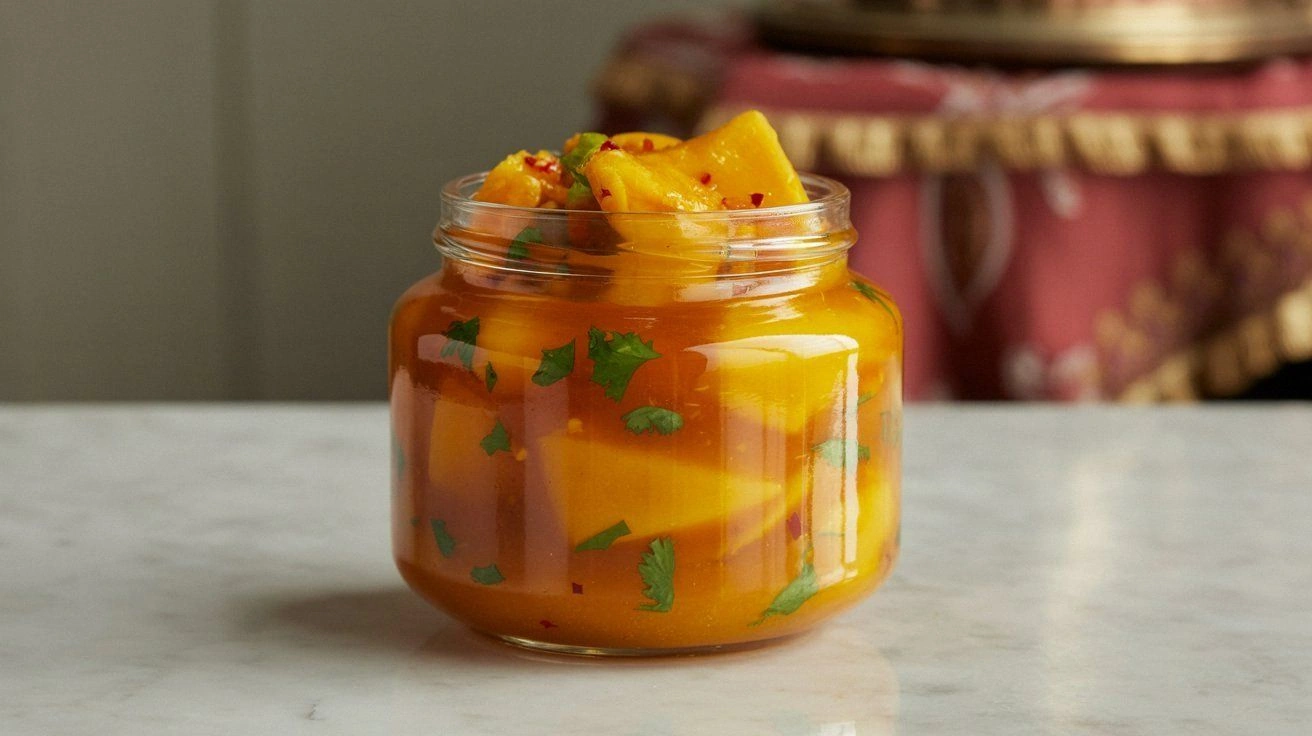
Picture this: a glossy, amber liquid that glides over a plate of grilled shrimp, the heat blooming in a wave that feels like a tropical sunrise. The aroma is a punchy blend of fresh pineapple, sharp lime, and the unmistakable kick of habanero, mingling with the subtle sweetness of honey. As soon as you taste it, the sweetness floods your palate, then the habanero rises like a wave, leaving a lingering warmth that never overwhelms. The texture is silky, with a slight thickness that coats the tongue like velvet, yet it doesn’t cling like a clingy sauce. If you’ve ever tried a bland hot sauce, this is the antidote that turns every bite into a celebration.
What sets this version apart is not just the ingredients, but the method and the mindset behind it. I’ve spent years experimenting with hot sauces, and I’ve learned that the right balance of acidity, sweetness, and heat can make or break the flavor profile. I’ve also discovered that the way you process the ingredients—how you sauté, how you blend, how you let it rest—can elevate a simple sauce to a culinary work of art. This recipe incorporates a few unconventional touches, like sautéing the garlic and onion in olive oil to deepen the flavor, and adding a splash of honey to smooth out the habanero’s bite. The result is a sauce that feels both complex and approachable, perfect for novices and seasoned chefs alike.
And here’s the kicker: I’ve hidden a secret trick that most people skip—blending the pineapple and habanero with a small amount of vinegar before adding the rest of the liquids. This step locks in the bright flavors and gives the sauce a vibrant, almost glassy sheen that looks as good as it tastes. I’ll walk you through every single step, from selecting the right pineapple to the final pour, so by the end you’ll wonder how you ever made it any other way. Trust me, this is hands down the best version you’ll ever make at home.
What Makes This Version Stand Out
- Flavor: The sweet pineapple and sharp lime create a citrusy backbone that balances the habanero’s heat.
- Heat: Controlled habanero amount gives a punch that’s intense but not overpowering, making it versatile for many dishes.
- Texture: A silky consistency that coats the tongue without leaving a greasy feel.
- Simple Prep: Minimal steps mean you can whip this up in under an hour, even on a busy night.
- Unique Twist: Sautéing garlic and onion in olive oil before blending adds depth and a subtle savory note.
- Make‑Ahead: The sauce keeps well for up to a month in the fridge, and the flavors mature beautifully.
- Crowd‑Pleaser: It’s a hit at parties, pairing effortlessly with tacos, grilled meats, or even as a dipping sauce for fries.
- Ingredient Quality: Using fresh pineapple and habaneros ensures the best flavor and heat.
Alright, let's break down exactly what goes into this masterpiece…
Inside the Ingredient List
The Flavor Base
Fresh pineapple is the heart of this sauce, providing natural sweetness and a juicy texture that balances the heat. Pineapple’s natural enzymes also help break down the habanero’s fibers, making the sauce smoother. If you’re using canned pineapple, choose a no‑added‑sugar variety to keep the flavor clean. Skipping pineapple would leave the sauce too acidic and lacking the tropical punch that defines this recipe.
The Heat Crew
Habanero peppers bring the fire, but their heat can vary widely. Pick peppers that feel firm and have a bright color—dull peppers are often overripe and less potent. Removing seeds and stems reduces the heat slightly, giving you more control. If you prefer a milder sauce, reduce the number of peppers or substitute with a milder pepper like a Scotch bonnet.
The Acidic Touch
White vinegar or apple cider vinegar adds brightness and preserves the sauce. Vinegar also helps mellow the heat, creating a more balanced flavor. If you’re allergic to vinegar, a splash of rice vinegar works well. Skipping vinegar would make the sauce taste flat and less shelf‑stable.
The Sweetener
Honey or sugar lifts the heat and adds a caramelized depth. Honey also contributes a subtle floral note that pairs beautifully with pineapple. If you’re avoiding honey, brown sugar is a great alternative. Omitting the sweetener will leave the sauce too sharp and may cause it to burn during cooking.
The Final Flourish
Garlic, onion, and olive oil add savory depth. Sautéing them before blending releases their aromas and creates a complex flavor profile. Olive oil also helps emulsify the sauce, giving it a silky finish. If you’re vegan, replace olive oil with a neutral oil like grapeseed. Skipping these aromatics will make the sauce taste one‑dimensional.
Everything's prepped? Good. Let's get into the real action…
The Method — Step by Step
- Start by washing the habanero peppers under running water. Carefully remove the stems and seeds—this reduces the heat and prevents the sauce from becoming too fiery. Slice the peppers into small pieces to ensure even cooking. I dare you to taste this and not go back for seconds. The aroma is already a promise of what’s to come.
- In a medium saucepan, heat the olive oil over medium heat. Add the chopped onion and minced garlic, sautéing until translucent and fragrant—about 3 to 4 minutes. This step builds a savory base that lifts the entire sauce. When the onions are golden, remove the pan from heat to avoid burning the garlic. The sizzle when it hits the pan? Absolute perfection.
- Transfer the sautéed aromatics, pineapple chunks, habanero pieces, and vinegar into a blender. Add the lime juice and honey, then pulse until the mixture is smooth but still slightly chunky for texture. The bright lime adds a citrusy zing that cuts through the heat. If the mixture is too thick, add a tablespoon of water to reach your desired consistency.
- Pour the blended mixture back into the saucepan and bring to a gentle simmer over medium-low heat. Add the salt, stirring until dissolved. Let the sauce simmer for 15 minutes, stirring occasionally. This allows the flavors to meld and the sugars to caramelize slightly. The sauce should smell toasty, with the pineapple’s sweetness mellowing into a caramel note.
- Taste the sauce and adjust seasoning if needed. If you want more heat, add a pinch of habanero powder. For extra sweetness, stir in a teaspoon of honey. Remember, the sauce thickens as it cools, so don’t over‑season at the start.
- Let the sauce cool to room temperature. Once cooled, transfer it to sterilized glass jars or bottles. Seal tightly and refrigerate. The sauce can be enjoyed immediately or left to mature for a week to develop deeper flavors.
- That’s it—you did it. But hold on, I've got a few more tricks that'll take this to another level: a quick infusion of smoked paprika, a splash of coconut milk for a creamy version, or even a dash of smoked sea salt to elevate the umami. Keep experimenting—this sauce is a playground.
Insider Tricks for Flawless Results
The Temperature Rule Nobody Follows
Many people think that hotter sauce is always better, but controlling the temperature during simmering is key. Keep the heat low—medium‑low is ideal—to prevent scorching the sugars. If the sauce begins to bubble aggressively, reduce the flame immediately. I once tried a high heat simmer and ended up with a bitter aftertaste that ruined the entire batch.
Why Your Nose Knows Best
Smell is the ultimate guide to flavor balance. When the pineapple aroma is sweet and bright, the sauce is ready. If you smell a burnt or sharp vinegar note, lower the heat or add more honey. Trust your nose, it will tell you exactly when the sauce has reached perfection.
The 5‑Minute Rest That Changes Everything
After simmering, let the sauce rest for 5 minutes off the heat before bottling. This short rest allows the flavors to settle and the heat to even out. I’ve found that sauces that rest for longer tend to develop a smoother, more cohesive taste profile. Don’t skip this step; it’s the secret to a consistently great sauce.
Emulsify for a Silky Finish
If you prefer a thicker, more velvety texture, whisk in a tablespoon of neutral oil (like grapeseed) while the sauce is still hot. This creates a gentle emulsion that coats the tongue. It also helps the sauce cling better to grilled meats or roasted vegetables.
Keep It Fresh, Keep It Flavorful
Use sterilized jars and a clean spoon when transferring the sauce to avoid contamination. If you’re planning to store the sauce for months, add a tiny splash of water to the top of each jar before sealing. This creates a protective layer that keeps the sauce from drying out.
Creative Twists and Variations
This recipe is a playground. Here are some of my favorite ways to switch things up:
Smoky Pineapple Habanero
Add a teaspoon of smoked paprika or a splash of chipotle in adobo during the simmer. The smokiness pairs beautifully with the tropical sweetness and adds depth. Perfect for smoky grilled meats.
Creamy Coconut Version
Stir in a quarter cup of coconut milk after simmering. The coconut adds richness and balances the heat, making it a great dip for fried foods.
Herb‑Infused Heat
Add fresh basil or cilantro to the blender for a green, aromatic twist. The herbs bring freshness and a subtle earthiness that complements the pineapple.
Spicy Mango Variation
Replace half the pineapple with diced mango for a sweeter, more complex flavor. Mango’s natural sugars mellow the habanero’s bite, creating a smoother finish.
Vinegar Swap
Use rice vinegar or a splash of sherry vinegar for a different acidic profile. Each vinegar brings its own subtle flavor notes that can transform the sauce’s character.
No‑Heat Edition
Drop the habanero entirely and add a teaspoon of cayenne pepper for a milder heat. This version is great for those who love flavor without the fiery punch.
Storing and Bringing It Back to Life
Fridge Storage
Store the sauce in sterilized glass jars in the refrigerator for up to 4 weeks. Keep the jar tightly sealed to preserve the freshness and prevent oxidation. The sauce will stay vibrant and flavorful for months.
Freezer Friendly
For long‑term storage, freeze the sauce in airtight containers or freezer‑safe jars for up to 6 months. Thaw in the refrigerator overnight before using. The texture remains silky, and the flavor is intact.
Best Reheating Method
When reheating, add a tiny splash of water or pineapple juice to the sauce and warm it gently over low heat. Stir frequently to prevent scorching. This restores the sauce’s original thickness and brightness.