I was standing in a kitchen that looked like a disaster zone after my last attempt at a “quick” dinner. The pot of spaghetti had turned into a sticky, over‑cooked mess, and my friend dared me to make something that could actually taste good. I laughed, rolled my eyes, and said, “Challenge accepted.” That moment sparked the idea for a dish that would combine the comfort of pierogi with the fall‑savory punch of butternut squash and feta, all wrapped in a buttery crust that would make your taste buds sing. I can still hear the sigh of disbelief when I first served it.
Imagine stepping into a kitchen where the air is thick with the sweet, caramelized scent of roasted squash, a hint of thyme, and a whisper of sage. The sound of the skillet sizzles like a jazz solo, each bubble a promise of flavor. The sight of golden, flaky dough cradling a creamy, tangy filling feels like a hug in a bowl. When you take that first bite, the squash’s silky sweetness meets the briny feta, while the crust offers a buttery crunch that crackles like fresh snow. The finish lingers, leaving you craving a second plate, and I dare you to taste this and not go back for seconds.
What sets this version apart from the countless other recipes you’ve seen is the meticulous balance between texture and flavor. The dough is light enough to keep the filling from feeling heavy, yet sturdy enough to hold the filling without breaking. The butternut squash is roasted to bring out its natural sugars, giving a subtle caramel note that contrasts beautifully with the sharpness of feta. The addition of dried thyme and fresh sage adds aromatic depth that elevates the dish from simple to unforgettable. In short, this is hands down the best version you'll ever make at home.
I’m not just talking about a recipe; I’m offering a kitchen experience that will have your friends begging for the recipe card. The technique that will surprise you is the double‑step of baking the dough in two phases—first at a high temperature to set the edges, then at a lower temperature to finish the center. This ensures a crisp exterior while keeping the interior tender. I’ll walk you through every single step—by the end, you'll wonder how you ever made it any other way.
What Makes This Version Stand Out
- Flavor Complexity: The combination of sweet squash, sharp feta, and aromatic herbs creates a layered taste that feels both comforting and adventurous.
- Texture Contrast: The dough’s buttery crunch contrasts with the silky filling, delivering a satisfying bite that keeps you coming back.
- Ingredient Quality: Using high‑quality, fresh ingredients like Vidalia onion and extra‑virgin olive oil elevates the dish to restaurant level.
- Simplicity: Despite its sophisticated flavor profile, the recipe requires only basic kitchen tools and a handful of pantry staples.
- Make‑Ahead Friendly: The dough can be prepared a day ahead, and the assembled pierogi can be frozen and baked later without losing quality.
- Crowd Appeal: Whether you’re feeding a family or hosting a dinner party, this dish garners rave reviews and repeat orders.
Inside the Ingredient List
The Flavor Base
The butternut squash is the star of this dish, offering a natural sweetness that caramelizes beautifully when roasted. Its mellow flavor acts as a canvas, absorbing the subtle notes of thyme and sage without overpowering them. If you skip the squash, the pierogi would lose its signature fall flavor and feel like a plain pastry.
The Vidalia onion adds a gentle, sweet bite that complements the squash’s sweetness and the feta’s tang. Its mildness prevents the dish from becoming too sharp, maintaining a balanced profile. If you omit the onion, the filling will feel flat, lacking that subtle layer of complexity.
Dried thyme provides a warm, earthy undertone that deepens the overall flavor. It’s a classic herb pairing with squash, delivering a fragrant aroma that lingers. A good swap for thyme is fresh thyme, which brings a brighter, slightly minty note.
The Texture Crew
All‑purpose flour is the backbone of the dough, giving it structure and the ability to rise slightly during baking. A high‑protein flour can make the dough chewier, which is not ideal for this recipe’s tender goal. If you prefer a gluten‑free version, use a blend of rice flour and tapioca starch.
Very warm milk and water are essential for activating the yeast in the dough, ensuring a light, airy interior. They also help create a silky texture in the filling by dissolving the feta smoothly. Using cold liquids can cause the dough to develop unevenly, leading to a denser product.
Unsalted butter is key for the buttery crunch that defines the crust’s golden finish. It also contributes to a richer flavor profile, elevating the dish beyond plain dough. If you’re avoiding dairy, try a plant‑based butter for a similar effect.
The Unexpected Star
Sage leaves, though often overlooked, bring an earthy, slightly peppery flavor that balances the sweet squash and sharp feta. Their aroma is reminiscent of freshly cut hay, adding a rustic touch to the dish. If sage is out of season, try fresh rosemary for a slightly piney twist.
Extra virgin olive oil adds a subtle fruity note, enhancing the overall flavor profile while keeping the dough moist. It also helps prevent the dough from drying out during baking. For a richer taste, a drizzle of aged balsamic vinegar can be added to the filling.
The Final Flourish
Kosher salt is used in the dough to bring out the flavors of each ingredient without overwhelming the palate. It also helps control yeast activity, ensuring consistent rise. If you’re sensitive to sodium, reduce the amount slightly and taste as you go.
Freshly ground black pepper adds a subtle heat that wakes up the dish. It’s a finishing touch that gives the pierogi a lively kick. A pinch of cayenne pepper can replace it for a spicier version.
Salt to taste is the final seasoning in the filling, ensuring each bite is perfectly balanced. It allows you to adjust the flavor profile based on your preference. Over‑salting can ruin the delicate balance, so start with a small amount.
Everything's prepped? Good. Let's get into the real action.

The Method — Step by Step
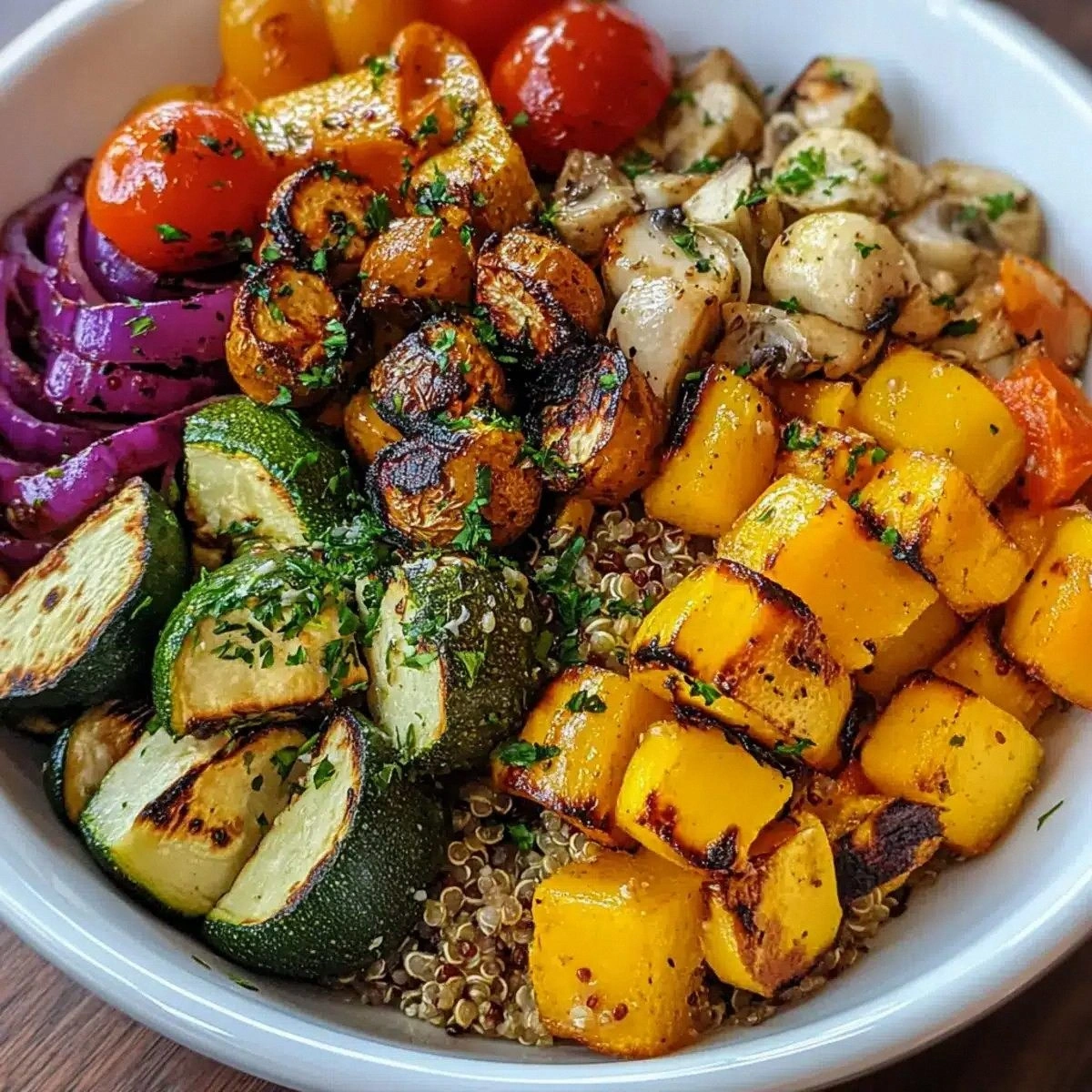
- Preheat the oven to 425°F (220°C) and line a baking sheet with parchment paper. While the oven warms, dice the butternut squash into small cubes, ensuring even pieces for uniform roasting. Toss the cubes with olive oil, salt, pepper, and dried thyme, spreading them out in a single layer. Roast for 25 minutes, stirring halfway, until the edges are caramelized and the interior is tender. The aroma should fill the kitchen like a cozy cabin in autumn.
- In a large bowl, combine the roasted squash, diced Vidalia onion, crumbled feta, and fresh sage leaves. Gently mix, being careful not to break the feta into a paste. Season the mixture with salt to taste, adjusting for your preferred level of saltiness. This filling will be the heart of the pierogi, delivering a sweet, creamy, and herbaceous burst with every bite. Let it cool slightly so it doesn’t melt the dough during assembly.
- In a separate bowl, whisk together the flour, kosher salt, and a pinch of black pepper. Add the warm milk and water, stirring until a sticky dough forms. Incorporate the butter, melting it into the mixture for a rich, buttery flavor. Knead the dough on a floured surface for about 5 minutes until it’s smooth and elastic. The dough should be soft but not sticky—if it’s too tacky, dust with a little more flour.
- Roll the dough into a 1/8-inch thick sheet on a lightly floured surface. Cut out circles using a 3-inch cookie cutter or a glass. Place a spoonful of the squash-feta mixture in the center of each circle. Fold the dough over to form a half‑moon shape and seal the edges by pressing firmly with a fork. This step ensures the filling stays inside and the edges don’t split during baking.
- Arrange the pierogi on the prepared baking sheet, spacing them slightly apart to allow even heat circulation. Brush each pierogi with a light drizzle of melted butter to promote a golden, crisp crust. Bake at 425°F (220°C) for 12 minutes, then reduce the heat to 375°F (190°C) and bake an additional 8-10 minutes, or until the edges are golden brown and the interior is set. The final product should have a buttery crunch that gives way to a creamy filling.
- While the pierogi are baking, melt the remaining butter in a small saucepan over medium heat. Add the sage leaves and let them sizzle for 1-2 minutes until fragrant. This sage butter will be the finishing touch that elevates the dish from good to unforgettable. Once the pierogi are done, drizzle the sage butter over them, letting the flavors mingle.
- Serve the pierogi hot, straight from the oven, with a side of crisp greens or a light salad. The contrast of the warm, buttery pierogi against the fresh greens creates a balanced meal. If you’re feeling adventurous, add a splash of lemon juice to the sage butter for a bright, citrusy finish. Plate them beautifully, garnish with a few extra sage leaves, and enjoy the comforting aroma that fills your kitchen.
- If you’re hosting a dinner party, let your guests know that the pierogi can be made ahead of time and frozen. Simply assemble the pierogi, place them on a parchment‑lined tray, freeze until solid, then transfer to a freezer bag. Reheat them in a 350°F oven for 15-20 minutes, or until hot and crisp. This way, you can focus on entertaining while still serving a homemade, show‑stopping dish.
- Remember, the secret to a perfect pierogi is in the balance of flavors and textures. Keep your dough light, your filling creamy, and your baking time precise. The result is a dish that feels like a warm hug, yet offers a sophisticated taste that will impress even the most discerning palates. Enjoy every bite, and feel proud of the culinary masterpiece you’ve just created.
Insider Tricks for Flawless Results
The Temperature Rule Nobody Follows
Many cooks think a single oven temperature is enough, but the trick lies in a two‑stage bake. Start high to set the crust, then lower to finish the interior. This method ensures a golden edge without over‑browning the filling. I once tried baking at one temperature and the pierogi came out soggy—lesson learned. Keep the thermometer handy to monitor the internal temperature.
Why Your Nose Knows Best
Smell is the most reliable indicator of doneness for dough. When the pierogi start to emit a nutty, toasted aroma, you’re almost there. I’ve had the misfortune of letting them sit too long, only to find the scent of burnt sugar. Trust your nose, and pull them out just before the aroma turns sharp.
The 5-Minute Rest That Changes Everything
After baking, let the pierogi rest on a rack for five minutes. This brief pause allows the juices to redistribute, preventing a soggy center. I’ve seen people skip this step and end up with a mushy texture. Give them a moment to settle, and the flavors will deepen.
The Perfect Butter Ratio
Too little butter and the crust will be dry; too much and it’ll be greasy. Use exactly the amount of butter listed in the recipe for the dough, and a little extra for brushing. This balance ensures a crisp, buttery finish that doesn’t overpower the filling. My first batch had a greasy bite because I over‑buttered; I learned to measure carefully.
The Secret to a Fluffy Dough
Don’t over‑knead the dough. Kneading too long causes gluten to tighten, resulting in a dense texture. I like to knead just until the dough is smooth, which takes about 5 minutes. A quick test: press a finger into the dough; if it springs back, you’re good. This simple check saves you from a heavy pierogi.
The Freshness Check for Squash
Choose squash with a firm, smooth skin and a deep orange flesh. A squishy squash will release too much water during roasting, diluting the flavor. I once used a slightly bruised squash and the pierogi tasted watery. Always pick a squash that feels solid to the touch.
Creative Twists and Variations
Spinach & Ricotta Swap
Replace the feta with ricotta and add fresh spinach for a milder, creamier filling. The spinach adds a pop of color and a subtle earthiness. This version is ideal for those who prefer a softer cheese. The texture remains tender, and the spinach brings a fresh, green note.
Smoky Bacon & Cheddar Edition
Crack a handful of bacon into the filling and use sharp cheddar instead of feta. The smoky bacon adds depth, while the cheddar brings a sharp bite. This variation turns the dish into a hearty, brunch‑ready meal. The bacon fat also enriches the dough’s flavor.
Miso & Coconut Variation
Stir in a tablespoon of miso paste and a splash of coconut milk into the filling. The miso provides umami, and the coconut milk adds a subtle sweetness. This Asian‑inspired twist offers a unique flavor profile that pairs well with a side of pickled vegetables. The result is a fusion dish that’s both comforting and exotic.
Herb‑Infused Olive Oil Drizzle
Infuse olive oil with rosemary, thyme, and a pinch of red pepper flakes. Drizzle this oil over the pierogi before serving for an extra layer of aroma. The herb infusion elevates the dish from simple to gourmet. It also adds a subtle heat that balances the sweetness of the squash.
Sweet & Spicy Glaze
Create a glaze with honey, sriracha, and a splash of apple cider vinegar. Brush it onto the pierogi halfway through baking. The glaze adds a sweet heat that complements the savory filling. This version is perfect for those who love a kick in their comfort food.
Vegan Version
Use a vegan feta alternative and replace the butter with coconut oil. Keep the same ratios for the dough, using a plant‑based milk. This adaptation maintains the dish’s integrity while making it suitable for plant‑based diets. The result is a creamy, flavorful pierogi that satisfies everyone.
Storing and Bringing It Back to Life
Fridge Storage
Store leftover pierogi in an airtight container in the refrigerator for up to 3 days. The dough will stay tender, and the filling will remain creamy. Reheat them in a skillet with a splash of water to keep them moist. Avoid microwaving, as it can make the dough rubbery. Serve with a fresh green salad for a balanced meal.
Freezer Friendly
Place assembled pierogi on a parchment‑lined tray and freeze until solid. Transfer to a freezer bag for long‑term storage. They can be baked directly from the freezer, adding 5 minutes to the baking time. This method preserves flavor and texture, making meal prep a breeze. I’ve frozen a batch for a weekend brunch and it tasted just as good as fresh.
Best Reheating Method
Reheat frozen or refrigerated pierogi in a 350°F oven for 15-20 minutes, or until hot and crisp. For extra crispness, finish with a quick broil for 1-2 minutes. Add a tiny splash of water before reheating to steam the interior, preventing dryness. This simple trick restores the pierogi to its original, comforting glory.