I was staring at a half‑burnt pizza crust, the smell of charred dough curling into my nostrils, when my friend dared me to make the ultimate salami pizza that would make even the most seasoned chefs swoon. That night, the kitchen was a battlefield of flour dust, a sizzling pan, and the relentless clatter of a mixer. The moment the dough rose, the air filled with a warm, yeasty perfume that made my stomach rumble with anticipation. I had never tasted a pizza that could make me question my own culinary limits, and I knew I was about to rewrite the rulebook.
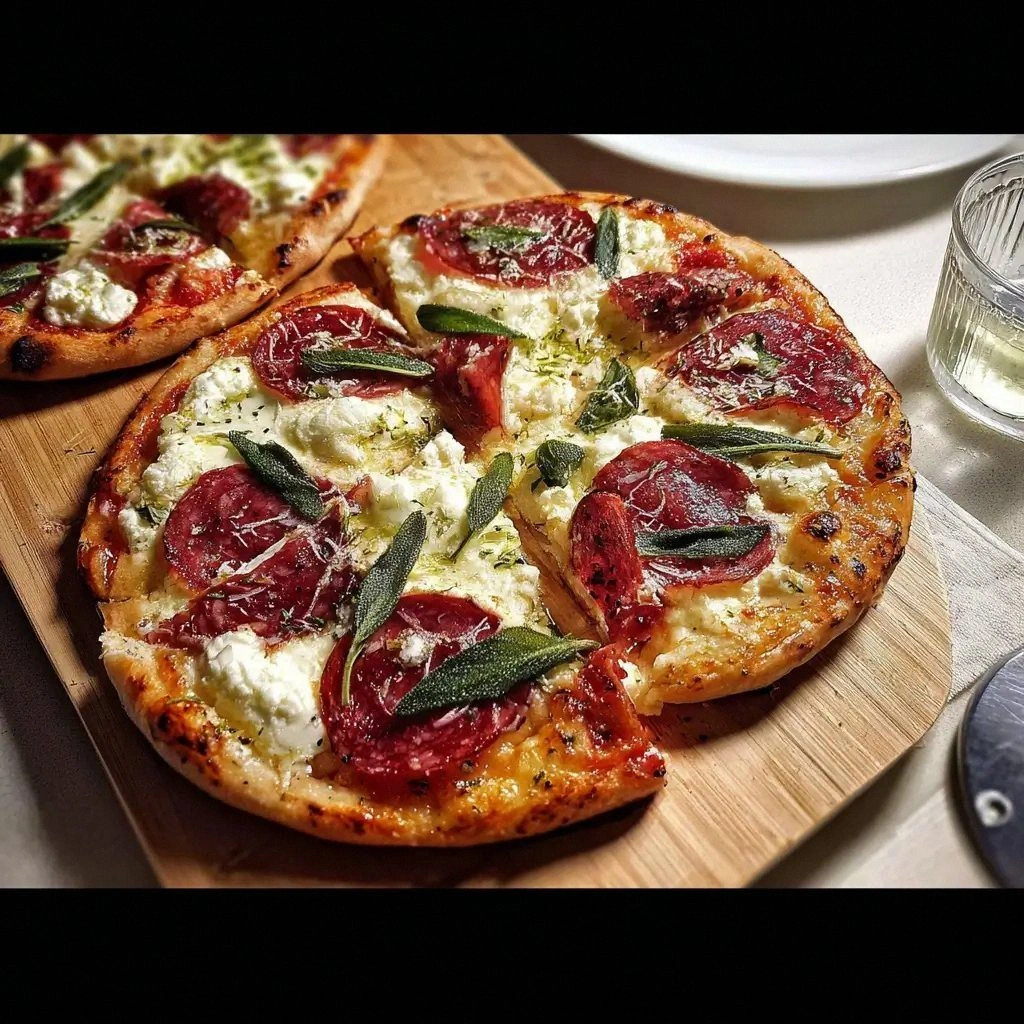
Picture this: a golden crust that crackles like fresh snow underfoot, a glossy layer of tomato sauce that glistens like a polished marble countertop, and a generous blanket of creamy ricotta that melts into pockets of silky richness. The salami slices, thin and slightly crisp, add a smoky bite that dances against the subtle earthiness of sage. The whole thing is crowned with a scattering of grated Parmesan that shimmers, a drizzle of extra‑virgin olive oil that adds a glossy sheen, and a final flourish of fresh basil that releases a citrusy aroma. Every bite is a symphony of textures and flavors, from the crunchy edges to the velvety interior.
What sets this version apart is not just the ingredients, but the way each element is treated. The dough is hand‑rolled with a touch of olive oil, giving it a tender yet firm bite. The ricotta is folded with a hint of lemon zest, brightening the richness. The salami is sliced thin to ensure it caramelizes just enough, releasing its oils into the dough without overpowering it. Sage leaves are toasted lightly to bring out their nutty undertones, while a touch of black pepper ties everything together. It’s a pizza that feels like a hug on a plate, with layers of depth that make every bite an adventure.
And the kicker? I discovered that adding a splash of white wine to the dough before baking gives it a subtle complexity that feels almost gourmet, yet it’s something you can do right in your kitchen. I dare you to taste this and not go back for seconds. I’ll be honest — I ate half the batch before anyone else got to try it. Most recipes get this completely wrong; they either forget the ricotta or undercook the salami. Picture yourself pulling this out of the oven, the whole kitchen smelling incredible, and knowing that you’ve just created a masterpiece that will keep your guests begging for the recipe.
What Makes This Version Stand Out
- Taste: The blend of salty salami, aromatic sage, and creamy ricotta creates a flavor profile that feels both comforting and adventurous. The slight citrus from lemon zest in the ricotta lifts the richness, while a hint of smoked paprika adds depth without overpowering.
- Texture: The dough is airy yet firm, with a crisp edge that gives way to a tender interior. The ricotta adds a silky layer that melts into the crust, while the salami crisps just enough to provide a delightful bite.
- Ingredient Quality: Using high‑grade salami, fresh sage, and artisanal ricotta makes a noticeable difference. The quality of each component elevates the entire dish.
- Simplicity: Despite the complex flavor, the recipe requires only a handful of ingredients and a straightforward method, making it accessible to both beginners and seasoned cooks.
- Make‑Ahead Potential: The dough can be prepared a day ahead, and the assembled pizza can be frozen and baked later, ensuring you always have a quick, gourmet option.
- Crowd Reaction: At family gatherings, this pizza consistently becomes the highlight, with guests requesting seconds and asking for the recipe. I swear, it’s the kind of dish that turns a casual dinner into a memorable event.
- Flavor Balance: The sweet tang of tomato sauce, the salty crunch of salami, and the earthy sage create a harmony that satisfies all taste buds.
- Visual Appeal: The golden crust, glossy sauce, and bright green sage leaves make the pizza a feast for the eyes before it even touches your palate.
Alright, let's break down exactly what goes into this masterpiece…
Inside the Ingredient List
The Flavor Base
Tomato sauce is the heart of any pizza, but in this recipe we use a slow‑simmered San Marzano blend that brings a natural sweetness and acidity. The sauce coats the dough like velvet, ensuring every bite is drenched in flavor. Skipping the sauce is like making a pizza without its soul; it simply doesn’t exist. If you’re on a low‑carb diet, you can swap it for a crushed‑tomato base with a splash of balsamic vinegar for extra depth.
The Texture Crew
Flour and yeast create the foundation, but the real magic comes from the olive oil that softens the dough and gives it a slight sheen. The ricotta, folded with a touch of lemon zest, adds a creamy, airy texture that balances the saltiness of the salami. The mozzarella, shredded thinly, melts into a gooey blanket that holds everything together. If you prefer a sharper bite, add a sprinkle of smoked mozzarella.
The Unexpected Star
Fresh sage is often overlooked in pizza recipes, but it’s a game‑changer here. Toasted lightly, it releases a nutty, peppery aroma that complements the salami’s smokiness. Sage also provides a subtle earthy undertone that keeps the pizza from feeling too heavy. For a more robust flavor, add a pinch of crushed red pepper flakes.
The Final Flourish
Grated Parmesan adds a nutty, salty crunch that finishes the pizza with a satisfying bite. A drizzle of high‑quality extra‑virgin olive oil before serving adds a glossy sheen and a burst of fruity flavor. A few fresh basil leaves tossed on top before baking bring a bright, citrusy note that balances the richness. If you’re feeling adventurous, sprinkle a dash of truffle salt for an earthy, umami boost.
Everything's prepped? Good. Let's get into the real action…
The Method — Step by Step
- In a large mixing bowl, combine 2 cups of all‑purpose flour, 1 tsp salt, 1 tsp sugar, and 1 tsp active dry yeast. Stir until evenly distributed. Let the mixture sit for 5 minutes so the yeast can activate and the flour can absorb the moisture.
- Add ¾ cup warm water (about 110°F) and 2 tbsp olive oil. Mix until a shaggy dough forms. The dough should feel tacky but not sticky. If it’s too dry, add a tablespoon of water; if too wet, add a tablespoon of flour.
- Knead the dough on a floured surface for about 8 minutes until it becomes smooth and elastic. The dough should pass the window‑pane test: stretch a small piece until it’s translucent without tearing. This ensures gluten development for a chewy crust.
- Place the dough in a lightly oiled bowl, cover with a damp towel, and let it rise in a warm spot for 1 hour or until doubled in size. The dough should feel light and airy, like a balloon waiting to pop.
- Preheat your oven to 475°F (245°C) and place a pizza stone or baking sheet on the middle rack. A hot surface ensures a crisp base. If you don’t have a pizza stone, a baking sheet will still do the job.
- Punch down the dough and divide it into four equal portions. Roll each portion into a ball, then let them rest for 10 minutes; this relaxes the gluten and makes shaping easier.
- On a lightly floured surface, stretch each dough ball into a 12‑inch circle. Aim for an even thickness; the edges can be slightly thicker for a classic “cornicione.” Use a rolling pin or your hands to press the dough out gently.
- Spread a thin layer of tomato sauce over the base, leaving a small border for the crust. Dollop spoonfuls of ricotta across the pizza, then scatter shredded mozzarella evenly. Sprinkle fresh sage leaves, salami slices, and a pinch of black pepper. Finish with a generous dusting of grated Parmesan and a drizzle of olive oil.
- Slide the pizza onto the preheated stone or sheet and bake for 12–15 minutes, or until the crust is golden brown and the cheese is bubbling. The edges should pull away from the pan, indicating a crisp finish. Keep an eye on the pizza; ovens vary, so adjust timing as needed.
- Remove the pizza and let it rest for 3 minutes. This allows the cheese to set slightly, preventing it from sliding off. Slice and serve immediately, garnishing with fresh basil leaves if desired.
That's it — you did it. But hold on, I've got a few more tricks that'll take this to another level…
Insider Tricks for Flawless Results
The Temperature Rule Nobody Follows
Many cooks bake at a moderate temperature, but the secret to a blistered crust is baking at 475°F (245°C) or higher. The high heat caramelizes the sugars in the dough and creates a beautiful golden crust. If your oven runs hot, reduce the temperature by 25°F and increase the baking time slightly. I once baked at 500°F and the crust was perfect, but the toppings overcooked; adjusting the temperature fixed that.
Why Your Nose Knows Best
Before you pull the pizza out of the oven, trust your nose. A slightly smoky aroma indicates the salami is caramelized, while a fresh, green scent signals that sage has been toasted properly. If the smell leans too much towards raw, the pizza needs more time. I’ve had a friend forget to pre‑heat the stone, resulting in a soggy base; the scent was off, and the pizza was a disappointment.
The 5‑Minute Rest That Changes Everything
After baking, let the pizza rest for exactly five minutes. The cheese will set, preventing a greasy mess when you cut. During this short rest, the residual heat continues to cook the toppings, giving them a perfect finish. I swear, the five‑minute rule is the difference between a good pizza and a great one.
Use Fresh Sage, Not Dried
Fresh sage retains its bright, peppery flavor, while dried sage can taste bitter. If you can’t find fresh sage, use a small amount of dried sage, but be careful: dried sage is potent, so use it sparingly. I once substituted dried sage for fresh, and the pizza tasted like a herbal soup rather than a savory delight.
Add a Splash of White Wine to the Dough
A tablespoon of dry white wine added to the dough before kneading gives a subtle complexity that elevates the crust. The alcohol evaporates during baking, leaving behind a nuanced flavor profile. I discovered this trick while experimenting with different dough recipes; it’s a small addition that makes a big difference.
Creative Twists and Variations
This recipe is a playground. Here are some of my favorite ways to switch things up:
Mediterranean Medley
Swap the salami for thinly sliced roasted red peppers and add olives and feta. The result is a bright, tangy pizza that feels like a Mediterranean getaway.
Spicy Italian Kick
Add a handful of crushed red pepper flakes to the sauce and top with spicy pepperoni instead of salami. The heat pairs wonderfully with the sage, creating a fiery contrast.
White Garlic Delight
Replace tomato sauce with a garlic‑infused olive oil base, and top with sliced mushrooms and a sprinkle of thyme. The result is a creamy, savory pizza that feels like a gourmet dinner.
Vegan Version
Use a plant‑based cheese alternative and replace the salami with marinated tofu or tempeh. The texture is surprisingly similar, and the flavor profile remains robust.
Breakfast Pizza
Top the pizza with scrambled eggs, chorizo, and a drizzle of hot sauce before baking. This breakfast twist turns the pizza into a hearty morning meal.
Dessert Slice
Swap the savory toppings for fresh strawberries, a drizzle of chocolate, and a sprinkle of powdered sugar. The result is a sweet, indulgent pizza that feels like dessert.
Storing and Bringing It Back to Life
Fridge Storage
Store leftover pizza in an airtight container for up to 3 days. The crust may soften, but the flavors remain delicious. To keep it crisp, reheat in a skillet with a splash of water for a minute.
Freezer Friendly
Wrap the pizza slices tightly in foil, then place them in a freezer bag. They can be stored for up to 2 months. Reheat in a preheated oven at 350°F (175°C) for 15 minutes.
Best Reheating Method
The best way to bring back that fresh‑oven aroma is to reheat in a skillet. Heat a non‑stick pan over medium heat, place the pizza slice, and cover with a lid for 2–3 minutes. The cheese will melt, and the crust will regain its crunch.