Picture this: you’re standing in a cramped kitchen, the timer on your phone blaring, and a jar of store‑bought sauce looking like a sad, wilted tomato salad. I had just discovered that the only way to rescue the evening was to whip up a fresh sauce from scratch. The moment the first splash of olive oil hit the pan, the aroma of garlic and basil swirled around me, turning the kitchen into a fragrant playground. I was about to become the hero of dinner, and the stakes were higher than a plate of spaghetti. If you’ve ever felt the dread of a bland pasta night, you’re about to taste something that will change your cooking forever.
That first sizzle is the soundtrack of a kitchen triumph – the golden bubbles popping like tiny fireworks. The tomatoes, crushed with a gentle press, release a deep, ruby color that promises richness. I added a pinch of sugar to balance acidity, and the sauce began to thicken into a silky, velvet coat for the noodles. Every time I stirred, the scent of fresh basil unfurled, making the air feel like a summer garden. By the time the pasta was al dente, the sauce had settled into a glossy, fragrant hug around every strand.
I’m not here to brag – but this version is hands down the best you’ll ever make at home. The sauce is so simple it could be a secret recipe, yet it delivers a depth that most canned blends can’t touch. The balance of sweet, heat, and herbaceous brightness feels like a well‑written poem, each line a burst of flavor. And the best part? It takes less than an hour, which means you can enjoy a gourmet meal without the wait. This is the kind of dish that makes you wonder why you ever settled for anything else.
Now, I’m going to walk you through every single step, from the first chop to the final sprinkle of cheese. By the end, you’ll be able to recreate this sauce with confidence, and your friends will be begging for a second helping. I dare you to taste this and not go back for seconds. If you’re ready for the game‑changer, let’s dive in.
What Makes This Version Stand Out
- Flavor Depth: The sauce is built on San Marzano tomatoes, a sweet, low‑acid variety that forms the perfect base for any Italian sauce. The natural sweetness cuts through the acidity, creating a balanced profile that satisfies the palate. The tomatoes are crushed with a gentle press, releasing their juices while retaining a pleasant texture. Skipping this step would leave the sauce flat and uninspired, lacking that signature Italian richness.
- Texture Harmony: A splash of tomato paste gives body without heaviness, while a pinch of sugar smooths the acidity into a silky finish. The paste thickens the sauce, allowing it to cling to the noodles like a velvet glove. Without it, the sauce would be watery, making it difficult to coat every strand evenly. The sugar acts as a subtle counterpoint, preventing the tomatoes from tasting overly tart.
- Heat Precision: Crushed red pepper flakes are added early so the heat infuses the sauce, but you can control the level by adjusting the amount. The pepper’s heat is mellowed by the tomatoes, creating a gentle warmth rather than a scorching bite. Too much, and the sauce becomes a fiery mess; too little, and it feels bland. This balance turns a simple pasta into a memorable experience.
- Herb Freshness: Fresh basil is folded in at the end to preserve its bright green color and aromatic oils, giving the dish a lively finish. The basil’s essential oils evaporate quickly, so adding it last locks in the flavor and color. If you add basil too early, the heat will cause it to wilt and lose its punch. The result is a sauce that smells as good as it tastes.
- Simplicity Wins: No pre‑made stocks or fancy aromatics are required – just pantry staples and a few minutes of attention. The recipe is a testament to the idea that great food doesn’t need complex ingredients. A few simple steps produce a sauce that would make any Italian chef jealous. This simplicity makes it accessible to beginners and seasoned cooks alike.
- Crowd‑Pleaser Factor: The sauce is versatile enough to pair with meatballs, grilled chicken, or a simple sautéed shrimp, making it a go‑to for any gathering. Its neutral yet flavorful profile invites creative additions without overpowering other components. This flexibility ensures that the dish stays fresh and exciting week after week. You’ll find yourself reaching for this sauce in a hurry, knowing it will always deliver.
- Make‑Ahead Potential: The sauce keeps well in the fridge for up to 4 days or can be frozen for up to 3 months, so you can cook in bulk and save time later. Freezing preserves the flavor, and reheating is effortless. This feature turns a quick dinner into a long‑term solution for busy schedules. A little prep now, a lot of comfort later.
Inside the Ingredient List
The Flavor Base
The foundation of the sauce is simple yet powerful: olive oil, garlic, crushed red pepper flakes, San Marzano tomatoes, and tomato paste. Olive oil not only adds richness but also helps release the aromatic compounds from the garlic and pepper. The tomatoes provide the body and sweetness, while the paste thickens the mixture into a silky consistency. If you skip any of these, the sauce loses its depth and becomes a flat, one‑dimensional experience.
The Texture Crew
Texture is everything in a sauce that clings to pasta. The spaghetti itself is a crucial component, offering the ideal bite and surface area for sauce adherence. Grated Parmesan cheese adds a creamy, slightly nutty flavor that coats the noodles and gives a satisfying finish. A pinch of sugar balances the acidity of the tomatoes, smoothing the overall mouthfeel. Without these, the sauce would feel either too thin or too cloying.
The Unexpected Star
Fresh basil is the unsung hero that elevates the entire dish. Its bright, herbal aroma cuts through the richness of the tomatoes and brings a lively freshness to the plate. Basil’s essential oils are volatile, so adding them at the end preserves their delicate flavor and vibrant green color. If you use dried basil, the dish will still taste good, but it will lack that fresh, aromatic punch that makes this sauce unforgettable.
The Final Flourish
Seasoning is the final touch that brings all elements together. Salt enhances every component, making the flavors pop, while freshly ground black pepper adds a subtle heat that balances the sweetness. These seasonings are added toward the end of cooking to maintain their sharpness. Skipping them will leave the sauce bland and unremarkable, even if all other ingredients are perfect.
Everything's prepped? Good. Let's get into the real action and watch the sauce come alive.
The Method — Step by Step
- Bring a large pot of salted water to a rolling boil, then add 12 oz of spaghetti. Let the pasta cook for 8-10 minutes until al dente, stirring occasionally to prevent sticking. While the pasta is cooking, set a ladle of pasta water aside to adjust sauce consistency later. This small reserve will be your secret weapon for a silky finish. Drain the pasta when it’s ready, reserving a cup of the starchy water for later.
- Heat 2 tbsp of olive oil in a deep skillet over medium heat. Add 4 minced garlic cloves and sauté until fragrant, about 30 seconds. The garlic should turn a light golden color but not brown; if it starts to brown, lower the heat immediately. This quick sauté releases the garlic’s essential oils, forming the aromatic base of the sauce. The aroma should fill the kitchen, signaling that the flavor foundation is solid.
- Add 0.5 tsp of crushed red pepper flakes to the skillet and stir for another 30 seconds. The pepper’s heat will infuse the oil, creating a subtle warmth that permeates the sauce. Use a silicone spatula to keep the garlic from sticking and burning; it’s gentle on the pan and easy to clean. This step is where the sauce starts to develop depth without becoming overwhelming. Keep the heat steady to avoid scorching.
- Pour in 28 oz of crushed San Marzano tomatoes and stir to combine. Bring the mixture to a gentle simmer, allowing the flavors to meld. Reduce the heat to low and let the sauce simmer for 20 minutes, uncovered, to reduce and thicken. The sauce should develop a rich, glossy appearance and the edges will start pulling away from the pan. If the sauce starts to bubble over, lower the heat immediately to avoid splattering.
- Stir in 2 tbsp of tomato paste and 0.25 tsp of sugar. Cook for an additional 5 minutes, allowing the paste to caramelize slightly and the sugar to dissolve. The sauce will deepen in color and develop a richer, sweeter undertone. Use a whisk to incorporate the paste evenly, preventing lumps. This step is crucial for achieving the velvety texture that coats the noodles.
- Fold in 1 cup of chopped fresh basil, then season with 1 tsp of salt and 0.5 tsp of black pepper. Simmer the sauce for another 5 minutes to let the basil release its oils. The basil should remain bright green and aromatic; if it turns brown, remove the sauce from heat immediately. This final simmer blends all the flavors together, creating a harmonious sauce. The aroma at this point should be irresistible.
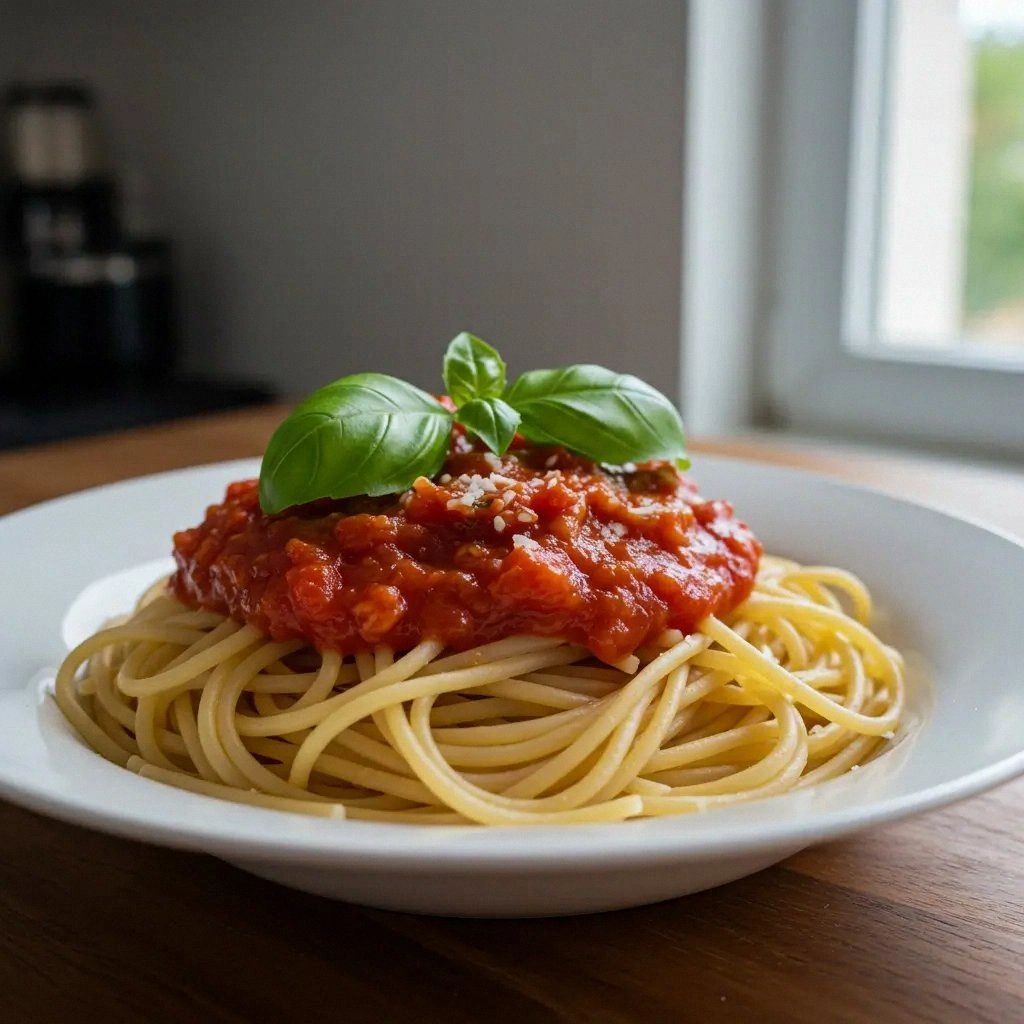
- Add the drained spaghetti to the skillet, tossing to coat the noodles evenly. If the sauce seems thick, add a splash of the reserved pasta water to loosen it. Toss until the pasta is glossy and the sauce clings to each strand. The sauce should coat the noodles like velvet, with a hint of heat and herbaceous freshness. Plate immediately for the best experience.
- Finish with a generous sprinkle of 1 cup grated Parmesan cheese. The cheese melts slightly, adding creaminess and a savory finish. The final touch is a swirl of basil leaves for visual appeal and a burst of aroma. Serve hot, and watch your guests reach for seconds. This dish is so good, you’ll be tempted to keep adding more sauce.
That’s it—you did it. But hold on, I’ve got a few more tricks that will elevate this dish from great to legendary. Let’s dive into the insider tips that will make you the master of pasta.
Insider Tricks for Flawless Results
The Temperature Rule Nobody Follows
Many cooks over‑cook their sauce, thinking heat is the key. In reality, a gentle simmer preserves the delicate flavors of the tomatoes and basil. Keep the heat low once the sauce starts to bubble; a rolling boil will scorch the sugars and create a bitter taste. Use a thermometer if you’re uncertain—aim for 180°F. This small adjustment transforms the sauce into a silky, balanced masterpiece.
Why Your Nose Knows Best
Your sense of smell is the ultimate judge of readiness. When the sauce smells caramelized, with a hint of garlic and basil, it’s at its peak. If it still has a raw tomato scent, give it a few more minutes. The aroma is your cue—listen to it, and you’ll never over‑ or under‑cook. A well‑smelled sauce always tastes better.
The 5‑Minute Rest That Changes Everything
After removing the sauce from heat, let it rest for five minutes before serving. This pause allows the flavors to settle and the sauce to thicken slightly, creating a richer mouthfeel. The pasta water will also re‑distribute, ensuring the noodles stay moist. A rested sauce feels more cohesive, and the basil’s aroma becomes more pronounced. This simple step is often overlooked but makes a noticeable difference.
Pasta‑Water Magic
The starchy pasta water you reserve is a secret weapon. It helps bind the sauce to the noodles, preventing a dry finish. Add it gradually, tasting as you go, until the sauce reaches your desired consistency. This technique also helps the sauce cling to the pasta’s crevices, delivering flavor in every bite. Remember, a splash of water can rescue an over‑thick sauce.
Cheese‑Timing Trick
Adding Parmesan at the very end keeps its texture from turning rubbery. Stir the cheese into the hot sauce just before plating, letting it melt into a silky coating. If you add it too early, the cheese will lose its bright flavor and become clumpy. A quick swirl of fresh basil before serving completes the dish with a burst of color and aroma. This final flourish is the hallmark of a professional‑grade pasta.
These tricks may seem small, but they’re the difference between a good sauce and an unforgettable one. Keep them in mind, and your pasta will always be a crowd‑pleaser.
Creative Twists and Variations
Meatball Marvel
Add homemade meatballs to the sauce in the last 10 minutes of simmering. The meatballs absorb the tomato flavors while adding a hearty, meaty component. Season the meatballs with salt, pepper, and a pinch of dried oregano for extra depth. This version transforms the dish into a comforting family dinner.
Seafood Splash
Swap the spaghetti for linguine and sauté shrimp in garlic and olive oil before adding the sauce. The shrimp’s delicate sweetness pairs beautifully with the tomato’s acidity. Cook the shrimp just until pink to avoid rubbery texture. The result is a light, elegant meal that’s perfect for a date night.
Vegan Version
Omit the Parmesan and add nutritional yeast for a cheesy flavor. Use a plant‑based milk or cream if you want a creamier sauce. This version maintains the sauce’s richness while keeping it cruelty‑free. It’s a great option for guests who prefer plant‑based meals.
Creamy Twist
Stir in a splash of heavy cream or coconut milk at the end to create a luscious, velvety sauce. The cream softens the acidity and adds a silky texture. Be careful not to over‑cream; a tablespoon or two is enough. This variation elevates the dish to a gourmet level.
Pepper‑Infused
Add roasted red peppers for a sweet, smoky flavor. Slice the peppers thin and sauté them with the garlic for a minute before adding the tomatoes. The peppers contribute color and a subtle heat that complements the red pepper flakes. This twist adds depth and complexity.
Mediterranean Flair
Incorporate olives and capers for a briny, savory kick. Add the olives halfway through simmering to allow their flavor to infuse the sauce. The capers add a bright, citrusy note that balances the sweetness. This version is a nod to classic Mediterranean cuisine.
These variations keep the core of the sauce intact while letting you tailor the dish to your mood or dietary needs. Experiment and discover your personal favorite.
Storing and Bringing It Back to Life
Fridge Storage
Store the sauce in an airtight container in the refrigerator for up to 4 days. The sauce’s acidity and oil content help preserve it. When you’re ready to eat, give it a quick stir to re‑integrate the ingredients. The sauce will still taste fresh and vibrant after refrigeration.
Freezer Friendly
Divide the sauce into 1‑cup portions and freeze in a freezer‑safe bag. The sauce keeps well for up to 3 months without losing flavor. Thaw overnight in the refrigerator or use the defrost setting on your microwave. Once thawed, reheat gently over low heat, adding a splash of pasta water if needed.
Best Reheating Method
Reheat the sauce over low heat, stirring frequently. Add a tiny splash of water or broth to restore moisture. Finish with a handful of fresh basil for a burst of aroma. Reheating at low temperature preserves the sauce’s texture and flavor. Serve immediately for the best experience.