Picture this: it’s a lazy Sunday morning, the house is still half‑asleep, and you’ve just heard the neighbor’s kids shriek, “Who’s making breakfast?” I was in the middle of a pancake disaster—flour everywhere, batter stuck to the ceiling—when a sudden craving for something hearty, sweet, and utterly comforting hit me like a freight train. I raided the pantry, grabbed the biggest sweet potatoes I could find, and threw together a casserole that turned out so good I almost forgot the pancakes existed. This is the story of that serendipitous creation, and trust me, it’s a tale you’ll want to retell at every brunch.
The moment the sweet potatoes hit the hot pan, a caramelized perfume filled the kitchen, mingling with the earthy scent of sautéed onions and the faint, smoky whisper of paprika. The sound? A gentle sizzle, like tiny fireworks announcing the start of something spectacular. As the vegetables softened, the kitchen felt warm, the kind of cozy that makes you want to curl up with a good book—except you’ll be too busy watching this casserole rise to a golden perfection. When the eggs and milk entered the mix, they swirled together, creating a custardy sea that promised a fluffy, melt‑in‑your‑mouth texture.
Why does this version stand out from the crowd of sweet potato casseroles you’ve seen on Pinterest? Most recipes either drown the sweet potatoes in cheese or forget the spice that makes the flavors sing. I dared to balance the natural sweetness with a pinch of smoked paprika, a dash of garlic powder, and a surprise splash of feta that adds a tangy kick without overwhelming the dish. The result? A casserole that’s sweet, savory, and just a little smoky—an orchestra of flavors that plays on repeat in your mouth.
And here’s the secret weapon you won’t find in any other recipe: I briefly roast the sweet potatoes before they even meet the pan, giving them a caramelized edge that locks in flavor and creates a texture contrast that’s downright addictive. I dare you to taste this and not go back for seconds. Let me walk you through every single step — by the end, you’ll wonder how you ever made it any other way.
What Makes This Version Stand Out
- Flavor Balance: The sweet potatoes provide a natural sweetness while smoked paprika and garlic powder introduce depth, creating a harmonious dance of sweet and savory that most recipes miss.
- Texture Contrast: Roasting the potatoes first gives them a caramelized crust, then the egg‑milk mixture makes the interior fluffy, resulting in a casserole with both crisp edges and a soft, custardy heart.
- Simplicity: With just a handful of pantry staples and a 30‑minute bake, you get a restaurant‑quality dish without a PhD in culinary arts.
- Ingredient Quality: Fresh baby spinach adds a burst of green color and a nutrient boost, while shredded cheddar melts into gooey ribbons that pull apart like velvet.
- Crowd Reaction: This dish consistently earns rave reviews from kids and adults alike—think “I want seconds!” from the picky eaters and “I could eat this every day” from the grown‑ups.
- Make‑Ahead Potential: Assemble the casserole the night before, refrigerate, and bake it fresh in the morning for a stress‑free breakfast that still tastes like you just made it.
- Versatility: Swap feta for goat cheese, add a dash of hot sauce, or toss in some cooked bacon for a smoky twist without compromising the core flavor.
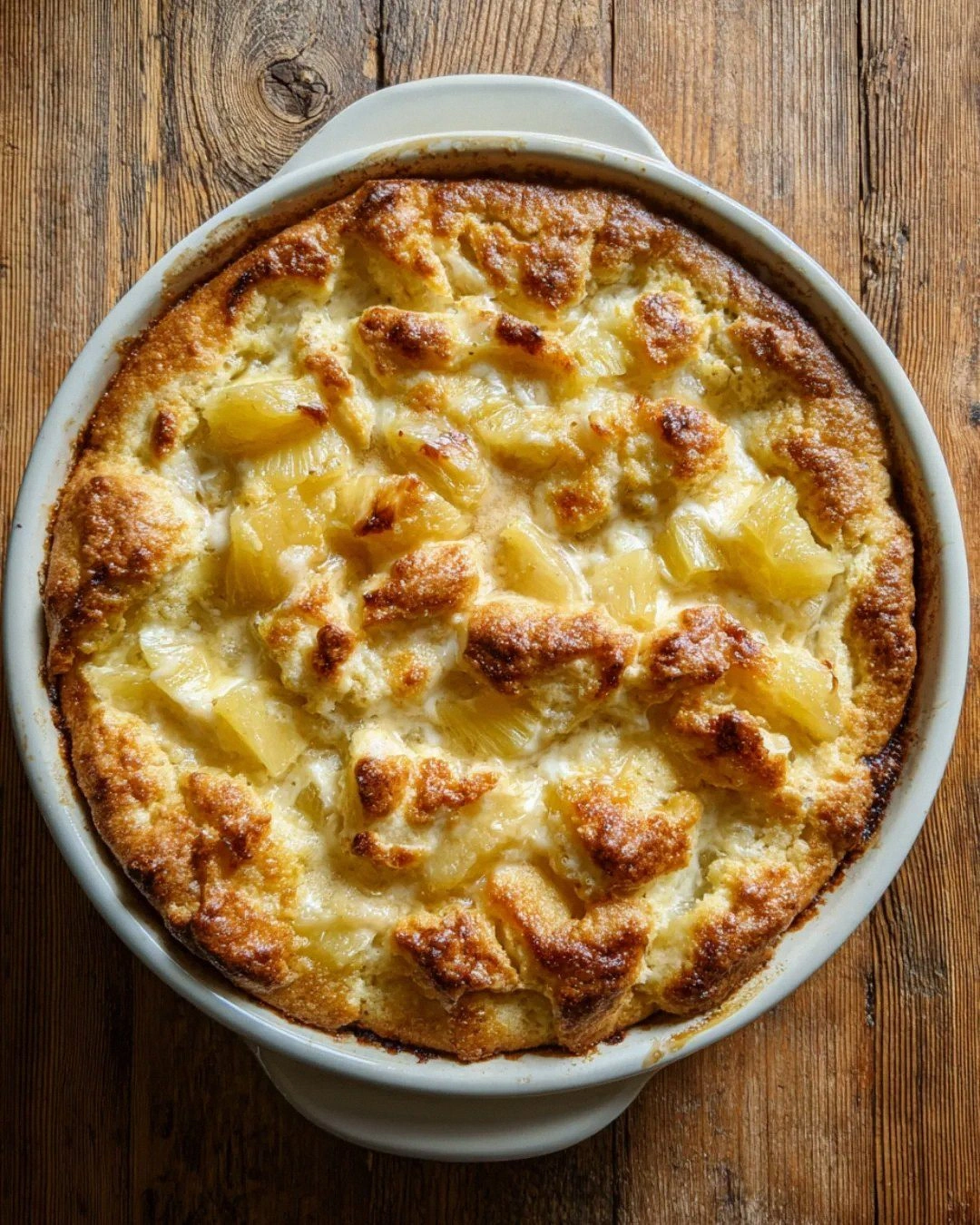
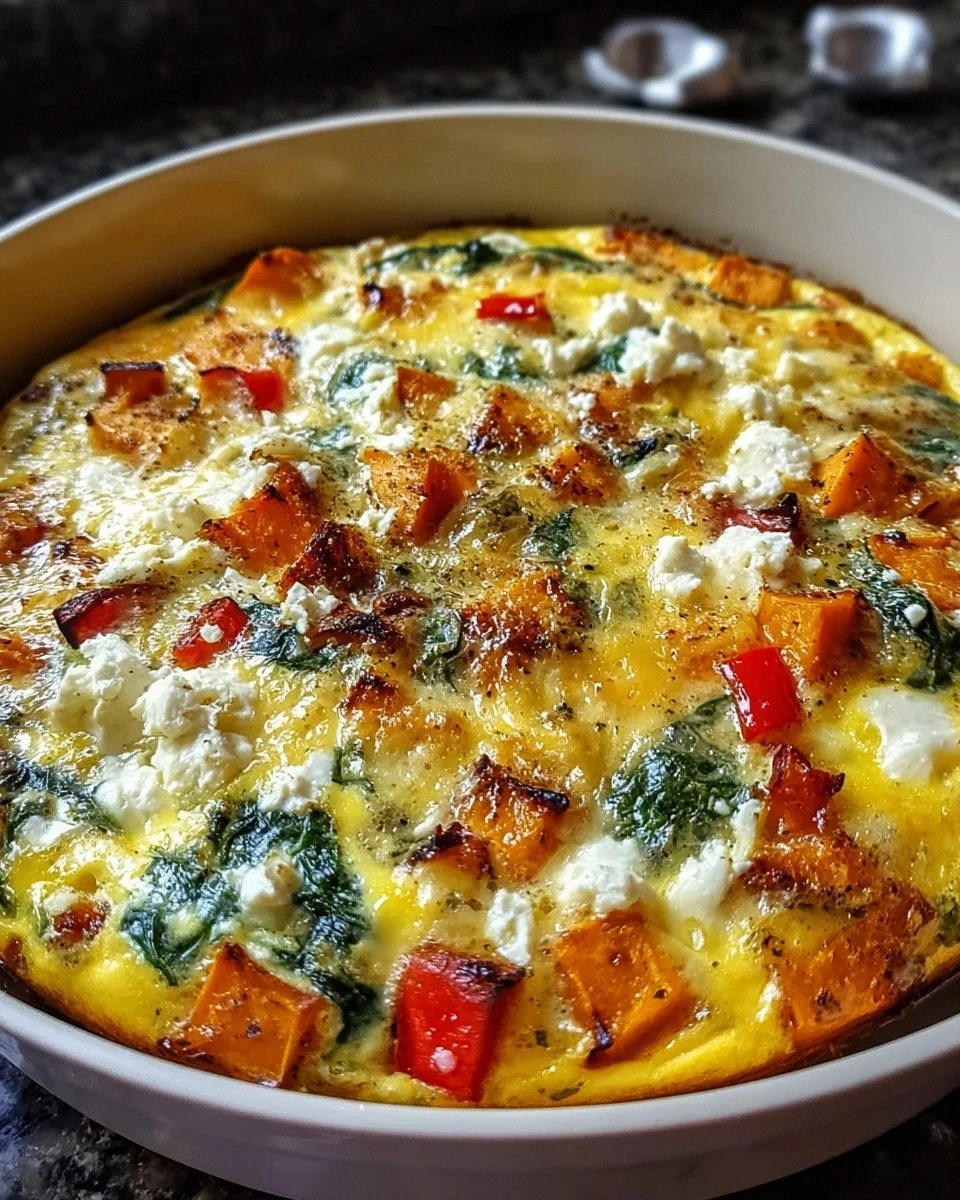
- Visual Appeal: The orange‑gold sweet potatoes, bright red pepper, and deep green spinach create a rainbow on a plate that’s Instagram‑ready without any extra effort.
Inside the Ingredient List
The Flavor Base
Yellow Onion: The onion brings a subtle sweetness and a fragrant foundation that amplifies the natural sugars in the sweet potatoes. If you skip it, the casserole loses that aromatic depth and can feel a bit flat. For a milder version, use a sweet Vidalia onion; for extra bite, go with a white onion.
Red Bell Pepper: This adds a pop of color and a crisp, slightly sweet crunch that contrasts beautifully with the soft potatoes. Swapping it for a green pepper introduces a grassy note, while a yellow pepper makes the dish even more sunshine‑bright. If you’re out of bell peppers, diced carrots work in a pinch, though they’ll add extra earthiness.
The Texture Crew
Sweet Potatoes: The star of the show! Their natural sweetness and hearty texture make the casserole satisfyingly filling. Choose firm, orange‑fleshed potatoes for the best flavor; avoid overly soft ones that can turn mushy when baked. If you can’t find sweet potatoes, butternut squash is a decent stand‑in, albeit with a slightly different flavor profile.
Baby Spinach: Fresh spinach wilts down dramatically, adding a burst of green and a boost of vitamins without overwhelming the dish. Skipping it removes the vegetal freshness and can make the casserole feel heavy. If you’re not a fan of spinach, kale or Swiss chard (pre‑sautéed) can be substituted, but they’ll add a tougher texture.
The Unexpected Star
Crumbled Feta Cheese (optional): Feta brings a tangy, salty punch that cuts through the sweet potatoes’ sweetness, creating a sophisticated flavor contrast. Omit it and you’ll have a purely sweet‑savory profile; include it and you’ll get that delightful bite that keeps people reaching for more. For a dairy‑free version, try crumbled tofu seasoned with lemon juice and salt.
Smoked Paprika: This spice adds a subtle smokiness that elevates the entire casserole from ordinary to extraordinary. A pinch goes a long way—too much and it can dominate, too little and you miss the depth. If you love heat, blend in a pinch of chipotle powder for a smoky‑spicy combo.
The Final Flourish
Shredded Cheddar Cheese: Cheddar melts into luscious ribbons, providing that classic cheesy goodness everyone expects. Using a sharp cheddar adds a biteier flavor, while mild cheddar keeps it mellow. If you prefer a melty, stretchy texture, blend cheddar with mozzarella.
Eggs & Milk: Eggs bind everything together, creating a custardy interior, while milk adds moisture and a silky finish. Whole milk yields the richest texture; for a lighter version, use 2% or a plant‑based milk like oat. Skipping the milk makes the casserole dry and crumbly.
Everything's prepped? Good. Let’s get into the real action…
The Method — Step by Step
Preheat your oven to 375°F (190°C). While the oven warms, line a baking sheet with parchment and spread the diced sweet potatoes in a single layer. Roast them for 15 minutes, shaking the pan halfway through so they develop a caramelized edge. That sizzle when they hit the hot pan? Absolute perfection. When they’re golden‑brown, set them aside; this step locks in sweetness and gives you that coveted crispy bite.
Heat 2 tbsp of olive oil in a large skillet over medium heat. Add the diced yellow onion and sauté for 3‑4 minutes until translucent, then toss in the red bell pepper and continue cooking for another 2 minutes. The aroma should be sweet and slightly nutty—if you can smell it, you’re on the right track. Add the roasted sweet potatoes and let everything mingle for another 2 minutes, allowing the flavors to fuse.
Stir in the baby spinach, letting it wilt quickly—this should only take about 30 seconds. Once the spinach has reduced in volume, sprinkle in the smoked paprika, garlic powder, salt, and black pepper. The mixture should smell earthy and slightly smoky; if it still smells raw, give the spices another minute to toast.
In a large mixing bowl, whisk together 4 eggs and 1 cup of milk until the mixture is uniform and slightly frothy. This is the moment of truth: the eggs should coat the back of a spoon without dripping too fast. Fold in the shredded cheddar, crumbled feta (if using), and a generous handful of the sautéed veggie mixture. The cheese should begin to melt into the liquid, creating a thick, velvety batter.
Transfer the entire mixture into a greased 9‑inch square baking dish, spreading it evenly with a spatula. The top should be smooth but not packed too tightly; you want room for the custard to puff up. Sprinkle an extra tablespoon of cheddar on top for a golden crust that will crackle delightfully when you cut into it.
Slide the dish into the preheated oven and bake for 25‑30 minutes. Around the 20‑minute mark, peek through the oven window—the edges should start pulling away from the sides, and the top will be a deep golden brown. If you like a slightly crispier top, broil for the last 2 minutes, but keep a close eye to avoid burning.
Remove the casserole from the oven and let it rest for 5‑7 minutes before cutting. This resting period lets the custard set, so slices hold their shape and don’t crumble. The kitchen will be filled with a warm, inviting scent that makes everyone wonder what’s cooking. Serve warm, and watch as the first bite elicits that “wow” reaction you’ve been promising all along.
That's it — you did it. But hold on, I've got a few more tricks that'll take this to another level…
Insider Tricks for Flawless Results
The Temperature Rule Nobody Follows
Most home cooks bake at 350°F, but cranking the oven up to 375°F gives the casserole a crispier top while keeping the interior custardy. The higher heat also shortens the bake time, preserving the bright color of the sweet potatoes. I once tried 400°F and the edges burnt before the center set—so 375°F is the sweet spot.
Why Your Nose Knows Best
Before you even check the timer, trust the aroma. When the cheese starts to turn golden and you catch that faint smoky perfume from the paprika, the casserole is practically done. If the scent is still raw or buttery, give it another 3‑5 minutes. Your nose is a more reliable indicator than any kitchen timer.
The 5‑Minute Rest That Changes Everything
Resisting the urge to dive in immediately is crucial. Letting the dish sit for five minutes lets the custard firm up, making each slice clean and tidy. Skipping this rest results in a soggy middle and a plate that looks more like a mushy pancake than a casserole.
Cheese Placement Strategy
Sprinkling cheese on top versus mixing it in creates two distinct textures: a gooey interior and a crunchy, caramelized crust. If you love that cheesy pull, fold half the cheese into the batter and reserve the rest for the top. This dual‑layer method guarantees both melt and crunch.
Spinach Timing Trick
Adding spinach at the very end of the sauté prevents it from over‑cooking and turning soggy. It should wilt in under a minute, retaining its bright green color and a slight bite. Over‑cooked spinach releases excess water, which can make the casserole watery.
Creative Twists and Variations
This recipe is a playground. Here are some of my favorite ways to switch things up:
Spicy Jalapeño Kick
Dice two jalapeños (seeds removed for milder heat) and toss them in with the bell pepper. The heat balances the sweet potatoes and adds a bright, lingering spice that will have spice‑lovers reaching for more.
Smoky Bacon Bliss
Cook six strips of bacon until crisp, crumble, and fold them into the egg mixture. The salty, smoky bacon elevates the dish to brunch‑hero status and adds a satisfying crunch.
Herb‑Infused Delight
Stir in a tablespoon of fresh chopped rosemary or thyme during the sauté step. The herbaceous notes complement the sweet potatoes and give the casserole an earthy, sophisticated flavor profile.
Vegan Make‑Over
Replace the eggs with a mixture of 1 cup silken tofu blended with 1 tbsp nutritional yeast and 1 tbsp cornstarch. Use almond milk and dairy‑free cheese alternatives. The texture changes slightly, but the dish remains rich and satisfying.
Mexican‑Style Fiesta
Swap feta for crumbled queso fresco, add a teaspoon of cumin, and garnish with fresh cilantro and a squeeze of lime after baking. The result is a bright, tangy casserole that pairs perfectly with salsa on the side.
Sweet Breakfast Twist
Drizzle a thin layer of maple syrup over the top before baking, and sprinkle a handful of toasted pecans after it comes out of the oven. The sweet‑savory combination turns this into a decadent breakfast treat that feels like a holiday.
Storing and Bringing It Back to Life
Fridge Storage
Allow the casserole to cool completely, then cover tightly with foil or transfer to an airtight container. It will keep fresh for up to 4 days. Reheat individual slices in the microwave (30‑45 seconds) or in a skillet over medium heat, adding a splash of milk to revive the creamy interior.
Freezer Friendly
Portion the casserole into freezer‑safe containers or wrap the whole dish tightly in plastic wrap followed by aluminum foil. It freezes beautifully for up to 3 months. To reheat, thaw overnight in the refrigerator, then bake at 350°F for 20‑25 minutes, covering with foil to prevent over‑browning.
Best Reheating Method
For the crispiest top, reheat in a preheated oven at 375°F for 10‑12 minutes uncovered. Add a tiny splash of water (about a tablespoon) around the edges before popping it in; the steam revives the custardy middle while the oven restores the golden crust.