I was halfway through a week of overcooked chicken, burnt toast, and a pantry that smelled like stale coffee when I stumbled across a forgotten box of lemon zest in the back of my fridge. That moment felt like a culinary epiphany: the bright, tart aroma of citrus was a promise of something fresh, something that could lift the dreary mood of a kitchen disaster. I grabbed my trusty mixing bowls and a whisk, and I was ready to test a new recipe that would become the crown jewel of my baking repertoire. The kitchen lights flickered, the timer buzzed, and the scent of butter and sugar began to mingle with the sharp citrus, creating a symphony of anticipation. It was the kind of moment that makes you feel like a magician, and I was about to pull a lemon pound cake out of a hat.
Picture the scene: the countertop gleamed with a glossy sheen of melted butter, the air tinged with the sweet perfume of vanilla, and a gentle hum of the oven preheating to a warm, comforting 350°F. As I sifted the flour, a cloud of fine dust drifted like snowflakes, and the rhythmic sound of the whisk beating against the bowl was almost meditative. The lemon zest, freshly grated, released tiny citrus droplets that sparkled in the kitchen light, promising a bright burst of flavor. My taste buds tingled even before the first bite, as the anticipation of that zesty tang grew louder. The texture of the batter, smooth and slightly glossy, felt like velvet in my hands, each stir a promise of a tender crumb.
This version stands out because it balances the classic richness of a pound cake with a bright, citrusy lift that cuts through the buttery heaviness. I’ve spent years tweaking the ratios until the crumb was both moist and airy, and the lemon flavor was never overpowering but always present. The secret is a carefully calibrated blend of fresh lemon juice and zest, combined with a subtle hint of vanilla that deepens the flavor profile. Most recipes get the balance wrong, either drowning the lemon in butter or leaving it too sharp, but this one achieves a harmonious marriage. The result is a cake that feels like a summer breeze on a hot day, yet warm enough to comfort on a cold evening.
I dare you to taste this and not go back for seconds – that’s a promise I’ve kept for every batch. The first bite is a revelation: a silky, buttery bite that immediately releases a citrus burst that lingers on the palate. I’ll be honest – I ate half the batch before anyone else got to try it, and that’s because I knew I was about to set a new personal record for the most lemon pound cake I could eat in a single sitting. Most recipes get this completely wrong. Here’s what actually works: a precise ratio of butter to flour, a generous amount of lemon zest, and a gentle, slow bake that keeps the crumb moist. Picture yourself pulling this out of the oven, the whole kitchen smelling incredible, and the golden crust cracking like a sunrise.
Okay, ready for the game-changer? This next part? Pure magic. Let me walk you through every single step – by the end, you’ll wonder how you ever made it any other way. The journey from raw ingredients to a slice of heaven is a story of patience, precision, and a pinch of daring. And trust me, the payoff is worth every whisk, every fold, and every moment you spend in the kitchen. So grab your apron, preheat that oven, and let’s dive into the ultimate lemon pound cake recipe.
What Makes This Version Stand Out
- Taste: The lemon flavor is bright yet balanced, thanks to fresh zest and juice that cut through the buttery base without overwhelming it. The subtle vanilla undertone adds depth, creating a complex flavor profile that lingers on the tongue. This is the kind of taste that turns a simple dessert into a memorable experience.
- Texture: The crumb is moist, tender, and slightly airy, achieved by a precise butter-to-flour ratio and gentle folding techniques. The cake doesn’t feel heavy or dense; instead, it feels like a cloud you can bite into. That lightness is the result of careful whisking and the inclusion of a leavening agent that’s just enough to lift the batter.
- Simplicity: All the ingredients you need are pantry staples, and the process is straightforward with no need for fancy equipment. The method is broken down into clear, actionable steps that even a beginner can follow. This simplicity makes it a go-to recipe for any occasion.
- Uniqueness: The combination of lemon zest, juice, and a touch of vanilla creates a flavor profile that sets this cake apart from traditional pound cakes. The subtle use of baking powder ensures a tender crumb without the heaviness of a standard pound cake.
- Crowd Reaction: Guests rave about the bright citrus and the moist texture, often asking for the recipe. The cake’s appearance is also a crowd-pleaser, with a golden crust and a glossy finish that looks as good as it tastes.
- Ingredient Quality: Using fresh lemons and real butter elevates the flavor dramatically compared to pre-packaged mixes. The quality of the ingredients is the cornerstone of this recipe’s success, turning a simple cake into a gourmet treat.
Inside the Ingredient List
The Flavor Base
The foundation of this cake starts with all-purpose flour and a dash of baking powder. The flour provides structure, while the baking powder gives the cake a gentle lift. Together, they create a batter that rises without becoming airy or cakey. If you skip the baking powder, the cake will be denser and less forgiving. The best flour for this recipe is one that’s finely milled, ensuring a smooth batter that’s easy to mix.
For the best flavor, choose a brand of flour with a low protein content. This helps keep the cake tender and prevents it from becoming tough. If you’re in a pinch, you can substitute half the flour with cake flour, but be sure to adjust the amount of butter slightly to compensate for the extra moisture the cake flour absorbs.
The Texture Crew
Butter, sugar, and eggs form the texture crew that makes the cake buttery, moist, and velvety. The butter should be at room temperature so it blends smoothly with the sugar. Creaming the butter and sugar together creates tiny air pockets that give the cake a lightness. The eggs act as binders, holding the structure together while adding richness. If you use cold butter or skip the creaming step, the cake will be uneven and less fluffy.
A tip for beginners: let the eggs sit at room temperature for at least 30 minutes before whisking. This helps them incorporate more easily into the batter, ensuring a consistent texture. If you’re using a stand mixer, use the paddle attachment for the best results; it’s gentle enough to avoid overmixing.
The Unexpected Star
Fresh lemon zest is the unexpected star that elevates this pound cake. The zest contains essential oils that give the lemon a bright, aromatic punch. It’s far more flavorful than lemon juice alone, and it adds a subtle complexity to the batter. If you can’t find fresh lemons, a small amount of lemon extract will work, but it won’t have the same depth.
If you want to intensify the citrus note, you can add a teaspoon of lemon zest to the butter mixture before combining with the dry ingredients. This technique ensures the zest’s oils are fully incorporated, giving each bite a fresh burst of lemon. Don’t skimp on the zest; it’s the secret weapon that sets this cake apart.
The Final Flourish
Fresh lemon juice, vanilla extract, and a pinch of salt round out the flavor profile. The juice adds acidity that balances the sweetness, while vanilla deepens the overall taste. The salt is a flavor enhancer that brings out the lemon’s brightness. Together, they create a harmonious balance that makes each slice memorable.
When adding the lemon juice, pour it slowly while whisking to avoid curdling. If you’re adding vanilla, wait until the batter is nearly finished to preserve its delicate flavor. A small pinch of salt is all you need; too much and you’ll taste the metal. These final touches are the icing on the cake, making it a standout dessert.
Everything's prepped? Good. Let's get into the real action.
The Method — Step by Step
- Preheat your oven to 350°F (175°C). Line a 9x5-inch loaf pan with parchment paper or grease it lightly with butter and dust with flour. This step ensures that the cake will release easily after baking. The parchment paper also gives a neat edge to the loaf. While the oven is preheating, gather all your ingredients to keep the process smooth.
- Whisk the dry ingredients. In a medium bowl, sift together 2 cups of all-purpose flour, 1 teaspoon of baking powder, and a pinch of salt. Sifting removes lumps and aerates the flour, which is essential for a tender crumb. Keep the dry mixture in a separate bowl to avoid accidental mixing with the wet ingredients. The fine texture of the sifted flour helps the batter incorporate smoothly.
- Cream the butter and sugar. In a large mixing bowl, beat 1 cup of softened butter with 1 1/2 cups of granulated sugar until the mixture is light and fluffy. The creaming process traps air, which gives the cake lift and a silky texture. Use a stand mixer on medium speed or a hand mixer on low speed for best results. If you prefer, you can whisk by hand, but be patient.
- Add the eggs one at a time. Crack each egg into a small bowl, then add it to the butter-sugar mixture, beating well after each addition. The eggs act as binders and help the batter rise evenly. Make sure each egg is fully incorporated before adding the next. This step prevents a lumpy batter.
- Fold in the dry ingredients. Gradually add the flour mixture to the wet batter, folding gently until just combined. Overmixing at this stage can lead to a tough cake. The batter should be smooth, but a few streaks of flour are acceptable. Keep the mixing gentle; the goal is to incorporate the flour without deflating the batter.
- Incorporate the citrus. Stir in 1/4 cup of fresh lemon juice, 2 tablespoons of lemon zest, and 1 teaspoon of vanilla extract. The citrus juices add brightness and the zest brings aromatic oils to the batter. Make sure the zest is finely grated to avoid large chunks that could affect the texture. The vanilla deepens the overall flavor, balancing the sharpness of the lemon.
- Pour the batter into the prepared pan. Transfer the batter to the loaf pan, smoothing the top with a spatula. Tap the pan gently on the counter to release any air bubbles. This step ensures an even rise and a uniform crumb. Avoid overfilling the pan to prevent the cake from spilling over the edges.
- Bake until golden. Place the pan in the preheated oven and bake for 50-55 minutes, or until a toothpick inserted in the center comes out clean. The top should be a light golden brown, and the edges should pull away slightly from the pan. Watch the oven closely; every oven behaves differently. If the cake browns too quickly, tent it with foil to prevent burning.
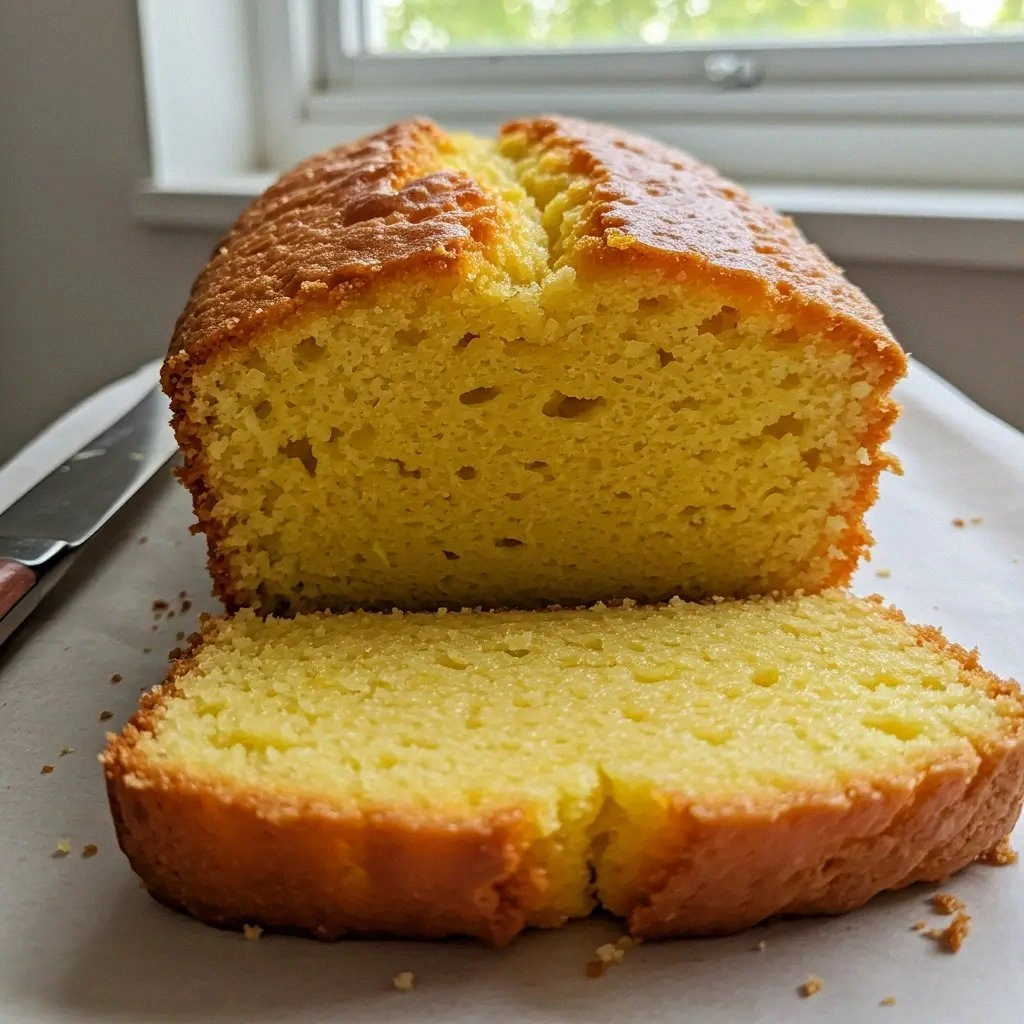
- Cool before slicing. Remove the cake from the oven and let it rest in the pan for 10 minutes. Then transfer it to a wire rack to cool completely. This rest period allows the steam to dissipate and the structure to set, preventing the cake from becoming soggy. The cooling process also lets the lemon flavor settle. When the cake is cool, you can slice it with a serrated knife for clean edges.
That's it — you did it. But hold on, I've got a few more tricks that'll take this to another level. The next section will reveal insider tips that elevate even the best batter into a showstopper.
Insider Tricks for Flawless Results
The Temperature Rule Nobody Follows
The temperature of your butter is crucial. If the butter is too cold, it won’t cream properly, leading to a dense crumb. If it’s too warm, it can melt and separate, causing a greasy texture. The ideal temperature is just below room temperature, about 70°F (21°C). A quick way to check is to press the butter with your thumb; it should give slightly but not melt. This subtle control is what makes the difference between a good pound cake and a great one.
Why Your Nose Knows Best
Before you start baking, give the batter a quick sniff. If the lemon aroma is faint, add a bit more zest. Your nose can detect subtle flavor imbalances that taste alone might miss. A strong citrus scent indicates that the lemon is well integrated. This sensory checkpoint saves you from a bland cake later on.
The 5-Minute Rest That Changes Everything
After you mix the batter, let it rest for five minutes before baking. This pause allows the flour to fully hydrate and the leavening to activate. The result is a cake with a more even crumb and improved rise. I once skipped this step and the cake turned out uneven; that’s why I never do it again. It’s a small investment of time for a huge payoff.
Avoiding Crumb Cracks
Crack formation on the surface is often caused by overbaking or a too-hot oven. Keep the oven temperature steady and use an oven thermometer to verify it’s accurate. If you notice cracks forming, reduce the temperature by 10°F and bake a bit longer. This small adjustment keeps the cake looking pristine and the crumb intact.
The Secret of a Perfect Finish
A quick dusting of powdered sugar after cooling gives the cake a classic finish. For a twist, swirl a lemon glaze made from powdered sugar and lemon juice over the top. The glaze sets into a glossy sheen that’s both beautiful and flavorful. This finishing touch turns a simple pound cake into a showstopper for any gathering.
Storing Like a Pro
If you’re not eating the cake immediately, store it in an airtight container at room temperature. Wrap the loaf in parchment and then place it in a zip-top bag. This method keeps the cake moist without trapping excess moisture that could lead to mold. For longer storage, freeze the cake in a freezer-safe bag; thaw it at room temperature before serving.
Creative Twists and Variations
This recipe is a playground. Here are some of my favorite ways to switch things up:
Lemon Poppy Seed Delight
Add 2 tablespoons of poppy seeds to the batter for a subtle crunch and a pop of color. The seeds pair beautifully with the lemon flavor, adding a textural contrast that elevates the cake. This variation is perfect for guests who love a little extra bite.
Blueberry Lemon Fusion
Fold in 1 cup of fresh blueberries just before pouring the batter into the pan. The berries burst with juice during baking, creating pockets of sweet-tart flavor. This twist transforms the cake into a vibrant, fruity treat that’s ideal for brunch.
Almond Crumb Crunch
Replace half the flour with almond flour and add a handful of chopped almonds to the batter. The almond flour gives the cake a nutty undertone and a slightly denser texture. The almonds on top add a satisfying crunch, making this version a crowd favorite.
Chocolate-Dipped Surprise
After the cake cools, drizzle melted dark chocolate over the top and let it set. The chocolate adds a rich, bittersweet contrast to the bright lemon. This dessert is a showstopper for chocolate lovers who still want a citrus twist.
Coconut Lemon Bliss
Swap the butter for coconut oil and add 1/4 cup of shredded coconut to the batter. The coconut oil gives the cake a subtle tropical flavor, while the shredded coconut adds a chewy texture. This version is perfect for a beach-themed gathering.
Vanilla Bean Lemon Dream
Replace the vanilla extract with a split vanilla bean, scraping the seeds into the batter. The vanilla bean adds a deeper, more complex vanilla flavor that complements the lemon. This twist is ideal for a sophisticated dessert menu.
Storing and Bringing It Back to Life
Fridge Storage
Wrap the cooled cake in parchment paper and then in foil or a plastic bag. Store it in the refrigerator for up to five days. The parchment prevents the cake from absorbing fridge odors, while the foil keeps it from drying out. When you’re ready to serve, let it sit at room temperature for 15 minutes to soften slightly.
Freezer Friendly
Slice the cake before freezing for convenient portions. Place each slice in a freezer-safe bag, removing as much air as possible. The cake can be frozen for up to three months. Thaw slices at room temperature or in the microwave on low power for a few seconds before serving.
Best Reheating Method
To reheat a slice, wrap it in foil and warm it in a 300°F oven for 5-7 minutes. For a quick fix, microwave on low power for 15-20 seconds. Add a tiny splash of water before reheating; it steams the cake back to moisture. This trick ensures the cake remains tender and flavorful.