
Maple Roasted Butternut Squash
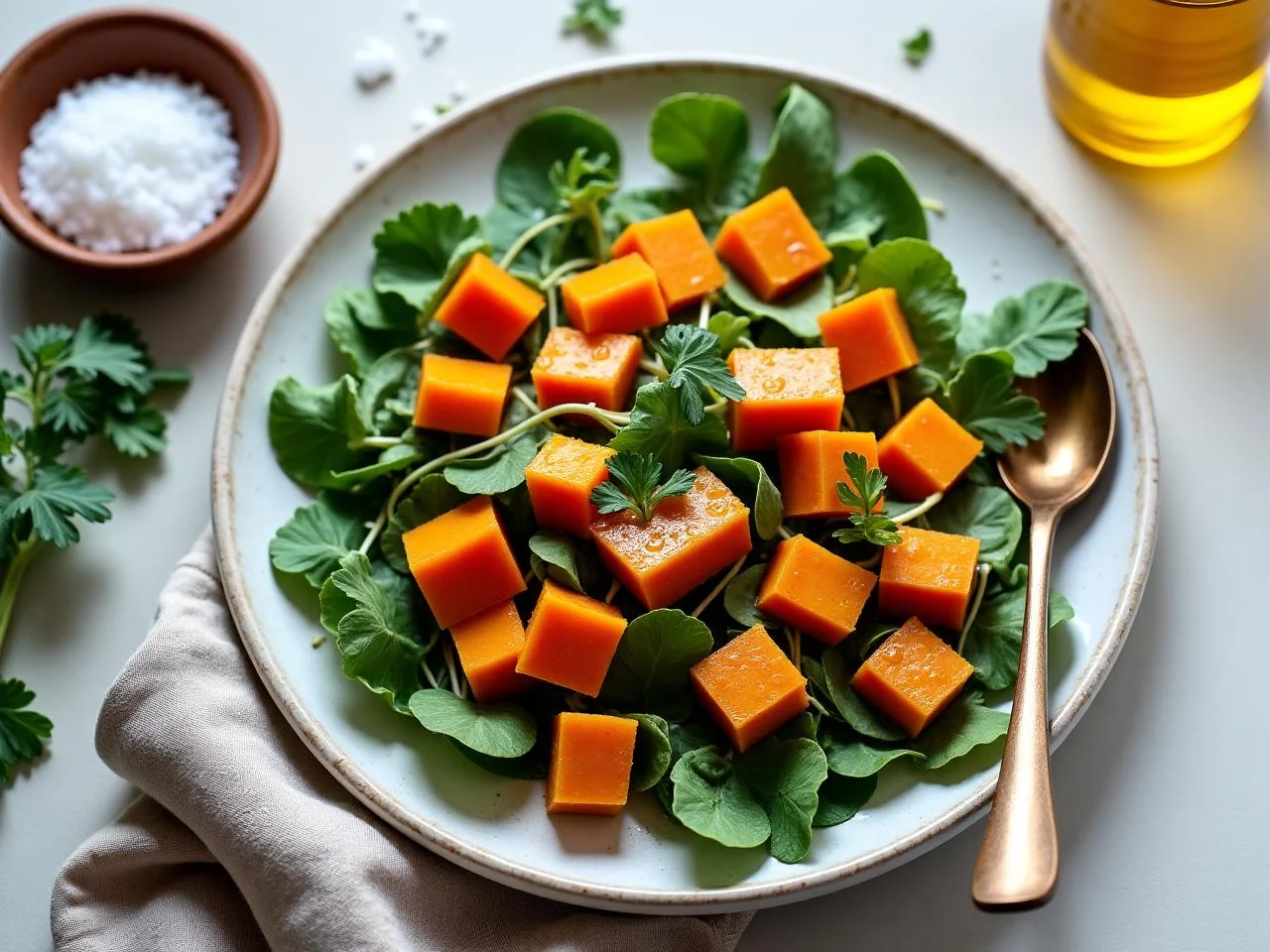
As the seasons change and the air grows crisper, my heart turns to the warmth and comfort of roasted vegetables. Among my favorites is the humble butternut squash, elevated to new heights with the richness of maple syrup. This recipe for Maple Roasted Butternut Squash is more than just a side dish; it's a celebration of the season's bounty, perfect for gathering around the table with loved ones.
I remember the first time I made this dish, the aroma that filled my kitchen was nothing short of magical. The way the maple syrup caramelizes on the squash, bringing out its natural sweetness, is truly a marvel. It's a dish that reminds me of why I love cooking so much - the simple act of taking a few ingredients and turning them into something truly special.
This recipe is for anyone who loves the simplicity of roasted vegetables but wants to add a little extra flair to their meals. It's perfect for weeknights when you need something comforting and easy, yet impressive enough for those special occasions when you want to wow your guests. Whether you're a seasoned cook or just starting out, the beauty of this recipe lies in its accessibility and the joy it brings to the table.
So, let's dive into the world of Maple Roasted Butternut Squash, where the warmth of the oven and the sweetness of the maple syrup come together in perfect harmony. It's a journey that will leave your kitchen filled with the most inviting aromas and your taste buds singing with delight.
In this recipe, we'll explore the technique behind achieving that perfect roast, the importance of seasoning, and how to balance flavors so that every bite is a testament to the beauty of simple, well-cooked ingredients. It's a lesson in patience, in allowing the natural sweetness of the squash to shine through, and in the magic that happens when you combine a few, high-quality ingredients with a bit of love and care.
Why You’ll Love This Recipe
- It's an easy and delicious way to enjoy butternut squash, perfect for any day of the week.
- The recipe is very versatile and can be served as a side dish or added to salads for extra flavor and nutrition.
- The combination of maple syrup and roasted squash creates a dish that's both healthy and indulgent, satisfying your cravings without guilt.
- It's a great way to introduce more plant-based meals into your diet, with the squash providing a good source of vitamins and minerals.
- The dish is perfect for special occasions, with its elegant presentation and rich flavors making it a hit with guests.
- It's a budget-friendly option, using affordable ingredients to create a meal that feels luxurious.
- The recipe makes a great base for experimentation, allowing you to add your favorite spices or herbs to create different flavor profiles.
Why This Recipe Works
The key to this recipe's success lies in the balance of flavors and textures. The maple syrup adds a depth of sweetness that complements the earthy flavor of the butternut squash, while the olive oil and salt enhance the overall savory taste. The roasting process brings out the natural sweetness in the squash, which is then balanced by the slight acidity from the apple cider vinegar, creating a harmonious flavor profile.
The technique of roasting is what truly makes this dish shine. By cooking the squash in a hot oven, we achieve a caramelization on the outside that contrasts beautifully with the tender, fluffy interior. This contrast of textures, along with the variety of flavors, is what makes each bite so satisfying.
Furthermore, the layering of flavors in this recipe is crucial. Starting with a base of olive oil, salt, and pepper, we then add the maple syrup and apple cider vinegar, creating a sauce that not only flavors the squash but also helps in achieving that perfect glaze. This layering ensures that every component of the dish contributes to its overall flavor and texture, making it a truly well-rounded culinary experience.
Understanding the science behind cooking is also important. The high heat of the oven helps to break down the cell walls of the squash, making it tender and easier to digest. Meanwhile, the maple syrup, with its high sugar content, caramelizes and creates a crunchy, sweet exterior. This combination of tender interior and crunchy exterior, along with the balance of sweet and savory flavors, is what makes this dish so appealing and satisfying.
Ingredients You’ll Need
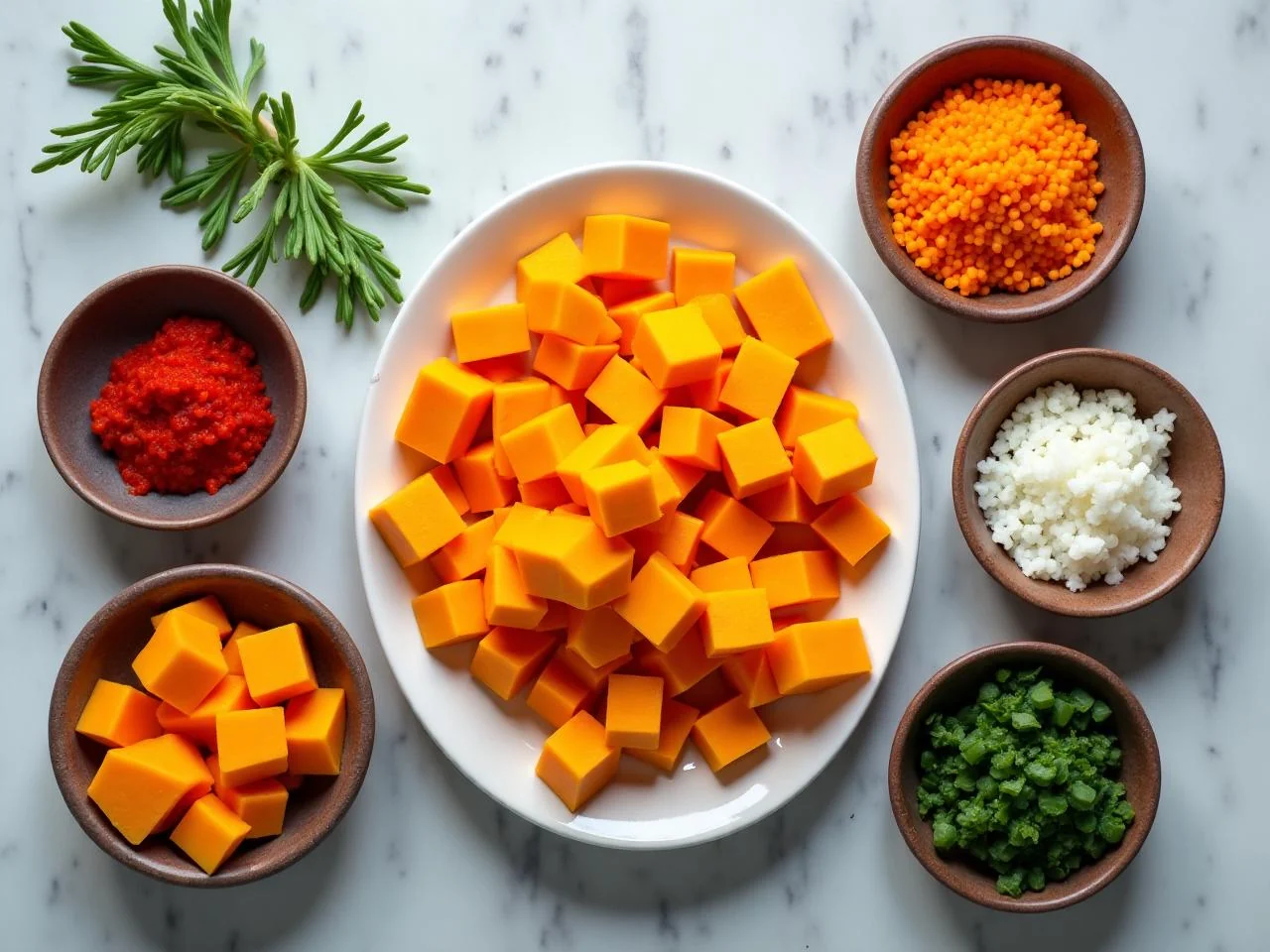
When it comes to selecting the perfect ingredients for this recipe, quality is key. Look for a butternut squash that is firm and heavy for its size, with a matte, not glossy, skin. The maple syrup should be pure, without any additives, to ensure the best flavor. Fresh thyme adds a brightness and depth that complements the earthy squash beautifully.
Shopping for these ingredients can be a fun experience, especially if you have the chance to visit a local farmer's market. Seeing the variety of squashes available and smelling the freshness of the herbs can really inspire your cooking and make the experience more enjoyable.
- 1 large butternut squash (about 2 lbs)Choose a squash that is firm and heavy for its size, with a matte skin. This will ensure it's ripe and will roast well.
- 2 tbsp olive oilUse a high-quality olive oil for the best flavor. It's the base of the sauce and will help bring out the natural sweetness of the squash.
- 1 tsp saltSalt enhances the flavors of the other ingredients and helps bring out the sweetness in the squash. Use a flaky sea salt for the best texture and flavor.
- 1/2 tsp black pepperFreshly ground black pepper adds a nice depth to the dish without overpowering the other flavors. Adjust to taste for the perfect balance.
- 2 tbsp pure maple syrupMake sure to use pure maple syrup for the best flavor. It's more expensive than imitation syrups but provides a rich, deep flavor that's essential to the dish.
- 1 tbsp apple cider vinegarApple cider vinegar adds a slight acidity that balances the sweetness of the maple syrup and the squash. It's a key component in achieving the perfect glaze.
- 2 sprigs of fresh thymeFresh thyme adds a bright, herbaceous flavor that complements the earthy squash perfectly. Use fresh thyme for the best flavor, as dried thyme can be too potent.
- 1 tsp garlic powderGarlic powder adds a subtle depth of flavor without overpowering the other ingredients. It's an optional ingredient but can enhance the overall taste of the dish.
- 1/4 tsp ground cinnamonA pinch of cinnamon can add warmth to the dish without making it overly spicy. It complements the sweetness of the maple syrup and the earthiness of the squash beautifully.
- 1/4 tsp ground nutmegNutmeg adds a slightly sweet, nutty flavor that pairs well with the squash and maple syrup. Use it sparingly, as it can be quite potent.
- Salt and pepper to tasteAdjust the seasoning at the end to ensure the flavors are balanced to your liking. This is where you can add more salt, pepper, or any other seasoning you prefer to customize the dish to your taste.
Equipment You’ll Need
How to Make Maple Roasted Butternut Squash
- 1Preheat your oven to 425°F (220°C). This high heat is essential for achieving a nice caramelization on the squash.
- 2Peel the butternut squash using a sharp chef's knife or a vegetable peeler, making sure to remove any tough or fibrous parts. Cut it into 1-inch (2.5 cm) cubes for even roasting.
- 3In a large bowl, whisk together the olive oil, salt, pepper, garlic powder, cinnamon, and nutmeg until well combined. This mixture will form the base of the sauce and season the squash.
- 4Add the cubed butternut squash to the bowl and toss until the squash is evenly coated with the spice and oil mixture. This ensures that every piece of squash will be flavorful.
- 5Spread the squash out in a single layer on a large heavy roasting pan or sheet pan. This is crucial for even roasting and to prevent the squash from steaming instead of browning.
- 6Roast the squash in the preheated oven for 20 minutes, then remove it from the oven and toss it to ensure even browning.
- 7While the squash is roasting, mix the maple syrup and apple cider vinegar in a small bowl. This sauce will be brushed over the squash during the last 10 minutes of roasting to create a glaze.
- 8After the squash has roasted for 20 minutes, brush the maple syrup and apple cider vinegar mixture evenly over the squash. Return it to the oven and continue roasting for an additional 15-20 minutes, or until the squash is tender and caramelized.
- 9Remove the squash from the oven and sprinkle with fresh thyme. Toss gently to distribute the thyme evenly.
- 10Season the squash with salt and pepper to taste, adjusting the seasoning as needed to balance the flavors.
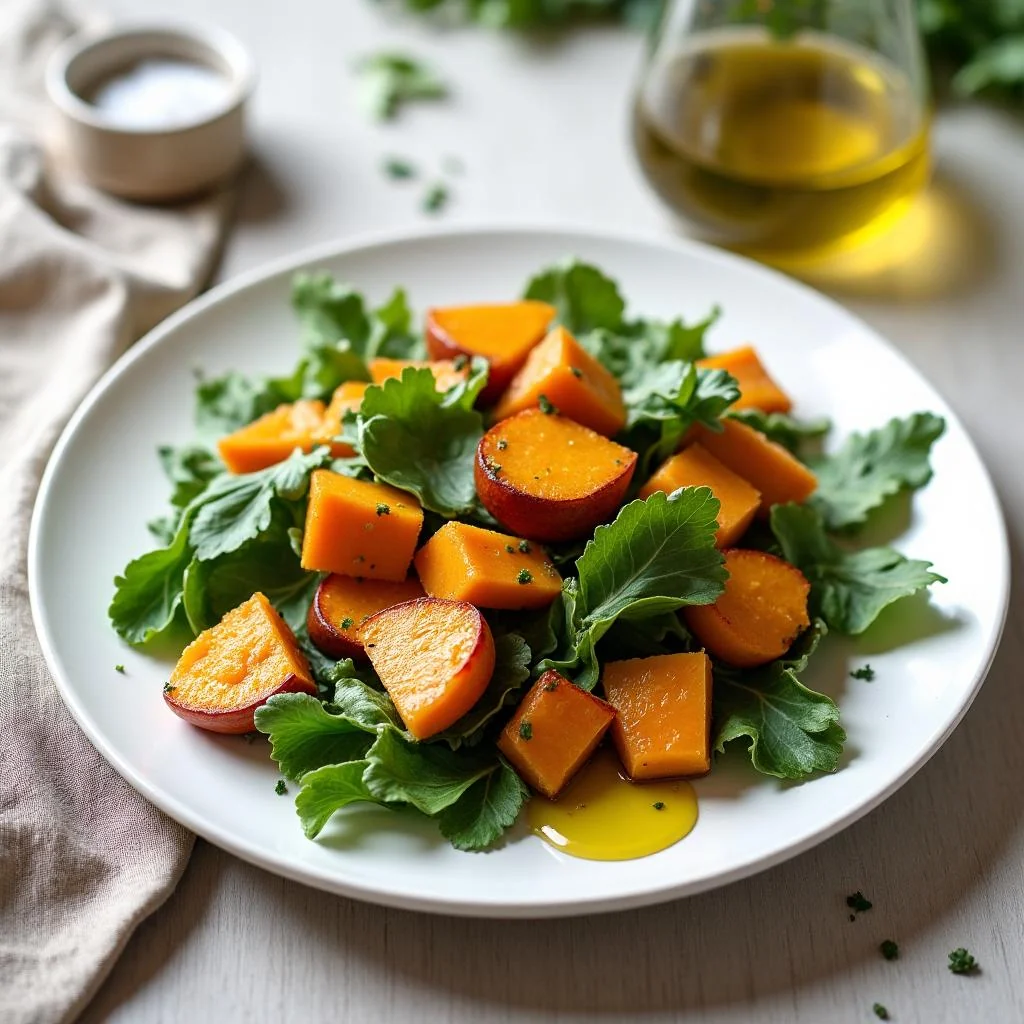
- 11Serve the Maple Roasted Butternut Squash hot, garnished with additional thyme if desired. It's perfect as a side dish or can be added to salads, soups, or other dishes for extra flavor and nutrition.
- 12For an extra crispy exterior, broil the squash for 2-3 minutes after roasting. Keep a close eye to prevent burning.
- 13Let the squash rest for a few minutes before serving to allow the juices to redistribute and the flavors to meld together.
Expert Tips
- Choose a butternut squash that is heavy for its size, as this will ensure it's ripe and will roast well.
- Make sure to toss the squash halfway through the roasting time to ensure even browning and to prevent it from becoming too dark on one side.
- If using fresh herbs like thyme, add them towards the end of the roasting time to preserve their flavor and aroma.
- For a crisper exterior, try roasting the squash at a higher temperature for a shorter amount of time, then reduce the heat to finish cooking.
- Experiment with different spices and herbs to find your favorite flavor combinations. Cumin and smoked paprika can add a nice smoky flavor, while sage and rosemary can provide a more traditional, earthy taste.
- Consider roasting other vegetables like Brussels sprouts or carrots alongside the squash for a delicious and varied side dish.
- To make ahead, roast the squash up to a day in advance, then reheat it in the oven until warmed through. You can also prepare the sauce and store it in the fridge for up to 3 days.
Common Mistakes to Avoid
- Not cutting the squash into uniform pieces, which can lead to some pieces being undercooked while others are overcooked.
- Overcrowding the roasting pan, which prevents the squash from browning evenly and can lead to a steamed instead of roasted texture.
- Not tossing the squash halfway through the roasting time, resulting in uneven browning and potentially burnt squash.
- Using imitation maple syrup, which lacks the depth of flavor and can make the dish too sweet.
- Not adjusting the seasoning at the end, which can result in a dish that's either too salty or too bland.
- Not letting the squash rest before serving, which can cause the juices to run out and the squash to become dry.
Variations and Substitutions
- Add a sprinkle of crumbled blue cheese or feta for a tangy, creamy contrast to the sweet squash.
- Mix in some chopped nuts like walnuts or pecans for a crunchy texture and nutty flavor.
- Use different types of winter squash like acorn or delicata for a variation in texture and flavor.
- Add a drizzle of balsamic glaze for an intense, fruity flavor that complements the maple syrup.
- Incorporate some heat with a sprinkle of red pepper flakes or a diced jalapeño for a spicy kick.
- Try using honey or agave nectar instead of maple syrup for a different flavor profile.
- Add some chopped fresh parsley or cilantro for a fresh, herbaceous flavor.
What to Serve With Maple Roasted Butternut Squash
This Maple Roasted Butternut Squash is incredibly versatile and can be served in a variety of ways. It makes a perfect side dish for any meal, from weeknight dinners to holiday gatherings. Consider serving it alongside roasted meats like chicken or pork, or as part of a vegetarian or vegan meal. It's also a great addition to salads, soups, or stews, adding natural sweetness and a comforting warmth.
For a special occasion, try pairing the squash with other roasted vegetables like Brussels sprouts or carrots, and serve it with a dollop of sour cream or a sprinkle of crumbled cheese. The combination of flavors and textures will surely impress your guests and leave them wanting more.
Make-Ahead, Storage, Freezing and Reheating
Storing Maple Roasted Butternut Squash is relatively easy, making it a great dish to prepare ahead of time. After roasting, let the squash cool completely on a wire rack. Once cooled, it can be stored in an airtight container in the refrigerator for up to 3 days. To reheat, simply place the squash in the oven at 350°F (180°C) for about 10-15 minutes, or until warmed through.
For longer storage, consider freezing the squash. Once cooled, place it in a freezer-safe bag or container, making sure to remove as much air as possible before sealing. Frozen squash will keep for up to 3 months. To reheat from frozen, place the squash in the oven at 350°F (180°C) for about 20-25 minutes, or until thawed and warmed through.
When reheating, it's essential to ensure the squash is heated through to an internal temperature of at least 165°F (74°C) to guarantee food safety. Also, be mindful of the texture, as reheated squash can sometimes become softer than freshly roasted. To maintain the best texture, try to reheat the squash in the oven rather than the microwave, as this helps to preserve its natural sweetness and structure.
Finally, consider making the sauce ahead of time and storing it in the fridge for up to a week. This can be a huge time-saver when preparing the dish, as you can simply brush the sauce over the squash during the last 10 minutes of roasting. The sauce can also be frozen for up to 2 months; simply thaw it in the fridge or at room temperature when you're ready to use it.
Frequently Asked Questions
What type of squash is best for roasting?
Butternut squash is ideal due to its sweet, nutty flavor and firm texture, which holds up well to roasting. However, other types of winter squash like acorn or delicata can also be used for a variation in texture and flavor.
Can I use imitation maple syrup?
While imitation maple syrup can be used, it lacks the depth of flavor and richness that pure maple syrup provides. For the best flavor, it's recommended to use pure maple syrup.
How do I prevent the squash from becoming too dark?
To prevent the squash from becoming too dark, make sure to toss it halfway through the roasting time. You can also reduce the oven temperature slightly if you find that the squash is browning too quickly.
Can I roast other vegetables alongside the squash?
Yes, roasting other vegetables like Brussels sprouts, carrots, or sweet potatoes alongside the squash can create a delicious and varied side dish. Just ensure that all the vegetables are cut into uniform pieces so they roast evenly.
How do I store leftover roasted squash?
Let the squash cool completely, then store it in an airtight container in the fridge for up to 3 days. It can also be frozen for up to 3 months and reheated in the oven when needed.
Can I make the sauce ahead of time?
Yes, the sauce can be made ahead of time and stored in the fridge for up to a week or frozen for up to 2 months. Simply thaw and brush it over the squash during the last 10 minutes of roasting.
What's the best way to reheat roasted squash?
The best way to reheat roasted squash is in the oven. Place the squash in the oven at 350°F (180°C) for about 10-15 minutes, or until warmed through. This helps preserve the natural sweetness and texture of the squash.
Can I use this recipe for other types of squash?
Yes, this recipe can be adapted for other types of winter squash. Just adjust the roasting time based on the size and type of squash you're using, and consider the flavor profile you want to achieve.
Ingredients
- 1 large butternut squash (about 2 lbs)
- 2 tbsp olive oil
- 1 tsp salt
- 1/2 tsp black pepper
- 2 tbsp pure maple syrup
- 1 tbsp apple cider vinegar
- 2 sprigs of fresh thyme
- 1 tsp garlic powder
- 1/4 tsp ground cinnamon
- 1/4 tsp ground nutmeg
- Salt and pepper to taste
Instructions
- Preheat your oven to 425°F (220°C). This high heat is essential for achieving a nice caramelization on the squash.
- Peel the butternut squash using a sharp chef's knife or a vegetable peeler, making sure to remove any tough or fibrous parts. Cut it into 1-inch (2.5 cm) cubes for even roasting.
- In a large bowl, whisk together the olive oil, salt, pepper, garlic powder, cinnamon, and nutmeg until well combined. This mixture will form the base of the sauce and season the squash.
- Add the cubed butternut squash to the bowl and toss until the squash is evenly coated with the spice and oil mixture. This ensures that every piece of squash will be flavorful.
- Spread the squash out in a single layer on a large heavy roasting pan or sheet pan. This is crucial for even roasting and to prevent the squash from steaming instead of browning.
- Roast the squash in the preheated oven for 20 minutes, then remove it from the oven and toss it to ensure even browning.
- While the squash is roasting, mix the maple syrup and apple cider vinegar in a small bowl. This sauce will be brushed over the squash during the last 10 minutes of roasting to create a glaze.
- After the squash has roasted for 20 minutes, brush the maple syrup and apple cider vinegar mixture evenly over the squash. Return it to the oven and continue roasting for an additional 15-20 minutes, or until the squash is tender and caramelized.
- Remove the squash from the oven and sprinkle with fresh thyme. Toss gently to distribute the thyme evenly.
- Season the squash with salt and pepper to taste, adjusting the seasoning as needed to balance the flavors.
- Serve the Maple Roasted Butternut Squash hot, garnished with additional thyme if desired. It's perfect as a side dish or can be added to salads, soups, or other dishes for extra flavor and nutrition.
- For an extra crispy exterior, broil the squash for 2-3 minutes after roasting. Keep a close eye to prevent burning.
- Let the squash rest for a few minutes before serving to allow the juices to redistribute and the flavors to meld together.