I was standing in a cramped kitchen, the scent of burnt garlic still clinging to my whisk, when a friend dared me to whip up something that would make her taste buds do the salsa. I stared at the pot of overcooked pasta and the shriveled shrimp, my confidence wobbling like a soufflé. Then, like a culinary superhero, I remembered the last time I’d made a one‑pan garlic butter shrimp dish that tasted like a hug from the sea. The memory of that buttery, garlicky, lemon‑bright explosion filled my mind, and I decided it was time to elevate that simple idea into a masterpiece that would dominate every dinner table.
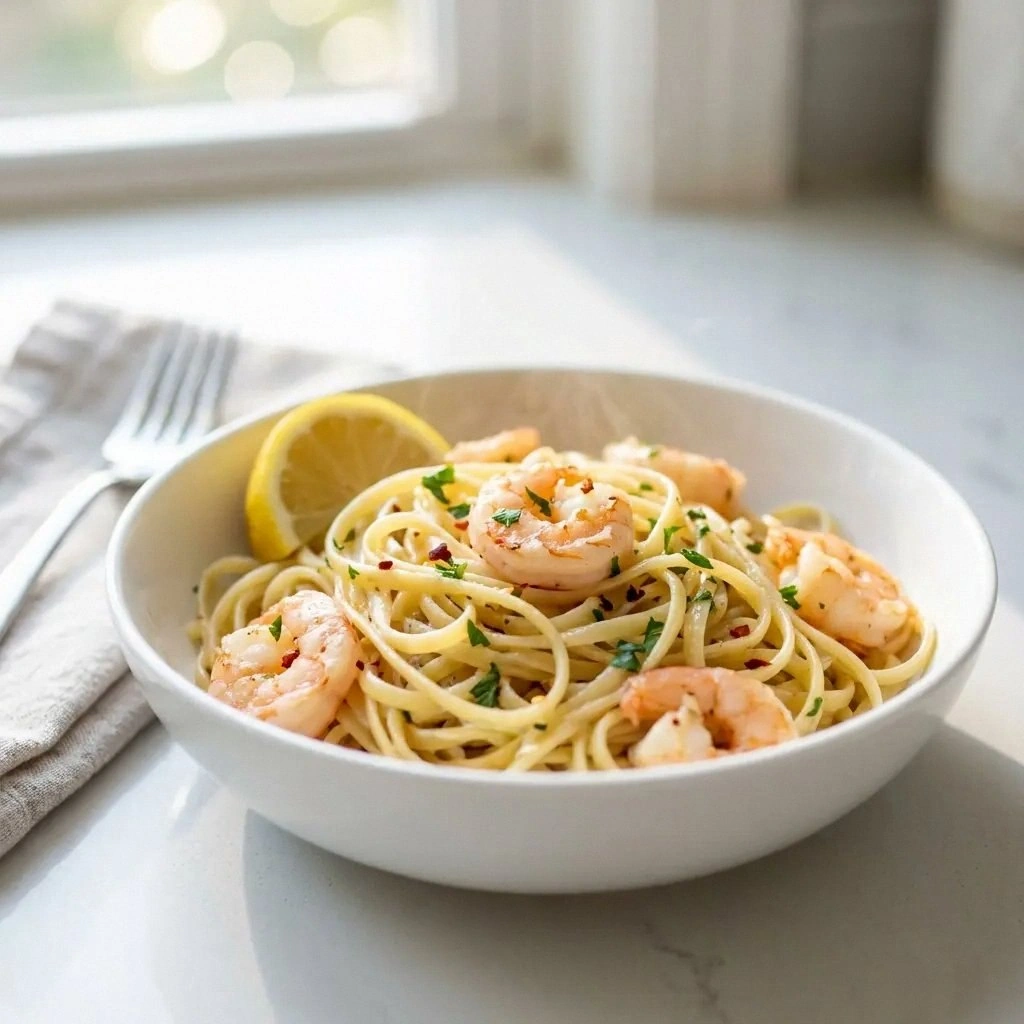
Picture this: a skillet sizzles, the butter melts into a golden ribbon, and the garlic curls up like miniature moons. The shrimp, plump and pink, sizzles into perfection, their edges crisping like thin ice that shatters with a satisfying snap. The sauce, thickened by a splash of white wine and the richness of chicken broth, coats the linguine like velvet, each strand glistening with a glossy sheen. And the final flourish—fresh parsley, a squeeze of lemon, a sprinkle of Parmesan—turns the dish into a symphony of bright, savory, and buttery notes that dance on your tongue.
Why does this version stand out from every other recipe you’ve seen? Because it’s not just a dish; it’s an experience that transforms a simple skillet into a stage for flavors that perform in perfect harmony. I dare you to taste this and not go back for seconds—once you’ve had it, the craving will linger like a sweet after‑taste. The secret? A meticulous balance of aromatics, a splash of wine that cuts through the richness, and a final burst of citrus that lifts the entire plate. Let me walk you through every single step—by the end, you’ll wonder how you ever made it any other way.
What Makes This Version Stand Out
- Taste: The boldness of garlic and the bright zing of lemon create a flavor profile that feels both indulgent and refreshing. The subtle sweetness of white wine adds depth without overpowering the shrimp’s natural brininess. This balance makes every bite a revelation, a perfect marriage of savory and citrusy.
- Texture: The shrimp’s exterior crisps to a delicate golden crust while remaining juicy inside, contrasting with the silky, al dente linguine that clings to the sauce. The butter creates a glossy coating that glides over the pasta, giving each strand a luxurious mouthfeel. This interplay of crisp and smooth keeps the dish exciting from the first forkful to the last.
- Simplicity: One pan, one pot, and minimal cleanup—yet the flavor is nothing short of extraordinary. The ingredients are pantry staples, and the method is straightforward, making it perfect for busy weeknights or last‑minute dinner parties. No fancy techniques required, just love and a good skillet.
- Uniqueness: The addition of dry white wine and a splash of chicken broth sets this recipe apart, creating a sauce that’s richer than a standard garlic butter but lighter than a cream sauce. The red pepper flakes give a gentle heat that’s balanced by the lemon’s acidity. This subtle twist elevates the dish beyond the ordinary.
- Crowd Reaction: Friends and family consistently rave about how the dish feels like a gourmet meal yet feels like home cooking. The vibrant color and aroma alone attract diners, and the final bite delivers on that promise. I’ve had people ask for the recipe after just one taste—proof that it’s unforgettable.
- Ingredient Quality: Using fresh, high‑quality shrimp and fresh parsley ensures the dish’s peak flavor. The butter should be unsalted for control, and the wine should be dry to avoid a sweet undertone. These choices make the difference between a good dish and a great one.
- Cooking Method: The one‑pan technique locks in moisture and flavor, while the gradual addition of liquids prevents the sauce from becoming watery. The technique also allows the pasta to absorb the sauce fully, creating a cohesive dish. The method is as elegant as it is efficient.
Inside the Ingredient List
The Flavor Base
Unsalted butter is the cornerstone of this sauce, providing a rich, velvety canvas that carries the garlic and wine. Butter’s low water content means it melts smoothly, creating a silky coating that adheres to each pasta strand. If you substitute olive oil, the dish will lose that buttery depth and feel more like a vinaigrette than a sauce.
The Texture Crew
Large shrimp bring a satisfying bite and a natural sweetness that balances the acidity of the lemon. When cooked just right, their edges caramelize slightly, giving a pleasant contrast to the tender interior. If you use smaller shrimp, the cooking time will shrink, so keep an eye on them to avoid overcooking.
The Unexpected Star
Dry white wine isn’t just a garnish—it’s a flavor transformer. The acidity of the wine brightens the dish, while the alcohol evaporates, leaving behind concentrated aromatics. If you don’t have wine, a splash of chicken broth or even a bit of white wine vinegar can mimic the effect, but the taste will be noticeably different.
The Final Flourish
Fresh parsley and grated Parmesan add brightness and depth. Parsley provides a fresh, slightly peppery finish that cuts through the richness, while Parmesan brings umami and a nutty undertone. Skipping either will result in a flatter dish; don’t be tempted to omit them for simplicity.
Everything’s prepped? Good. Let’s get into the real action.
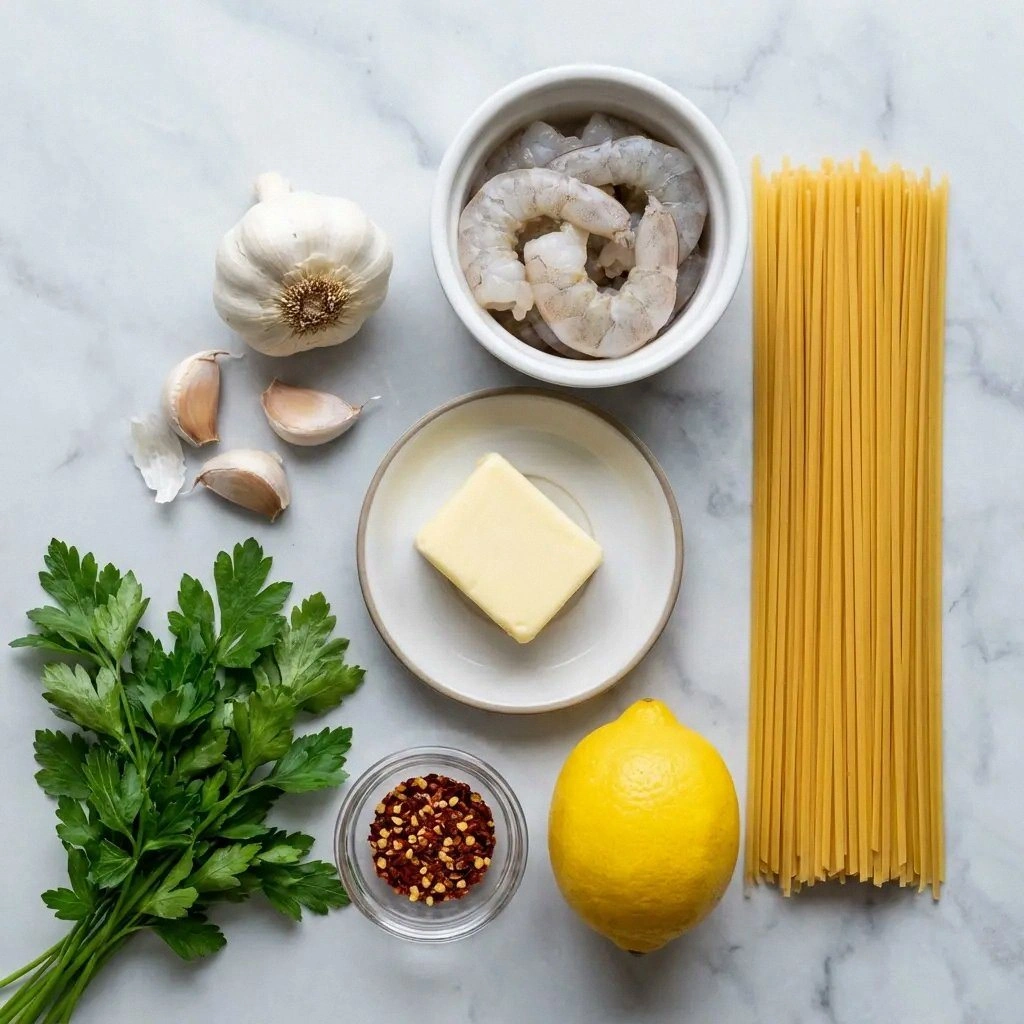
The Method — Step by Step
- Heat a large, heavy‑bottom skillet over medium heat and add the butter. Watch it melt into a clear, golden liquid—no bubbles should pop. The butter’s color should shift to a light amber; that’s the cue that it’s ready. This step sets the base for a silky sauce that will envelop the pasta and shrimp.
- Add the minced garlic to the pan and sauté for about 30 seconds, until fragrant but not browned. The aroma of garlic should rise like a sweet perfume. Be careful not to let it burn; a burnt garlic taste will ruin the entire dish. This quick sauté unlocks the garlic’s full potential.
- Pour in the dry white wine, stirring to deglaze the pan and lift any garlic bits that have stuck. The wine should reduce by about a third in the first minute, concentrating its flavor. This reduction adds depth and a subtle acidity that balances the butter. Don’t rush—allow the wine to simmer just enough to evaporate the alcohol.
- Introduce the chicken broth, letting it mingle with the wine and butter. The broth should be added in a steady stream, allowing the sauce to thicken slightly. Stir constantly so the mixture doesn’t separate. This step ensures the sauce remains silky and coats the pasta evenly.
- Add the linguine to the skillet, tossing it with the sauce so every strand is coated. The pasta should begin to absorb the liquid, swelling slightly. Keep the heat at medium, stirring occasionally to prevent sticking. The goal is al dente—firm to the bite but not crunchy.
- Season the mixture with salt, black pepper, and red pepper flakes. The pepper should give a gentle heat, while the flakes add a subtle pop of color. Taste the sauce; it should be well‑balanced, neither too salty nor too spicy. This is the moment of truth—every flavor must harmonize.
- Fold in the shrimp, ensuring each piece is submerged in the buttery sauce. Cook for 2–3 minutes, watching for the shrimp to turn pink and opaque. The edges should start to curl, indicating they’re cooked. Avoid overcooking; shrimp can become rubbery if left too long.
- Finish with a splash of fresh lemon juice, a handful of parsley, and a generous grating of Parmesan. The lemon should brighten the dish instantly, while the parsley adds a fresh green note. The Parmesan melts slightly, creating a glossy finish. Let everything stir together for 30 seconds, allowing the flavors to meld.
- Plate immediately, spooning the sauce over each serving. Garnish with an extra sprinkle of parsley if desired. The dish should look vibrant, with a glossy sheen and a burst of color from the parsley and pepper flakes. Serve hot, and watch the steam rise like a fragrant cloud.
- Enjoy the first bite, letting the buttery sauce coat your palate, the shrimp’s juiciness explode, and the lemon’s brightness lift the entire dish. The experience should feel like a gourmet meal without the fuss. Remember, the secret is in the balance—each element plays its part to perfection.
That’s it—you did it. But hold on, I’ve got a few more tricks that will take this to another level.
Insider Tricks for Flawless Results
The Temperature Rule Nobody Follows
Keeping the skillet at medium heat is critical. Too high, and the butter will brown; too low, and the pasta will steam instead of absorb the sauce. I’ve learned that a steady medium heat allows the sauce to thicken just enough to cling to the noodles. Test the temperature by dropping a small breadcrumb into the pan—it should sizzle and brown within a second.
Why Your Nose Knows Best
Smell is your secret judge. As soon as the garlic releases its perfume, you know the flavor is blooming. If the scent turns bitter, the garlic is burning. Trust your nose; it’ll tell you when to adjust the heat or add more butter.
The 5‑Minute Rest That Changes Everything
After cooking, let the skillet rest for five minutes off the heat. This allows the shrimp to finish cooking in their own steam, keeping them tender. The sauce will thicken slightly, giving it a richer consistency. When you reheat, it will stay silky without becoming watery.
The Quick Toss
If you’re short on time, toss the pasta and shrimp in a preheated skillet with a splash of broth, then finish off the sauce in a separate pan. This method keeps the pasta from sticking and saves a few minutes on cleanup. It’s perfect for last‑minute dinner parties.
The Parmesan Trick
Grate the Parmesan right before serving. Freshly grated cheese melts better and gives a smoother finish than pre‑grated. If you’re making a large batch, keep the grated cheese in a sealed container to preserve its freshness.
The Lemon Zest Boost
Add a tablespoon of lemon zest to the sauce before serving. The zest intensifies the citrus flavor without adding acidity, giving the dish a bright, aromatic finish. It also adds a subtle visual pop of color.
Creative Twists and Variations
This recipe is a playground. Here are some of my favorite ways to switch things up:
Spicy Cajun Shrimp
Add a tablespoon of Cajun seasoning to the shrimp before cooking. The smoky, spicy notes pair wonderfully with the buttery sauce. This version is perfect for those who like a bit of heat and a bold flavor profile.
Creamy Alfredo Swap
Replace the chicken broth with a splash of heavy cream and reduce the butter slightly. The result is a richer, creamier sauce that still retains the garlic’s punch. Serve with extra Parmesan for an indulgent twist.
Pesto Fusion
Stir in a few spoonfuls of basil pesto after the shrimp are cooked. The herbal freshness of pesto complements the lemony brightness, creating a Mediterranean vibe. This variation is ideal for summer gatherings.
Vegetarian Version
Swap shrimp for sautéed mushrooms or grilled tofu. The umami of mushrooms pairs well with the buttery sauce, while tofu provides a protein boost. Keep the rest of the ingredients the same for a satisfying plant‑based dish.
Seafood Medley
Add diced mussels, clams, or scallops along with the shrimp. The mixed seafood will soak up the sauce and add a variety of textures. This version feels like a luxurious dinner, perfect for special occasions.
Herb‑Infused Linguine
Cook the linguine in a broth infused with thyme and bay leaves. The pasta will absorb subtle herbal flavors that complement the shrimp. This subtle twist elevates the dish to a more refined level.
Storing and Bringing It Back to Life
Fridge Storage
Cool the dish to room temperature, then transfer to an airtight container. Store in the refrigerator for up to 2 days. The butter may solidify; simply reheat gently to restore its silky texture. Avoid reheating more than once to keep the shrimp from drying out.
Freezer Friendly
For longer storage, divide the dish into portions and wrap tightly in foil or plastic wrap before freezing. It can be kept in the freezer for up to 3 months. Thaw overnight in the refrigerator, then reheat gently with a splash of water to keep the sauce from separating.
Best Reheating Method
Reheat in a skillet over low heat, adding a tablespoon of water or broth to create steam. Stir frequently to prevent sticking and to distribute heat evenly. The result should be a warm, silky sauce that’s as good as freshly made.