Picture this: it’s a rainy Saturday afternoon, the kind where the clouds look like they’re auditioning for a drama series and the only thing you want is a warm, comforting hug that doesn’t involve a person. I was halfway through a marathon of my favorite sitcom, when a sudden craving for something sweet hit me like a plot twist—nothing too crunchy, nothing too dry, just the perfect balance of soft and sugary that makes you sigh in pure bliss. I rummaged through the pantry, found a half‑used bag of flour, a stick of butter that was still soft, and a jar of cinnamon that smelled like a spice market in Marrakech, and I thought, “Why not create the ultimate cookie that feels like a cozy hug?”
The kitchen quickly turned into a laboratory of aromas. As I melted butter and folded in the sugars, the air filled with a caramel‑like perfume that reminded me of grandma’s kitchen on holidays. The cinnamon swirled in the bowl like a warm sunrise, and when the dough finally came together, it was as pliable as play‑dough—soft, slightly sticky, and begging to be shaped. I dared myself to bake a batch, but the first bite was so good that I confessed, I ate half the batch before anyone else got to try it. That’s how I realized I’d stumbled upon something that could become a staple in any cookie lover’s repertoire.
Most cookie recipes either give you a crisp edge that cracks like thin ice or a chewy interior that feels more like a dense brownie. Most get the texture wrong, leaving you with a cookie that’s either too dry or too flat. This version, however, is engineered to puff up just enough to be airy, while staying tender enough that each bite melts on your tongue like a cloud of cinnamon‑sweetness. The secret? A precise balance of leavening agents, a splash of milk for extra softness, and a coating of cinnamon sugar that caramelizes just enough to give a subtle crunch without stealing the cloud‑like interior.
Okay, ready for the game‑changer? I’m about to walk you through every single step—by the end, you’ll wonder how you ever made cookies any other way. Picture yourself pulling these golden puffs out of the oven, the whole kitchen smelling like a cinnamon‑spiced dream, and the first bite delivering a hug that lingers long after you’ve finished. Let’s dive in.
What Makes This Version Stand Out
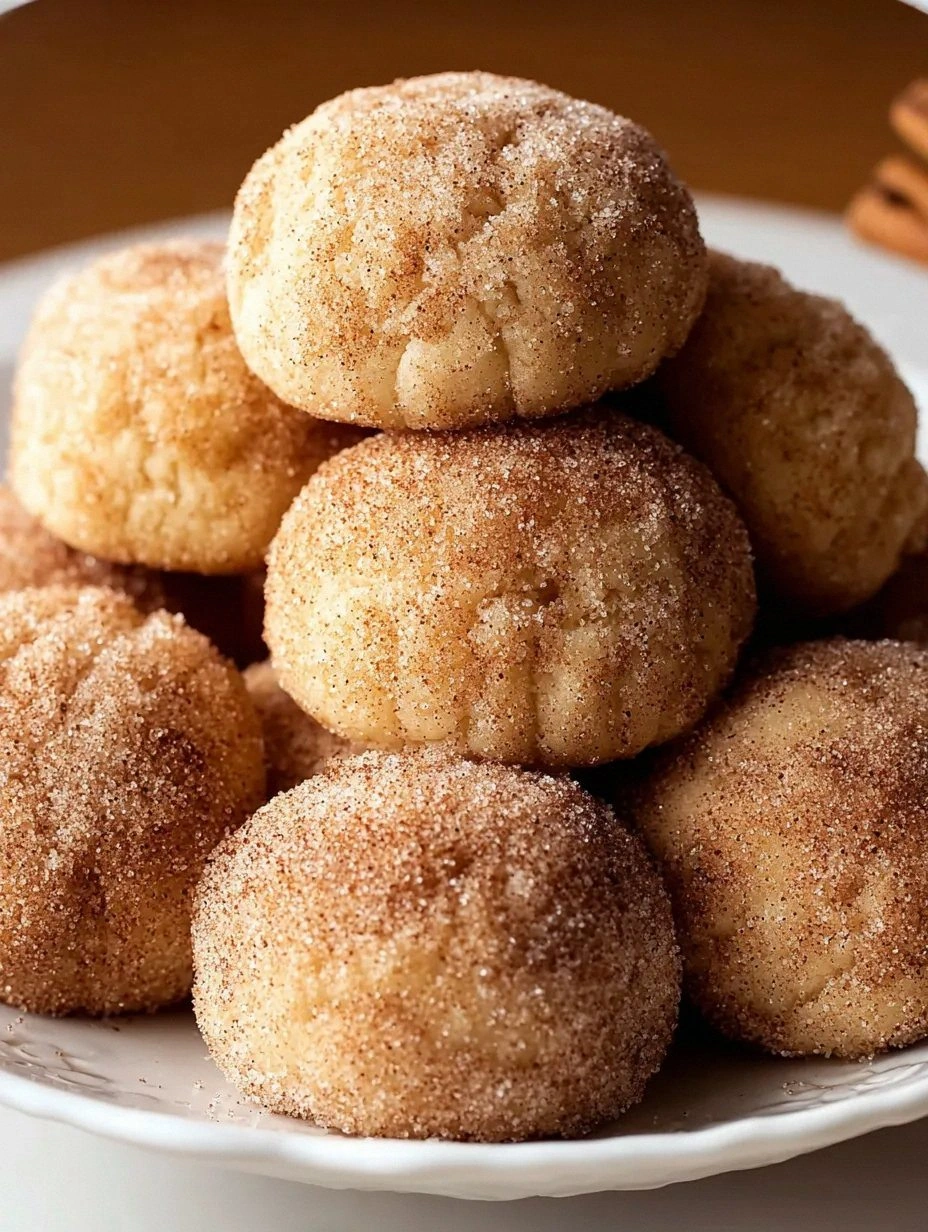
- Texture: The puffs have a light, airy interior that’s almost cake‑like, contrasted with a whisper‑thin caramelized crust that snaps delicately under your teeth.
- Flavor: A perfect marriage of warm cinnamon and sweet sugar that’s balanced by a buttery richness, making each bite feel like a dessert and a comfort snack rolled into one.
- Simplicity: Fewer than a dozen pantry staples, no fancy equipment, and a straightforward method that even a novice can master without a kitchen disaster.
- Uniqueness: The secret milk splash and the double‑coating technique create a puff that most recipes simply can’t achieve—think of it as the difference between a plain balloon and a helium‑filled one that soars.
- Crowd Reaction: I dare you to taste this and not go back for seconds; even the most skeptical family members turn into cookie evangelists.
- Ingredient Quality: Using real butter (never margarine) and fresh ground cinnamon elevates the flavor profile from “good” to “hands down the best version you’ll ever make at home”.
- Cooking Method: The gentle bake at a moderate temperature ensures the cookies rise evenly without burning the sugar, delivering that coveted “puff” effect.
- Make‑Ahead Potential: These puffs freeze beautifully, so you can prep a batch ahead of time and have a ready‑to‑bake treat for any impromptu gathering.
Inside the Ingredient List
The Flavor Base
Unsalted Butter (½ cup): Butter is the backbone of flavor, providing that rich, creamy mouthfeel. It also contributes to the tender crumb because the fat coats the flour proteins, preventing excess gluten formation. If you skip it or use margarine, you’ll lose that buttery depth and the dough may become greasy.
Brown Sugar (¾ cup, packed): The molasses in brown sugar adds moisture and a subtle caramel note that pairs perfectly with cinnamon. It also helps the cookies retain softness after cooling. You can substitute with dark brown sugar for an even deeper flavor, but watch the moisture level.
Granulated Sugar (¼ cup): This sugar caramelizes on the surface, creating that delicate crunch you love. If you replace it with a low‑calorie sweetener, the caramelization won’t happen, and the texture will suffer.
The Texture Crew
All‑Purpose Flour (2 cups): Flour provides structure, but too much can make the cookies dense. I recommend sifting it with the leavening agents to aerate the mixture, which contributes to the puffiness. If you’re gluten‑intolerant, a 1:1 gluten‑free flour blend works, but add a teaspoon of xanthan gum to mimic gluten’s elasticity.
Baking Powder (1 tsp) & Baking Soda (½ tsp): These leaveners create the tiny air pockets that give the cookies their signature lift. Baking soda also reacts with the brown sugar’s acidity, enhancing browning. Using only one of them will result in a flatter cookie.
Milk (2 tbsp): The milk adds a touch of liquid that keeps the dough supple and helps the puffs rise evenly. It’s the silent hero that prevents the dough from becoming too dry; omit it and you’ll get a crumbly texture.
The Unexpected Star
Ground Cinnamon (1 tsp): Cinnamon isn’t just a flavor; it’s an aromatic experience that triggers warm, nostalgic feelings. Freshly ground cinnamon releases essential oils that are far more potent than pre‑ground. If you can, grind whole sticks in a spice grinder for maximum impact.
Vanilla Extract (1 tsp): Vanilla adds a sweet, floral undertone that rounds out the cinnamon’s spice. It also masks any raw flour taste. Use pure extract, not imitation, for the best depth.
The Final Flourish
Egg (1 large): The egg acts as a binder and adds richness. Its proteins coagulate during baking, helping the cookies hold their shape while still puffing up. If you’re vegan, a flax egg (1 tbsp ground flax + 3 tbsp water) works, but expect a slightly denser texture.
Salt (1 tsp): A pinch of salt amplifies all the flavors, preventing the sweetness from becoming cloying. It also balances the butter’s richness.
Cinnamon‑Sugar Topping (¼ cup granulated sugar + 2 tsp cinnamon): This mixture creates a glossy, caramelized coating that adds a subtle crunch. Toss the dough balls in this blend just before baking for an even coating.
Everything’s prepped? Good. Let’s get into the real action…
The Method — Step by Step
Preheat your oven to 350°F (175°C) and line two baking sheets with parchment paper. While the oven warms, I like to set a timer for 10 minutes—this ensures the heat stabilizes, which is crucial for even puffing. The moment the oven reaches temperature, you’ll hear that faint hum that signals it’s ready. Place the parchment sheets on the racks, and keep a small bowl of water nearby to add a touch of steam if you want an extra airy interior.
In a large mixing bowl, whisk together the flour, baking powder, baking soda, and salt. Sifting these dry ingredients not only eliminates lumps but also introduces air, which contributes to the final puff. When you stir, listen for the soft “whoosh” sound of the flour aerating. This step is the foundation; if you skip it, you’ll end up with dense, flat cookies.
In a separate bowl, cream the softened butter with the brown and granulated sugars using a handheld mixer or a sturdy whisk. Beat for about 3‑4 minutes until the mixture turns pale and fluffy—think of the texture of a cloud that’s about to burst. This is the moment of truth for flavor development; the butter should coat each sugar crystal, creating a glossy, slightly thick mixture.
Add the egg and vanilla extract to the creamed butter, mixing just until incorporated. The egg should blend in smoothly without over‑mixing, which could develop gluten and make the cookies tough. You’ll notice a subtle change in color, a richer golden hue that signals the dough is coming together.
Gradually add the dry flour mixture to the wet ingredients, alternating with the 2 tablespoons of milk. Begin and end with the dry ingredients, stirring gently with a spatula after each addition. The dough should feel slightly sticky but manageable; if it’s too wet, sprinkle a tablespoon of flour, but be careful not to over‑flour.
Once the dough is homogeneous, fold in the ground cinnamon. At this point, the dough will emit a warm, spicy aroma that makes you want to lick the spoon. Cover the bowl with plastic wrap and refrigerate for at least 15 minutes.
Watch Out: Skipping the chilling step will cause the butter to melt too quickly in the oven, leading to flat, greasy cookies instead of airy puffs.While the dough chills, combine the topping sugar and cinnamon in a shallow dish. This mixture will cling to the dough balls, creating a caramelized crust. When the dough is firm, scoop out tablespoon‑sized portions and roll them into smooth balls. Roll each ball in the cinnamon‑sugar mixture until fully coated; the coating should cling like a light dusting of snow.
Place the coated dough balls onto the prepared baking sheets, spacing them about 2 inches apart. As they bake, they’ll spread slightly and puff up, so give them room to breathe. Slide the trays into the preheated oven and bake for 12‑15 minutes, or until the edges turn a light golden brown and the tops are just set.
When the timer dings, remove the cookies and let them cool on the sheet for 2 minutes—this lets the steam finish the puffing process. Then transfer them to a wire rack to cool completely. The cookies will feel soft to the touch but will develop a gentle crispness on the outside as they set. That first bite? It’s a buttery, cinnamon‑kissed cloud that melts on your tongue.
Insider Tricks for Flawless Results
The Temperature Rule Nobody Follows
Never bake at a temperature higher than 375°F for these puffs. A lower, steady heat allows the interior to steam and rise while the exterior gently caramelizes. I once cranked the oven to 400°F in a rush; the result was a burnt crust and a dense center—hardly the airy hug I was aiming for. Keep the heat moderate, and you’ll get that perfect balance of soft inside and lightly crisp outside.
Why Your Nose Knows Best
Trust the aroma. Around the 10‑minute mark, you’ll notice a sweet, buttery scent with a hint of cinnamon rising from the oven. If the smell turns overly nutty or starts to smell burnt, pull the tray out immediately—over‑baking can happen quickly, especially on the thinner edges. Your nose is the best timer you have, so don’t ignore it.
The 5‑Minute Rest That Changes Everything
After baking, let the cookies rest on the baking sheet for exactly five minutes before moving them to a rack. This short pause lets residual heat finish the puffing process and prevents the cookies from collapsing. Skipping this step is a common mistake; the cookies can look perfect out of the oven but deflate into a flat disc if transferred too early.
Butter Temperature Matters
Softened butter (room temperature) is essential for proper creaming. If the butter is too cold, the sugars won’t dissolve, leading to a grainy texture. If it’s melted, the dough spreads too much and loses its puff. The perfect butter is pliable enough to leave an indentation when pressed with a fingertip.
Don’t Over‑Mix the Dough
Once the flour is incorporated, stop mixing. Over‑mixing develops gluten, which makes the cookies tough instead of tender. I’ve seen beginners keep the mixer running for a full minute after the flour joins—trust me, the result is a dense, chewy cookie rather than the airy puff we’re after.
Creative Twists and Variations
This recipe is a playground. Here are some of my favorite ways to switch things up:
Maple‑Brown Sugar Swirl
Replace half of the brown sugar with pure maple syrup and add a drizzle of extra maple on top before baking. The result is a deeper, caramel‑rich flavor that pairs beautifully with the cinnamon. Perfect for autumn brunches.
Chocolate Chip Surprise
Fold in ½ cup of mini chocolate chips after the dough comes together. The chips melt slightly, creating pockets of gooey chocolate that contrast the soft cinnamon base. Kids love the surprise, and adults appreciate the indulgence.
Nutty Crunch Variation
Stir in ¼ cup chopped toasted pecans or walnuts into the dough. The nuts add a pleasant crunch and a buttery flavor that complements the cinnamon sugar. Toast them lightly first to bring out their natural oils.
Gluten‑Free Adaptation
Swap the all‑purpose flour for a 1:1 gluten‑free blend and add ½ tsp xanthan gum. The texture remains airy, and the flavor stays true. Just be sure to sift the gluten‑free flour to avoid clumps.
Spiced Citrus Twist
Add the zest of one orange or lemon to the dough and increase the cinnamon to 1½ tsp. The citrus brightens the spice, giving the cookies a fresh, festive vibe—great for holiday gatherings.
Double‑Coat Delight
After the first coat of cinnamon sugar, dip the dough balls in a thin glaze of melted butter, then roll them in the cinnamon‑sugar again. This double coating creates an extra‑crisp outer shell while keeping the interior ultra‑soft.
Storing and Bringing It Back to Life
Fridge Storage
Place the cooled cookies in an airtight container with a paper towel at the bottom to absorb excess moisture. They’ll stay fresh for up to 5 days. If you notice any condensation, open the lid for a minute to let steam escape.
Freezer Friendly
Arrange the baked (or unbaked) cookies on a parchment‑lined tray and freeze until solid. Transfer them to a zip‑top freezer bag, separating layers with parchment sheets. They’ll keep for up to 3 months. To bake from frozen, add an extra 2‑3 minutes to the baking time.
Best Reheating Method
When you’re ready to enjoy them again, preheat the oven to 300°F (150°C) and bake the cookies for 5‑7 minutes, or until they’re warmed through. Add a tiny splash of water to the baking sheet before reheating; the steam revives the interior softness while the exterior regains its gentle crisp.